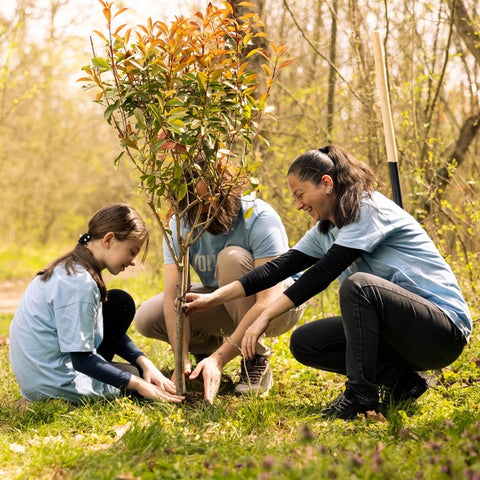
Lake restoration in India transforms polluted water bodies into thriving ecosystems that support biodiversity, improve water quality, and boost local communities. Restoration projects can create sustainable habitats for wildlife and clean water sources for local populations.
India's lakes face challenges from pollution and encroachment. Innovative restoration techniques combined with community engagement can support environmental recovery.
The Critical State of India's Water Bodies
India's freshwater lakes are vital water sources, yet rapid urbanization and industrial growth have degraded many lakes through pollution, sewage discharge, and habitat destruction.
The United Nations Sustainable Development Goals emphasize clean water access as fundamental to human survival. Our team has witnessed firsthand how degraded lakes affect entire communities, from reduced groundwater recharge to loss of biodiversity.
Major cities like Bangalore, Chennai, and Delhi have lost significant lake area to encroachment. Untreated industrial waste and domestic sewage create toxic environments that threaten both aquatic life and human health.
Proven Lake Restoration Techniques That Work
Successful lake restoration in India requires a multi-faceted approach that addresses pollution sources, habitat reconstruction, and community involvement. We ensure every restoration project follows scientifically proven methods that guarantee long-term sustainability.
✅ Bioremediation and Natural Treatment Systems
Bioremediation uses natural processes to clean polluted water through beneficial bacteria and aquatic plants. Constructed wetlands can help remove pollutants from incoming water.
Native aquatic plants like water hyacinth and lotus create natural filtration systems. These plants absorb heavy metals, excess nutrients, and organic pollutants while providing habitat for fish and birds.
✅ Sediment Removal and Desilting
Accumulated sediment reduces lake depth and creates anaerobic conditions that kill aquatic life. Professional desilting removes contaminated bottom layers while preserving beneficial microorganisms.
We provide comprehensive sediment analysis to determine the best removal methods. Mechanical dredging combined with eco-friendly disposal ensures minimal environmental impact during restoration.
✅ Shoreline Restoration and Buffer Zones
Creating natural buffer zones around lakes prevents erosion and filters runoff before it enters the water body.
Native vegetation along shorelines stabilizes banks and provides nesting sites for waterfowl. Tree plantation activities include species like neem, banyan, and peepal that thrive in wetland environments.
Community-Driven Success Stories
Lake restoration in India succeeds when local communities take ownership of their water bodies. We love working with resident associations, schools, and environmental groups to create lasting change.
Bangalore's Puttenahalli Lake demonstrates how community action revives ecosystems. Residents raised funds, coordinated with authorities, and maintained the lake through volunteer programs, supporting wildlife recovery.
Chennai's Pallikaranai Marshland restoration involved over 2,000 volunteers who removed invasive species and planted native vegetation. The project improved water quality and created habitat for 115 bird species, including migratory birds from Siberia.
Technology and Innovation in Lake Restoration
Modern lake restoration in India leverages cutting-edge technology to monitor progress and ensure sustainable outcomes. Our team uses GeoTag technology and satellite monitoring to track restoration success in real-time.
Automated water quality sensors provide continuous data on pH, dissolved oxygen, and pollutant levels. This technology enables rapid response to environmental changes and prevents future degradation.
Artificial intelligence helps predict seasonal variations and optimize maintenance schedules. Smart irrigation systems reduce water waste while maintaining healthy aquatic vegetation throughout the year.
Environmental and Economic Benefits
Restored lakes provide immense value to Indian communities through improved water security, biodiversity conservation, and economic opportunities. The United Nations climate change initiatives recognize wetland restoration as crucial for carbon sequestration and climate adaptation.
A single restored lake can recharge groundwater for local populations, with benefits through improved property values, tourism, and reduced flood damage.
Biodiversity flourishes in restored lakes, with native fish populations recovering. These ecosystems support local fishing communities and create sustainable livelihoods for marginalized populations.
Challenges and Solutions in Lake Restoration
Lake restoration in India faces significant obstacles including funding constraints, bureaucratic delays, and ongoing pollution sources. However, innovative financing models and public-private partnerships are overcoming these barriers.
Sewage treatment remains the biggest challenge, as untreated wastewater continues entering lakes despite restoration efforts. We ensure comprehensive sewage diversion and treatment as the foundation of every restoration project.
Land encroachment requires legal intervention and community awareness. Successful projects involve local authorities, environmental lawyers, and citizen groups working together to protect restored areas from future encroachment.
Corporate Partnerships and Net Zero Targets
Forward-thinking corporations recognize lake restoration as essential for achieving net zero targets and environmental sustainability goals. Our corporate partners invest in restoration projects to offset their carbon footprint and demonstrate environmental leadership.
Companies like Infosys, Wipro, and Tata Group have funded major lake restoration initiatives across India. These partnerships combine corporate resources with community expertise to create scalable restoration models.
Carbon credits from restored wetlands provide additional revenue streams for ongoing maintenance. Each hectare of restored lake ecosystem sequesters approximately 2.5 tons of carbon dioxide annually, contributing to India's climate commitments.
The Role of Tree Plantation in Lake Restoration
Tree plantation around lake perimeters creates essential buffer zones that filter runoff and prevent erosion. Our specialized programs focus on native species that thrive in wetland environments and support local wildlife.
The World Wildlife Fund forest conservation initiatives highlight the interconnection between forest health and freshwater ecosystems. Healthy riparian forests maintain water quality and provide habitat corridors for wildlife movement.
We plant indigenous trees like Indian rosewood, flame of the forest, and Indian coral tree that adapt well to fluctuating water levels. These species provide food and nesting sites for birds while stabilizing soil with their extensive root systems.
Government Initiatives and Policy Support
The Indian government has launched several programs supporting lake restoration, including the National Lake Conservation Plan and Swachh Bharat Mission. These initiatives provide funding and technical expertise for community-led restoration projects.
State governments offer incentives for private sector participation in lake restoration through tax benefits and land use permissions. Karnataka's lake restoration policy serves as a model for other states seeking to protect their water resources.
Environmental clearances for development projects now require mandatory lake restoration components. This policy shift ensures that urban growth contributes to rather than degrades local water ecosystems.
Frequently Asked Questions
How long does lake restoration take in India?
The time for lake restoration depends on the size and pollution level of the water body. Visible improvements in water quality and wildlife can occur with sustained intervention.
What is the cost of lake restoration in India?
Lake restoration costs in India vary depending on the extent of pollution and required interventions. Basic restoration including desilting and sewage diversion is less expensive than comprehensive restoration with advanced treatment systems and habitat reconstruction.
Which lakes in India have been successfully restored?
Several Indian lakes have been successfully restored, including Puttenahalli Lake in Bangalore, Powai Lake in Mumbai, and Ulsoor Lake in Bangalore. These projects demonstrate that community involvement, proper funding, and scientific methods can revive even severely degraded water bodies. Each restoration has resulted in improved biodiversity, water quality, and community benefits.
Can polluted lakes be completely cleaned?
Yes, polluted lakes can be completely cleaned through comprehensive restoration approaches that address pollution sources, remove contaminated sediments, and establish natural treatment systems. Our team has successfully restored lakes with severe industrial pollution, achieving water quality standards suitable for aquatic life and recreational use within 2-3 years.
What role do communities play in lake restoration?
Communities play a crucial role in lake restoration success through volunteer participation, ongoing maintenance, and pollution prevention. Local residents provide essential monitoring, report encroachment attempts, and organize cleanup activities. Community ownership ensures long-term sustainability and prevents future degradation of restored water bodies.
How does lake restoration help with climate change?
Lake restoration helps combat climate change by sequestering carbon in sediments and vegetation, reducing urban heat islands, and improving local weather patterns. Restored lakes store approximately 2.5 tons of carbon per hectare annually while providing natural cooling that reduces energy consumption in surrounding areas. These benefits contribute directly to India's climate action goals.
What plants are best for lake restoration in India?
Native aquatic plants like lotus, water lily, cattails, and water hyacinth are excellent for lake restoration in India. These species naturally filter pollutants, provide oxygen, and create habitat for fish and birds. Shoreline vegetation should include indigenous trees like neem, banyan, and flame of the forest that stabilize banks and filter runoff.
Are there government grants for lake restoration projects?
Lake restoration improves degraded ecosystems and benefits wildlife and human communities. Through scientific methods, community engagement, and diverse funding sources, water bodies can be restored. Support local restoration projects, volunteer for cleanup activities, or plant trees to create buffer zones. We're working toward the goal of planting 100 crore trees while restoring vital aquatic ecosystems. Learn how to contribute to lake restoration efforts.
Lake, pond and beach programmes with Grow Billion Trees
Grow Billion Trees runs lake and pond restoration, beach clean-ups and waste management programmes for companies, together with our implementation partner, and plants native trees around restored water bodies. These programmes can be structured as CSR projects.
- Lake restoration programme
- Pond restoration programme
- All programme guides by city and state
- CSR rules for tree plantation
Talk to our team about a programme for your company.