It provides residents with a peaceful retreat from city life while balancing urban development with environmental conservation.
Located in the heart of Powai, this 2.1 square kilometer water body demonstrates how thoughtful urban planning can create sustainable green spaces. The lake not only enhances the area's biodiversity but also plays a crucial role in Mumbai's climate regulation and air quality improvement.
The Rich Biodiversity of Powai Lake
Powai Lake hosts an impressive array of flora and fauna that thrives in this urban setting. Over 150 bird species call this area home, including migratory birds that visit seasonally. Our team has documented flamingos, herons, kingfishers, and various waterfowl that depend on this ecosystem for survival.
The lake's surrounding areas feature native vegetation that supports local wildlife. Indigenous trees like neem, banyan, and gulmohar create natural corridors for birds and small mammals. These green spaces also serve as carbon sinks, contributing to Mumbai's efforts toward achieving Net Zero Targets.
According to the World Wildlife Fund's forest conservation initiatives, urban green spaces like Powai Lake are essential for maintaining biodiversity in rapidly growing cities. The lake's ecosystem demonstrates how urban water bodies can support both human needs and environmental conservation.
Environmental Benefits and Climate Impact
Powai Lake provides environmental benefits beyond its immediate surroundings. The water body acts as a natural cooling system, reducing the urban heat island effect in neighbouring areas.
The lake's vegetation helps improve air quality by absorbing pollutants and producing oxygen. Trees surrounding the water body filter approximately 48 pounds of carbon dioxide annually per tree. This natural air purification system is particularly valuable in a city where air quality remains a major concern.
Water conservation represents another crucial benefit of Powai Lake. The lake serves as a rainwater harvesting system, collecting monsoon runoff and preventing urban flooding. This sustainable water management approach aligns with the United Nations Sustainable Development Goals for clean water and sustainable cities.
Recreational and Community Value
Powai Lake offers Mumbai residents access to green space for recreation and stress relief. The scenic walking paths are used by joggers, walkers, and nature enthusiasts. Access to green spaces supports physical and mental well-being.
The lake area features several parks and recreational facilities that welcome families for picnics and outdoor activities. Children can enjoy playground equipment while adults appreciate the peaceful environment for relaxation and exercise. These community spaces foster social connections and environmental awareness among residents.
Photography enthusiasts and birdwatchers particularly love the diverse wildlife and scenic beauty that Powai Lake provides. The area has become a popular destination for nature education programs and environmental workshops that we regularly conduct.
Urban Planning and Sustainable Development
Powai Lake exemplifies successful integration of natural ecosystems within urban development. The surrounding Powai township demonstrates how residential and commercial areas can coexist harmoniously with environmental conservation. This model provides valuable lessons for future urban planning projects across India.
The development around Powai Lake incorporates green building practices and sustainable infrastructure. Many residential complexes feature rainwater harvesting systems and waste management programs that protect the lake's water quality. These initiatives showcase how communities can actively participate in environmental protection.
According to the United Nations climate change action framework, urban green spaces like Powai Lake are essential for building climate-resilient cities. The lake's success story demonstrates how environmental conservation can enhance property values while providing ecological benefits.
Conservation Challenges and Solutions
Despite its success, Powai Lake faces several environmental challenges that require ongoing attention. Water pollution from urban runoff and construction activities threatens the lake's ecosystem health. Our team works with local authorities to implement water quality monitoring and pollution prevention measures.
Encroachment and illegal construction around the lake pose additional threats to its ecological integrity. Protecting the lake's buffer zones is crucial for maintaining its biodiversity and environmental functions. Community awareness programs help residents understand their role in lake conservation.
We ensure that restoration efforts include native plant species that support local wildlife while preventing invasive species from disrupting the ecosystem. Regular clean-up drives and waste management initiatives help maintain the lake's pristine condition for future generations.
Corporate Environmental Responsibility
Companies in the Powai area support lake conservation initiatives. Tree plantation projects through corporate partnerships enhance the area's green cover.
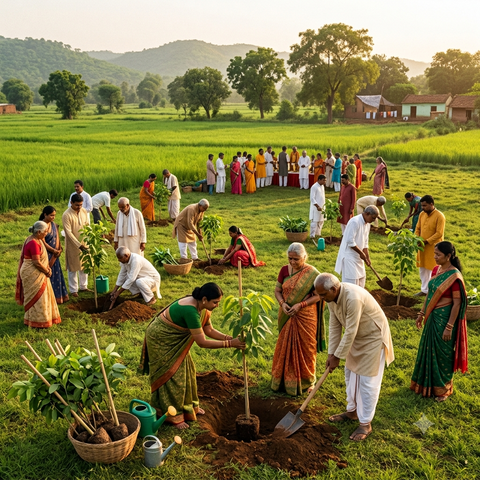
Tech companies and multinational corporations in Powai actively participate in environmental programs, including our Plant a tree in your Name initiative. These partnerships demonstrate how private sector involvement can accelerate environmental restoration efforts and support the goal of planting 100 crore trees across India.
Employee engagement programs encourage corporate teams to participate in lake cleaning activities and tree planting events. These hands-on experiences foster environmental consciousness while strengthening team bonds through meaningful community service.
The Future of Urban Ecology in Mumbai
Powai Lake serves as a blueprint for creating more green oases throughout Mumbai and other Indian cities. The success of this urban ecosystem proves that environmental conservation and urban development can thrive together. Our vision includes replicating this model in other metropolitan areas to create a network of urban green spaces.
Future expansion plans include creating green corridors that connect Powai Lake with other urban forests and parks. These ecological networks will provide wildlife migration routes while extending environmental benefits across larger urban areas. Technology integration through our GeoTag system will help monitor and protect these expanded green spaces.
Climate change mitigation requires urgent action, and urban green spaces like Powai Lake play a vital role in this effort. By 2030, we aim to establish similar ecological havens in major Indian cities, supporting our mission of Combating Climate Change Through Collective Action.
Frequently Asked Questions
What makes Powai Lake special compared to other Mumbai lakes?
Powai Lake stands out due to its successful integration of urban development with environmental conservation. The lake supports over 150 bird species and provides significant cooling effects for the surrounding area, making it Mumbai's premier urban ecological sanctuary.
How does Powai Lake contribute to Mumbai's environmental health?
The lake acts as a natural air purifier, carbon sink, and cooling system that reduces urban heat island effects. It also serves as a rainwater harvesting system that helps prevent urban flooding while supporting diverse wildlife populations.
Can visitors participate in conservation activities at Powai Lake?
Yes, we welcome visitors to join our regular clean-up drives, tree planting events, and environmental education programs. Our 2-3ft Tree Planting + 3 Years Care + GeoTag program allows individuals to contribute directly to the lake's green cover expansion.
What wildlife can be spotted around Powai Lake?
Visitors can observe over 150 bird species including flamingos, herons, kingfishers, and various migratory waterfowl. The area also supports small mammals, butterflies, and diverse plant species that create a thriving urban ecosystem.
How do corporate partnerships support Powai Lake conservation?
Local companies participate in our environmental programs through employee engagement activities, funding tree plantation projects, and implementing sustainable practices. These partnerships help businesses achieve their Net Zero Targets while contributing to community environmental health.
What role does Powai Lake play in climate change mitigation?
The lake and its surrounding vegetation absorb carbon dioxide, produce oxygen, and regulate local temperatures. These functions contribute to Mumbai's climate resilience while demonstrating how urban green spaces can support global climate action goals.
Are there educational programs available at Powai Lake?
We regularly conduct nature education workshops, birdwatching sessions, and environmental awareness programs for schools and community groups. These initiatives help build environmental consciousness while showcasing the lake's ecological importance.
How can individuals support Powai Lake's conservation efforts?
Individuals can participate by joining our tree planting programs for just ₹299, participating in clean-up activities, and spreading awareness about urban ecology. Every contribution helps maintain this vital green oasis for future generations.Powai Lake represents the future of urban ecology in India, demonstrating how cities can nurture natural ecosystems while meeting development needs. This green oasis continues to inspire environmental action and community engagement, proving that together we can create sustainable urban environments. Discover how you can contribute to urban forest conservation and help us plant more trees in Mumbai's green spaces.
Lake, pond and beach programmes with Grow Billion Trees
Grow Billion Trees runs lake and pond restoration, beach clean-ups and waste management programmes for companies, together with our implementation partner, and plants native trees around restored water bodies. These programmes can be structured as CSR projects.
- Lake restoration programme
- Pond restoration programme
- All programme guides by city and state
- CSR rules for tree plantation
Talk to our team about a programme for your company.