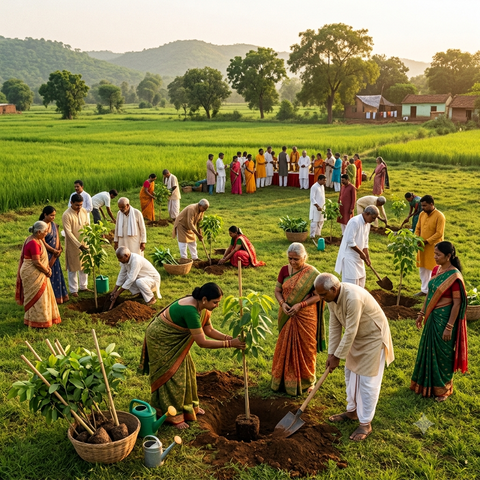
Rewalsar Lake in Himachal Pradesh is sacred to Hindu, Buddhist, and Sikh communities. These three faiths coexist peacefully at this site. Environmental conservation and religious devotion are connected here.
The Sacred Waters of Rewalsar Lake ✅
Rewalsar Lake is a sacred site in the Mandi district. It has spiritual significance and attracts pilgrims. Local communities have preserved this ecosystem for centuries through traditional conservation practices.
The floating islands of Rewalsar Lake present a unique ecological phenomenon that attracts both scientists and pilgrims. These islands consist of organic matter and vegetation that moves across the water surface with changing winds. We found these natural formations support various plant species and provide nesting grounds for migratory birds.
According to the United Nations Environment Programme, wetland ecosystems like Rewalsar Lake play crucial roles in biodiversity conservation and climate regulation. The surrounding forests contribute to the lake's health by preventing soil erosion and maintaining water quality.
Three Faiths United: Religious Harmony at Rewalsar 🕉️
Hindu devotees revere Rewalsar Lake as the meditation site of Sage Lomas, who performed penance here for thousands of years. The Lomas Rishi Temple overlooks the lake, offering panoramic views of the sacred waters. Pilgrims believe that circumambulating the lake brings spiritual purification and blessings.
Buddhist traditions connect Rewalsar Lake with Guru Padmasambhava, the founder of Tibetan Buddhism. The monastery complex houses precious artifacts and provides meditation spaces for practitioners. Our team observed how Buddhist monks maintain the surrounding gardens using organic farming methods that protect the lake's ecosystem.
Sikh history honors Guru Gobind Singh, who visited Rewalsar Lake during his travels through the Himalayas. The gurudwara near the lake serves free meals to all visitors regardless of their faith. This tradition of selfless service demonstrates the universal values that unite all three religious communities.
Environmental Conservation Through Faith-Based Initiatives 🌱
The three religious communities at Rewalsar Lake collaborate on environmental protection initiatives that serve as models for sustainable development. Temple committees, monastery management, and gurudwara trustees work together to prevent pollution and maintain ecological balance. These efforts align with global sustainability goals and demonstrate how spiritual values can drive environmental action.
Local conservation programs focus on protecting the lake's watershed through reforestation and sustainable agriculture practices. These programs provide alternative livelihoods for local families while preserving the natural habitat.
The United Nations Sustainable Development Goals emphasize the importance of protecting water resources and promoting sustainable communities. Rewalsar Lake exemplifies how religious institutions can contribute to these global objectives through grassroots conservation efforts.
Biodiversity and Ecological Significance ⭐
Rewalsar Lake supports a rich ecosystem that includes over 50 species of birds, various fish species, and diverse aquatic plants. The lake serves as a stopover point for migratory birds traveling along the Central Asian Flyway. Birdwatchers can spot species like the common teal, pintail, and various types of ducks throughout the year.
The surrounding forests consist of pine, deodar, and oak trees that provide habitat for wildlife including leopards, bears, and numerous bird species. These forests act as natural carbon sinks, contributing to climate change mitigation.
Aquatic vegetation in the lake includes water lilies, lotus plants, and various submerged species that maintain water quality through natural filtration. The World Wildlife Fund's forest conservation initiatives recognize wetland-forest ecosystems like Rewalsar as critical for maintaining biodiversity and supporting local communities.
Sustainable Tourism and Community Development 💡
Rewalsar Lake attracts many visitors annually, creating economic opportunities for local communities while presenting conservation challenges. Sustainable tourism practices help protect the lake's ecological integrity while supporting local livelihoods.
Local homestays and eco-friendly accommodations provide authentic experiences for visitors while generating income for families. These establishments follow green building practices and waste management protocols that minimize environmental impact. Community-based tourism initiatives ensure that benefits reach all stakeholders in the region.
Visitor education programs at Rewalsar Lake teach guests about the site's religious significance and ecological importance. Interactive displays and guided tours help tourists understand how their actions can support conservation efforts. We ensure that every visitor leaves with greater awareness of environmental stewardship and interfaith harmony.
Plant a Tree in Your Name: Supporting Rewalsar's Ecosystem
Grow Billion Trees partners with local communities around Rewalsar Lake to expand forest cover and protect watershed areas. Our 2-3ft Tree Planting + 3 Years Care + GeoTag program allows supporters to contribute directly to ecosystem restoration. Each tree planted helps stabilize soil, improve water quality, and provide habitat for wildlife.
Corporate partners working toward Net Zero Targets can support reforestation projects in the Rewalsar region through our specialized programs. These initiatives combine traditional knowledge with modern technology to ensure high survival rates and measurable environmental impact. Plant a tree in your Name for ₹299 and contribute to preserving this sacred landscape for future generations.
Our Miyawaki forest creation method proves particularly effective in the Himalayan climate, establishing dense native forests that mature quickly and support diverse wildlife. Companies can explore our corporate environmental programs to achieve sustainability goals while supporting local communities around Rewalsar Lake.
Climate Change Impact and Adaptation Strategies ⚠️
Climate change poses significant challenges to high-altitude ecosystems like Rewalsar Lake, with rising temperatures affecting water levels and species distribution. Local communities and religious institutions collaborate on adaptation strategies that build resilience against these changes.
Traditional water harvesting techniques combined with modern conservation methods help maintain stable water levels throughout the year. The United Nations Climate Change initiative recognizes community-based adaptation as essential for protecting vulnerable ecosystems and the people who depend on them.
Reforestation efforts around the lake focus on climate-resilient native species that can withstand temperature fluctuations and changing rainfall patterns. These plantations create microclimates that moderate local weather conditions and provide additional protection for the lake ecosystem. Our team works with local experts to select appropriate species for different elevation zones.
Frequently Asked Questions
What makes Rewalsar Lake sacred to three different religions?
Rewalsar Lake holds significance for Hindus as the meditation site of Sage Lomas, for Buddhists as connected to Guru Padmasambhava, and for Sikhs through Guru Gobind Singh's visit. Each faith has established places of worship around the lake, creating a unique interfaith pilgrimage destination.
When is the best time to visit Rewalsar Lake?
The ideal visiting period extends from March to October when weather conditions remain pleasant and accessible. Monsoon season (July-September) brings lush greenery but may affect road conditions. Winter months offer serene beauty but require warm clothing due to high altitude.
How can visitors contribute to Rewalsar Lake's conservation?
Visitors can support conservation by following eco-friendly practices, participating in tree planting programs, staying in sustainable accommodations, and respecting religious customs. Grow Billion Trees offers opportunities to Plant a tree in your Name and contribute to watershed protection around the lake.
What wildlife can be observed at Rewalsar Lake?
The lake ecosystem supports over 50 bird species including migratory waterfowl, various fish species, and surrounding forests host leopards, bears, and numerous smaller mammals. Birdwatching opportunities peak during migration seasons in spring and autumn.
Are there accommodation options near Rewalsar Lake?
Multiple accommodation options include government guesthouses, private hotels, monastery stays, and community homestays. Eco-friendly establishments provide comfortable stays while supporting local communities and environmental conservation efforts.
How does Rewalsar Lake contribute to climate change mitigation?
The lake and surrounding forests act as carbon sinks, storing significant amounts of carbon dioxide. Wetland ecosystems also regulate local climate, support biodiversity, and provide natural water filtration services that benefit downstream communities.
What role do religious institutions play in lake conservation?
Hindu temples, Buddhist monasteries, and Sikh gurudwaras collaborate on environmental protection initiatives including waste management, pollution prevention, and community education. These institutions demonstrate how spiritual values can drive effective conservation action.
Can corporate groups organize environmental programs at Rewalsar Lake?
Yes, corporate teams can participate in tree planting, watershed restoration, and sustainability education programs around Rewalsar Lake. These activities support Net Zero Targets while providing meaningful team-building experiences in a spiritually significant location.Rewalsar Lake represents the beautiful harmony possible when diverse communities unite for common purposes. This sacred destination offers visitors the opportunity to experience spiritual peace while contributing to environmental conservation. Through programs like Plant a tree in your Name, we can ensure that future generations will continue to find inspiration and tranquility at this remarkable intersection of faith and nature. Discover how you can contribute to preserving sacred landscapes like Rewalsar Lake and join our mission of Combating Climate Change Through Collective Action.
Lake, pond and beach programmes with Grow Billion Trees
Grow Billion Trees runs lake and pond restoration, beach clean-ups and waste management programmes for companies, together with our implementation partner, and plants native trees around restored water bodies. These programmes can be structured as CSR projects.
- Lake restoration programme
- Pond restoration programme
- All programme guides by city and state
- CSR rules for tree plantation
Talk to our team about a programme for your company.