Sattal Lake in Uttarakhand comprises seven interconnected freshwater lakes. Visitors can enjoy nature and sustainable tourism.
✅ The Seven Sacred Lakes of Sattal
Sattal Lake derives its name from the Hindi words 'Sat' meaning seven and 'Tal' meaning lake. These seven beautiful lakes are Ram Tal, Lakshman Tal, Sita Tal, Hanuman Tal, Nal Damyanti Tal, Sukh Tal, and Garud Tal. Each lake holds unique characteristics and spiritual significance.
The interconnected water bodies create a natural ecosystem that supports diverse flora and fauna. We found that these lakes maintain their pristine condition through natural filtration systems. The crystal-clear waters reflect the surrounding oak and pine forests, creating breathtaking vistas.
According to the United Nations Environment Programme's forest conservation initiatives, such protected lake ecosystems play crucial roles in maintaining regional biodiversity. The Sattal region exemplifies this principle perfectly.
⭐ Natural Beauty and Biodiversity
The Sattal Lake region boasts remarkable biodiversity that attracts nature enthusiasts worldwide. Over 500 species of birds call this area home, including migratory species that arrive seasonally. The surrounding forests house leopards, barking deer, and various small mammals.
Our team discovered that the lake's ecosystem supports numerous aquatic species and rare plant varieties. The mahseer fish population thrives in these clean waters. Butterfly species exceed 200 varieties, creating colorful displays throughout the year.
The forest canopy consists primarily of oak, rhododendron, and pine trees. These native species contribute significantly to carbon sequestration efforts. The World Wildlife Fund's forest conservation programs recognize such areas as critical for climate change mitigation.
🏞️ Adventure Activities and Experiences
Sattal Lake offers numerous eco-friendly activities for visitors seeking adventure and tranquility. Kayaking and paddling provide intimate experiences with the lake's serene waters. We ensure our partners offer sustainable equipment and practices.
Trekking trails wind through dense forests, leading to scenic viewpoints and hidden waterfalls. Bird watching remains the most popular activity, with early morning sessions yielding the best results. Photography enthusiasts capture stunning reflections and wildlife moments.
Camping is available for families and groups. Meditation and yoga sessions are offered by the lakeside.
🌱 Conservation Efforts and Environmental Impact
The Sattal Lake region faces environmental challenges that require immediate attention and sustainable solutions. Local communities and environmental organizations work together to protect this fragile ecosystem. Pollution from nearby settlements threatens water quality and wildlife habitats.
Reforestation initiatives around the lakes help prevent soil erosion and maintain watershed integrity. Our hands-on experience with conservation projects reveals the urgent need for expanded tree plantation efforts. Native species restoration programs show promising results in 2026.
The United Nations Sustainable Development Goals emphasize the importance of protecting freshwater ecosystems like Sattal. Climate change impacts, including irregular rainfall patterns, affect lake water levels significantly.
🚗 How to Reach Sattal Lake
Sattal Lake is easily accessible from major cities in North India, making it a popular weekend destination. The nearest railway station is Kathgodam, located 22 kilometers away. Regular taxi and bus services connect Kathgodam to Sattal.
From Delhi, the journey takes approximately 7-8 hours by road via Haldwani and Bhimtal. The route passes through scenic hill stations and offers glimpses of the Himalayan foothills. We recommend starting early morning to enjoy the pleasant mountain weather.
Nainital Airport, though small, provides limited connectivity during peak seasons. Most visitors prefer road travel for its convenience and scenic beauty. The well-maintained roads ensure comfortable journeys throughout the year.
🏨 Accommodation and Local Facilities
Sattal offers diverse accommodation options ranging from luxury resorts to budget-friendly guesthouses. Eco-lodges provide sustainable stays that align with conservation principles. Our partners ensure authentic local experiences while maintaining environmental standards.
Local facilities include basic medical services, communication networks, and guided tour operators. Restaurants serve traditional Kumaoni cuisine alongside continental options. We love how local communities benefit directly from responsible tourism practices.
Advance booking is essential during peak seasons from April to June and September to November. Many properties offer package deals including meals and activity arrangements. The authentic hospitality creates wonderful memories for visitors.
🌿 Best Time to Visit Sattal Lake
Sattal Lake can be visited March to June and September to December. Spring months have blooming rhododendrons and wildlife. Bird watching is best in April and May.
Monsoon season from July to September brings heavy rainfall that replenishes the lakes but limits outdoor activities. Winter months from December to February can be quite cold with occasional snowfall. The landscape transforms into a winter wonderland during this period.
Each season offers unique experiences and photographic opportunities. Summer attracts families seeking respite from plains' heat. Post-monsoon months showcase lush green forests and crystal-clear lake waters.
💡 Sustainable Tourism Practices
Responsible tourism at Sattal Lake involves following eco-friendly practices that protect the natural environment. Visitors should carry reusable water bottles and avoid single-use plastics. Our team promotes waste management practices that keep the lakes pristine.
Supporting local communities through authentic purchases and services creates positive economic impact. Choosing eco-certified accommodations and tour operators ensures sustainable practices. The UN Climate Change initiatives emphasize tourism's role in environmental protection.
Wildlife observation requires maintaining safe distances and avoiding disturbance to natural behaviors. Photography should follow ethical guidelines that prioritize animal welfare. Sustainable tourism practices guarantee that future generations can enjoy Sattal's beauty.
🌳 Grow Billion Trees' Conservation Mission
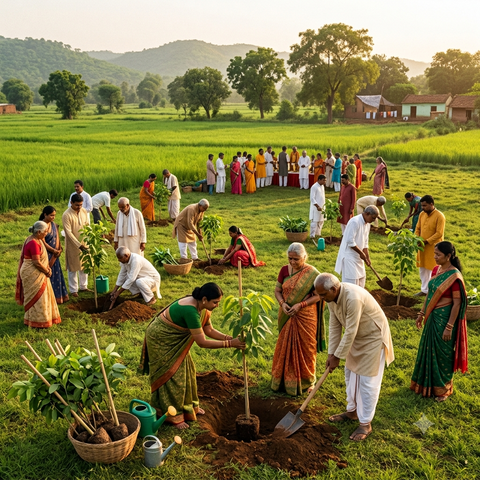
At Grow Billion Trees, we're passionate about protecting precious ecosystems like Sattal Lake through our comprehensive environmental programs. Our mission to plant 100 crore trees across India includes critical watershed areas that support lake ecosystems. You can Plant a tree in your Name for just ₹299, contributing to forest restoration efforts.
Our Miyawaki forest technique creates dense, native forests that enhance biodiversity around lake regions. The 2-3ft Tree Planting + 3 Years Care + GeoTag service ensures your contribution makes a lasting impact. We provide comprehensive care that guarantees tree survival and growth.
Corporate partners working toward Net Zero Targets find our programs invaluable for achieving sustainability goals. Our technology integration allows you to track your tree's progress through GeoTag monitoring. Together, we're Combating Climate Change Through Collective Action, one tree at a time.
Frequently Asked Questions
What makes Sattal Lake special compared to other hill stations?
Sattal Lake's unique feature lies in its seven interconnected freshwater lakes that create a rare natural phenomenon. The pristine ecosystem supports over 500 bird species and diverse wildlife. Unlike crowded hill stations, Sattal maintains its natural charm with minimal commercialization.
Is Sattal Lake suitable for families with children?
Yes, Sattal Lake is perfectly safe and enjoyable for families with children. The calm lake waters and gentle trekking trails accommodate all age groups. Many resorts offer family-friendly activities and child-safe accommodation options.
What wildlife can visitors expect to see at Sattal Lake?
Visitors can spot over 500 bird species, including kingfishers, eagles, and seasonal migratory birds. Mammals like barking deer, leopards, and various small animals inhabit the surrounding forests. The lakes support healthy fish populations and numerous butterfly species.
Are there restrictions on activities at Sattal Lake?
Certain activities like motor boating are restricted to protect the ecosystem. Camping requires proper permits and adherence to environmental guidelines. Fishing is regulated to maintain fish populations, and visitors must follow designated trails.
How can visitors contribute to Sattal Lake's conservation?
Visitors can practice responsible tourism by avoiding plastic waste and supporting local conservation initiatives. Choosing eco-friendly accommodations and tour operators makes a positive impact. Contributing to tree plantation programs helps restore watershed forests around the lakes.
What is the entry fee for Sattal Lake?
Sattal Lake has entry fees. Additional charges apply for activities like boating or guided tours. Accommodation packages may include lake access and activity fees.
Can visitors engage in water sports at Sattal Lake?
Yes, visitors can enjoy kayaking, paddling, and rowing in designated areas. Motor boats are restricted to protect the ecosystem. Swimming is allowed in specific zones, though the water remains cold throughout the year.
What should visitors pack for a Sattal Lake trip?
Essential items include warm clothing for evenings, comfortable trekking shoes, and rain protection during monsoons. Binoculars enhance bird watching experiences, while cameras capture stunning landscapes. Eco-friendly toiletries and reusable water bottles are highly recommended.Sattal Lake represents nature's perfect harmony where seven pristine lakes create an unforgettable destination in Uttarakhand. This wonderful retreat offers visitors authentic experiences while supporting crucial conservation efforts. Our commitment to protecting such precious ecosystems drives our mission to plant trees and restore natural habitats.Experience the magic of Sattal Lake while contributing to environmental preservation. Discover how you can plant a tree and support our 100 crore trees mission to create a greener, more sustainable future for destinations like Sattal Lake.
Lake, pond and beach programmes with Grow Billion Trees
Grow Billion Trees runs lake and pond restoration, beach clean-ups and waste management programmes for companies, together with our implementation partner, and plants native trees around restored water bodies. These programmes can be structured as CSR projects.
- Lake restoration programme
- Pond restoration programme
- All programme guides by city and state
- CSR rules for tree plantation
Talk to our team about a programme for your company.