

Silox India Commitment to Biodiversity and Ecosystem Restoration
Silox India Private Limited, a Joint Venture between Transpek Industry Limited, India and Silox, S.A. Belgium, reflects a strong commitment to science Read more
Digital Forest
Forest with 20,000 Trees planned
Want to plant your tree now?
Plant a Tree @ 299Silox India Commitment to Biodiversity and Ecosystem Restoration
Silox India Private Limited, a Joint Venture between Transpek Industry Limited, India and Silox, S.A. Belgium, reflects a strong commitment to science-led sustainability and responsible industrial growth in the global inorganic chemical sector. Extending this philosophy beyond manufacturing, the company has initiated a Miyawaki tree-plantation programme to restore ecological balance and strengthen local green infrastructure.
Through this initiative, dense clusters of native tree species are planted using the Miyawaki method to rapidly develop mini-forests that enhance biodiversity and accelerate natural ecosystem regeneration. The focus is on improving the region’s green belt cover while creating self-sustaining habitats that support birds, insects, and small wildlife.
By expanding canopy density and restoring natural vegetation, the initiative contributes to cleaner air, reduced heat stress, and improved soil health. It also helps build climate resilience in surrounding communities, aligning environmental restoration with long-term sustainability goals.
This Miyawaki plantation effort represents Silox India’s broader vision of giving back to nature, creating healthier ecosystems today while leaving behind a greener, more resilient legacy for future generations.
Project Planning & Execution
No of Trees: 20,000
Plantation Location: Dolara, Silvasa, Daman and Diu - 396230
Plantation Duration: 2nd June Onwards
Beneficiaries Details
-
Target Population: Villagers of Dolara, local community members, and volunteers involved in the project.
-
Age Group: All age groups, with a focus on children, adults, and seniors.
-
Gender: Inclusive of all genders
-
Social & Economic Status: Open to all social and economic backgrounds, with a focus on community participation.
Planting Methodology and Its Advantages
Miyawaki Technique: The Miyawaki technique is a dense afforestation method that promotes rapid green cover using native plant species. It consists of rapidly growing vegetation that develops 10 times faster and becomes 30 times denser than conventional plantations. By closely planting a diverse mix of flora, it creates a self-sustaining ecosystem that requires minimal maintenance. This method enhances biodiversity, improves air quality, absorbs carbon dioxide, and restores degraded land. Due to its high-density plantation style, it is especially effective in urban areas, offering environmental benefits such as temperature regulation, noise reduction, and soil enrichment.
Four-Step Process of Planting a Miyawaki Forest:
1. Preparation and Analysis
-
Site Analysis: Begin with a thorough analysis of the site, considering factors like soil type, water availability, and sunlight exposure. This analysis guides the selection of native plant species best suited for the location.
-
Soil Preparation: Clear the area of weeds and debris. Loosen the soil by tilling and amend it with organic compost to enhance fertility and moisture retention.
2. Plant Selection and Planting
-
Plant Selection: Choose native plant species that are fast-growing, drought-resistant, and indigenous to the region. Diversity is crucial to mimic natural forests and promote ecological balance.
-
Planting Technique: Dig pits or trenches for planting saplings, ensuring each has enough space to grow. Plant at a high density, typically 3 to 5 times denser than traditional forests.
3. Care and Maintenance
-
Mulching: Apply a thick layer of mulch around the saplings to suppress weeds, conserve moisture, and protect the soil from erosion. Mulch also enriches the soil as it decomposes.
-
Watering: Initially, saplings need regular watering to establish their roots. Once established, they require less frequent watering, but regular monitoring remains essential.
4. Monitoring and Growth
-
Regular Maintenance: Perform regular weeding, pruning, and pest control during the initial years. Miyawaki forests become self-sustainable as they mature but still require occasional maintenance.
-
Monitoring: Keep track of the forest's growth and health, monitoring for signs of stress, disease, or pest infestations and taking timely action when needed.
Four Layers of a Miyawaki Forest
The Miyawaki method emphasizes creating a multi-layered forest that mimics natural forests to achieve rapid growth and high biodiversity. Here are the four layers typically found in a Miyawaki forest:
-
Canopy Layer: This topmost layer consists of tall trees that provide the canopy. These trees are usually fast-growing species that can reach heights of 15 to 30 meters or more. They offer shade and protection to the layers below.
-
Tree Layer: Beneath the Canopy layer is the tree layer, consisting of smaller trees and larger shrubs. These plants help fill in the gaps between the taller trees, contributing to the dense foliage that characterizes a mature forest.
-
Shrub Layer: Below the canopy, the shrub layer includes smaller shrubs and bushes that provide additional structure and diversity to the forest. These plants play a vital role in attracting pollinators and providing habitat for various wildlife.
-
Ground Layer: The lowest layer is the ground layer, comprising ground covers, ferns, and herbaceous plants. These plants help to retain moisture, suppress weeds, and protect the soil. They also contribute to the overall biodiversity by providing habitat for insects and microorganisms.


Each layer in a Miyawaki forest serves a unique purpose and contributes to the forest's resilience, biodiversity, and ecological functionality.
Advantages of the Miyawaki Technique
-
Faster Growth: Vegetation grows up to 10 times faster than conventional methods due to high-density planting, soil conditioning, and native species selection. It reaches maturity in 20-30 years instead of over a century, making it highly effective for ecological restoration.
-
Biodiversity Enhancement: The technique encourages a diverse mix of native species, supporting wildlife such as birds, insects, and small mammals, contributing to habitat restoration and ecosystem resilience.
-
Sustainability: After the initial 3 years, these green spaces become self-sustaining, requiring minimal intervention. Natural mulch helps retain moisture and suppresses weed growth, making maintenance cost-effective.
-
Soil Health Improvement: Organic matter decomposition enhances soil fertility, while root systems aerate the ground, improving water retention and preventing erosion, especially in degraded or sloped areas.
-
Microclimate Regulation: The dense vegetation reduces heat absorption, increases moisture release, and combats the urban heat island effect, improving air quality and energy efficiency in nearby structures.
-
Space Efficiency: This method allows for high-density planting in small areas, making it ideal for urban spaces, schools, and community parks, even on degraded land.
-
Ecosystem Restoration: By using native species, these forests seamlessly reintegrate with local ecosystems, supporting pollinators and maintaining ecological balance.
-
Low Water Consumption: Once established, the dense planting and bio mulch help retain moisture, reducing the need for frequent watering, making it a sustainable solution even in water-scarce regions.
Conclusion Elements
Indirect Impact
Community Impact
-
Environmental Awareness: Involving local communities in the plantation drive fosters greater awareness about environmental conservation and encourages sustainable practices in daily life.
-
Employee Morale & Engagement: The initiative instilled a sense of pride, ownership, and teamwork, strengthening employees' connection to the company’s sustainability goals and fostering a culture of environmental responsibility.
-
Inspiration for Change: By showcasing the rapid, dense growth of Miyawaki forests, this project has inspired organizations, institutions, and local communities to adopt this innovative afforestation method, thereby encouraging widespread urban greening and ecological restoration.
-
Cultural Shift: The initiative cultivated a long-term sustainability mindset, encouraging participants to become advocates for green practices in both their personal and professional lives.
-
Enhanced Community Collaboration: Strengthened ties between corporate stakeholders, local authorities, and environmental groups, creating a collaborative approach to sustainability.
Environmental Impact
-
Biodiversity Conservation - By introducing native plant species, the project supports local wildlife, including birds, insects, and pollinators, thereby fostering a healthier, more diverse ecosystem.
-
Carbon Sequestration – The planted trees act as natural carbon sinks, absorbing carbon dioxide and helping mitigate climate change by reducing greenhouse gas emissions.
-
Air Purification – Trees filter pollutants such as carbon monoxide, nitrogen oxides, and particulate matter, improving air quality and promoting a healthier environment.
-
Microclimate Regulation – The plantation reduces the urban heat island effect, cooling the surrounding area and helping regulate temperatures, making urban environments more comfortable.
-
Water Conservation - The bio-mulch created by the plantation helps retain soil moisture, reducing the need for frequent watering and promoting more efficient water use across the ecosystem.
-
Soil Health Improvement – The plantation enriches soil fertility by adding organic matter, improving soil structure, and supporting surrounding vegetation.
-
Erosion Prevention – Tree roots stabilize the soil, preventing erosion from wind and water and helping protect infrastructure, roads, and green spaces.
- Noise Reduction – Green spaces act as natural sound barriers, reducing noise pollution and creating a quieter, more peaceful environment.
Achievements
SDG Goals Achieved Through Miyawaki Plantation
-
SDG 3 (Good Health and Well-Being): Tree plantations and Miyawaki forests improve air quality and provide natural spaces that support physical and mental well-being. Silox India Private Limited’s efforts enhance public health by creating greener, healthier environments for communities, contributing to overall well-being.
-
SDG 6 (Clean Water and Sanitation): Tree plantations play a vital role in water conservation by improving groundwater recharge, reducing surface runoff, and naturally filtering water. These initiatives support sustainable water management, helping ensure cleaner, healthier water systems in rural and semi-urban areas.
-
SDG 8 (Decent Work and Economic Growth): The farmer engagement program, where communities actively participate in tree planting, fosters a culture of sustainability. This initiative aligns with Silox India Private Limited’s commitment to environmental responsibility, promotes sustainable livelihoods, and contributes to economic growth in the local community.
-
SDG 9 (Industry, Innovation, and Infrastructure): The plantation initiatives employ innovative techniques, including Miyawaki forests, and the selection of native species. These practices enhance land-use efficiency and ecological infrastructure, fostering eco-friendly innovations in environmental management.
-
SDG 10 (Reduced Inequalities): The initiatives promote inclusivity by involving diverse stakeholders, including small-scale and marginalized farmers, in the implementation and maintenance of plantations. This approach ensures equitable benefits and opportunities, reducing social and economic disparities.
-
SDG 11 (Sustainable Cities and Communities): Through Miyawaki initiative, Silox India Private Limited helps build more resilient and sustainable communities. The trees mitigate air pollution, reduce local heat island effects, and improve living conditions, fostering a more sustainable environment.
-
SDG 12 (Responsible Consumption and Production): Silox India Private Limited's tree-planting efforts emphasize sustainable resource management. By planting native and fruit-bearing trees, the company promotes environmental responsibility, ensuring that production and land-use practices align with global sustainability standards.
-
SDG 13 (Climate Action): By planting trees across project sites, Silox India Private Limited directly addresses climate change. The trees sequester carbon dioxide, helping to mitigate the company’s carbon footprint and contributing to broader climate action efforts.
-
SDG 15 (Life on Land): Silox India Private Limited's initiatives protect and restore ecosystems, promote biodiversity, and support sustainable land use. These efforts conserve terrestrial ecosystems and improve the health of natural habitats in rural areas.
-
SDG 16 (Peace, Justice, and Strong Institutions): The initiative fosters community-led governance and inclusive decision-making, ensuring transparency and collaboration among stakeholders. This approach strengthens local institutions and supports sustainable development in the project areas.
-
SDG 17 (Partnerships for the Goals): Through strategic collaboration with Grow Billion Trees, Silox India Private Limited has successfully implemented the Miyawaki tree plantation initiative, promoting sustainable land-use practices that benefit both local communities and the environment. Grow Billion Trees provided expertise and resources to ensure the successful implementation of these initiatives. This partnership has empowered communities to take ownership of plantations, promoting sustainable practices that enhance ecological health and social well-being while advancing environmental goals.
ESG Achieved through Miyawaki Plantation
-
Environmental Impact: Silox India Private Limited is actively contributing to climate change mitigation through its tree plantation initiative. The Miyawaki forest developed at Dolara, Silvasa, Daman, and Diu enhances biodiversity, restores degraded land, and improves soil health. By planting dense clusters of native trees, the initiative strengthens local ecosystems, promotes groundwater recharge, and improves air quality. Each tree acts as a natural carbon sink, sequestering CO₂ and helping reduce greenhouse gas emissions. This afforestation effort aligns with the company’s broader sustainability goals, ensuring long-term ecological restoration and environmental resilience in the region.
-
Social Impact: Silox India Private Limited places strong emphasis on community participation and employee engagement in its ESG-driven initiatives. Local farmers and community members play a key role in maintaining the plantation, creating employment opportunities, and fostering a sense of ownership. The initiative promotes social well-being by transforming barren land into green, healthy spaces that enhance mental well-being, reduce heat stress, and improve quality of life. Through awareness programs and active involvement, the project fosters a culture of environmental responsibility, strengthening bonds among the company, employees, and the local community.
- Governance Impact: Silox India Private Limited upholds transparency, accountability, and ethical governance in its tree plantation activities. Partnering with Grow Billion Trees, the initiative ensures data-driven monitoring through geo-tagged plantations, real-time tracking, and progress updates. Regular internal audits and annual reports evaluate the project’s environmental, social, and economic outcomes, ensuring responsible implementation and alignment with the company’s ESG commitments. This governance framework reinforces Silox India Private Limited's dedication to sustainable growth, environmental leadership, and community development.
Building Communities
One of the most profound impacts of Silox India Private Limited's Miyawaki plantation initiative has been the spirit of unity and collaboration it fostered. By actively engaging employees, local communities, and volunteers, the project became more than a tree-planting drive—it evolved into a shared mission to create resilient, sustainable green spaces. This collective effort has strengthened environmental consciousness and encouraged long-term stewardship of natural resources.
-
Empowering Communities: This initiative engages employees and stakeholders in planting and maintenance. This involvement fosters a sense of ownership over the green spaces, empowering individuals to take responsibility for their environment. As participants contribute to the growth of their community’s green cover, they become more connected to their surroundings, building pride and a shared commitment to sustainability.
-
Fostering Meaningful Partnerships: The initiative brought together key stakeholders, including Silox India Private Limited, Grow Billion Trees, and local communities, demonstrating the power of collaboration in achieving lasting environmental and social change. These partnerships strengthened the collective commitment to sustainability, ensuring that afforestation efforts continue to thrive in the long run.
-
Inspiring a Ripple Effect: As the benefits of the Miyawaki plantation became evident, improved air quality, enhanced biodiversity, and increased community engagement, its impact extended beyond the immediate planting site. Local institutions, schools, and organizations have been inspired to replicate similar initiatives, amplifying the project's reach and promoting widespread urban greening.
This initiative stands as a testament to Silox India Private Limited's philosophy of building communities, proving that true environmental sustainability is not just about planting trees, but about nurturing awareness, fostering collaboration, and creating a shared vision for a healthier, greener, and more sustainable future.
Commitment by Grow Billion Trees
-
Ensuring Tree Survivability: GBT prioritizes native species, continuous monitoring, and improving soil health with organic fertilizers. These efforts ensure sustainable growth and benefit the farmers and communities.
-
Transparency & Accountability: GBT provides detailed reports on tree growth, survival rates, and carbon benefits, using geo-fencing and regular updates to maintain transparency and effectiveness.
-
Sustainable Plantation Efforts: GBT implements projects that balance environmental, social, and economic goals, addressing urban heat islands and degraded farmlands. These efforts promote ecological balance, livelihoods, and long-term climate resilience.
-
Enhancing Ecosystem Health: By selecting native species and creating diverse habitats, GBT enhances biodiversity and ecosystem resilience, ensuring long-term ecological health and supporting wildlife.
-
Long-Term Impact: GBT’s initiatives tackle environmental challenges, enhance rural livelihoods, foster climate resilience, and promote sustainable development while reducing carbon footprints.
Acknowledgment
We at Grow Billion Trees extend our deepest gratitude to all those who have contributed to the success of the Miyawaki Forest project in Dolara, Silvasa, Daman and Diu. This initiative, which has transformed a once barren space into a thriving green sanctuary, would not have been possible without the support and collaboration of dedicated individuals and organizations.
To Silox India Private Limited: We sincerely thank you for your unwavering commitment to environmental sustainability. Your vision for creating greener rural and semi-urban spaces and a more sustainable future has been the cornerstone of this project. Together, we have not only planted trees but have created a vibrant, living testament to the power of collective action in fostering a healthier planet.
To the Local Community: Your enthusiasm, dedication, and hard work have been the driving force behind the success of this Miyawaki forest initiative. By embracing this green transformation within the school campus, you have not only enriched the learning environment for students but also enhanced the overall quality of life in the region. Your collective efforts have turned this vision into a thriving reality, and we are deeply grateful for your active involvement and unwavering support.
To Our Partners and Volunteers: Your expertise, tireless commitment, and passion for creating sustainable, green spaces have been invaluable to the success of this initiative. From planning and planting to maintenance, your dedication has helped bring this forest to life. We are deeply grateful for your contribution to the success of this project.
Together, we have made significant strides in improving air quality, promoting biodiversity, and enhancing the well-being of the local community. The Miyawaki Forest in Dolara, Silvasa, stands as a symbol of our shared commitment to environmental stewardship and sustainability. This is only the beginning, and we look forward to continuing our partnership to create more green spaces and sustainable environments for future generations.
Thank you for your support and dedication.
Closing Remarks
The successful completion of the Miyawaki Forest plantation by Silox India Private Limited in Dolara, Silvasa, marks a significant step in the company’s ongoing commitment to environmental sustainability and purposeful growth. This initiative not only enhances the region’s green cover but also provides long-term benefits to the local community by promoting biodiversity, ecological restoration, and climate resilience.
By establishing a dense, native Miyawaki Forest, enriching soil fertility, supporting water conservation, and improving microclimatic conditions, this initiative strengthens the local ecosystem and delivers lasting environmental benefits. The area transformed into this dense forest will continue to contribute to biodiversity restoration, air quality improvement, and ecological balance for years to come.
As we celebrate this impactful milestone, we extend our heartfelt gratitude to Silox India Private Limited, the local community of Dolara, Silvasa, Daman, and Diu, our implementation partners, and everyone who contributed to this initiative. Your dedication and collaboration have been instrumental in making this forest a thriving, self-sustaining ecosystem.
This is just the beginning of a larger movement toward environmental stewardship. Together, we can continue planting hope, empowering communities, and creating a sustainable legacy for future generations.
Trees for Corporates - Achieve Net Zero Targets Through Strategic Tree Planting
-
 Project Closed
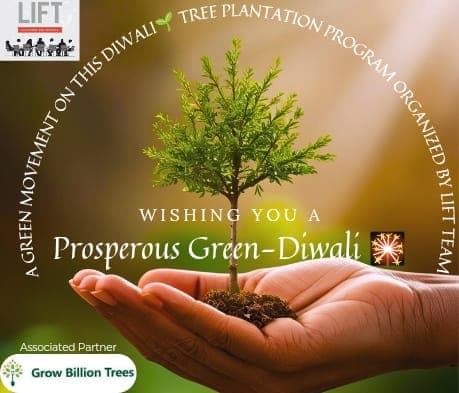
Trees by LIFT Team for Green Diwali: Transform Your Festival
Regular price ₹ 299Regular priceUnit price per -
Trees for a Greener Tomorrow - by Mahindra Lifespaces
Regular price ₹ 299Regular priceUnit price per -
Trees for Environment Day: Plant Your Impact on June 5th
Regular price ₹ 299Regular priceUnit price per -
Trees for Farmers: Sustainable Agroforestry Solutions for 2026
Regular price ₹ 299Regular priceUnit price per -
Trees for Employees: Transform Your Corporate Culture in 2026
Regular price ₹ 299Regular priceUnit price per

Trending Tree Plantations - Most Popular Environmental Programs
-
Trees for Birthday Celebration: Plant Meaningful Green Gifts
Regular price ₹ 299Regular priceUnit price per -
Trees for Mother
Regular price ₹ 299Regular priceUnit price per -
Trees as a Gift: Plant Hope & Create Lasting Environmental Impact
Regular price ₹ 299Regular priceUnit price per -
Trees to Honor the Memory of your Loved Ones
Regular price ₹ 299Regular priceUnit price per -
Trees for Women's Day (8th Mar)
Regular price ₹ 299Regular priceUnit price per


Most Popular Tree Plantations - Top Choices for Environmental Impact
-
Trees for Birthday Celebration: Plant Meaningful Green Gifts
Regular price ₹ 299Regular priceUnit price per -
Trees for Mother
Regular price ₹ 299Regular priceUnit price per -
Trees as a Gift: Plant Hope & Create Lasting Environmental Impact
Regular price ₹ 299Regular priceUnit price per -
Trees to Honor the Memory of your Loved Ones
Regular price ₹ 299Regular priceUnit price per -
Trees for Krishna on Janmashtami - Sacred Divine Gift ₹299
Regular price ₹ 299Regular priceUnit price per

- Choosing a selection results in a full page refresh.
- Opens in a new window.
