

The Council of EU Chambers of Commerce in India’s EcoCollab: Uniting B
The Council of EU Chambers of Commerce in India has taken a significant step toward sustainability with its tree plantation initiative in an agrofores Read more
Project Update 1


Digital Forest
Forest with 100 Trees planned
Want to plant your tree now?
Plant a Tree @ 299The Council of EU Chambers of Commerce in India’s EcoCollab: Uniting Business and Nature for a Sustainable Future
The Council of EU Chambers of Commerce in India has taken a significant step toward sustainability with its tree plantation initiative in an agroforest concept. This initiative aligns with its broader mission of fostering collaboration, innovation, and knowledge exchange between India and the European Union. The tree plantation event is part of the Summit-themed "Innovate, Collaborate & Educate, A New ERA for a Sustainable Future." By integrating agroforestry principles, this initiative contributes to environmental conservation while promoting sustainable business practices, enhancing farmers' livelihoods, and creating additional income resources through diversified agricultural activities.
The Summit focuses on two key discussions that reflect its commitment to long-term sustainability. The first panel, "Innovative Ways for Encouraging Student Mobility Between India & Europe," explores opportunities for cross-border academic exchanges, enriching education systems, and fostering cultural understanding. The second panel, "Developing a Sustainable, Green, and Well-Governed Ecosystem," delves into strategies for implementing environmentally responsible practices and governance frameworks to build a more inclusive and sustainable future.
Through this initiative, the Council of EU Chambers of Commerce in India aims to inspire action, strengthen partnerships, and empower businesses and individuals to contribute to a greener and more sustainable world.
Tree Plantation Date
7th March 2025
Plantation Location
Girvi, Phaltan, Satara, Maharashtra - 415523
Trees Planted
Total Count: 100 Trees
Forest Type: Agroforest
The Council of EU Chambers of Commerce in India, through its EcoCollab initiative, has launched a tree plantation drive based on the agroforest concept, reinforcing its commitment to sustainability and environmental stewardship. This initiative integrates trees with agricultural practices to enhance biodiversity, improve soil health, and support climate resilience. By promoting agroforestry, the chamber not only contributes to carbon sequestration and ecological balance but also strengthens rural economies by providing farmers with additional income sources through diversified crops and sustainable land use. This plantation drive aligns with the chamber’s broader mission of fostering collaboration, innovation, and knowledge exchange between India and the European Union, creating a greener and more prosperous future for all stakeholders.
Advantages of Agroforest
Environmental Conservation and Biodiversity Enhancement
The agroforest concept integrates tree plantation with agriculture, creating a balanced ecosystem that supports biodiversity. This initiative helps restore degraded land, improves soil fertility, and enhances water retention, making the land more productive while preserving natural habitats.
Climate Change Mitigation and Carbon Sequestration
By planting trees within agricultural landscapes, this initiative contributes to carbon sequestration, helping to reduce greenhouse gas emissions. Trees act as natural carbon sinks, improving air quality and mitigating the adverse effects of climate change.
Sustainable Livelihoods and Farmer Empowerment
Agroforestry provides farmers with diversified income opportunities by integrating fruit-bearing trees, timber, and medicinal plants with traditional crops. This approach ensures long-term economic stability for farmers while reducing dependency on single-crop farming.
Soil Health Improvement and Erosion Control
Tree roots help prevent soil erosion, improve water retention, and enhance soil organic matter. By maintaining soil health, agroforestry ensures better crop yields and long-term agricultural sustainability.
Water Conservation and Improved Groundwater Levels
The presence of trees in an agroforest system reduces water evaporation and increases groundwater recharge. This leads to improved water availability, benefiting both agriculture and local communities.
Enhanced Food Security and Nutritional Benefits
Agroforestry promotes the growth of a variety of crops, including fruits, nuts, and vegetables, leading to better food security and improved nutrition for local communities. The diverse produce supports both consumption and market sale.
Strengthening EU-India Collaboration for Sustainability
Through this initiative, the Council of EU Chambers of Commerce in India fosters international collaboration between India and the European Union. By promoting sustainable business practices and knowledge exchange, it strengthens partnerships focused on green innovation and environmental responsibility.
Resilient and Sustainable Agricultural Practices
Agroforestry makes farming systems more resilient to climate variability by reducing the risk of crop failure. The presence of trees protects crops from extreme weather conditions, ensuring stable agricultural production.
Corporate and Community Engagement in Green Initiatives
The tree plantation initiative encourages businesses, organizations, and local communities to actively participate in sustainability efforts. By fostering environmental awareness and corporate social responsibility, it inspires collective action toward a greener future.
Long-Term Ecological and Economic Benefits
Agroforestry is a long-term investment that benefits both the environment and the economy. Over time, planted trees provide timber, fodder, and non-timber forest products, supporting economic growth while maintaining ecological balance.
Activities During Tree Plantation
During the Council of EU Chambers of Commerce in India’s tree plantation initiative, all plantation activities were carried out by farmers, ensuring both environmental and economic benefits for local communities. The site was meticulously prepared in advance by the farmers, who cleared the land, enriched the soil, and dug pits to create optimal conditions for tree growth. On the day of the plantation, farmers carefully planted saplings in the pre-dug pits, ensuring proper spacing and alignment for healthy growth. Following the plantation, they watered the saplings to help them establish strong roots in their new environment. This initiative not only contributed to ecological restoration but also provided farmers with an opportunity to engage in sustainable agroforestry practices, reinforcing their role in environmental conservation and economic resilience.
Tree Plantation Purpose
Sustainable Development Goals (SDGs) Achieved Through the Council of EU Chambers of Commerce Tree Plantation Initiative in the Agroforest Concept:
1. SDG 2: Zero Hunger
Agroforestry enhances food security by promoting diversified farming, allowing farmers to grow a mix of food crops, fruits, and nuts alongside trees. This diversified approach improves agricultural productivity, increases farmer incomes, and ensures access to nutritious food for local communities. By integrating tree plantation with farming, the initiative strengthens rural food systems and contributes to a more resilient agricultural landscape.
2. SDG 3: Good Health and Well-being
The initiative contributes to cleaner air, improved water retention, and enhanced biodiversity, all of which positively impact human health. Agroforests also provide medicinal plants that can be used for natural healthcare solutions. By creating a healthier environment, the initiative reduces the risks of respiratory diseases and enhances overall well-being in surrounding communities.
3. SDG 6: Clean Water and Sanitation
Trees play a crucial role in maintaining water cycles by reducing surface runoff, improving groundwater recharge, and preventing soil erosion. This initiative supports water conservation efforts by stabilizing the soil and maintaining moisture levels, ensuring better water availability for agriculture and local communities. Agroforests also contribute to improved water quality by reducing pollution from soil erosion and chemical runoff.
4. SDG 8: Decent Work and Economic Growth
By involving farmers in the tree plantation process, the initiative provides them with sustainable employment opportunities and additional income sources. Agroforestry offers long-term economic benefits through the sale of fruits, timber, and non-timber forest products. This sustainable business model promotes economic growth while ensuring environmental protection and social well-being.
5. SDG 9: Industry, Innovation, and Infrastructure
The integration of agroforestry with modern agricultural techniques fosters innovation in sustainable land management. By promoting knowledge exchange between India and the European Union, the initiative supports the development of resilient agricultural infrastructure. Innovative agroforestry practices contribute to long-term sustainability in farming, ensuring productivity while preserving ecosystems.
6. SDG 11: Sustainable Cities and Communities
Agroforestry helps create greener landscapes, reduces urban heat effects, and improves air quality, contributing to more sustainable rural and urban communities. By maintaining tree cover and promoting ecological balance, the initiative enhances the resilience of communities to climate change while ensuring a healthier living environment for future generations.
7. SDG 12: Responsible Consumption and Production
The tree plantation initiative supports sustainable farming practices by promoting responsible land use and reducing dependency on chemical fertilizers. Agroforestry encourages the efficient use of natural resources while minimizing waste, ensuring that agricultural production aligns with environmental conservation goals. This approach fosters a circular economy where resources are managed sustainably.
8. SDG 13: Climate Action
Trees planted under this initiative absorb carbon dioxide, mitigating the impacts of climate change by reducing greenhouse gas emissions. Agroforestry enhances climate resilience by protecting soil, conserving water, and reducing the vulnerability of farmlands to extreme weather conditions. By promoting sustainable land use, this initiative supports global climate action efforts.
9. SDG 15: Life on Land
The initiative plays a vital role in restoring degraded land, preventing desertification, and enhancing biodiversity. Agroforestry supports wildlife habitats, increases soil fertility, and ensures a balanced ecosystem. By encouraging afforestation and sustainable land management, the initiative contributes to preserving natural resources for future generations.
10. SDG 17: Partnerships for the Goals
The Council of EU Chambers of Commerce’s partnership with Grow Billion Trees has played a crucial role in achieving SDG 17: Partnerships for the Goals by fostering collaboration between businesses, environmental organizations, and local farming communities. This partnership has facilitated large-scale agroforestry initiatives, leveraging expertise, resources, and networks to drive impactful tree plantation projects. By working together, both organizations have strengthened knowledge exchange, promoted sustainable land-use practices, and empowered farmers with economic opportunities through tree-based agriculture. The collaboration has also enhanced environmental conservation efforts while reinforcing EU-India trade relations through shared sustainability goals. Through this alliance, the Council of EU Chambers of Commerce and Grow Billion Trees are collectively driving long-term ecological and economic resilience, showcasing the power of global partnerships in building a greener, more sustainable future.
ESG Achieved Through The Council of EU Chambers of Commerce Tree Plantation Initiative in the Agroforest Concept:
Environmental Impact (E)
The tree plantation initiative contributes significantly to environmental conservation by enhancing biodiversity, improving air quality, and mitigating climate change through carbon sequestration. Agroforestry helps restore degraded land, prevent soil erosion, and improve water retention, leading to better groundwater recharge. The initiative also supports sustainable land management by reducing dependency on chemical fertilizers and pesticides, ensuring a healthier ecosystem. Integrating trees into agricultural landscapes fosters a balanced environment that supports both wildlife and agricultural productivity, promoting long-term ecological sustainability.
Social Impact (S)
This initiative empowers local farming communities by providing them with additional income sources and sustainable livelihoods. Engaging farmers in tree plantation activities, enhances their knowledge of agroforestry, equipping them with skills for long-term environmental stewardship. The initiative also strengthens community resilience by promoting food security, improving water availability, and fostering a cleaner, greener living environment. Moreover, by encouraging international collaboration, it supports cultural exchange and knowledge-sharing between India and the European Union, reinforcing the social fabric of both regions.
Governance Impact (G)
The initiative aligns with strong governance principles by promoting transparency, accountability, and ethical environmental practices. The partnership between The Council of EU Chambers of Commerce and Grow Billion Trees ensures responsible resource allocation, strategic decision-making, and adherence to sustainable development goals. By fostering collaborations between businesses, policymakers, and environmental organizations, the initiative encourages responsible corporate governance and policy advocacy for sustainability. Additionally, it demonstrates a commitment to corporate social responsibility (CSR), inspiring other organizations to adopt similar eco-conscious initiatives that contribute to a well-governed and sustainable future.
Commitment by Grow Billion Trees
Grow Billion Trees is committed to driving sustainable plantation efforts, ensuring every initiative aligns with key environmental objectives and promotes long-term ecological balance. We focus on selecting native tree species that are well-adapted to local ecosystems, ensuring a higher survival rate and stronger environmental impact.
To maintain plant health and longevity, Grow Billion Trees emphasizes continuous maintenance and regular monitoring of the plantations. This approach helps ensure that each tree thrives, contributing effectively to both biodiversity and climate resilience.
Transparency is a core principle in our operations. Clients receive comprehensive reports, including geo-tagging of planted trees, survival rate updates, and ongoing progress reports. This level of openness allows clients to track the direct impact of their contributions, reinforcing trust and accountability.
Through our dedication to sustainable practices, Grow Billion Trees ensures that every plantation project leaves a lasting positive footprint on both the environment and the local communities it serves.
Summary
The Council of EU Chambers of Commerce in India’s tree plantation initiative in the agroforest concept is a significant step towards environmental sustainability and community empowerment. Conducted in collaboration with Grow Billion Trees, this initiative integrates trees into agricultural landscapes to enhance biodiversity, restore degraded land, and combat climate change. Farmers played a central role, in preparing the site, planting saplings in pre-dug pits, and watering them to ensure growth. Beyond ecological benefits, the initiative supports local farmers by improving their livelihoods and providing additional income sources. It also strengthens partnerships between India and the European Union, fostering sustainable trade and environmental stewardship. By aligning with key ESG principles and multiple SDGs, this initiative promotes responsible land management, social well-being, and strong governance, contributing to a greener, more resilient future.
Trees for Corporates - Achieve Net Zero Targets Through Strategic Tree Planting
-
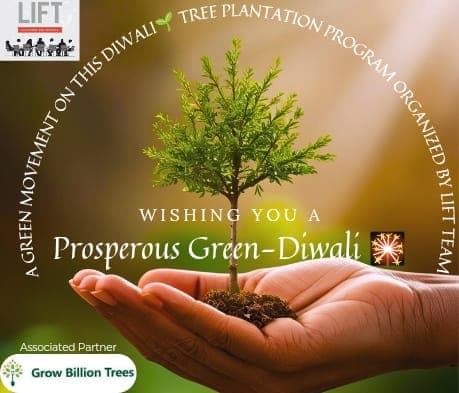 Project Closed
Trees by LIFT Team for Green Diwali: Transform Your Festival
Regular price ₹ 299Regular priceUnit price per -
Trees for a Greener Tomorrow - by Mahindra Lifespaces
Regular price ₹ 299Regular priceUnit price per -
Trees for Environment Day: Plant Your Impact on June 5th
Regular price ₹ 299Regular priceUnit price per -
Trees for Farmers: Sustainable Agroforestry Solutions for 2026
Regular price ₹ 299Regular priceUnit price per -
Trees for Employees: Transform Your Corporate Culture in 2026
Regular price ₹ 299Regular priceUnit price per

Trending Tree Plantations - Most Popular Environmental Programs
-
Trees for Birthday Celebration: Plant Meaningful Green Gifts
Regular price ₹ 299Regular priceUnit price per -
Trees for Mother
Regular price ₹ 299Regular priceUnit price per -
Trees as a Gift: Plant Hope & Create Lasting Environmental Impact
Regular price ₹ 299Regular priceUnit price per -
Trees to Honor the Memory of your Loved Ones
Regular price ₹ 299Regular priceUnit price per -
Trees for Women's Day (8th Mar)
Regular price ₹ 299Regular priceUnit price per


Most Popular Tree Plantations - Top Choices for Environmental Impact
-
Trees for Birthday Celebration: Plant Meaningful Green Gifts
Regular price ₹ 299Regular priceUnit price per -
Trees for Mother
Regular price ₹ 299Regular priceUnit price per -
Trees as a Gift: Plant Hope & Create Lasting Environmental Impact
Regular price ₹ 299Regular priceUnit price per -
Trees to Honor the Memory of your Loved Ones
Regular price ₹ 299Regular priceUnit price per -
Trees for Krishna on Janmashtami - Sacred Divine Gift ₹299
Regular price ₹ 299Regular priceUnit price per

- Choosing a selection results in a full page refresh.
- Opens in a new window.
