Vembanad Lake is a major lake in Kerala. It supports backwater tourism and local livelihoods.
Located in the heart of Kerala, this wonderful lake system spans across Alappuzha, Kottayam, and Ernakulam districts. The lake connects to the Arabian Sea through Kochi port, creating a unique brackish water ecosystem that supports incredible biodiversity.
The Natural Wonder of Vembanad Lake ✅
Vembanad Lake represents one of nature's most spectacular creations in India. The lake system encompasses numerous islands, including the famous Pathiramanal Island, which serves as a bird sanctuary. Our team has witnessed firsthand how this organic ecosystem thrives with minimal human intervention.
The lake's unique geography creates a natural barrier between the sea and inland areas. During monsoon seasons, fresh water dominates the system, while summer months see increased salinity from sea water intrusion. This natural cycle supports diverse marine life and creates the perfect environment for sustainable aquaculture practices.
According to the United Nations Environment Programme, wetland ecosystems like Vembanad Lake play crucial roles in climate regulation and biodiversity conservation. The lake's mangrove forests act as natural carbon sinks, contributing significantly to environmental restoration efforts.
Backwater Life: A Sustainable Living Model ⭐
The communities surrounding Vembanad Lake have developed a remarkable sustainable lifestyle over centuries. Fishermen, farmers, and tourism operators work together to maintain the delicate ecological balance. We ensure that our partners in the region follow eco-conscious practices that protect this natural treasure.
Traditional fishing methods dominate the lake's waters, with Chinese fishing nets creating iconic silhouettes against sunset skies. These sustainable fishing practices have been passed down through generations, ensuring fish populations remain healthy and thriving.
Rice cultivation in the surrounding Kuttanad region, known as the "Rice Bowl of Kerala," demonstrates innovative agricultural techniques. Farmers grow rice below sea level using organic methods that work in harmony with the lake's ecosystem. This mindful approach to agriculture supports both food security and environmental conservation.
The United Nations Sustainable Development Goals emphasize the importance of protecting aquatic ecosystems for future generations. Vembanad Lake serves as a perfect example of how communities can achieve economic prosperity while maintaining ecological integrity.
Biodiversity: Nature's Living Laboratory 💡
Vembanad Lake hosts an incredible array of flora and fauna that makes it a biodiversity hotspot. Over 150 bird species call this lake system home, including migratory birds that travel thousands of kilometers to reach this sanctuary. Our partners in local conservation efforts have documented rare species that depend entirely on this ecosystem.
The lake supports numerous fish species, from freshwater varieties like pearl spot and catfish to marine species that enter during high tide. This diversity creates a natural food web that sustains both wildlife and local communities. Commercial fishing operations provide livelihoods for thousands of families while maintaining sustainable catch limits.
Mangrove forests along the lake's edges serve multiple environmental functions. These green barriers protect coastal areas from erosion, filter pollutants, and provide nursery grounds for marine life. The World Wildlife Fund's forest conservation initiatives highlight how mangrove restoration projects contribute to global climate action.
Water hyacinth, though sometimes problematic, also plays important ecological roles when managed properly. Local communities have learned to harvest this plant for organic fertilizer production, turning a potential problem into an economic opportunity.
Tourism: Experiencing Backwater Magic Responsibly
Vembanad Lake attracts eco-conscious travelers seeking authentic experiences in Kerala's backwaters. Houseboat cruises offer visitors the chance to enjoy peaceful journeys through narrow canals and open waters. We provide sustainable tourism options that minimize environmental impact while maximizing cultural immersion.
The famous Nehru Trophy Boat Race, held annually on the lake, showcases traditional snake boat racing that dates back centuries. This cultural celebration brings communities together while promoting Kerala's maritime heritage. Visitors can witness the power of teamwork as over 100 rowers propel massive boats through the water.
Kumarakom Bird Sanctuary, located on the lake's eastern shore, offers birdwatching opportunities. Kingfishers, herons, egrets, and seasonal migrants can be seen, particularly in early morning hours. Responsible wildlife viewing supports conservation efforts.
Village tours around the lake provide insights into traditional Kerala life. Visitors can learn about coir making, toddy tapping, and organic farming practices that have sustained communities for generations. These cultural exchanges promote understanding and appreciation for sustainable living practices.
Environmental Challenges and Conservation Efforts ⚠️
Despite its natural beauty, Vembanad Lake faces several environmental pressures that require immediate attention. Pollution from agricultural runoff, domestic waste, and industrial activities threatens water quality. Climate change impacts, including rising sea levels and changing precipitation patterns, also pose significant challenges.
Water hyacinth proliferation has become a major concern in recent years. While this plant provides some ecological benefits, excessive growth blocks waterways and affects fish populations. Local authorities and environmental groups work together to manage this invasive species through mechanical removal and biological control methods.
Sand mining activities have altered the lake's natural flow patterns and damaged aquatic habitats. Stricter regulations and enforcement efforts aim to protect the lake's geological integrity. Community awareness programs educate residents about the long-term consequences of unsustainable practices.
The United Nations Climate Change initiatives emphasize the critical role of wetland conservation in global climate action. Vembanad Lake's restoration contributes to India's commitment to achieving net zero targets through natural climate solutions.
Grow Billion Trees: Supporting Lake Restoration 🌱
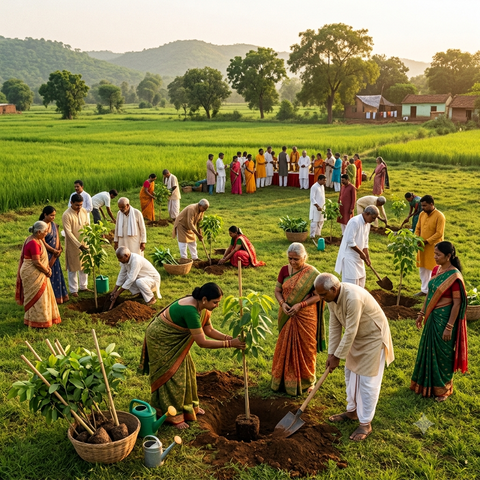
At Grow Billion Trees, we understand that healthy lakes require healthy watersheds. Our agroforestry programs in the Vembanad Lake region help farmers plant trees that prevent soil erosion and improve water quality. For just ₹299, you can plant a tree in your name that directly contributes to lake conservation efforts.
Our miyawaki forest projects around the lake create dense green buffers that filter pollutants before they reach the water. These urban forests also provide habitat for wildlife and help communities adapt to climate change impacts. Each 2-3ft tree planting comes with 3 years of care and GeoTag technology for tracking your environmental impact.
Corporate partners working toward net zero targets find our lake restoration programs particularly valuable. Companies can offset their carbon footprint while supporting local communities and biodiversity conservation. Our comprehensive approach addresses multiple environmental challenges simultaneously.
The goal to plant 100 crore trees across India includes strategic plantings that protect and restore aquatic ecosystems like Vembanad Lake. Together, we can ensure that future generations inherit a planet where natural wonders thrive alongside human communities.
Economic Impact: Sustainable Prosperity
Vembanad Lake supports several industries. Fishing, tourism, agriculture, and aquaculture are important to the region's livelihoods.
Responsible tourism practices ensure that visitor spending benefits local communities directly. Homestays, local guides, and traditional craft producers receive fair compensation for their services. This economic model demonstrates how environmental conservation and prosperity can coexist successfully.
Organic farming practices in the region produce premium rice varieties that command higher market prices. Farmers who adopt sustainable methods often see improved soil health and reduced input costs over time. These economic incentives encourage widespread adoption of eco-friendly agricultural practices.
Value-added processing of lake products creates additional income streams for communities. Fish processing, coir manufacturing, and traditional handicrafts provide year-round employment opportunities that don't depend on seasonal variations.
Future Vision: Preserving Paradise
The future of Vembanad Lake depends on continued collaboration between government agencies, local communities, and environmental organizations. Integrated management approaches that balance conservation with development support long-term sustainability.
Technology integration, including water quality monitoring systems and satellite tracking, provides real-time data for decision-making. These tools help identify problems early and enable rapid response to environmental threats. Smart management systems can optimize resource use while minimizing ecological impact.
Education and awareness programs ensure that younger generations understand their role as environmental stewards. Schools around the lake now include environmental science curricula that emphasize local ecosystem conservation. These educational investments create lasting behavioral changes that benefit the entire region.
International recognition and support for Vembanad Lake conservation efforts help secure funding for restoration projects. The lake's designation as a Ramsar wetland site highlights its global importance and attracts international conservation partnerships.
Frequently Asked Questions
What makes Vembanad Lake Kerala's longest lake?
Vembanad Lake stretches across 2,033 square kilometers, making it India's longest lake and Kerala's largest water body. The lake system includes multiple interconnected water bodies that span three districts: Alappuzha, Kottayam, and Ernakulam.
How does Vembanad Lake support local communities?
The lake provides livelihoods through fishing, tourism, agriculture, and aquaculture industries. Traditional fishing methods, rice cultivation in Kuttanad, and eco-tourism activities generate income for hundreds of thousands of people while maintaining sustainable practices.
What wildlife can visitors see at Vembanad Lake?
Over 150 bird species inhabit the lake ecosystem, including kingfishers, herons, egrets, and seasonal migrants. The lake also supports diverse fish species, from freshwater varieties like pearl spot to marine species that enter during high tide periods.
What are the main environmental challenges facing the lake?
Pollution from agricultural runoff, water hyacinth proliferation, sand mining activities, and climate change impacts pose significant threats. However, active conservation efforts by government agencies and local communities work to address these challenges through sustainable management practices.
How can tourists visit Vembanad Lake responsibly?
Choose eco-friendly accommodations, support local guides and businesses, follow wildlife viewing guidelines, and participate in cultural exchanges that benefit communities. Responsible houseboat operators and certified tour guides ensure minimal environmental impact while providing authentic experiences.
What role does Vembanad Lake play in climate action?
The lake's mangrove forests act as natural carbon sinks, while the wetland ecosystem helps regulate local climate patterns. Conservation efforts contribute to India's climate goals and demonstrate how natural solutions can address environmental challenges effectively.
How does Grow Billion Trees support lake conservation?
Our agroforestry and miyawaki forest programs around Vembanad Lake help prevent soil erosion, improve water quality, and create wildlife habitat. For ₹299, you can plant a tree in your name with 3 years of care and GeoTag tracking technology.
What makes the backwater experience unique?
Vembanad Lake offers authentic cultural immersion through traditional fishing communities, organic farming practices, and time-honored boat building techniques. The peaceful environment and stunning natural beauty create unforgettable experiences that connect visitors with Kerala's maritime heritage.Vembanad Lake represents the perfect harmony between human communities and natural ecosystems. This wonderful treasure continues to inspire visitors while supporting sustainable livelihoods for local populations. Through collective action and mindful stewardship, we can ensure that Kerala's longest lake remains a thriving ecosystem for generations to come. Discover how you can contribute to lake conservation efforts and become part of the movement toward a more sustainable future.
Lake, pond and beach programmes with Grow Billion Trees
Grow Billion Trees runs lake and pond restoration, beach clean-ups and waste management programmes for companies, together with our implementation partner, and plants native trees around restored water bodies. These programmes can be structured as CSR projects.
- Lake restoration programme
- Pond restoration programme
- All programme guides by city and state
- CSR rules for tree plantation
Talk to our team about a programme for your company.