
What Role Does India Play in Global Climate Action? 2026 Guide
India plays a central and growing role in global climate action, committing to net zero carbon emissions by 2070 and pledging to generate 50% of its energy from non-fossil fuel sources by 2030. As the world's third-largest emitter of greenhouse gases, India's decisions directly shape the planet's climate future. In 2026, India stands at a defining crossroads — balancing rapid economic growth with a deep responsibility to protect the earth for future generations.
According to the United Nations Climate Change framework, developing nations like India are critical partners in the global push to limit warming to 1.5°C. India has embraced this role with ambition, launching large-scale renewable energy projects, nationwide reforestation programs, and bold policy reforms. Together, these efforts are transforming India into a true environmental leader.
India's Climate Commitments on the World Stage ✅
India submitted its updated Nationally Determined Contributions (NDCs) under the Paris Agreement, setting ambitious targets for reducing carbon intensity. The country aims to reduce the carbon intensity of its GDP by 45% compared to 2005 levels. These are not just promises — they are backed by verified policy action and real investment.
In 2026, India has already surpassed several renewable energy milestones, with over 200 GW of installed renewable capacity. Moreover, India's International Solar Alliance, co-founded with France, now counts over 120 member nations. This leadership showcases how India is driving Combating Climate Change Through Collective Action on a truly global scale.
India also participates actively in the United Nations Sustainable Development Goals framework, particularly SDG 13 (Climate Action) and SDG 15 (Life on Land). These commitments provide a certified, structured pathway for India's green transition. As a result, global confidence in India's climate leadership continues to grow.
Reforestation and Forest Cover Expansion 🌱
One of India's most impactful climate strategies is aggressive reforestation. India has pledged to create an additional carbon sink of 2.5 to 3 billion tonnes of CO2 equivalent through forest and tree cover by 2030. According to the United Nations Environment Programme's forests initiative, restoring forests is one of the most cost-effective ways to combat climate change.
The World Wildlife Fund reports that deforestation remains one of the leading drivers of biodiversity loss and carbon release. India is actively working to reverse this trend. In 2026, India's forest cover has shown a steady increase, with over 24% of total land area now under forest and tree cover.
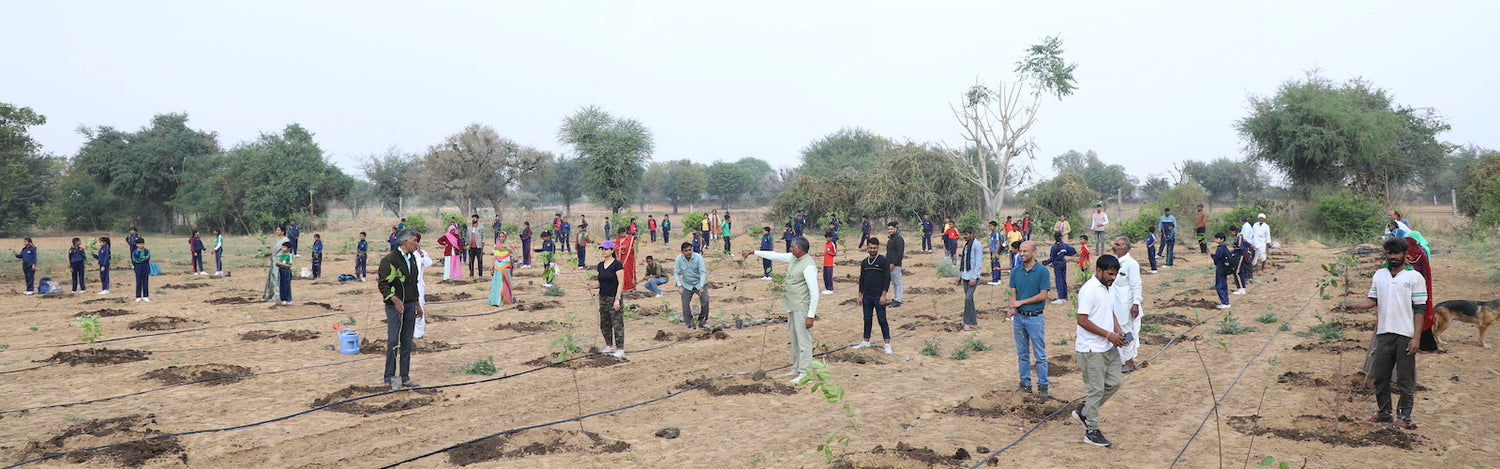
However, reaching these targets requires collective effort. That is why conscious citizens and grassroots organisations play a vital role alongside government policy. Every tree planted is a step toward a healthier, more sustainable India.
Renewable Energy: India's Green Power Revolution ⭐
India's renewable energy push is one of the most remarkable climate success stories of our time. The country is the fourth-largest producer of wind energy globally and a top-five solar power nation. These achievements boost energy security while dramatically cutting carbon emissions.
India's target of 500 GW of non-fossil fuel energy capacity by 2030 is both bold and achievable. For example, the Rajasthan Solar Park — one of the world's largest — produces clean power for millions of homes. In addition, India's green hydrogen mission aims to produce 5 million tonnes annually by 2030, transforming the industrial sector.
These efforts prove that economic growth and environmental responsibility can thrive together. India is showing the world that a developing nation can lead, innovate, and inspire. This is the essence of a truly mindful, future-focused climate strategy.
How Grow Billion Trees Supports India's Climate Mission 💡
Grow Billion Trees is a passionate environmental organisation dedicated to planting 100 crore trees across India by June 2030. Our mission directly supports India's national reforestation goals and contributes to the country's NDC commitments. We are proud to play a hands-on role in India's climate action story.
Our team offers a range of eco-friendly tree planting programs, including Miyawaki forests, agroforestry, mangrove restoration, and urban forestry. Each program is designed to nurture biodiversity, improve air quality, and restore natural ecosystems. We ensure every tree receives 4ft Tree Planting + 3 Years Care + GeoTag technology so you can track its growth in real time.
We are glad to offer a deeply personal way for every Indian — and every global citizen — to take part in this movement. Through our Plant a tree in your Name initiative, you can grow your own green legacy. Our partners include corporate organisations seeking to achieve their Net Zero Targets, as well as individuals who love the planet and want to make a difference.
Our experience shows that when communities plant trees together, the impact is truly wonderful. We provide authentic, verified tree certificates that make a great gift for birthdays, memorials, and special occasions. Together, we are building a greener, more sustainable India for future generations.
Everyday Actions That Drive Collective Impact ✅
What role does India play in global climate action? The answer lives not just in policy — it lives in the everyday choices of 1.4 billion conscious people. When individuals make mindful, eco-friendly decisions, the collective impact is enormous. Planting trees, reducing plastic use, and choosing sustainable transport all contribute to India's green goals.
In 2026, awareness of climate change among Indian youth has reached an all-time high, with over 70% of urban youth identifying as environmentally conscious according to recent survey data. This is a wonderful shift that signals a deep cultural transformation. Moreover, rural communities engaged in agroforestry are discovering how sustainable land use can improve livelihoods and restore the earth simultaneously.
⚠️ Inaction is no longer an option. The science is clear, the targets are set, and the tools are available. What we need now is collective will — and Grow Billion Trees is here to channel that will into real, measurable impact.
Explore how you can be part of India's climate mission. Whether you want to plant a tree in memory of a loved one, offset your carbon footprint, or partner with us as a corporate entity, we welcome you with open arms. Discover your impact today at Grow Billion Trees.
Frequently Asked Questions
What role does India play in global climate action?
India plays a pivotal role as the world's third-largest emitter and a leader in renewable energy and reforestation. It has committed to net zero emissions by 2070 and 50% non-fossil fuel energy by 2030, shaping global climate outcomes significantly.
What are India's key climate targets for 2030?
India aims to reduce carbon intensity by 45% from 2005 levels, achieve 500 GW of renewable energy capacity, and create a carbon sink of 2.5–3 billion tonnes through increased forest and tree cover by 2030.
How does reforestation help India meet its climate goals?
Reforestation absorbs CO2, restores biodiversity, and supports rural livelihoods. India's tree planting initiatives are a certified, proven strategy to meet NDC commitments and improve ecosystem health nationwide.
What is the Paris Agreement and how is India involved?
The Paris Agreement is a global treaty to limit temperature rise to 1.5°C. India is a signatory and has submitted updated NDCs with ambitious targets covering clean energy, forest cover, and carbon intensity reduction.
How can individuals contribute to India's climate goals?
Individuals can plant trees, reduce waste, support sustainable businesses, and engage with programs like Grow Billion Trees' Plant a tree in your Name initiative for a hands-on contribution to climate action.
What is Grow Billion Trees and how does it help?
Grow Billion Trees is an environmental organisation working to plant 100 crore trees in India by 2030. It offers Miyawaki, agroforestry, mangrove, and urban forestry programs with GeoTag tracking and 3-year tree care included.
What is the Miyawaki method and why is it important?
The Miyawaki method is a proven technique for creating dense, native-species forests in compact urban spaces. It accelerates forest growth up to 10 times faster, making it an easy and effective way to boost urban biodiversity.
Can corporations partner with Grow Billion Trees for net zero goals?
Yes. Grow Billion Trees welcomes corporate partners seeking to achieve Net Zero Targets through certified, verified tree planting programs. Our team provides tailored environmental impact solutions for organisations of all sizes.
How does GeoTag technology improve tree planting transparency?
GeoTag technology assigns a unique location marker to each planted tree. This allows donors and partners to track tree growth in real time, ensuring secure, authentic, and fully accountable reforestation efforts.
Why is India's climate action important for the whole world?
India's population, economic growth, and natural resources make its climate choices globally significant. Success in India demonstrates that developing nations can achieve sustainable growth while protecting the planet for everyone.India's journey in global climate action is a story of ambition, resilience, and collective hope. From renewable energy leadership to nationwide tree planting, every effort counts. We invite you to be part of this great mission — learn more and plant your tree today at Grow Billion Trees.
