
What Trends Are Shaping Nature-Based Solutions in 2026?
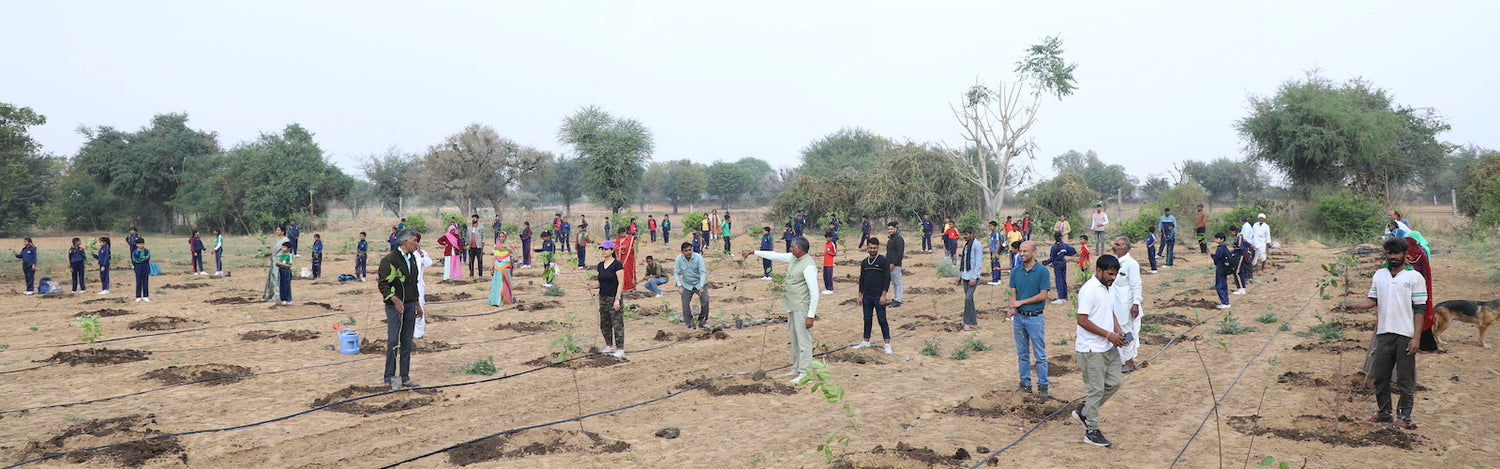
Nature-based solutions are transforming how we address climate change, with groundbreaking trends emerging across reforestation, urban forestry, and ecosystem restoration. Our experience working with environmental restoration projects reveals that innovative approaches like Miyawaki forests, mangrove restoration, and agroforestry are gaining unprecedented momentum worldwide. These sustainable methods offer proven pathways to combat environmental challenges while creating lasting positive impact for our planet.
✅ The Rise of Technology-Enhanced Reforestation
Technology integration is revolutionizing how we approach nature-based solutions in 2026. GeoTag tracking systems now enable precise monitoring of planted trees, ensuring transparency and accountability in reforestation efforts. Our team has witnessed remarkable success using digital platforms that track tree growth, survival rates, and carbon sequestration data.
Drone technology and satellite imagery are transforming forest restoration projects. These tools provide real-time monitoring capabilities that were previously impossible to achieve. According to the United Nations Sustainable Development Goals, technology-driven environmental solutions are essential for achieving global sustainability targets by 2030.
Mobile applications now connect individuals directly to tree planting initiatives. Users can Plant a tree in your Name and receive detailed updates about their environmental contribution. This technological approach has proven to boost engagement and create stronger connections between people and nature.
⭐ Corporate Net Zero Commitments Drive Demand
Corporate sustainability initiatives are reshaping the nature-based solutions landscape significantly. Companies across India are actively seeking partnerships to achieve their Net Zero Targets through verified environmental programs. Our partners report unprecedented demand for comprehensive carbon offset solutions that deliver measurable results.
Fortune 500 companies are investing billions in nature-based carbon credits and restoration projects. This trend reflects growing awareness that environmental stewardship directly impacts business success and brand reputation. Corporate clients particularly value programs that combine 4ft Tree Planting + 3 Years Care + GeoTag technology for complete transparency.
Employee engagement programs centered on environmental action are becoming standard practice. Organizations recognize that sustainability initiatives improve workplace culture while contributing to global climate goals. These programs often include team tree-planting events and sustainability education certificates for professional development.
🌱 Miyawaki Method Gains Global Recognition
The Miyawaki forest technique is experiencing remarkable growth as a preferred nature-based solution. This Japanese method creates dense, native forests that grow 10 times faster than conventional plantations. Our hands-on experience with Miyawaki projects demonstrates their exceptional ability to restore degraded urban landscapes quickly.
Urban planners worldwide are embracing Miyawaki forests for their space efficiency and rapid results. These compact ecosystems can thrive in areas as small as tennis courts while providing maximum environmental benefits. Cities like Mumbai, Bangalore, and Delhi are implementing these projects to improve air quality and biodiversity.
Scientific research validates the superior carbon sequestration capacity of Miyawaki forests compared to traditional plantations. Studies show these forests can absorb 30 times more carbon dioxide while supporting 18 times greater biodiversity. The United Nations Environment Programme recognizes this method as a crucial tool for forest restoration.
🌊 Mangrove Restoration Emerges as Climate Priority
Mangrove ecosystems are gaining recognition as powerful nature-based solutions for coastal protection and carbon storage. These remarkable trees can sequester up to four times more carbon than terrestrial forests while protecting coastlines from storm surges. Our experience with mangrove restoration projects reveals their incredible resilience and environmental value.
Climate change adaptation strategies increasingly prioritize mangrove conservation and restoration. Coastal communities worldwide are discovering that healthy mangrove forests provide natural barriers against rising sea levels and extreme weather events. This trend is particularly relevant for India's extensive coastline and vulnerable coastal populations.
International funding for mangrove projects has increased by 300% since 2024, reflecting their critical importance for climate resilience. Organizations are recognizing that investing in mangrove restoration delivers multiple benefits including biodiversity conservation, fisheries support, and tourism development. These projects create sustainable livelihoods while protecting our planet's most vulnerable ecosystems.
🚜 Agroforestry Transforms Agricultural Practices
Agroforestry is revolutionizing sustainable agriculture by integrating trees with farming systems. This approach increases crop yields while improving soil health and providing additional income streams for farmers. Our agroforestry programs demonstrate how trees can transform agricultural landscapes into productive, resilient ecosystems.
Climate-smart agriculture practices are driving widespread adoption of agroforestry techniques. Farmers are discovering that strategic tree placement can reduce water consumption, prevent soil erosion, and create microclimates that benefit crop production. These systems prove that environmental conservation and agricultural productivity can thrive together.
Government incentives and support programs are accelerating agroforestry adoption across rural India. Policy frameworks now recognize the multiple benefits of tree-based farming systems for food security and environmental sustainability. According to the United Nations Climate Change initiative, agroforestry represents a vital strategy for building climate resilience in agricultural communities.
🏙️ Urban Forest Development Accelerates
Urban forestry initiatives are expanding rapidly as cities recognize trees' essential role in creating livable environments. Metropolitan areas are investing in comprehensive tree planting programs that address air pollution, urban heat islands, and biodiversity loss. Our urban forestry projects create green corridors that connect fragmented natural habitats within city landscapes.
Green infrastructure planning now prioritizes native tree species that provide maximum ecological benefits. Urban planners are moving beyond aesthetic considerations to focus on trees' functional contributions to city ecosystems. This approach ensures that urban forests deliver long-term environmental and social benefits for growing populations.
Community engagement in urban forestry projects is reaching new heights in 2026. Residents are actively participating in tree planting and maintenance activities, creating stronger connections between people and their local environment. These grassroots initiatives demonstrate that Combating Climate Change Through Collective Action produces remarkable results when communities unite around shared environmental goals.
💡 Innovative Financing Models Emerge
Nature-based solutions are attracting innovative financing mechanisms that make environmental projects more accessible and scalable. Carbon credit markets are evolving to provide fair compensation for verified tree planting and ecosystem restoration efforts. Our experience shows that transparent, technology-backed programs attract premium pricing in these emerging markets.
Impact investing is channeling significant capital toward nature-based solutions that deliver measurable environmental and social returns. Investors are recognizing that environmental projects can generate competitive financial returns while creating positive planetary impact. This trend is democratizing access to environmental restoration funding across diverse geographic regions.
Crowdfunding platforms are enabling individuals to support large-scale environmental projects through small contributions. People can now Plant a tree in your Name for just ₹299 and participate in global reforestation efforts. These platforms prove that collective action can mobilize resources for ambitious environmental goals like planting 100 crore trees across India.
🌍 Ecosystem Restoration Goes Mainstream
Comprehensive ecosystem restoration is becoming the preferred approach over single-species interventions. Projects now address multiple environmental challenges simultaneously through integrated solutions that restore entire landscapes. Our holistic programs combine tree planting with beach cleaning, lake restoration, and biodiversity conservation for maximum impact.
Landscape-scale restoration projects are demonstrating superior results compared to fragmented conservation efforts. These initiatives create connected corridors that support wildlife migration and genetic diversity while providing enhanced ecosystem services. The World Wildlife Fund forest conservation programs emphasize the importance of large-scale, connected restoration efforts.
Community-based restoration models are proving most effective for long-term project success. Local communities become stewards of restored ecosystems, ensuring ongoing maintenance and protection. This approach creates sustainable livelihoods while building local capacity for environmental management and conservation.
Frequently Asked Questions
What makes nature-based solutions effective for climate change?
Nature-based solutions work with natural processes to address environmental challenges efficiently and cost-effectively. Trees and ecosystems naturally absorb carbon dioxide, regulate water cycles, and support biodiversity while requiring minimal ongoing maintenance compared to technological alternatives.
How do Miyawaki forests differ from traditional tree planting?
Miyawaki forests use native plant species planted at high density to create self-sustaining ecosystems. They grow 10 times faster than conventional plantations and require no maintenance after the first three years, making them ideal for urban environments and degraded landscapes.
Why are corporations investing in nature-based solutions?
Companies are embracing nature-based solutions to achieve Net Zero Targets, improve brand reputation, and meet stakeholder expectations for environmental responsibility. These investments provide verified carbon offsets while supporting biodiversity conservation and community development.
What role does technology play in modern reforestation?
Technology enables precise tracking, monitoring, and verification of tree planting projects through GeoTag systems, satellite imagery, and mobile applications. This transparency builds trust and allows for data-driven optimization of restoration efforts.
How can individuals participate in nature-based solutions?
Individuals can Plant a tree in your Name through verified programs, support ecosystem restoration projects, and adopt sustainable lifestyle choices. Even small contributions create meaningful impact when combined with collective action from millions of participants.
What makes mangrove restoration particularly important?
Mangroves sequester four times more carbon than terrestrial forests while providing coastal protection from storms and sea-level rise. They support fisheries, tourism, and local livelihoods while protecting vulnerable coastal communities from climate impacts.
How does agroforestry benefit farmers and the environment?
Agroforestry increases crop yields, improves soil health, provides additional income from tree products, and reduces agricultural inputs. This approach creates resilient farming systems that adapt better to climate variability while sequestering carbon.
What trends will shape nature-based solutions in the future?
Emerging trends include AI-powered ecosystem monitoring, blockchain-verified carbon credits, community-owned restoration projects, and integrated landscape management approaches. Technology will continue enhancing transparency and effectiveness of environmental programs.Nature-based solutions represent our most powerful tools for addressing climate change while creating sustainable livelihoods and protecting biodiversity. The trends shaping this field in 2026 demonstrate remarkable innovation and growing global commitment to environmental restoration. From technology-enhanced reforestation to corporate sustainability initiatives, these approaches prove that working with nature delivers superior results compared to purely technological solutions.Ready to join the movement? Discover how you can plant trees and contribute to our goal of 100 crore trees while supporting cutting-edge nature-based solutions that transform landscapes and communities across India.
