


Bob Brown: The Australian Activist Who Made Green Politics Mainstream
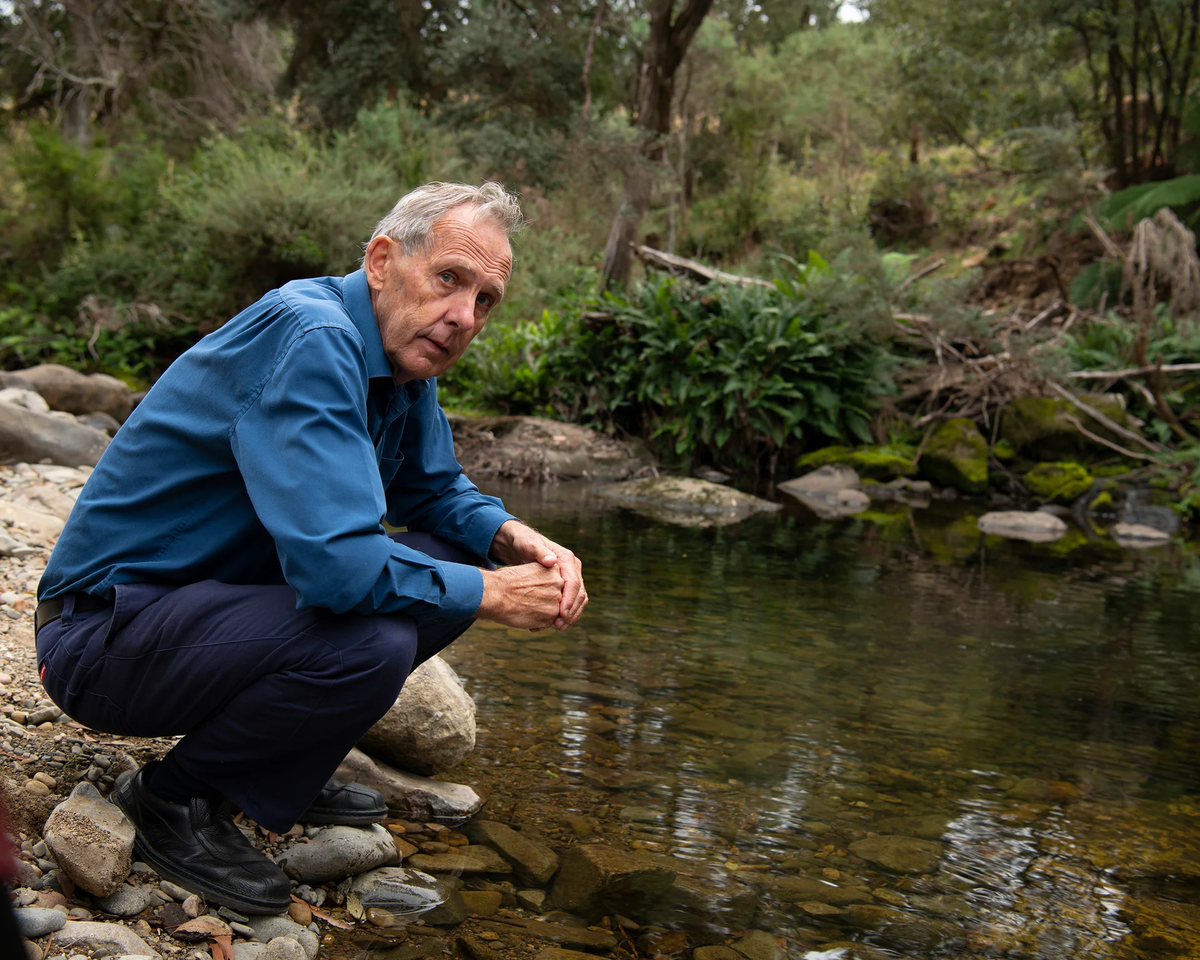
Bob Brown is an Australian environmental activist and former medical doctor whose leadership of the Australian Greens transformed green politics from a fringe concern into mainstream Australian governance. After moving to Tasmania in 1972, he channeled wilderness experiences into political activism that made environmental protection a central policy issue in Australia.
Bob Brown, a beacon of environmental activism, has reshaped Australia's political landscape with his unwavering commitment to green politics. As the face of the Australian Greens, Brown's legacy intertwines activism, conservation, and political reform. His passion for the environment and human rights has inspired generations to prioritize sustainability, proving that one person's dedication can spark a global movement toward Combating Climate Change Through Collective Action.
This comprehensive exploration reveals how Bob Brown transformed from a medical doctor into Australia's most influential environmental advocate, creating pathways for mainstream green politics that continue to shape policy today.
✅ Early Life and Formative Influences
Born in 1944 in Oberon, New South Wales, Bob Brown developed an early connection to nature that would define his life's mission. His childhood experiences in rural Australia fostered a deep appreciation for pristine wilderness areas. After completing his medical degree at the University of Sydney, Brown moved to Tasmania in 1972, where the island's unique ecosystems captured his imagination.
His medical career in Launceston provided financial stability while he explored Tasmania's remote wilderness areas. The untouched beauty of these landscapes ignited his environmental consciousness. Inspired by the global environmental movements of the 1970s, Brown witnessed firsthand how industrial development threatened irreplaceable natural heritage.
The turning point came when Brown discovered the proposed Franklin Dam project would flood vast wilderness areas. This revelation transformed a nature-loving doctor into one of Australia's most determined environmental activists, setting the stage for decades of conservation victories.
⭐ The Franklin River Campaign: A Watershed Moment
The Franklin River Campaign in the early 1980s became the defining chapter in Bob Brown's environmental legacy. As leader of the Tasmanian Wilderness Society, Brown spearheaded efforts to stop the Franklin Dam project, which threatened one of Australia's last great wilderness areas. The campaign demonstrated how grassroots activism could challenge government and corporate power.
Brown's strategy combined scientific evidence with passionate advocacy. He organized blockades, coordinated media campaigns, and even spent time in prison for his protests. The campaign attracted national attention when over 1,400 protesters were arrested, including Brown himself. This civil disobedience highlighted the urgent need to protect Tasmania's World Heritage wilderness.
The campaign's success marked a turning point for environmental activism in Australia. According to the United Nations Sustainable Development Goals, protecting terrestrial ecosystems is crucial for maintaining biodiversity and combating climate change. Brown's victory saved 1.2 million hectares of wilderness, proving that determined activism could achieve seemingly impossible conservation goals.
The Franklin River victory established Brown as Australia's premier environmental leader and demonstrated the political power of green movements. This success laid the groundwork for his transition from activist to politician, where he could champion environmental causes within Australia's democratic institutions.
🏛️ The Birth of the Australian Greens
Bob Brown transitioned from activism to politics by founding the Tasmanian Greens in 1992. This groundbreaking political party became Australia's first organization dedicated entirely to environmental and social justice issues. Brown recognized that lasting environmental protection required political representation and legislative change.
The Tasmanian Greens' early success demonstrated public appetite for environmental politics. Brown's medical background and activism credentials provided credibility that traditional politicians lacked. His ability to communicate complex environmental issues in accessible terms attracted diverse supporters, from conservationists to social justice advocates.
In 1996, Brown became the first Green politician elected to federal parliament, representing Tasmania in the Senate. His presence in Canberra brought environmental issues into mainstream political discourse. Brown became the Australian Greens' first federal leader in 2005, amplifying the voice of green politics on the national stage.
Under Brown's leadership, the Australian Greens evolved from a fringe movement into a significant political force. The party's platform expanded beyond environmental issues to include human rights, social justice, and economic reform. This holistic approach attracted voters seeking alternatives to traditional major parties, establishing green politics as a permanent feature of Australian democracy.
🌱 Key Environmental Campaigns and Achievements
Bob Brown's dedication to conservation extended far beyond the Franklin River. He played pivotal roles in campaigns protecting Tasmania's forests, marine ecosystems, and endangered species. His advocacy helped secure the Tasmanian Wilderness World Heritage Area, preserving vast tracts of ancient forests and irreplaceable biodiversity.
The campaign to protect Tasmania's old-growth forests became another signature Brown initiative. He organized protests against clear-fell logging practices that destroyed centuries-old trees. His efforts highlighted the environmental and economic value of intact forest ecosystems. The United Nations Environment Programme recognizes that forests play crucial roles in climate regulation, biodiversity conservation, and sustainable development.
Brown also championed marine conservation, advocating for marine protected areas around Tasmania's coast. His campaigns protected critical breeding grounds for endangered species like the southern right whale and Tasmanian devil. These efforts demonstrated his understanding that environmental protection requires comprehensive ecosystem approaches.
His forest campaigns achieved remarkable success, reducing logging in sensitive areas and promoting sustainable forestry practices. Scientific studies show that protected areas championed by Brown help conserve over 1.5 million hectares of native forests, reducing carbon emissions by approximately 3 million tonnes annually while supporting biodiversity conservation.
⚖️ Human Rights and Social Justice Advocacy
Bob Brown's activism extended beyond environmental causes to encompass comprehensive human rights advocacy. He championed LGBTQ+ rights, Indigenous rights, and refugee protections, weaving social justice into the fabric of the Greens' policies. His personal experience as Australia's first openly gay federal parliamentarian informed his passionate advocacy for equality.
Brown's support for Indigenous rights recognized the connection between environmental protection and cultural preservation. He advocated for Indigenous land rights and traditional ecological knowledge in environmental management. His approach acknowledged that environmental justice and social justice are inseparably linked.
His refugee advocacy demonstrated moral leadership during periods of harsh government policies. Brown consistently opposed mandatory detention and supported humanitarian approaches to asylum seekers. He argued that environmental degradation and climate change would increase refugee populations, requiring compassionate policy responses.
This comprehensive approach to justice issues distinguished Brown from single-issue environmental activists. His vision encompassed social, environmental, and economic justice as interconnected challenges requiring integrated solutions. This holistic perspective attracted diverse supporters and established the Greens as a progressive political force beyond environmental issues.
🌐 Global Influence and Climate Leadership
Bob Brown's influence extended far beyond Australia's borders through his climate activism and international advocacy. His tireless campaigning for renewable energy and climate action aligned with global environmental movements. He addressed international forums, urging world leaders to prioritize sustainability in the fight against climate change.
Brown's global perspective recognized that environmental challenges transcend national boundaries. He advocated for international cooperation on climate change, arguing that Australia must contribute to global solutions. The United Nations Climate Change initiatives align with Brown's vision of coordinated international environmental action.
His advocacy for renewable energy positioned Australia as a potential leader in clean technology. Brown promoted solar, wind, and geothermal energy as alternatives to fossil fuels. His vision anticipated Australia's current renewable energy boom, demonstrating remarkable foresight about technological and economic trends.
Brown's international speaking engagements spread his message of environmental hope and political action. He inspired environmental movements worldwide while learning from global best practices. This international perspective enriched his domestic advocacy and positioned him as a respected voice in global environmental circles.
💡 Environmental Impact and Scientific Recognition
Bob Brown's work has generated profound environmental impact backed by scientific research and measurable conservation outcomes. His campaigns have safeguarded thousands of hectares of wilderness, reduced destructive logging activities, and heightened public awareness of climate change. These achievements demonstrate how political activism can produce tangible environmental benefits.
Protected areas established through Brown's advocacy contribute significantly to carbon sequestration and biodiversity preservation. Research indicates that Tasmania's protected forests store approximately 15 million tonnes of carbon, equivalent to removing 3 million cars from roads annually. These ecosystems provide critical habitat for endemic species found nowhere else on Earth.
The marine protected areas Brown championed support recovering whale populations and endangered marine species. Scientific monitoring shows increased biodiversity in protected waters, validating Brown's ecosystem-based conservation approach. These successes demonstrate the effectiveness of comprehensive environmental protection strategies.
Brown's climate advocacy helped shift public opinion toward renewable energy and emission reduction. Polling data shows increased support for environmental protection during his political career, indicating his success in mainstreaming green politics. His influence extends beyond specific conservation victories to broader cultural change regarding environmental values.
→ Interesting Facts About Bob Brown
- ✅ Bob Brown was the first openly gay member of the Australian Parliament, breaking important social barriers
- ✅ He faced jail time multiple times for environmental protests, including 19 days in prison during the Franklin Dam campaign
- ✅ Brown is an avid birdwatcher and has documented several Tasmanian bird species in his writings and photography
- ✅ His book "Optimism" became a bestseller, spreading his message of environmental hope to broader audiences
- ✅ Brown received numerous awards including the Goldman Environmental Prize, often called the "Nobel Prize for the environment"
- ✅ He established the Bob Brown Foundation to continue environmental advocacy after retiring from politics
🌍 Continuing Legacy and Modern Relevance
Bob Brown's legacy extends far beyond his parliamentary career, continuing to influence Australian environmental policy and global climate action. His transition from politician to foundation leader demonstrates sustained commitment to environmental causes. The Bob Brown Foundation continues his conservation work, protecting threatened ecosystems and species.
Modern environmental challenges validate Brown's early warnings about climate change and biodiversity loss. His advocacy for renewable energy anticipated Australia's current clean energy transition. Young environmental activists cite Brown as inspiration, indicating his enduring influence on new generations of advocates.
The political party he helped establish continues to grow in influence, holding balance of power positions in various Australian parliaments. Green politics has become mainstream partly due to Brown's pioneering work in making environmental issues central to political discourse. His vision of sustainable development aligns with current Net Zero Targets and climate commitments.
Brown's holistic approach to environmental and social justice remains relevant as communities recognize interconnections between climate change, inequality, and human rights. His model of principled political leadership provides guidance for contemporary activists navigating complex environmental challenges while maintaining ethical standards.
Further reading: Medha Patkar: Environmental Champion Empowering Communities · Bill McKibben: Climate Activist Leading Global Environmental Action
Frequently Asked Questions
Who is Bob Brown and why is he significant?
Bob Brown is Australia's most influential environmental activist and politician who founded the Australian Greens party. He's significant for making green politics mainstream in Australia, leading successful conservation campaigns like the Franklin River blockade, and serving as the country's first openly gay federal parliamentarian.
What was the Franklin River Campaign?
The Franklin River Campaign was a successful environmental protest in the early 1980s that prevented the construction of a dam that would have flooded Tasmania's pristine Franklin River wilderness. Led by Bob Brown, the campaign involved over 1,400 arrests and ultimately saved 1.2 million hectares of World Heritage wilderness.
How did Bob Brown start the Australian Greens?
Brown founded the Tasmanian Greens in 1992, which became the foundation for the Australian Greens party. He transitioned from environmental activism to politics, becoming the party's first federal leader in 2005 and establishing green politics as a permanent force in Australian democracy.
What environmental areas did Bob Brown help protect?
Brown's campaigns protected over 1.5 million hectares of native forests, established marine protected areas around Tasmania, and helped secure the Tasmanian Wilderness World Heritage Area. His efforts contribute to carbon sequestration of approximately 3 million tonnes annually while preserving critical biodiversity.
Was Bob Brown involved in human rights advocacy?
Yes, Brown championed LGBTQ+ rights, Indigenous rights, and refugee protections throughout his career. As Australia's first openly gay federal parliamentarian, he integrated social justice causes with environmental advocacy, demonstrating that these issues are interconnected.
What is Bob Brown doing now?
After retiring from parliament, Brown established the Bob Brown Foundation to continue environmental advocacy and conservation work. He remains active in climate activism, speaking at international forums and supporting new generations of environmental leaders.
How did Bob Brown influence global environmental movements?
Brown addressed international forums promoting climate action and renewable energy, inspiring environmental movements worldwide. His success in mainstream green politics provided a model for other countries, while his advocacy aligned with UN sustainable development goals and climate initiatives.
What books has Bob Brown written?
Brown authored several books including "Optimism," which became a bestseller spreading his environmental message. He has also written about Tasmanian wilderness, birdwatching, and environmental philosophy, sharing his deep knowledge of natural ecosystems with broader audiences.
What awards has Bob Brown received?
Brown received the Goldman Environmental Prize, often called the "Nobel Prize for the environment," among numerous other environmental and human rights awards. These recognitions acknowledge his significant contributions to conservation and social justice advocacy.
How can people support Bob Brown's environmental vision today?
People can support environmental causes through the Bob Brown Foundation, vote for green political candidates, reduce their carbon footprint, and participate in conservation efforts. Like Brown's approach of Combating Climate Change Through Collective Action, individual actions combined create powerful environmental impact.
💪 Taking Action for Environmental Change
Bob Brown's remarkable journey from medical doctor to environmental hero demonstrates how individual passion and perseverance can create lasting change. His transformation of Australian politics proves that dedicated activism can mainstream environmental concerns and achieve significant conservation victories.
Brown's legacy provides a blueprint for contemporary environmental action, showing how political engagement, grassroots organizing, and principled leadership can protect irreplaceable natural heritage. His success in saving wilderness areas while advancing human rights demonstrates the power of comprehensive advocacy approaches.
As climate challenges intensify globally, Brown's vision of harmony between humanity and nature becomes increasingly relevant. His model of combining scientific evidence with passionate advocacy offers guidance for current environmental movements seeking to influence policy and public opinion.
Inspired by Bob Brown's transformative environmental leadership? Join the movement for planetary healing by supporting conservation efforts and taking meaningful climate action. Plant a tree in your Name for just ₹299 with our 2-3ft Tree Planting + 3 Years Care + GeoTag program. Together, we're working toward planting 100 crore trees across India, creating lasting environmental impact that honors Brown's conservation legacy. Discover how your contribution can help achieve Net Zero Targets while preserving biodiversity for future generations.
Keep reading
 Medha Patkar: Environmental Champion Empowering Communities
 Bill McKibben: Climate Activist Leading Global Environmental Action
 Al Gore: The Climate Crusader Awakening the World to Truth
 M.C. Mehta: Environmental Justice Pioneer & India's Green Revolution
 Wangari Maathai: Nobel Laureate Who Planted Trees to Empower Women


Leave a comment