


P. V. Satheesh: Sowing Seeds of Sustainability and Green Innovation
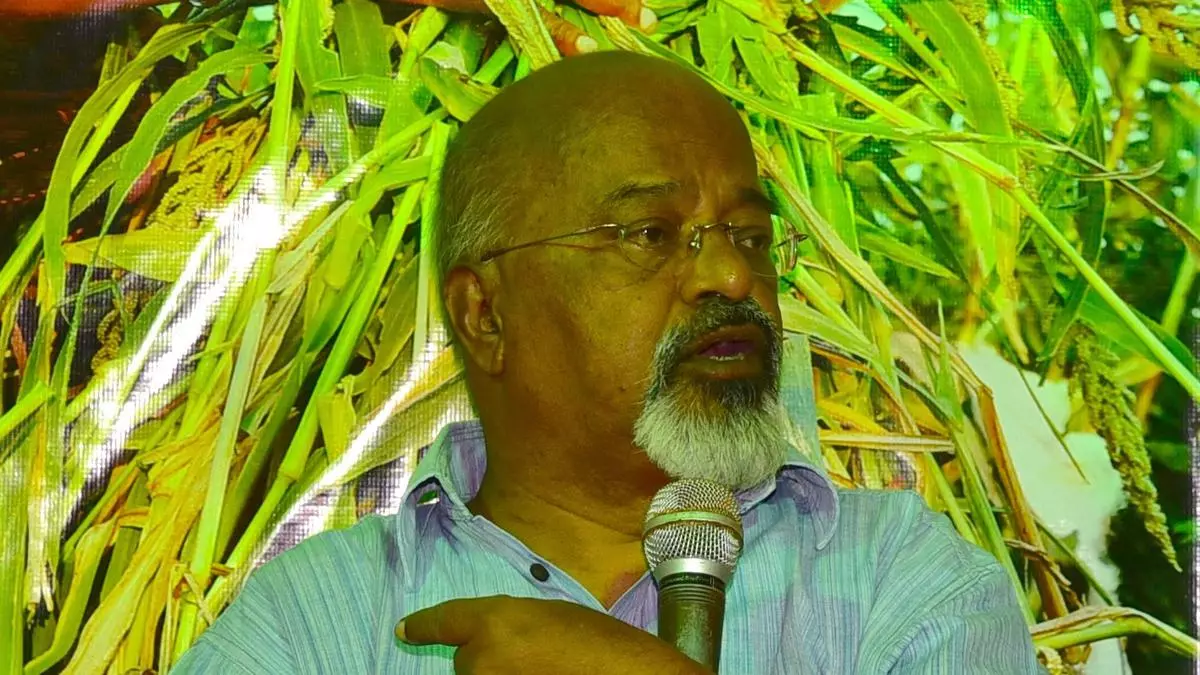
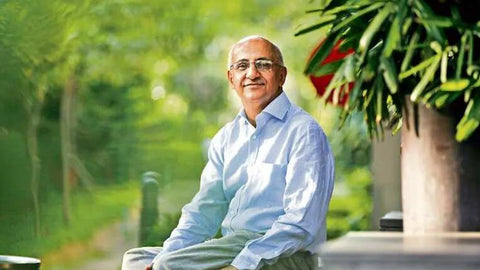
P. V. Satheesh, founder of the Deccan Development Society, advanced rural development through ecological agriculture and community-led initiatives. His work demonstrated how traditional farming practices, seed sovereignty, and agroforestry could empower marginalized farmers—particularly women—to achieve food security while combating climate change through collective action and indigenous knowledge systems.
In an era where climate change threatens our ecosystems and food security, the work of P. V. Satheesh serves as a beacon of hope for sustainable development. His transformative legacy revolves around empowering rural communities through ecological agriculture, biodiversity conservation, and innovative green solutions that continue to inspire environmental movements worldwide.
P. V. Satheesh, founder of the Deccan Development Society (DDS), championed a holistic approach to sustainability that placed marginalized farmers, particularly women, at the center of environmental restoration. His pioneering work demonstrated how community-led initiatives could achieve food sovereignty while combating climate change through collective action.
The Revolutionary Vision of P. V. Satheesh
P. V. Satheesh was more than an environmentalist—he was a visionary who understood that true sustainability emerges from grassroots empowerment. His work focused on transforming rural communities into guardians of their environment, ensuring food security through indigenous knowledge systems and sustainable practices.
Key pillars of his revolutionary approach included:
- ✅ Reviving traditional farming practices to combat industrialized monoculture
- ✅ Encouraging seed sovereignty by promoting native crop varieties
- ✅ Advocating for community-led reforestation initiatives
- ✅ Integrating agroforestry to blend tree planting with food production
By addressing environmental challenges through community participation, his methodology fostered long-term resilience against climate change while empowering local populations to become stewards of their natural resources.
Why Trees Form the Foundation of Sustainable Communities
Trees serve as the cornerstone of environmental restoration and community resilience. According to the United Nations Environment Programme, forests provide critical ecosystem services that support biodiversity and climate regulation.
Environmental benefits of strategic tree planting include:
- • Absorbing carbon dioxide to reduce greenhouse gas emissions
- • Improving soil health and preventing erosion
- • Supporting local wildlife through habitat creation
- • Regulating water cycles to reduce flood and drought risks
- • Lowering urban temperatures to mitigate heat island effects
P. V. Satheesh's vision emphasized reforestation as essential for ecological restoration, combining scientific knowledge with indigenous wisdom to create sustainable ecosystems that benefit entire communities.
⭐ Native Trees: Restoring Ecological Balance
Sustainable afforestation requires careful selection of native species that support local biodiversity. Native trees require minimal maintenance, adapt naturally to local climates, and create thriving ecosystems that benefit multiple species.
Key native trees promoted in P. V. Satheesh's initiatives include:
- Neem Tree: Natural air purifier with medicinal properties
- Banyan Tree: Provides extensive shade and supports bird populations
- Jamun Tree: Produces nutritious fruits while attracting pollinators
- Mango Tree: Enhances agroforestry with economic benefits
- Tamarind Tree: Drought-resistant species that enriches soil
These species create interconnected ecosystems that support biodiversity while providing economic opportunities for rural communities through sustainable harvesting and value-added products.
Agroforestry: Integrating Trees with Agricultural Systems
Agroforestry represents a powerful solution for combining environmental restoration with agricultural productivity. P. V. Satheesh championed this approach, demonstrating how trees and crops could work synergistically to benefit farmers and ecosystems alike.
Benefits of agroforestry systems include:
- ✅ Enhanced soil fertility through organic matter enrichment
- ✅ Reduced dependency on chemical fertilizers and pesticides
- ✅ Natural wind protection and shade for sensitive crops
- ✅ Additional income streams from tree-based products
- ✅ Carbon sequestration to combat climate change
Research indicates that agroforestry can increase land productivity by up to 30%, making it a practical and profitable solution for small-scale farmers seeking sustainable livelihoods.
💡 Women Leading Environmental Transformation
One of P. V. Satheesh's most significant contributions was recognizing and empowering women as environmental leaders. He understood that women play crucial roles in food production, biodiversity conservation, and community resilience building.
Women-led sustainability initiatives included:
- Community seed banks preserving native plant varieties
- Women-managed nurseries propagating indigenous trees
- Training programs in organic farming and sustainable land management
- Economic independence through tree-based product enterprises
By placing women at the center of conservation efforts, these initiatives strengthened rural economies while promoting environmental justice and community empowerment.
Technology and Innovation in Modern Reforestation
P. V. Satheesh believed in merging traditional knowledge with modern technology to scale sustainability efforts effectively. Today's reforestation initiatives continue his legacy by incorporating cutting-edge tools and methodologies.
Innovative reforestation techniques include:
- Drone Technology: Precision seeding and monitoring of large areas
- GeoTag Systems: Real-time tracking of planted trees and growth progress
- Miyawaki Method: Creating dense, native forests in small spaces
- Soil Analysis: Scientific assessment for optimal species selection
At Grow Billion Trees, we honor P. V. Satheesh's vision by combining his community-centered approach with modern technology. Our mission to plant 100 crore trees across India reflects his belief in collective action for environmental restoration.
Corporate Responsibility and Net Zero Targets
The United Nations Climate Change initiative emphasizes the critical role of corporate environmental responsibility in achieving global sustainability goals. P. V. Satheesh's work provides a blueprint for companies seeking meaningful environmental impact.
Corporate sustainability programs inspired by his approach include:
- Employee engagement through tree planting initiatives
- Supporting rural communities through agroforestry projects
- Achieving Net Zero Targets through verified carbon sequestration
- Investing in biodiversity conservation and habitat restoration
Companies partnering with organizations like Grow Billion Trees can Plant a tree in your Name while supporting comprehensive environmental restoration programs that create lasting community impact.
Building Food Forests for Community Resilience
P. V. Satheesh pioneered the concept of food forests—diverse ecosystems that provide nutrition, medicine, and economic opportunities while restoring degraded landscapes. These systems represent the ultimate integration of environmental and social sustainability.
Food forest benefits include:
- ⭐ Diverse food production without external inputs
- ⭐ Medicinal plant cultivation for community health
- ⭐ Habitat creation for beneficial insects and wildlife
- ⭐ Soil restoration through natural processes
Modern food forest initiatives continue his legacy by creating resilient ecosystems that support both human communities and biodiversity conservation.
Combating Climate Change Through Collective Action
The work of P. V. Satheesh demonstrates that effective climate action requires community participation and environmental justice. According to the World Wildlife Fund's forest conservation initiatives, community-led conservation efforts achieve higher success rates than top-down approaches.
Combating Climate Change Through Collective Action requires:
- Community ownership of environmental initiatives
- Integration of traditional and scientific knowledge
- Economic incentives for sustainable practices
- Women's leadership in conservation efforts
- Technology support for scaling successful models
Organizations following his model create lasting environmental impact while empowering communities to become environmental stewards and climate resilience champions.
Modern Applications of P. V. Satheesh's Philosophy
Today's environmental organizations continue P. V. Satheesh's legacy through innovative programs that combine his community-centered approach with modern technology and scientific understanding.
Contemporary applications include:
- Urban Forest Creation: Bringing his rural success to city environments
- Corporate Partnerships: Scaling impact through business engagement
- Digital Tracking: Using technology to monitor and verify environmental outcomes
- Educational Programs: Training new generations of environmental leaders
At Grow Billion Trees, we honor his vision through our comprehensive approach that includes 2-3ft Tree Planting + 3 Years Care + GeoTag tracking, ensuring every tree planted contributes to long-term environmental restoration and community empowerment.
Further reading: Ashish Kothari: Revolutionizing Green Landscapes and Environmental Sustainability · Isha Bholra: Leading Green Innovation for Sustainable Future
Frequently Asked Questions
Who was P. V. Satheesh and what was his contribution to sustainability?
P. V. Satheesh was the founder of the Deccan Development Society (DDS) and a pioneering environmentalist who championed community-led sustainability initiatives. His contributions include promoting ecological agriculture, empowering women farmers, preserving native biodiversity, and developing agroforestry systems that integrate environmental restoration with economic development.
How did P. V. Satheesh empower rural communities?
P. V. Satheesh empowered rural communities by placing them at the center of environmental decision-making. He promoted seed sovereignty, traditional farming practices, women's leadership in conservation, and community-managed natural resources. His approach ensured that local populations became stewards of their environment while achieving economic independence.
What is agroforestry and how does it support sustainability?
Agroforestry is the practice of integrating trees with agricultural crops to create sustainable farming systems. It improves soil fertility, reduces chemical dependency, provides additional income sources, and creates carbon sinks. P. V. Satheesh demonstrated that agroforestry could increase land productivity by up to 30% while supporting environmental restoration.
Why did P. V. Satheesh focus on empowering women in environmental initiatives?
P. V. Satheesh recognized that women play crucial roles in food production, biodiversity conservation, and community resilience. He empowered women through seed banking, nursery management, organic farming training, and tree-based enterprises. This approach strengthened rural economies while promoting environmental justice and sustainable development.
How do native trees support biodiversity conservation?
Native trees are naturally adapted to local climates and ecosystems, requiring minimal maintenance while supporting local wildlife. They provide appropriate food sources for indigenous species, create suitable habitats, and maintain ecological balance. P. V. Satheesh promoted native species like neem, banyan, jamun, mango, and tamarind trees for their multiple environmental and economic benefits.
What modern technologies continue P. V. Satheesh's environmental work?
Modern environmental initiatives use drone technology for precision seeding, GeoTag systems for tree tracking, Miyawaki methods for dense forest creation, and soil analysis for species selection. Organizations like Grow Billion Trees combine his community-centered approach with these technologies to scale environmental restoration efforts.
How can corporations apply P. V. Satheesh's sustainability principles?
Corporations can apply his principles by engaging employees in tree planting initiatives, supporting rural communities through agroforestry projects, achieving Net Zero Targets through verified carbon sequestration, and investing in biodiversity conservation. This approach creates meaningful environmental impact while supporting community empowerment.
What are food forests and how do they support community resilience?
Food forests are diverse ecosystems that provide nutrition, medicine, and economic opportunities while restoring degraded landscapes. They offer diverse food production without external inputs, medicinal plant cultivation, habitat creation for beneficial species, and natural soil restoration processes, representing the ultimate integration of environmental and social sustainability.
How does tree planting combat climate change effectively?
Trees combat climate change by absorbing carbon dioxide, improving soil health, supporting biodiversity, regulating water cycles, and reducing urban heat islands. According to the World Wildlife Fund, strategic reforestation is essential for achieving global climate goals and environmental restoration.
What is the current impact of P. V. Satheesh's environmental philosophy?
P. V. Satheesh's philosophy continues to inspire global environmental movements focused on community empowerment, indigenous knowledge integration, and sustainable development. His approach demonstrates that effective environmental restoration requires grassroots participation, economic incentives, and the integration of traditional wisdom with modern science.
Continuing the Legacy: Your Role in Environmental Transformation
The visionary work of P. V. Satheesh demonstrates that sustainable environmental change begins with individual action and community engagement. His legacy shows us that every person can contribute to environmental restoration while supporting rural communities and biodiversity conservation.
Today, you can honor his vision by participating in tree planting initiatives that combine environmental restoration with community empowerment. Organizations like Grow Billion Trees continue his work by offering accessible ways to plant trees, support agroforestry, and contribute to India's goal of planting 100 crore trees.
By choosing to Plant a tree in your Name for just ₹299, you join a movement that reflects P. V. Satheesh's belief in collective action for environmental transformation. Each tree planted receives 3 years of care and GeoTag tracking, ensuring your contribution creates lasting environmental impact.
Explore how you can continue P. V. Satheesh's legacy of sustainability and community empowerment. Discover our tree planting programs and become part of the solution for a greener, more sustainable future.
Keep reading
 Ashish Kothari: Revolutionizing Green Landscapes and Environmental Sustainability
 Isha Bholra: Leading Green Innovation for Sustainable Future
- Planting Trees, Empowering Women: The Role of Forests in Gender Equality
 Baba Amte: Nurturing Humanity, Sustainability, and a Greener Future
 Harsh Mander: Growing Hope Through Sustainable Green Initiatives
 Dr. A. P. J. Abdul Kalam: Inspiring a Greener Future and Sustainable Legacy


Leave a comment