
Baba Amte: Nurturing Humanity, Sustainability, and a Greener Future
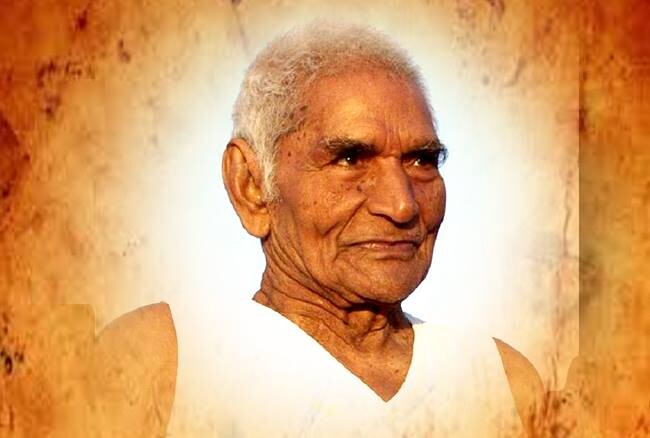
Murlidhar Devidas Amte was an Indian social reformer born in 1914 who pioneered environmental restoration alongside social justice, integrating reforestation, water conservation, and ecological recovery with efforts to serve marginalized communities. His work demonstrated that sustainable development and human dignity are inseparable, creating a blueprint for climate action through collective engagement.
In a world where environmental destruction and social injustice often go hand in hand, Baba Amte stood as a revolutionary force of compassion who understood that true progress comes from healing both society and nature.
His groundbreaking work in reforestation, community-led conservation, and sustainable living proves that environmental restoration and human dignity are inseparable.
Through his visionary leadership, Baba Amte transformed barren landscapes into thriving ecosystems while empowering marginalized communities, creating a powerful blueprint for Combating Climate Change Through Collective Action.
Baba Amte's legacy extends far beyond social reform—it represents a holistic approach to sustainability that continues to inspire environmental movements worldwide.
His initiatives in tree planting, water conservation, and ecological restoration demonstrate how individual action can create lasting environmental impact, much like our mission to Plant a tree in your Name and contribute to planting 100 crore trees across India.
✅ Who Was Baba Amte? A Life Rooted in Compassion and Conservation
Baba Amte, born Murlidhar Devidas Amte in 1914, was a fearless social reformer who dedicated his life to serving the most vulnerable, especially people affected by leprosy.
However, his mission transcended human welfare—he recognized that environmental degradation and social inequality were deeply interconnected challenges requiring unified solutions.
His ashram, Anandwan, was designed as a self-sustaining ecosystem where tree planting, organic farming, and water conservation formed the foundation of daily life.
This revolutionary approach proved that communities could thrive when living in harmony with nature. For Baba Amte, trees represented symbols of resilience, hope, and renewal—much like our 2-3ft Tree Planting + 3 Years Care + GeoTag program ensures long-term forest restoration.
According to the United Nations Sustainable Development Goals, sustainable communities require integrated approaches that address both human welfare and environmental protection—principles that Baba Amte pioneered decades ahead of his time.
🌱 Why Baba Amte Focused on Reforestation and Environmental Restoration
Trees are nature's most powerful healers, providing essential services that combat climate change, improve air quality, conserve water, and support biodiversity. Recognizing this fundamental truth, Baba Amte made reforestation a cornerstone of his comprehensive social mission.
His environmental initiatives focused on restoring degraded land, preventing soil erosion, and enhancing biodiversity through strategic tree planting. He prioritized native species to ensure forests could regenerate naturally, benefiting both human communities and wildlife populations.
Key environmental benefits of Baba Amte's reforestation efforts included:
- ✅ Carbon Sequestration – Trees absorb atmospheric carbon dioxide, helping mitigate global warming
- ✅ Air Purification – Forests filter pollutants and improve respiratory health for surrounding communities
- ✅ Water Conservation – Tree roots prevent soil erosion and enhance groundwater recharge
- ✅ Biodiversity Protection – Forests provide critical habitats for birds, insects, and wildlife species
- ✅ Soil Fertility Enhancement – Leaf litter and root systems naturally enrich soil quality
The United Nations Environment Programme emphasizes that forest restoration is crucial for achieving global climate targets—a vision that Baba Amte championed through practical community action.
🌳 Transforming Barren Land into Thriving Forest Ecosystems
Baba Amte believed in action over rhetoric. His systematic approach to environmental restoration led to the successful transformation of desolate, unproductive land into thriving green spaces that became self-sufficient ecosystems supporting diverse communities.
His large-scale tree planting initiatives created measurable environmental improvements:
- Soil Fertility Recovery – Tree roots and organic matter enriched degraded soil, enabling agriculture and natural vegetation to flourish
- Water Management Enhancement – Forested areas retained significantly more rainwater, reducing drought conditions and improving groundwater levels
- Climate Resilience Building – Increased tree cover moderated extreme temperatures, providing natural cooling and weather protection
- Ecosystem Restoration – Native wildlife returned as forest habitats were reestablished
This transformative work demonstrates how local communities can effectively fight climate change through strategic reforestation—principles we apply in our Miyawaki forest creation and agroforestry programs to achieve Net Zero Targets for corporate partners.
💡 India's Green Heritage and Baba Amte's Cultural Foundation
India's rich environmental traditions provided the cultural foundation for Baba Amte's conservation philosophy. The historic Chipko Movement, annual Van Mahotsav celebrations, and sacred groves maintained by indigenous communities demonstrate the nation's deep-rooted commitment to forest protection.
Baba Amte skillfully integrated these ancient ecological practices with modern environmental science, creating conservation strategies that honored both traditional wisdom and contemporary research.
He drew inspiration from Mahatma Gandhi's principles of sustainable living, believing that simple, nature-centered lifestyles led to genuine prosperity and fulfillment.
By combining scientific methodology with cultural values and community participation, he helped establish a modern environmental movement that remains relevant for today's climate challenges.
His approach mirrors our comprehensive environmental programs that extend beyond tree planting to include mangrove restoration, urban forestry, and sustainability education.
⭐ Community-Led Conservation: The Heart of Sustainable Change
One of Baba Amte's greatest innovations was his ability to mobilize diverse communities around shared environmental goals. He understood that lasting sustainability required local ownership and active participation rather than top-down mandates.
His community-centered conservation approach emphasized:
- Women's Environmental Leadership – Women received training to manage nurseries, plant saplings, and coordinate tree-planting initiatives
- Youth Environmental Education – Schools and colleges participated in hands-on conservation projects, inspiring future environmental stewards
- Farmer Agroforestry Programs – Agricultural communities learned to integrate trees with crops for improved soil health and diversified income
- Cooperative Resource Management – Communities collectively managed water resources, waste reduction, and sustainable energy systems
This grassroots approach ensured that environmental projects remained viable long after initial implementation, creating self-sustaining conservation cycles that continue benefiting communities today.
🌿 Modern Applications of Baba Amte's Environmental Vision
Baba Amte's integrated approach to social and environmental challenges offers valuable lessons for contemporary sustainability efforts.
His emphasis on community participation, native species restoration, and holistic ecosystem management provides a proven framework for modern conservation initiatives.
Today's environmental organizations can learn from his strategies by:
- Prioritizing local community engagement and ownership in conservation projects
- Integrating social welfare with environmental restoration for maximum impact
- Using native plant species to ensure long-term ecosystem stability
- Creating self-sustaining economic models that support ongoing conservation efforts
- Combining traditional ecological knowledge with modern scientific methods
Organizations like Grow Billion Trees continue this legacy by offering accessible tree planting services that connect individual action with large-scale environmental impact, making it possible for anyone to Plant a tree in your Name for just ₹299 while supporting comprehensive ecosystem restoration.
🌍 Baba Amte's Global Environmental Legacy
The environmental principles championed by Baba Amte have gained international recognition as effective strategies for addressing climate change and biodiversity loss.
His work demonstrates that local conservation efforts can contribute significantly to global environmental goals when properly scaled and replicated.
The United Nations climate action framework emphasizes the importance of community-based solutions like those pioneered by Baba Amte. His integrated approach to social and environmental challenges provides a model for achieving multiple Sustainable Development Goals simultaneously.
International conservation organizations now recognize that successful environmental restoration requires the same holistic thinking that Baba Amte applied—addressing human needs while protecting natural systems.
His legacy continues inspiring global movements that combine environmental protection with social justice and community empowerment.
➡️ Implementing Baba Amte's Conservation Principles Today
Modern environmental challenges require the same integrated approach that Baba Amte pioneered. Here's how individuals and organizations can apply his principles:
- Start with Community Engagement – Build local support and participation before launching environmental projects
- Focus on Native Species – Choose indigenous trees and plants that naturally thrive in local conditions
- Create Economic Incentives – Design conservation programs that provide sustainable livelihoods for participants
- Monitor Long-term Impact – Establish systems to track environmental and social outcomes over time
- Scale Successful Models – Replicate proven approaches in similar communities and environments
These principles guide our comprehensive environmental programs, from Miyawaki urban forests to agroforestry initiatives that help farmers achieve sustainable income while restoring degraded landscapes.
Further reading: P. V. Satheesh: Sowing Seeds of Sustainability and Green Innovation · Ashish Kothari: Revolutionizing Green Landscapes and Environmental Sustainability
Frequently Asked Questions
What made Baba Amte's approach to environmental conservation unique?
Baba Amte's conservation approach was unique because he integrated social welfare with environmental restoration, recognizing that human dignity and ecological health are interconnected.Unlike purely environmental initiatives, his projects addressed poverty, healthcare, and education alongside reforestation and sustainable agriculture, creating comprehensive solutions that benefited both people and nature.
How did Baba Amte's reforestation efforts impact local communities?
Baba Amte's reforestation projects transformed local communities by improving soil fertility, enhancing water availability, creating sustainable livelihoods, and reducing environmental vulnerabilities.His tree planting initiatives provided employment opportunities, improved agricultural productivity, and created resilient ecosystems that supported diverse economic activities while protecting against climate-related risks.
What types of trees did Baba Amte prioritize in his conservation work?
Baba Amte prioritized native tree species that were naturally adapted to local climate conditions and soil types.He focused on indigenous varieties that could regenerate naturally, support local wildlife, and provide practical benefits to communities such as food, medicine, timber, and soil conservation. This approach ensured long-term ecosystem stability and sustainability.
How can modern environmental organizations learn from Baba Amte's methods?
Modern environmental organizations can learn from Baba Amte by adopting community-centered approaches that integrate social welfare with conservation goals.Key lessons include prioritizing local participation, using native species, creating economic incentives for conservation, addressing social inequalities alongside environmental challenges, and building self-sustaining programs that continue without external support.
What was the connection between Baba Amte's social work and environmental conservation?
Baba Amte understood that environmental degradation and social injustice often reinforce each other. Poor communities frequently depend on natural resources for survival, while environmental destruction perpetuates poverty and vulnerability. His integrated approach addressed both challenges simultaneously, creating sustainable solutions that improved human welfare while protecting and restoring natural ecosystems.
How did Baba Amte's work contribute to India's environmental movement?
Baba Amte's work helped establish community-based conservation as a viable approach to environmental protection in India. His successful integration of traditional ecological knowledge with modern conservation methods influenced subsequent environmental movements, policy frameworks, and grassroots initiatives. His model demonstrated that local communities could effectively manage natural resources when given proper support and incentives.
What role did women play in Baba Amte's conservation initiatives?
Women played central roles in Baba Amte's conservation initiatives, leading tree nursery management, coordinating planting activities, and managing community resources. He recognized that women often have deep connections to natural resource management and provided them with training, leadership opportunities, and economic empowerment through environmental work, creating sustainable conservation programs with strong community ownership.
How do Baba Amte's principles apply to modern climate change challenges?
Baba Amte's principles directly address modern climate change challenges by emphasizing community resilience, ecosystem restoration, and integrated solutions. His focus on reforestation, sustainable agriculture, water conservation, and social equity provides a comprehensive framework for climate adaptation and mitigation that remains highly relevant for contemporary environmental initiatives and policy development.
What economic benefits did communities gain from Baba Amte's environmental projects?
Communities gained multiple economic benefits from Baba Amte's environmental projects including sustainable employment in tree planting and maintenance, improved agricultural productivity through better soil and water management, diversified income sources from forest products, reduced healthcare costs due to cleaner environments, and enhanced property values from improved local ecosystems and climate conditions.
How can individuals support environmental causes inspired by Baba Amte's legacy?
Individuals can support environmental causes by participating in community tree planting initiatives, choosing native plants for personal gardens, supporting organizations that integrate social and environmental goals, advocating for sustainable policies, reducing personal environmental impact, and contributing to reforestation programs that provide long-term care and monitoring like our tree planting services.Baba Amte's remarkable legacy demonstrates that environmental restoration and social justice are not separate causes but interconnected aspects of building sustainable, equitable communities.His visionary approach to conservation—integrating tree planting, community empowerment, and holistic ecosystem management—continues inspiring modern environmental movements worldwide.Today, as we face unprecedented climate challenges, Baba Amte's principles remain more relevant than ever. His emphasis on community participation, native species restoration, and comprehensive sustainability offers a proven pathway for creating lasting environmental impact while improving human welfare.Ready to continue Baba Amte's environmental legacy? Join our mission to plant 100 crore trees and help create a greener, more sustainable future for generations to come. Plant a tree in your name today and become part of India's largest reforestation movement.
Keep reading
 P. V. Satheesh: Sowing Seeds of Sustainability and Green Innovation
 Ashish Kothari: Revolutionizing Green Landscapes and Environmental Sustainability
 Harsh Mander: Growing Hope Through Sustainable Green Initiatives
 Praful Bidwai: Environmental Justice Pioneer & Sustainable Future Advocate
 Medha Patkar: Environmental Champion Empowering Communities


Leave a comment