
Fly-ash pond and ash dyke reclamation with plantation
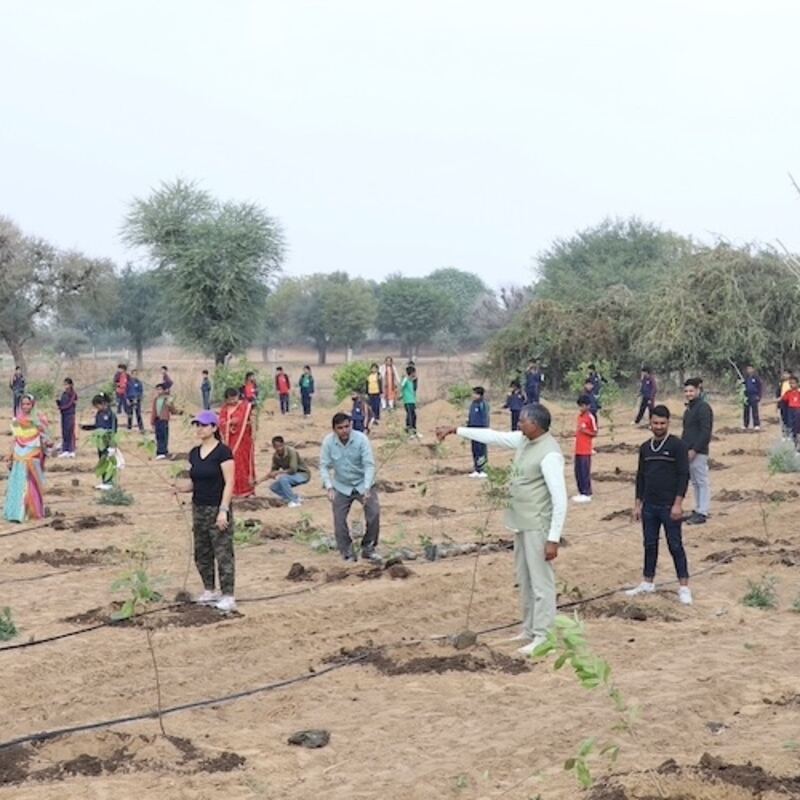
Under MoEFCC's fly ash notification of 31 December 2021, thermal plants must use 100% of their ash and clear legacy ash within ten years from 1 April 2022. Legacy ash use is not required where an ash pond or dyke has stabilised and been reclaimed with green belt or plantation. That reclamation follows CPCB guidelines and needs SPCB certification. That makes well-planned plantation a recognised route for retired ash ponds.
What does the fly ash notification require?
MoEFCC's notification of 31 December 2021, amended on 30 December 2022, makes every coal or lignite thermal plant responsible for 100% utilisation of its fly ash and bottom ash. Captive and co-generating plants are included.
- Utilisation should not fall below 80% in any year, and must average 100% over a three-year cycle.
- Legacy ash stored before 1 April 2022 must be fully used within ten years from that date.
- Legacy ash use has yearly minimums: at least 20% of annual ash in year one, 35% in year two and 50% from year three.
- Non-compliance attracts environmental compensation of ₹1,000 per tonne of unutilised ash.
The notification lists eco-friendly uses such as bricks, cement, road embankments, filling low-lying areas and controlled agricultural use based on soil testing.
Where does plantation come in?
The notification creates an exception for reclaimed ponds. Legacy ash utilisation is not required where the pond or dyke has stabilised and been reclaimed.
In its words, the reclamation must take place "with greenbelt or plantation or solar power plant or wind power plant", as per CPCB guidelines.
Stabilisation and reclamation, including SPCB or PCC certification, were to be done within three years from 1 April 2022. Ash in all other ponds must be used on the progressive timelines.
Ponds that missed that window should check their current position with the SPCB before planning. The legal effect of late reclamation is for the regulator to confirm.
| Route for a legacy ash pond | What it involves | Plantation role |
|---|---|---|
| Utilise the ash | Supply to cement, bricks, roads, low-lying fills | Plant the cleared land afterwards |
| Stabilise and reclaim with green belt or plantation | Per CPCB guidelines, certified by SPCB or PCC | Core of the reclamation |
| Stabilise and reclaim with solar or wind | Per CPCB guidelines, certified by SPCB or PCC | Perimeter and slope vegetation |
How big is the ash challenge?
The Central Electricity Authority reported that 175 coal and lignite stations generated 142.07 million tonnes of fly ash in April-September 2022. They utilised 111.01 million tonnes, or 78.14%.
That gap is why ash ponds remain a live issue for many plants.
How do you grow trees on ash?
Raw ash is a poor growing medium. It can be low in nitrogen and organic matter, crust in summer and erode in rain. Success depends on site preparation.
Stabilise first
Dyke stability comes before planting. Engineering checks and SPCB certification are part of the reclamation record.
Cap and amend the surface
A soil cover over the ash, with organic matter such as compost or farmyard manure, gives roots a start. Biochar can help hold water and nutrients.
Start with grasses and hardy natives
Grasses and legumes bind the surface first. Hardy native trees and shrubs follow on slopes and tops.
Water and protect
Drip irrigation and mulching carry plants through the first dry seasons. Fencing keeps grazing animals out.
Monitor and certify
Geo-tagged tree records, survival counts and photographs support both SPCB certification and BRSR disclosures.
A planning checklist for ash pond reclamation
- List every pond and dyke, and mark which are operational and which are legacy.
- Confirm stability status and the certification route with the SPCB.
- Test the ash and any cover soil before choosing species.
- Decide the end use: plantation, green belt, or solar with vegetated slopes.
- Budget for irrigation and care for several years, not one season.
Is ash pond plantation a carbon offset?
No. It is a reclamation measure under the fly ash notification. Any carbon figure is an estimate and does not reduce the plant's reported emissions.
Related reading
See our guides on green belt at thermal power plants and the Green Credit Programme. Our government mandates page lists other duties.
How Grow Billion Trees helps
We plan and run ash pond and dyke reclamation plantation: site assessment, soil capping and amendment, grass and native tree planting, irrigation and multi-year care. See our power sector page. We geo-tag every tree, report on GreenTrack, and hold to 85% survival across our programmes. Projects are priced per project after a site survey; you can plan a programme with our team.
Frequently Asked Questions
What does the fly ash notification require?
Coal and lignite plants must use 100% of ash generated, averaged over a three-year cycle, and clear legacy ash within ten years from 1 April 2022.
Can an ash pond be reclaimed with trees instead of removing the ash?
Yes, where the pond or dyke has stabilised and been reclaimed with green belt or plantation per CPCB guidelines, with SPCB or PCC certification.
What was the deadline for reclamation?
The notification set three years from 1 April 2022 for stabilisation, reclamation and certification. Check your current position with the SPCB.
What is the penalty for not using ash?
Environmental compensation of ₹1,000 per tonne of unutilised ash, for both current and legacy ash shortfalls.
Will trees grow on fly ash?
Yes, with preparation: a soil cap, organic matter, grasses first, hardy native species, irrigation and protection.
Does ash pond plantation reduce the plant's emissions?
No. It is a reclamation measure. Carbon figures are estimates only.
Sources: CEA Half-Yearly Ash Report 2022-23 (with fly ash notification summary). Last updated: October 2026. Rules change; check the latest notification before you rely on any detail.




Leave a comment