
Hari Shankar Singhania: Driving Innovation & Sustainable Legacy

Hari Shankar Singhania, a former president of the JK Organisation, was an industrialist who pioneered combining sustainable practices with industrial operations in India. An initiative named after him now drives reforestation, biodiversity conservation, and community empowerment through innovative environmental restoration approaches.
In a world grappling with environmental issues, where sustainability has transitioned from a buzzword to an urgent global necessity, the Hari Shankar Singhania initiative stands as a beacon of hope for a greener tomorrow. This visionary initiative, named after the legendary industrialist and eco-conscious leader, represents the perfect fusion of industrial innovation and environmental stewardship that our planet desperately needs.
Singhania, an iconic industrialist who once led the JK Organisation, was ahead of his time in blending industrial growth with environmental responsibility. His deep-rooted belief in sustainable practices and responsibility toward nature has shaped this initiative, pushing it to foster reforestation, biodiversity conservation, and community empowerment through innovative approaches to environmental restoration.
✅ Who Was Hari Shankar Singhania and How Does His Legacy Drive Green Action?
The man behind the vision, Hari Shankar Singhania, was a titan in the Indian industrial landscape. As the former president of the JK Organisation, his leadership extended beyond boardrooms and factories. Singhania was a pioneer in integrating sustainable practices with industrial growth, proving that economic success could coexist with environmental responsibility.
Whether it was promoting eco-friendly manufacturing techniques or championing corporate social responsibility (CSR) programs, he led by example. This visionary mindset laid the foundation for modern sustainability initiatives that continue his legacy by merging cutting-edge technology, environmental conservation, and social upliftment. His forward-thinking approach ensures that the future is greener and more sustainable for generations to come.
According to the United Nations Sustainable Development Goals, sustainable industrial practices are crucial for achieving global environmental targets by 2030.
⭐ Why Trees Are the Heartbeat of Sustainability
If trees could speak, they'd probably tell us they're the planet's greatest multitaskers. From improving air quality to enriching soil and supporting biodiversity, trees are nature's all-in-one solution to a myriad of environmental challenges. The Hari Shankar Singhania approach recognizes this fundamental truth.
Key Benefits of Trees for Sustainability:
- Carbon Sequestration: A mature tree absorbs around 22 kilograms of CO₂ every year, helping to reduce greenhouse gas emissions and purifying the air we breathe
- Soil Restoration: The deep roots of trees prevent soil erosion, enhance fertility, and ensure that agriculture can thrive
- Water Resource Management: Trees play a crucial role in regulating water cycles, replenishing groundwater, and reducing the impact of floods and droughts
- Biodiversity Boost: Forests are home to around 80% of the world's terrestrial species, providing critical habitats for wildlife
- Climate Cooling: Urban trees can reduce temperatures by up to 7°C, combating the heat island effect in cities
The United Nations Environment Programme emphasizes that forest restoration is one of the most effective strategies for combating climate change and biodiversity loss.
🌳 The Secret to Ecological Restoration: Native Trees
Native trees are nature's superheroes. Unlike invasive species, they've adapted to local climates and ecosystems over thousands of years. This makes them more resilient, requiring fewer resources, and supporting the survival of indigenous species. The Hari Shankar Singhania philosophy emphasizes the importance of native species in sustainable reforestation.
Key Native Trees Promoted Under Sustainable Initiatives:
- Neem (Azadirachta indica): Famous for its air-purifying and medicinal properties, serving as a cornerstone of eco-friendly landscapes
- Banyan (Ficus benghalensis): Provides shade, stabilizes soil, and serves as a haven for various species
- Peepal (Ficus religiosa): Known for releasing oxygen even during the night, helping improve air quality and attracting pollinators
- Jamun (Syzygium cumini): A resilient tree that provides nourishment for both wildlife and humans
- Sal (Shorea robusta): Ideal for tropical regions, champions of biodiversity restoration and forest cover
These native trees play a crucial role in restoring degraded lands, bringing biodiversity back, and fostering sustainable growth within local communities.
💡 The Environmental Impact of Innovation-Driven Sustainability
The environmental benefits of initiatives inspired by Hari Shankar Singhania's vision are clear and measurable. From mitigating climate change to enhancing local ecosystems, the impact extends far beyond simple tree planting. Modern sustainability programs focus on comprehensive ecosystem restoration that addresses multiple environmental challenges simultaneously.
Carbon Sequestration and Air Purification
Trees planted under comprehensive sustainability initiatives absorb vast amounts of CO₂, mitigating the effects of climate change. Urban trees also act as filters, removing harmful pollutants from the air. Plant a tree in your Name through programs that guarantee 2-3ft Tree Planting + 3 Years Care + GeoTag tracking for maximum environmental impact.
Restoring Ecosystems and Biodiversity
Reforestation projects create wildlife corridors, providing habitats for endangered species and supporting pollinators. The World Wildlife Fund's forest conservation initiatives highlight how strategic tree planting can restore entire ecosystems and support biodiversity recovery.
Soil Health and Water Conservation
Tree roots prevent soil erosion while improving soil fertility through natural processes. They also help regulate water cycles, reducing flood risks and maintaining groundwater levels. This comprehensive approach to environmental restoration reflects the holistic vision that Hari Shankar Singhania championed throughout his career.
🌱 Modern Technology Meets Traditional Wisdom
Today's sustainability initiatives combine the environmental wisdom that leaders like Hari Shankar Singhania advocated with cutting-edge technology. GeoTag tracking systems allow individuals and organizations to monitor their environmental impact in real-time, ensuring transparency and accountability in reforestation efforts.
Organizations like Grow Billion Trees are Combating Climate Change Through Collective Action by leveraging technology to scale environmental restoration efforts. Their goal to plant 100 crore trees demonstrates how individual actions can contribute to massive environmental change when coordinated effectively.
⚠️ Corporate Responsibility and Net Zero Targets
The industrial legacy of Hari Shankar Singhania provides a blueprint for modern corporations seeking to achieve Net Zero Targets while maintaining business growth. Companies today recognize that environmental responsibility is not just ethical but essential for long-term success.
Corporate Environmental Programs Include:
- Miyawaki forest creation for rapid urban reforestation
- Agroforestry programs that benefit both farmers and the environment
- Mangrove restoration for coastal protection
- Urban forestry initiatives for cleaner cities
- Beach cleaning and lake restoration projects
These comprehensive programs reflect the integrated approach to sustainability that Hari Shankar Singhania pioneered in the industrial sector.
→ Community Empowerment Through Environmental Action
True sustainability requires community involvement and empowerment. The principles established by Hari Shankar Singhania emphasized that environmental conservation must benefit local communities to be truly sustainable. Modern programs continue this tradition by:
- Providing employment opportunities in reforestation projects
- Educating communities about sustainable practices
- Supporting local farmers through agroforestry initiatives
- Creating economic incentives for environmental conservation
This community-centered approach ensures that environmental restoration efforts create lasting positive change that extends beyond ecological benefits.
🌍 Global Impact and Future Vision
The vision of Hari Shankar Singhania extends beyond national boundaries, recognizing that environmental challenges require global solutions. The United Nations Climate Change initiatives emphasize the importance of coordinated global action in addressing environmental challenges.
By 2030, initiatives inspired by this vision aim to plant billions of trees worldwide, demonstrating how individual leadership can inspire global environmental transformation. The integration of technology, community involvement, and corporate responsibility creates a model for sustainable development that can be replicated globally.
Further reading: Hari Krishna Exports Pledges 10 Million Trees by 2030 with 1t.org · S. P. Godrej: Pioneering Green Innovation and Environmental Legacy
Frequently Asked Questions
Who was Hari Shankar Singhania and why is he important for sustainability?
Hari Shankar Singhania was a visionary industrialist and former president of the JK Organisation who pioneered the integration of sustainable practices with industrial growth. His legacy inspires modern environmental initiatives that combine business success with environmental responsibility.
How do tree planting initiatives honor Hari Shankar Singhania's vision?
Modern tree planting programs reflect his holistic approach to sustainability by combining reforestation with community empowerment, technological innovation, and corporate responsibility. These initiatives focus on native species and comprehensive ecosystem restoration.
What makes native trees more sustainable than non-native species?
Native trees are adapted to local climates and ecosystems, making them more resilient and requiring fewer resources. They support indigenous wildlife and contribute to biodiversity conservation more effectively than non-native species.
How can corporations achieve Net Zero Targets through reforestation?
Corporations can offset their carbon emissions through strategic tree planting programs that include long-term care and monitoring. Programs offering 2-3ft Tree Planting + 3 Years Care + GeoTag tracking ensure measurable environmental impact.
What role does technology play in modern sustainability initiatives?
Technology enables precise monitoring of environmental impact through GeoTag systems, ensures transparency in reforestation efforts, and allows individuals to track their contributions to environmental restoration in real-time.
How do community-based programs enhance environmental conservation?
Community involvement ensures long-term sustainability by providing local employment, education, and economic incentives for environmental conservation. This approach creates lasting positive change that extends beyond ecological benefits.
What is the significance of planting 100 crore trees?
Planting 100 crore trees represents a massive collective effort to combat climate change through reforestation. This scale of action demonstrates how coordinated efforts can create significant environmental impact and inspire global change.
How can individuals contribute to Hari Shankar Singhania's environmental legacy?
Individuals can Plant a tree in your Name through verified programs that provide comprehensive care and tracking. Supporting initiatives that combine reforestation with community empowerment continues his vision of sustainable development.
Building a Sustainable Future Together
The legacy of Hari Shankar Singhania reminds us that true leadership involves creating positive change that extends far beyond individual success. His vision of combining industrial growth with environmental responsibility provides a roadmap for addressing today's climate challenges while building a sustainable future for generations to come.
Through comprehensive reforestation programs, corporate environmental initiatives, and community empowerment projects, we can honor his legacy while creating measurable environmental impact. The goal of planting 100 crore trees by 2030 represents more than environmental restoration—it symbolizes our collective commitment to Combating Climate Change Through Collective Action.
Discover how you can contribute to this environmental legacy by supporting verified tree planting programs that combine traditional wisdom with modern technology. Together, we can create the sustainable future that visionary leaders like Hari Shankar Singhania envisioned, ensuring that our planet thrives for generations to come.
Keep reading
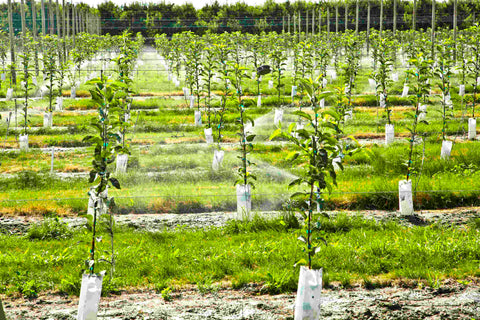 Hari Krishna Exports Pledges 10 Million Trees by 2030 with 1t.org
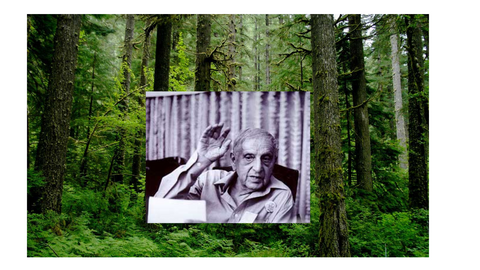 S. P. Godrej: Pioneering Green Innovation and Environmental Legacy
- Isha Bholra: Leading Green Innovation for Sustainable Future
 P. V. Satheesh: Sowing Seeds of Sustainability and Green Innovation
 Gaurav Manchanda: Environmental Leader Pioneering Green Innovation


Leave a comment