


Alpine Ash Tree: The Ultimate Guide to Growing This Majestic Species
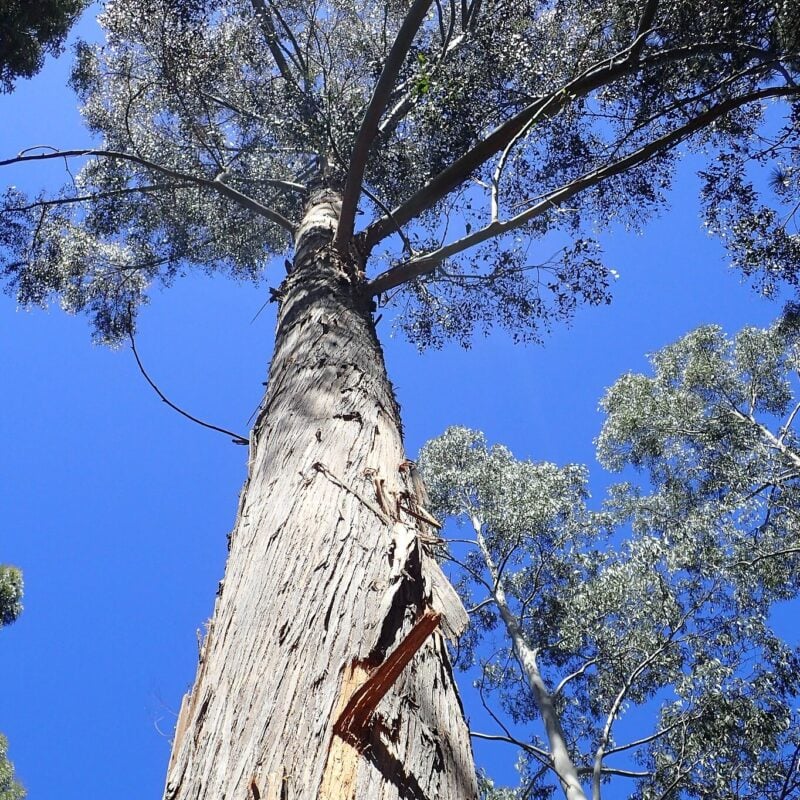
To grow the Alpine Ash Tree (Eucalyptus delegatensis) successfully, you need the cool temperate climates of its native Tasmania and Victoria, where it reaches 50–60 metres tall. This Australian keystone species features pale bark that naturally sheds in strips and requires understanding habitat conditions, water, and soil needs. This guide covers site selection, planting, and care to establish healthy trees.
The Alpine Ash Tree (Eucalyptus delegatensis) stands as one of nature's most magnificent specimens, reaching towering heights of 50-60 meters while serving as a vital keystone species in Australia's high-altitude ecosystems. This comprehensive guide reveals everything you need to know about successfully growing, nurturing, and thriving with this extraordinary tree species that's capturing the attention of environmentalists worldwide.
Understanding the Alpine Ash Tree ✅
The Alpine Ash Tree is native to the mountainous regions of Tasmania and Victoria, where it thrives in cool temperate climates. These majestic giants feature smooth, pale bark that naturally sheds in strips, revealing stunning creamy white or light grey surfaces beneath. The glossy green, lance-shaped leaves can grow up to 15 cm long, while delicate white flowers bloom from late spring to early summer, creating a spectacular display that attracts numerous pollinators.
What makes the Alpine Ash Tree truly remarkable is its impressive growth potential. With trunk diameters reaching up to 2 meters, these trees command respect in any landscape while providing exceptional ecological value. Their striking appearance combines beauty with functionality, making them ideal for both conservation projects and ornamental landscaping.
Historical and Ecological Significance ⭐
Historically, the Alpine Ash Tree has played a crucial role in Australia's timber industry. The wood is highly prized for its strength, durability, and excellent workability, making it perfect for furniture, flooring, and construction projects. However, over-exploitation and land clearing have significantly reduced populations, highlighting the urgent need for conservation efforts.
As a keystone species, the Alpine Ash Tree provides essential ecosystem support. It maintains soil health, prevents erosion, and supports diverse wildlife populations. The leaves serve as food for koalas, while the flowers attract bees, butterflies, and other vital pollinators. According to the United Nations Environment Programme on forests, such native species play critical roles in maintaining biodiversity and ecosystem stability.
Most importantly, Alpine Ash Trees contribute significantly to carbon sequestration, absorbing substantial amounts of CO2 from the atmosphere and helping combat climate change. This aligns perfectly with global environmental goals outlined by the United Nations climate change initiatives.
Growing Your Alpine Ash Tree: Complete Care Guide 💡
Climate and Soil Requirements
Alpine Ash Trees thrive in cool, temperate climates with well-drained soils. They prefer a pH range of 5.5 to 7.0 and tolerate various soil types including sandy, loamy, and clay soils. Avoid waterlogged conditions at all costs, as this leads to root rot and tree decline.
Propagation Methods
The most effective propagation method uses seeds collected from mature trees during flowering season. Follow these steps for success:
- ✅ Collect fresh seeds and allow them to dry completely
- ✅ Sow in well-draining potting mix, covering lightly with soil
- ✅ Maintain consistent moisture in warm, sunny location
- ✅ Expect germination within 2-4 weeks
Planting Your Alpine Ash Tree
Once seedlings reach 10 cm tall with several true leaves, they're ready for transplanting. Choose a full-sun location with adequate space for mature growth. Dig holes twice the root ball width and amend soil with organic matter before planting. This ensures optimal root development and long-term tree health.
Watering and Maintenance
Young Alpine Ash Trees require deep weekly watering during establishment. Once mature, they become relatively drought-tolerant but benefit from occasional watering during extended dry periods. Apply balanced slow-release fertilizer in early spring, following manufacturer instructions to avoid over-fertilization damage.
Environmental Impact and Conservation ⭐
The Alpine Ash Tree represents hope in our fight against deforestation and climate change. According to the World Wildlife Fund's research on deforestation, protecting and restoring native tree populations like the Alpine Ash is crucial for maintaining global forest ecosystems.
At Grow Billion Trees, we're committed to Combating Climate Change Through Collective Action by making tree planting accessible to everyone. Our mission to plant 100 crore trees across India includes supporting similar conservation efforts worldwide. When you Plant a tree in your Name for just ₹299, you join a global movement protecting species like the Alpine Ash Tree.
Our comprehensive 2-3ft Tree Planting + 3 Years Care + GeoTag service ensures your environmental contribution creates lasting impact. Through technology integration and expert care, we're helping individuals and corporations achieve their Net Zero Targets while supporting biodiversity conservation.
Pruning and Long-term Care
Proper pruning establishes strong central leaders and removes dead or diseased branches. Perform pruning during dormant seasons to minimize tree stress. Young trees benefit from formative pruning that encourages healthy structure and optimal growth patterns.
Monitor your Alpine Ash Tree regularly for signs of pest issues or diseases. Early detection and treatment prevent serious problems that could compromise tree health. Maintain adequate spacing between trees to ensure proper air circulation and reduce disease risk.
Benefits of Growing Alpine Ash Trees
Growing Alpine Ash Trees provides numerous benefits beyond their natural beauty. These magnificent specimens offer:
- Carbon sequestration - Absorbing significant CO2 amounts
- Wildlife habitat - Supporting diverse animal populations
- Soil improvement - Preventing erosion and enhancing soil health
- Air purification - Filtering pollutants and improving air quality
- Aesthetic value - Creating stunning landscape focal points
Challenges and Solutions
While Alpine Ash Trees are relatively hardy, they face several challenges in cultivation. Climate change, habitat loss, and disease pressure can impact tree health. Address these challenges through:
Site selection: Choose locations with appropriate microclimates that mimic natural habitat conditions. Ensure adequate drainage while maintaining soil moisture levels suitable for healthy growth.
Disease prevention: Implement integrated pest management strategies including regular monitoring, proper spacing, and organic treatment options when necessary.
Climate adaptation: Select planting sites that provide some protection from extreme weather events while maintaining optimal growing conditions.
Frequently Asked Questions
How fast do Alpine Ash Trees grow?
Alpine Ash Trees are moderate to fast growers, typically adding 1-2 meters in height annually under optimal conditions. Growth rates depend on climate, soil quality, and care provided during establishment years.
Can Alpine Ash Trees survive in different climates?
While naturally adapted to cool temperate climates, Alpine Ash Trees can adapt to slightly warmer conditions with proper care. However, they perform best in their native climate ranges with adequate moisture and cool temperatures.
What wildlife does the Alpine Ash Tree support?
Alpine Ash Trees support koalas, various bird species, native insects, and pollinators. The flowers attract bees and butterflies, while the foliage provides food and shelter for numerous native animals.
How much space do Alpine Ash Trees need?
Given their potential 50-60 meter height and broad canopy spread, Alpine Ash Trees require significant space. Plant at least 20-30 meters from buildings and other large trees to accommodate mature size.
Are Alpine Ash Trees suitable for urban environments?
While challenging in dense urban settings due to their size requirements, Alpine Ash Trees can thrive in large parks, suburban properties, and urban forest projects with adequate space and proper planning.
What's the best time to plant Alpine Ash Trees?
Plant Alpine Ash Trees during cooler months, typically autumn or early spring, when temperatures are moderate and rainfall is adequate for establishment without heat stress.
Do Alpine Ash Trees require special fertilizers?
Alpine Ash Trees benefit from balanced, slow-release fertilizers applied in early spring. Avoid high-nitrogen fertilizers that can promote excessive soft growth susceptible to damage.
How can I tell if my Alpine Ash Tree is healthy?
Healthy Alpine Ash Trees display vibrant green foliage, steady growth, smooth bark shedding patterns, and regular flowering. Watch for yellowing leaves, stunted growth, or bark damage as potential health indicators.
Supporting Global Conservation Efforts
Every Alpine Ash Tree planted contributes to global reforestation efforts and climate change mitigation. By choosing to grow these magnificent trees, you're supporting biodiversity conservation and helping restore critical ecosystems that have suffered from decades of deforestation.
Join our mission at Grow Billion Trees to create lasting environmental impact. Our tree planting programs extend beyond individual species to encompass comprehensive ecosystem restoration including Miyawaki forests, mangrove restoration, and agroforestry initiatives that benefit both people and planet.
Conclusion: Growing Your Alpine Ash Legacy
The Alpine Ash Tree represents more than just another species to grow – it symbolizes our commitment to environmental stewardship and sustainable future creation. Through proper care, thoughtful planting, and dedicated maintenance, these majestic trees can thrive for generations while providing invaluable ecological services.
Whether you're planting for personal enjoyment, conservation purposes, or corporate environmental goals, the Alpine Ash Tree offers exceptional rewards. Its impressive stature, ecological importance, and carbon sequestration capabilities make it an ideal choice for anyone serious about environmental impact.
Ready to start your Alpine Ash Tree journey? Discover our comprehensive tree planting programs and join thousands of environmentally conscious individuals creating positive change through collective action. Together, we can grow a greener, more sustainable future – one magnificent Alpine Ash Tree at a time.
Keep reading
 Silver Birch Tree: Nature's Graceful Wonder & Environmental Champion
 Jackalberry Tree: Nature's Hidden Gem and Its Surprising Benefits for Wildlife and Ecosystems
 Chinese Parasol Tree: The Ultimate Guide to Beauty, Benefits & Care
 Burmese Grape Tree: Unlocking the Secrets of Nature's Sweetest Superfruit!
 Hawaiian Sandalwood Tree: Ultimate Guide to Mystical Benefits & Sustainable Harvesting
 Redwood Ash Tree: Unveiling Nature's Majestic Carbon-Capturing Marvel

Comments
Leave a comment