
Bald Cypress Tree: The Majestic Aquatic Wonder Transforming Wetlands and Landscapes
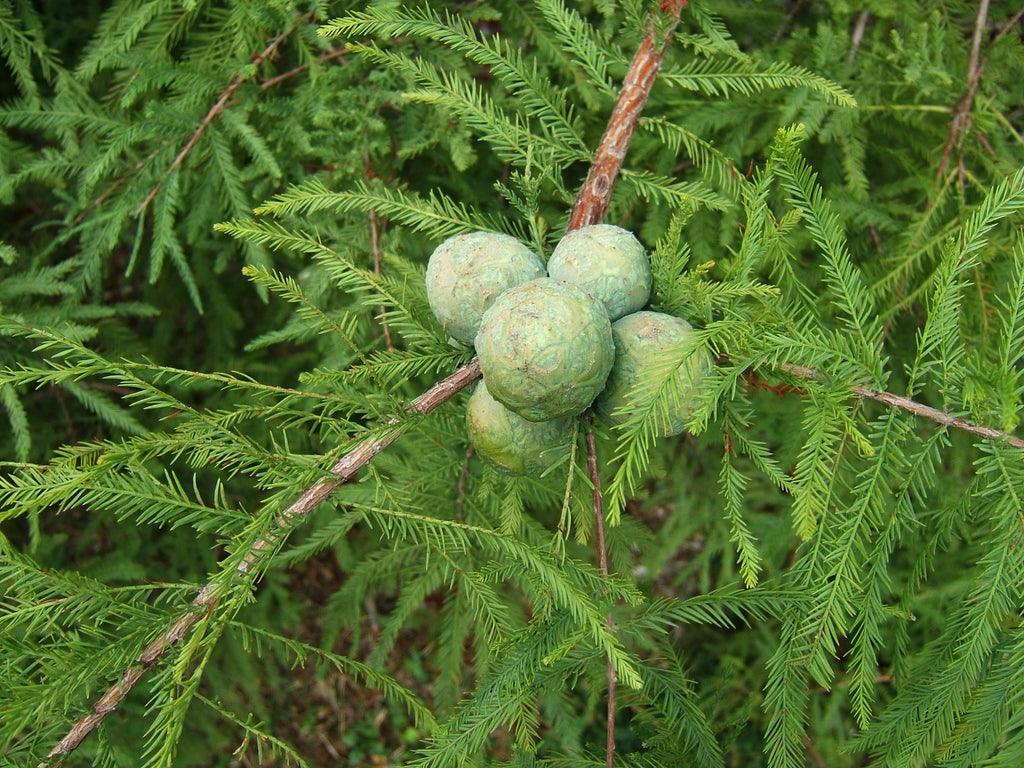
The Bald Cypress (Taxodium distichum) is a deciduous conifer that transforms wetlands through its ability to thrive in waterlogged environments. Reaching heights of 120 feet and living over 1,000 years, it features specialized root structures called knees that aid gas exchange in wet soil. These trees provide crucial habitat and stabilize soft wetland landscapes.
The Bald Cypress tree, scientifically known as Taxodium distichum, stands as a magnificent symbol of resilience and beauty in aquatic ecosystems.
This majestic tree is not only an iconic feature of wetlands but also plays a crucial role in transforming landscapes and supporting biodiversity.
In this blog, we will explore the various aspects of the Bald Cypress tree, including its unique characteristics, environmental impact, historical significance, and how organizations like Grow Billion Trees Partners are actively involved in promoting its growth and conservation.
Characteristics of the Bald Cypress Tree
The Bald Cypress is a deciduous conifer that can reach heights of up to 120 feet (36 meters) and live for over 1,000 years. Its trunk can measure up to 30 feet (9 meters) in circumference, making it one of the largest trees in North America.
The tree's distinctive, feathery, needle-like leaves are arranged in a unique, alternate pattern, creating a lush canopy that provides shade and habitat for various wildlife species.
One of the most fascinating features of the Bald Cypress is its ability to thrive in waterlogged environments. Its unique root system includes specialized structures called "knees," which protrude above the water's surface.
These knees are thought to help with gas exchange and provide stability in soft, wet soil. The tree's ability to adapt to flooding and saturated soils makes it a vital component of wetland ecosystems.
Fun Facts About Bald Cypress
- The Bald Cypress is often referred to as a "swamp tree" due to its preference for wetland habitats.
- It is one of the few conifers that lose its needles in the fall, hence the name "bald."
- Bald Cypress trees can grow in a variety of soil types, from sandy to clay, showcasing their adaptability.
- The wood of the Bald Cypress is highly resistant to decay, making it a popular choice for building materials, particularly in outdoor applications.
- These trees can support a diverse range of wildlife, including birds, amphibians, and fish, making them integral to their ecosystems.
Historical Significance
The Bald Cypress has a rich history that dates back thousands of years. Native American tribes revered this tree for its strength and versatility. They used its wood for constructing canoes, homes, and tools. The tree's bark was also utilized for medicinal purposes, showcasing its importance in indigenous cultures.
During the 19th century, the Bald Cypress became a target for logging, primarily due to its durable wood.
This led to significant deforestation in many areas, particularly in the southern United States, where vast swaths of wetlands were drained for agriculture and urban development. The consequences of these actions are still felt today, as wetland ecosystems have been severely diminished, leading to habitat loss and increased flooding.
Environmental Impact
The Bald Cypress tree plays an essential role in maintaining the health of wetland ecosystems. Its extensive root system helps stabilize soil, reducing erosion and preventing sediment runoff into nearby water bodies. This stabilization is crucial for maintaining water quality and preventing harmful algal blooms.
Moreover, Bald Cypress trees act as natural water filters. They absorb excess nutrients and pollutants from the water, improving overall water quality and promoting a healthy aquatic environment. Their presence also enhances biodiversity, providing habitat for numerous species, including migratory birds, fish, and amphibians.
In addition to their ecological benefits, Bald Cypress trees also contribute to carbon sequestration. As they grow, they absorb carbon dioxide from the atmosphere, helping to mitigate climate change. A mature Bald Cypress tree can sequester a significant amount of carbon, making it an important ally in the fight against global warming.
Challenges Facing the Bald Cypress
Despite its resilience, the Bald Cypress faces numerous challenges in the modern world. Habitat destruction due to urbanization, agriculture, and climate change poses significant threats to its survival. Wetland drainage and pollution have led to declines in Bald Cypress populations, particularly in areas where they once thrived.
Additionally, invasive species can disrupt the delicate balance of wetland ecosystems, further endangering the Bald Cypress and other native species. As temperatures rise and precipitation patterns change due to climate change, the future of the Bald Cypress may be uncertain without concerted conservation efforts.
Grow Billion Trees Partners: A Commitment to Conservation
Recognizing the vital role that the Bald Cypress plays in maintaining healthy ecosystems, organizations like Grow Billion Trees Partners are dedicated to promoting its growth and conservation. This initiative aims to restore degraded wetlands and landscapes by planting billions of trees, including the Bald Cypress, across various regions.
Grow Billion Trees Partners executes its projects through a collaborative approach, working with local communities, governments, and environmental organizations. Their efforts include:
- Tree Planting Initiatives: Organizing large-scale tree planting events to restore wetland habitats and improve biodiversity.
- Community Engagement: Educating local communities about the importance of the Bald Cypress and other native species, fostering a sense of stewardship for the environment.
- Research and Monitoring: Conducting scientific research to assess the health of Bald Cypress populations and monitor the success of restoration efforts.
- Advocacy: Advocating for policies that protect wetland ecosystems and promote sustainable land use practices.
Through these initiatives, Grow Billion Trees Partners not only aims to restore the Bald Cypress population but also to enhance the overall health of wetland ecosystems. Their commitment to sustainability and conservation is essential in combating the challenges faced by the Bald Cypress and ensuring its survival for future generations.
Conclusion
The Bald Cypress tree is a majestic aquatic wonder that plays a crucial role in transforming wetlands and landscapes. Its unique characteristics, historical significance, and environmental impact make it a vital component of our ecosystems.
As we face increasing environmental challenges, the efforts of organizations like Grow Billion Trees Partners are more important than ever. By promoting the growth and conservation of the Bald Cypress, we can help ensure a healthier and more sustainable future for our planet.
In summary, the Bald Cypress is not just a tree; it is a symbol of resilience, adaptability, and the interconnectedness of life within wetland ecosystems. As we work together to protect and restore these vital habitats, we pave the way for a greener, more sustainable world.
Further reading: Pond Cypress Tree: Complete Guide to Nature's Water Guardian · Mexican Cypress Tree: Ultimate Guide to Growing & Landscape Care
Frequently Asked Questions
What is the Bald Cypress tree?
The Bald Cypress, or Taxodium distichum, is a stunning deciduous conifer that can reach heights of 120 feet and live for over 1,000 years. Known for its unique feathery leaves and impressive trunk size, it thrives in waterlogged environments, making it a superstar in wetland ecosystems.
Why is it called the "Bald" Cypress?
The Bald Cypress earned its name because it’s one of the few conifers that sheds its needle-like leaves in the fall. While other conifers hold onto their foliage, this tree embraces its bare beauty, proving that sometimes less is more—even in the world of trees.
What are the unique features of the Bald Cypress?
This majestic tree features a unique root system with "knees" that poke above the water's surface, aiding in gas exchange and stability. Its feathery leaves create a lush canopy, providing shade and habitat for various wildlife. Talk about a multitasking tree!
What is the environmental impact of the Bald Cypress?
The Bald Cypress plays a vital role in wetland ecosystems by stabilizing soil, preventing erosion, and acting as a natural water filter. Its ability to absorb excess nutrients and pollutants enhances water quality, making it a true eco-warrior in the fight for cleaner environments.
How does the Bald Cypress support biodiversity?
The Bald Cypress is a habitat hero! It provides shelter and food for a diverse range of wildlife, including birds, amphibians, and fish. By supporting these species, it helps maintain the delicate balance of wetland ecosystems, proving that trees can be nature’s best landlords.
What challenges does the Bald Cypress face?
Despite its resilience, the Bald Cypress faces threats from habitat destruction, urbanization, and climate change. Wetland drainage and pollution have led to declines in its populations, while invasive species further disrupt the ecosystem. It’s a tough world out there for this magnificent tree!
What historical significance does the Bald Cypress hold?
The Bald Cypress has a rich history, revered by Native American tribes for its strength and versatility. Used for crafting canoes and tools, its wood was prized for construction. Unfortunately, logging in the 19th century led to significant deforestation, impacting wetland ecosystems.
How does the Bald Cypress contribute to carbon sequestration?
As the Bald Cypress grows, it absorbs carbon dioxide from the atmosphere, helping mitigate climate change. A mature tree can sequester a significant amount of carbon, making it an unsung hero in the battle against global warming. Who knew trees could be climate champions?
What is Grow Billion Trees Partners?
Grow Billion Trees Partners is a dedicated initiative focused on promoting the growth and conservation of trees, including the Bald Cypress. They engage in tree planting, community education, and advocacy, working collaboratively to restore degraded wetlands and enhance biodiversity. Talk about a tree-loving squad!
How can I help with Bald Cypress conservation?
You can support Bald Cypress conservation by participating in local tree planting events, educating yourself and others about its importance, and advocating for policies that protect wetland ecosystems. Every little effort counts in the fight to preserve this vital tree and its habitat!
What makes the Bald Cypress a "swamp tree"?
The Bald Cypress is often dubbed a "swamp tree" due to its preference for wetland habitats. Its unique adaptations, like its water-loving roots and knee structures, allow it to thrive in soggy soils, making it a true connoisseur of swamp life!
Keep reading
 Pond Cypress Tree: Complete Guide to Nature's Water Guardian
 Mexican Cypress Tree: Ultimate Guide to Growing & Landscape Care
 Swamp Mahogany Tree: The Ultimate Guide to Its Beauty, Benefits, and Sustainable Growth
 Common Alder Tree: The Unsung Hero of Wetlands and Wildlife
 Italian Cypress Tree: Transform Your Garden into a Mediterranean Paradise


Comments
Leave a comment