
Common Alder Tree: The Unsung Hero of Wetlands and Wildlife
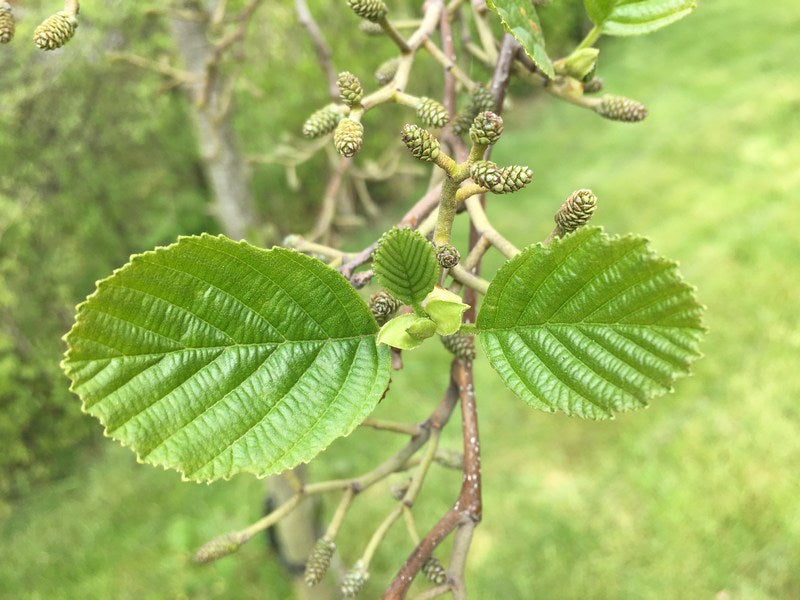
The Common Alder tree (Alnus glutinosa), native to Europe and parts of Asia, is a wetland species that enriches soils through nitrogen-fixing bacteria in its root nodules, supporting plant biodiversity. It thrives along riverbanks, lakeshores, and floodplains, providing essential habitat for woodpeckers, siskins, songbirds, and other wildlife, while its cones produce seeds that serve as food sources.
The Common Alder tree (Alnus glutinosa) stands as nature's most overlooked champion of wetland ecosystems. This remarkable deciduous species, native to Europe and parts of Asia, transforms waterlogged landscapes into thriving biodiversity hotspots while combating climate change through collective action. From its unique nitrogen-fixing abilities to its crucial role in supporting wildlife, the Common Alder tree deserves recognition as an environmental powerhouse.
✅ Ecological Importance of Common Alder Trees
The Common Alder tree thrives in wetland areas, often found along riverbanks, lakeshores, and in floodplains. Its unique adaptations allow it to flourish in waterlogged soils, making it a vital component of wetland ecosystems that align with United Nations Sustainable Development Goals.
One of the most fascinating aspects of the Common Alder is its symbiotic relationship with nitrogen-fixing bacteria, specifically Frankia alni. These bacteria colonize the root nodules of the tree, converting atmospheric nitrogen into a form that plants can absorb. This process enriches the soil, promoting biodiversity and supporting other plant species in the area.
Furthermore, Common Alders provide essential habitat for a variety of wildlife. Birds such as woodpeckers, siskins, and various songbirds are known to nest in their branches. The tree's cones produce seeds that serve as a food source for small mammals and birds. Additionally, the decaying wood of fallen Alders creates a rich habitat for insects and fungi, contributing to the overall health of the ecosystem.
⭐ Fun Facts About Common Alder Trees
- Fast Growth: Common Alders are known for their rapid growth, often reaching heights of 20 to 30 meters (65 to 98 feet) within a few decades
- Longevity: While they grow quickly, their lifespan averages between 60 to 100 years, depending on environmental conditions
- Unique Bark: The bark of the Common Alder is dark brown to gray and has a distinctive texture, which becomes furrowed with age
- Medicinal Uses: Historically, various parts of the Alder tree have been used in traditional medicine to treat ailments such as inflammation and skin conditions
- Wood Characteristics: Alder wood is prized for its workability and resistance to water, making it a popular choice for crafting furniture and musical instruments
Historical Context and Cultural Significance
The Common Alder has a rich historical significance that spans millennia. Ancient civilizations recognized its value and used its wood for various purposes, including boat building and tool making. The Romans were particularly fond of Alder wood, which they used in the construction of their aqueducts due to its resistance to water.
In Celtic traditions, the Alder tree was considered sacred, symbolizing protection and rebirth. It was often associated with the goddess of the underworld, and its wood was used to make shields and other protective gear. This cultural reverence highlights humanity's long-standing recognition of the tree's special properties.
In the 19th century, the ecological importance of Common Alders began to gain scientific recognition. Ecologists discovered their role in stabilizing riverbanks and preventing soil erosion. Today, they are often planted in restoration projects aimed at rehabilitating degraded wetland areas, showcasing their enduring relevance in environmental conservation.
💡 Environmental Impact and Climate Benefits
Common Alder trees play a crucial role in mitigating climate change, supporting global efforts outlined by the United Nations Climate Change initiatives. Their ability to sequester carbon dioxide makes them essential in achieving net zero targets. Research indicates that a mature Alder tree can absorb approximately 48 pounds of carbon dioxide per year.
Moreover, their nitrogen-fixing capabilities improve soil fertility, promoting healthier plant growth and enhancing the resilience of ecosystems. This natural process creates a foundation for sustainable forest management practices that benefit entire watersheds.
Wetlands, where Common Alders are predominantly found, are among the most productive ecosystems on the planet. They act as natural water filters, trapping pollutants and improving water quality. By stabilizing soil and reducing erosion, Alders contribute to the overall health of aquatic habitats, benefiting fish and other wildlife that rely on these environments for survival.
Additionally, Common Alders help regulate water levels in wetlands. Their root systems absorb excess water during periods of heavy rainfall, reducing the risk of flooding. Conversely, they release water during drier spells, maintaining a balanced hydrological cycle that is vital for the survival of many species.
🌱 Grow Billion Trees: Championing Alder Conservation
Organizations like Grow Billion Trees are at the forefront of promoting the growth and sustainability of Common Alder trees and other native species. Our mission aligns with United Nations Environment Programme forest conservation goals to restore degraded landscapes and enhance biodiversity through large-scale tree planting initiatives.
Through our comprehensive programs, we offer 2-3ft Tree Planting + 3 Years Care + GeoTag services that ensure each Common Alder tree receives proper nurturing. When you Plant a tree in your Name for just ₹299, you're directly contributing to wetland restoration and wildlife habitat creation.
Our specialized programs include:
- Wetland restoration projects featuring Common Alder trees
- Corporate partnerships for achieving environmental goals
- Educational initiatives about wetland ecosystem importance
- Long-term monitoring through GeoTag technology
Wildlife Benefits and Biodiversity Support
The Common Alder tree serves as a cornerstone species in wetland ecosystems, supporting an incredible diversity of wildlife. Its dense canopy provides nesting sites for over 30 bird species, including the endangered willow tit and various warbler species. The tree's catkins bloom early in spring, providing crucial nectar for pollinators when few other food sources are available.
Small mammals such as voles, shrews, and water rats depend on Alder groves for shelter and food. The tree's seeds, contained in small cone-like structures, remain available throughout winter, providing essential nutrition during harsh months. Beavers particularly favor Alder wood for dam construction due to its water-resistant properties.
The root system creates underwater habitat structures that fish species use for spawning and juvenile development. This makes Common Alder trees essential for maintaining healthy freshwater fish populations, supporting both biodiversity and local fishing communities.
Planting and Care Guidelines
Successfully establishing Common Alder trees requires understanding their specific needs and preferences. These trees thrive in consistently moist to waterlogged soils with pH levels between 6.0 and 7.5. They prefer full sun to partial shade conditions and can tolerate periodic flooding.
Optimal planting conditions include:
- Soil moisture: Consistently wet to waterlogged
- Drainage: Poor to moderate (they actually prefer poor drainage)
- Sunlight: Full sun to partial shade
- Spacing: 3-4 meters apart for grove plantings
- Best planting time: Late autumn to early spring when dormant
Young Alder trees benefit from protection against browsing animals and regular watering during their first growing season. Once established, they require minimal maintenance and begin nitrogen fixation within their second year of growth.
→ Modern Applications and Urban Planning
Contemporary landscape architects and urban planners increasingly recognize the Common Alder tree's value in sustainable city design. These trees excel in bioswales, rain gardens, and constructed wetlands that manage stormwater runoff while providing green infrastructure benefits.
Modern applications include:
- Stormwater management systems in urban areas
- Phytoremediation projects for contaminated soil treatment
- Living shoreline stabilization along waterways
- Green corridors connecting fragmented habitats
- Carbon sequestration projects for corporate sustainability goals
The tree's rapid growth and low maintenance requirements make it ideal for large-scale restoration projects. Many municipalities now specify Common Alders in their climate adaptation strategies, recognizing their role in flood mitigation and air quality improvement.
Further reading: Black Alder Tree: Nature's Resilient Wonder for Ecosystem Restoration · Alder Tree: The Tree of Waterways and Riverside
Frequently Asked Questions
How fast do Common Alder trees grow?
Common Alder trees are exceptionally fast-growing, typically adding 2-3 feet of height annually under optimal conditions. They can reach 15-20 feet within five years and achieve full maturity of 65-98 feet within 20-30 years.
Can Common Alder trees survive in dry conditions?
While Common Alders prefer wet conditions, mature trees can tolerate brief dry periods. However, they perform best with consistent moisture and may struggle in prolonged drought conditions without supplemental watering.
Do Common Alder trees require special soil preparation?
Common Alders actually prefer poor-draining, waterlogged soils that other trees cannot tolerate. They require minimal soil preparation and often improve soil quality through their nitrogen-fixing capabilities.
What wildlife benefits most from Common Alder trees?
Over 30 bird species, numerous small mammals, aquatic insects, and fish species benefit from Common Alders. They're particularly valuable for early-season pollinators and provide year-round wildlife habitat.
How do Common Alder trees help with flood control?
Their extensive root systems absorb large quantities of water during heavy rainfall, reducing flood risk. They also slow water flow and trap sediments, protecting downstream areas from erosion.
Can I plant Common Alder trees in my backyard?
Yes, if you have consistently moist soil conditions. They're excellent for rain gardens, pond edges, or low-lying areas where other trees struggle to survive.
What's the difference between Common Alder and other Alder species?
Common Alder (Alnus glutinosa) is distinguished by its sticky young shoots, rounded leaves with serrated edges, and preference for very wet conditions compared to other Alder species.
How do Common Alder trees contribute to carbon sequestration?
A mature Common Alder can sequester approximately 48 pounds of CO2 annually. Their fast growth rate and dense wood make them effective carbon storage systems throughout their 60-100 year lifespan.
Are Common Alder trees suitable for restoration projects?
Absolutely. Their nitrogen-fixing abilities, rapid establishment, and tolerance for disturbed soils make them ideal pioneer species for wetland and riparian restoration projects.
What maintenance do Common Alder trees require?
Once established, Common Alders require minimal maintenance. Young trees benefit from protection against browsing and regular watering during dry spells in their first year.
Join the Movement: Plant Your Common Alder Today
The Common Alder tree represents hope for our planet's wetland ecosystems and wildlife diversity. Through Combating Climate Change Through Collective Action, we can restore these vital habitats while working toward our goal of planting 100 crore trees across India.
By choosing to plant Common Alder trees, you're investing in:
- ✅ Wildlife habitat restoration and biodiversity conservation
- ✅ Natural flood control and water quality improvement
- ✅ Carbon sequestration and climate change mitigation
- ✅ Soil enhancement through nitrogen fixation
- ✅ Long-term ecosystem health and sustainability
Ready to make a lasting environmental impact? Discover how you can plant your own Common Alder tree today and join thousands of eco-conscious individuals creating a greener, more sustainable future for generations to come.
Keep reading
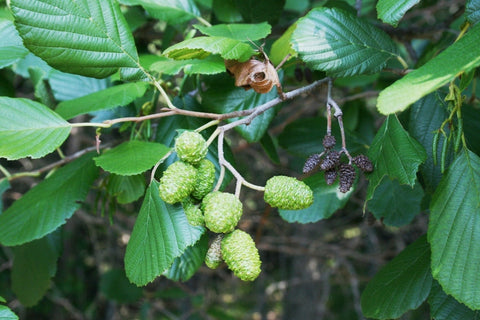 Black Alder Tree: Nature's Resilient Wonder for Ecosystem Restoration
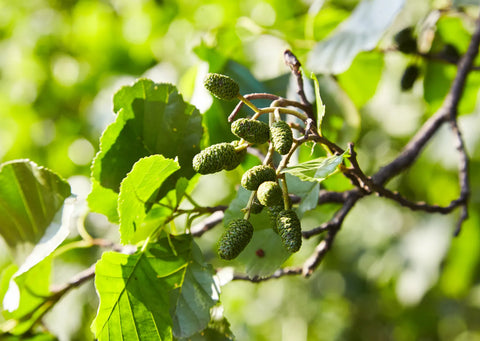 Alder Tree: The Tree of Waterways and Riverside
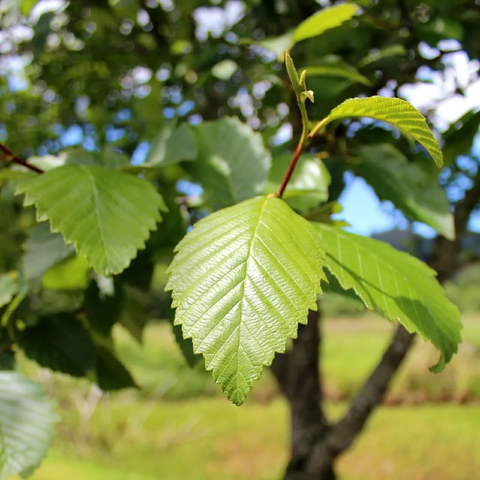 Red Alder Tree: The Ultimate Guide to Benefits, Care & Characteristics
 Bald Cypress Tree: The Majestic Aquatic Wonder Transforming Wetlands and Landscapes
 Pond Cypress Tree: Complete Guide to Nature's Water Guardian


Comments
Leave a comment