
Bija Tree: Uncovering the Majestic Secrets of Nature’s Timeless Healer and Ecological Guardian

The Bija Tree (Pterocarpus marsupium), also known as the Indian Kino Tree, is a large deciduous tree native to the Indian subcontinent that can grow up to 30 metres tall. Revered in Ayurveda for treating diabetes, wounds, and skin ailments, it serves as both a medicinal resource and an ecological keystone species across tropical and subtropical regions of India.
The Bija Tree, scientifically known as Pterocarpus marsupium, is a towering natural wonder renowned for its medicinal properties, ecological significance, and cultural heritage.
Commonly called Indian Kino Tree, it is native to the Indian subcontinent and has been revered for centuries for its ability to heal, sustain, and enrich ecosystems.
From ancient Ayurveda to modern conservation, the Bija Tree remains a symbol of resilience and natural abundance. Let’s explore its fascinating history, scientific importance, and environmental contributions.
What is the Bija Tree?
The Bija Tree belongs to the Fabaceae family and thrives in tropical and subtropical regions. It is a large, deciduous tree that can grow up to 30 meters tall, with a sturdy trunk, spreading branches, and lush foliage.
Its heartwood, often referred to as “Malabar Kino,” is highly valued for its medicinal properties, while its resin and bark are equally beneficial.
Historical and Cultural Significance
The Bija Tree holds a special place in Indian traditions and medicine. Ancient Ayurvedic texts describe its use in treating diabetes, wounds, and skin ailments.
The tree’s wood was historically used to craft water storage containers, believed to enhance the water’s therapeutic qualities. It has also been a part of cultural practices, symbolizing strength and vitality.
Fun Fact: The resin from the Bija Tree was once used as a natural dye and an ingredient in herbal remedies across South Asia.
Medicinal Properties of the Bija Tree
The Bija Tree is a cornerstone of traditional medicine, offering a range of therapeutic benefits. Its bark, resin, and heartwood contain bioactive compounds like flavonoids, tannins, and kinotannic acid.
- Anti-diabetic: Its heartwood is used to manage blood sugar levels, making it a natural remedy for diabetes.
- Wound Healing: The resin and bark are applied to cuts and wounds to promote faster healing and prevent infections.
- Anti-inflammatory: Extracts from the tree reduce inflammation and pain, offering relief for arthritis and joint issues.
- Antioxidant Properties: Its bioactive compounds combat oxidative stress, enhancing overall immunity and health.
Scientific Backing
Studies published in the Journal of Ethnopharmacology confirm the Bija Tree’s anti-diabetic and wound-healing properties. Research also highlights its potential in treating inflammation and oxidative stress-related disorders, validating its traditional uses.
Environmental Impact
The Bija Tree is more than a medicinal marvel; it plays a vital role in preserving ecological balance. Its dense canopy, extensive root system, and ability to sequester carbon make it a crucial ally in combating environmental challenges.
- Biodiversity Support: The tree provides shelter and food for birds, insects, and small mammals, contributing to vibrant ecosystems.
- Soil Stabilization: Its roots prevent soil erosion and improve soil fertility, making it valuable for reforestation projects.
- Carbon Sequestration: As a large tree, it absorbs significant amounts of carbon dioxide, aiding in climate change mitigation.
Fun Fact: The Bija Tree’s resin is sometimes referred to as “Dragon’s Blood” due to its deep red color and historical significance as a healing agent.
Bija Tree in Agroforestry and Reforestation
The Bija Tree is a favorite in agroforestry systems for its ability to enhance soil quality, provide shade, and support crop productivity. It is also a key player in reforestation efforts, helping restore degraded lands and combat desertification.
Planting and Caring for the Bija Tree
- Soil: Thrives in well-drained sandy or loamy soils but can adapt to clay-rich environments.
- Sunlight: Requires full sunlight for optimal growth and foliage density.
- Watering: Needs moderate watering during its early growth stages; becomes drought-tolerant once established.
- Pruning: Regular pruning encourages healthier growth and prevents overcrowding of branches.
Modern Applications
Beyond its traditional uses, the Bija Tree has found applications in modern industries. Its wood is used for furniture and construction, while its resin is being studied for pharmaceutical and cosmetic products.
The tree’s ability to support agroforestry and sustainable land management further highlights its modern relevance.
Cultural Symbolism
The Bija Tree is often regarded as a symbol of resilience and vitality in Indian culture. Its presence near temples and homes is considered auspicious, representing protection and prosperity.
The tree’s long lifespan and ability to thrive in diverse conditions make it a metaphor for endurance and strength.
Conservation and Sustainability
Despite its hardiness, the Bija Tree faces threats from deforestation and overexploitation.
Promoting its cultivation in urban and rural areas can help preserve its ecological and medicinal value. Incorporating it into sustainable forestry and conservation programs ensures its benefits endure for future generations.
Conclusion
The Bija Tree stands as a testament to nature’s ability to heal and sustain. From its role in traditional medicine to its contributions to biodiversity and climate resilience, it remains a timeless symbol of ecological and cultural significance.
By celebrating and conserving this majestic tree, we ensure its legacy continues to inspire, heal, and protect our planet for generations to come.
Further reading: Peltaform Tree: Unlocking the Mystical Secrets and Ecological Wonders of Nature’s Majestic Healer · Saja Tree: Revealing the Hidden Treasures and Healing Powers of Nature’s Timeless Guardian
Frequently Asked Questions
What is the Bija Tree?
The Bija Tree, scientifically known as Pterocarpus marsupium, is a large deciduous tree celebrated for its medicinal properties, durable wood, and environmental contributions.
Why is the Bija Tree called a timeless healer?
Its bark, resin, and heartwood treat diabetes, inflammation, and wounds, earning it a reputation as a natural remedy powerhouse for centuries.
What are the environmental benefits of the Bija Tree?
From stabilizing soil to sequestering carbon and supporting biodiversity, the Bija Tree is an ecological guardian and climate warrior in every sense.
How does the Bija Tree support agroforestry?
Its ability to improve soil fertility, provide shade, and coexist with crops makes it a sustainable ally for farmers in agroforestry systems.
What are the cultural significances of the Bija Tree?
Often symbolizing strength and vitality, the tree is revered in rituals and traditions, representing resilience and prosperity in Indian culture.
Can the Bija Tree thrive in urban areas?
Absolutely! This adaptable tree thrives in well-drained soils with full sunlight, making it a great addition to urban green spaces and parks.
What are the modern uses of the Bija Tree?
Its wood is used for furniture, its resin is studied for pharmaceuticals, and its environmental benefits are leveraged in sustainable land management projects.
Why should we conserve the Bija Tree?
Overexploitation and habitat loss threaten this majestic tree, and conservation ensures its medicinal, ecological, and cultural legacy is preserved for generations.
Keep reading
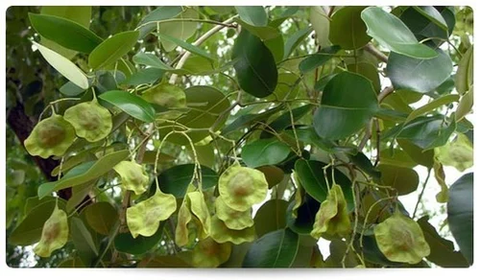 Indian Kino Tree: Unlocking the Secrets of Nature's Healing Power and Cultural Significance
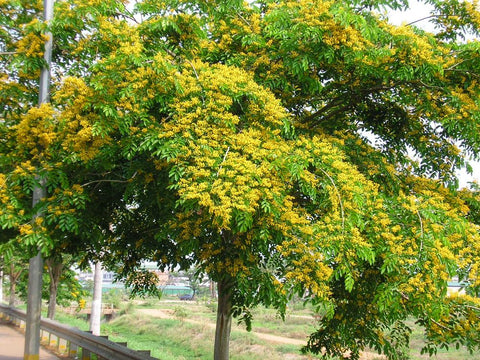 Peltaform Tree: Unlocking the Mystical Secrets and Ecological Wonders of Nature’s Majestic Healer
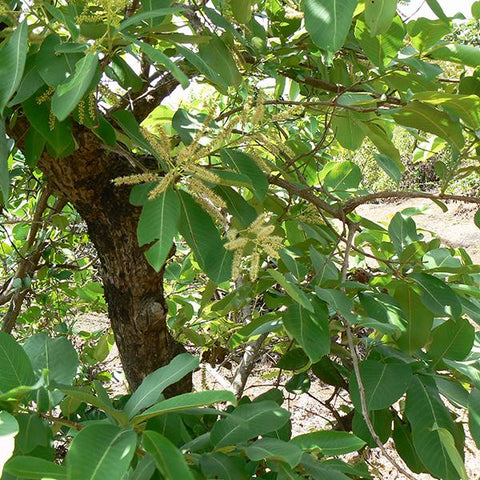 Saja Tree: Revealing the Hidden Treasures and Healing Powers of Nature’s Timeless Guardian
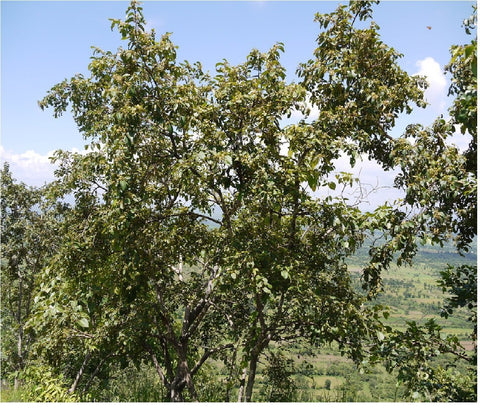 Dhawada Tree: Unlocking the Ancient Healing Secrets and Ecological Brilliance of Nature’s Resilient Marvel
 Adusa Tree: Unveiling the Ancient Healing Secrets and Ecological Brilliance of Nature’s Medicinal Marvel


Comments
Leave a comment