
Black Willow Tree: Unveiling the Secrets of Nature's Resilient Beauty and Benefits
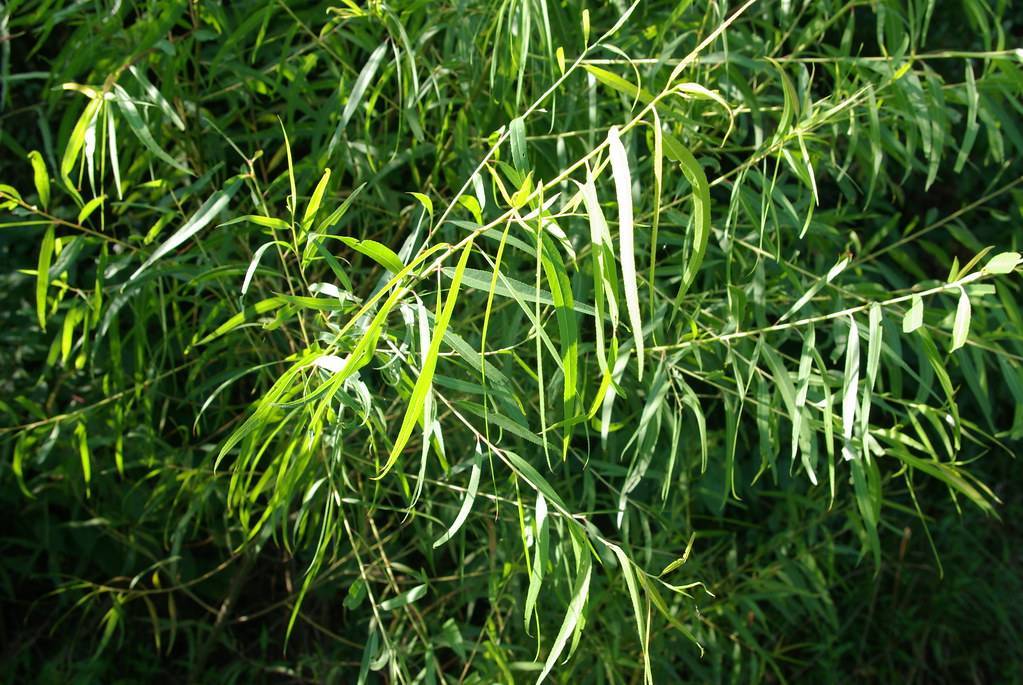
The Black Willow (Salix nigra) is a deciduous tree native to eastern North America that grows up to 100 feet tall, with dark brown to gray bark and slender lanceolate leaves up to 6 inches long. It produces catkins in spring, which are essential for pollination and serve an important ecological role.
The Black Willow tree, scientifically known as Salix nigra, is a remarkable species that showcases nature's resilience and beauty.
With its graceful form, lush foliage, and unique ecological benefits, the Black Willow has captured the attention of botanists, environmentalists, and nature enthusiasts alike.
In this blog, we will delve into the scientific data, fun facts, historical significance, environmental impact, and the role of organizations like Grow Billion Trees Partners in promoting the growth of this extraordinary tree.
Scientific Classification and Characteristics
The Black Willow is a deciduous tree native to North America, primarily found in the eastern United States and parts of Canada. It belongs to the Salicaceae family, which includes other willows and poplars.
The tree can grow up to 100 feet tall, with a trunk diameter of 2 to 3 feet. Its bark is dark brown to gray and deeply furrowed, providing a rugged texture that contributes to its aesthetic appeal.
One of the most striking features of the Black Willow is its long, slender leaves, which can reach up to 6 inches in length.
The leaves are lanceolate, serrated, and have a glossy green appearance on the upper side, while the underside is pale and hairy. In spring, the tree produces catkins—long, cylindrical clusters of flowers that are essential for pollination. These catkins are an important food source for bees and other pollinators.
Fun Facts about Black Willow
- Fast Growth: Black Willows are known for their rapid growth, often reaching maturity in just 10 to 15 years.
- Habitat Preference: This tree thrives in wetland areas, often found along riverbanks, floodplains, and marshes, showcasing its adaptability to various soil types.
- Medicinal Uses: Historically, Native Americans utilized the bark of the Black Willow to create teas for pain relief, as it contains salicin, a compound similar to aspirin.
- Wildlife Habitat: The tree provides habitat and food for various wildlife species, including birds, insects, and mammals.
- Carbon Sequestration: As a fast-growing tree, the Black Willow plays a significant role in carbon sequestration, helping to mitigate climate change.
Historical Significance
The Black Willow has a rich history intertwined with the cultural practices of indigenous peoples and early settlers. Native Americans revered the tree for its medicinal properties, often using it to treat fevers and pain. The bark was also used in basket weaving and for making ropes and mats.
In the 19th century, settlers recognized the value of Black Willows for erosion control and stream bank stabilization. Its extensive root system helps to hold soil in place, making it an essential species for maintaining the integrity of riparian ecosystems. The tree's ability to thrive in wet conditions made it a popular choice for landscaping in flood-prone areas.
Environmental Impact
The Black Willow tree is not only beautiful but also plays a crucial role in maintaining ecological balance. Its deep root system helps prevent soil erosion, particularly along riverbanks and lakeshores. This is vital in preserving water quality, as it reduces sediment runoff into waterways.
Additionally, the Black Willow provides critical habitat for various wildlife species. Its dense foliage offers shelter for birds, while its flowers attract pollinators, including bees and butterflies. The tree also serves as a food source for herbivores, including deer and rabbits, contributing to the biodiversity of the ecosystem.
Moreover, the Black Willow’s ability to absorb excess water makes it an excellent choice for wetland restoration projects. By planting Black Willows in degraded areas, environmentalists can help restore natural habitats and improve water quality.
How Grow Billion Trees Partners Executes and Promotes Projects
Organizations like Grow Billion Trees Partners are at the forefront of tree-planting initiatives, focusing on the importance of species like the Black Willow. Their mission is to combat deforestation and promote reforestation efforts globally. By collaborating with local communities, governments, and environmental organizations, they aim to plant billions of trees, including the Black Willow, to restore ecosystems and enhance biodiversity.
Grow Billion Trees Partners executes their projects through a comprehensive approach:
- Community Engagement: They work closely with local communities to raise awareness about the benefits of tree planting and encourage participation in reforestation efforts.
- Education and Training: The organization provides training programs for community members on sustainable forestry practices, ensuring that the trees planted are cared for and thrive in their new environments.
- Partnerships: Collaborating with governmental and non-governmental organizations allows them to leverage resources and expertise, maximizing the impact of their projects.
- Monitoring and Evaluation: To ensure the success of their initiatives, Grow Billion Trees Partners implements monitoring systems to track the growth and health of the planted trees.
By promoting the planting of Black Willows and other native species, Grow Billion Trees Partners contributes to the restoration of natural habitats, enhances biodiversity, and mitigates the effects of climate change.
Conclusion
The Black Willow tree is a testament to nature's resilience and beauty. Its ecological benefits, historical significance, and rapid growth make it a valuable asset in reforestation and habitat restoration efforts.
Organizations like Grow Billion Trees Partners are pivotal in promoting the planting of Black Willows, ensuring that future generations can appreciate the beauty and benefits of this extraordinary tree.
As we continue to face environmental challenges, understanding and valuing trees like the Black Willow becomes increasingly important. By supporting reforestation initiatives and planting native species, we can contribute to a healthier planet and a more sustainable future.
Incorporating the Black Willow into our landscapes not only enhances our environment but also serves as a reminder of the interconnectedness of all living things. Let us celebrate the Black Willow and join hands in preserving the beauty and benefits it brings to our world.
Whether you are a gardener, an environmentalist, or simply a nature lover, consider the Black Willow as a vital addition to your green spaces. Together, we can nurture nature’s resilient beauty and ensure its benefits for generations to come.
Further reading: Willow Tree: Unveiling the Secrets of Nature's Graceful Guardian · Weeping Willow Tree: The Enchanting Symbol of Grace and Resilience in Your Garden
Frequently Asked Questions
What is the Black Willow tree?
The Black Willow tree, or Salix nigra, is a stunning deciduous tree native to North America, known for its graceful form and lush foliage. It thrives in wetland areas, showcasing nature's resilience while providing ecological benefits.
How tall does the Black Willow grow?
The Black Willow can reach impressive heights of up to 100 feet, with a trunk diameter of 2 to 3 feet. That's taller than your average two-story house, making it a majestic presence in any landscape!
What are the leaves like on a Black Willow?
Black Willow leaves are long, slender, and lanceolate, reaching up to 6 inches in length. With a glossy green upper side and a hairy, pale underside, they create a striking contrast that adds to the tree's overall allure.
How fast does the Black Willow grow?
This tree is a speedy grower, often reaching maturity in just 10 to 15 years. If only we could all grow up that quickly, right? The Black Willow is perfect for those who want instant greenery!
What role does the Black Willow play in the ecosystem?
The Black Willow is a superhero for wildlife, providing habitat and food for birds, insects, and mammals. Its deep roots help prevent soil erosion, making it a vital player in maintaining ecological balance.
Can the Black Willow help with climate change?
Absolutely! As a fast-growing tree, the Black Willow plays a significant role in carbon sequestration, helping to combat climate change. It's like nature's own air purifier, working hard to keep our planet healthy.
What historical significance does the Black Willow have?
The Black Willow has a rich history with Native Americans, who used its bark for medicinal teas and crafting. Settlers recognized its erosion control properties, making it a staple for landscaping in flood-prone areas. Talk about a tree with a story!
How does the Black Willow contribute to water quality?
With its extensive root system, the Black Willow helps prevent soil erosion along riverbanks and lakeshores, reducing sediment runoff. It’s like a natural filter, keeping our waterways clean and clear for all to enjoy.
What is Grow Billion Trees Partners?
Grow Billion Trees Partners is an organization dedicated to tree-planting initiatives, focusing on species like the Black Willow. They’re on a mission to combat deforestation and promote reforestation, making the world a greener place, one tree at a time.
How does Grow Billion Trees Partners execute its projects?
They engage communities, provide training on sustainable forestry, and collaborate with various organizations. Monitoring and evaluation ensure their initiatives succeed, making them champions of tree planting and ecological restoration.
Why should I consider planting a Black Willow?
Planting a Black Willow not only enhances your landscape but also contributes to biodiversity and environmental health. By choosing this resilient beauty, you're playing a part in nurturing nature and ensuring a sustainable future for generations to come.
Keep reading
 Willow Tree: Unveiling the Secrets of Nature's Graceful Guardian
 Weeping Willow Tree: The Enchanting Symbol of Grace and Resilience in Your Garden
 Desert Willow Tree: Complete Growing & Care Guide 2024
 Indian Willow Tree: Unveiling Nature's Cricket Bat Marvel
 Black Ash Tree: Unveiling the Secrets, Benefits, and Care Tips for This Majestic Species


Comments
Leave a comment