
Black Ash Tree: Unveiling the Secrets, Benefits, and Care Tips for This Majestic Species
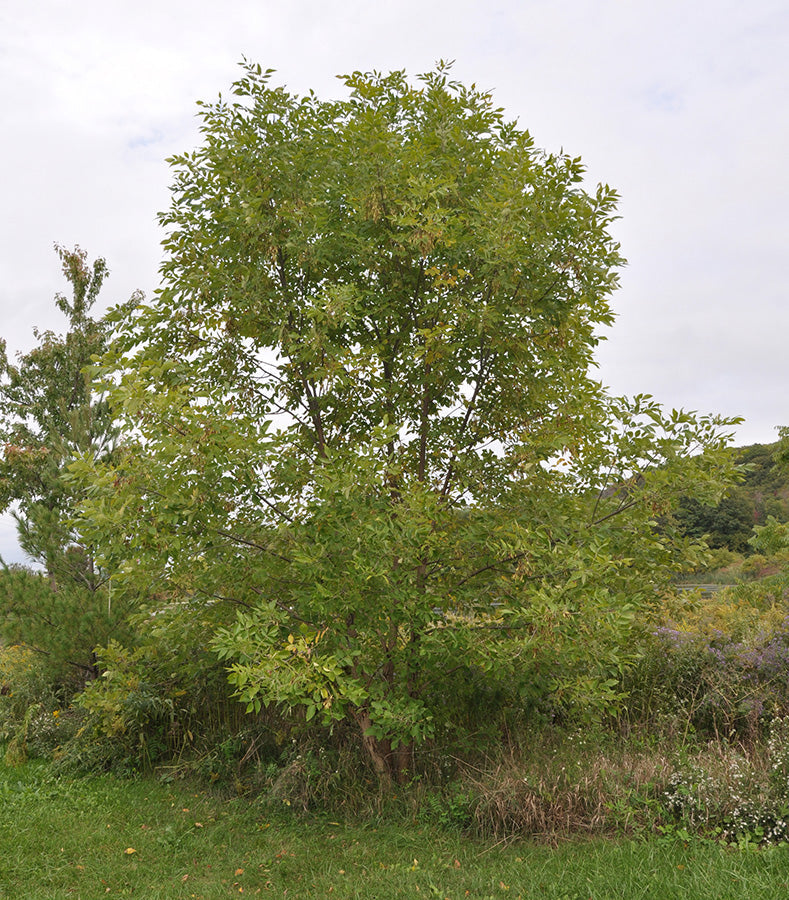
The Black Ash (Fraxinus nigra) is a North American deciduous hardwood reaching 50 to 80 feet tall, distinguished by dark furrowed bark and compound leaves with 7 to 11 leaflets that turn yellow in fall. It grows in wet swampy areas and riverbanks, requiring moist soil and thriving in low-lying regions. The species provides ecological value and supports diverse wildlife.
The Black Ash tree, scientifically known as Fraxinus nigra, is a remarkable species native to North America.
This majestic tree is not only admired for its beauty but also for its ecological significance, historical value, and the many benefits it provides to both humans and wildlife.
In this blog, we will delve into the secrets of the Black Ash tree, explore its benefits, and provide essential care tips for those looking to cultivate this magnificent species.
Additionally, we will discuss the environmental impact of the Black Ash, including how organizations like Grow Billion Trees Partners are actively involved in promoting and executing tree planting projects in the region.
Understanding the Black Ash Tree
The Black Ash tree is a deciduous hardwood that can reach heights of 50 to 80 feet, with a trunk diameter of up to 2 feet. It typically grows in wet, swampy areas, often found in floodplains, along riverbanks, and in low-lying regions.
The tree has a distinctive appearance, characterized by its dark gray to black bark, which becomes furrowed with age. Its compound leaves consist of 7 to 11 leaflets, which turn a beautiful yellow in the fall, adding a splash of color to the landscape.
Scientific Classification
- Kingdom: Plantae
- Clade: Angiosperms
- Clade: Eudicots
- Clade: Rosids
- Order: Lamiales
- Family: Oleaceae
- Genus: Fraxinus
- Species: F. nigra
Historical Significance
The Black Ash tree holds a significant place in the cultural history of Native American tribes, particularly in the northeastern United States and eastern Canada.
Indigenous peoples have long utilized the wood of the Black Ash for various purposes, including basket-making, tool handles, and even for ceremonial items. The inner bark of the tree can be processed into splints, making it an essential resource for traditional crafts.
Historically, the Black Ash was also used for medicinal purposes. Various tribes employed the bark and leaves to treat ailments such as fever, headaches, and digestive issues.
This deep-rooted connection to the land and its resources showcases the importance of the Black Ash tree in sustaining both cultural practices and the health of indigenous communities.
Ecological Benefits
The Black Ash tree plays a crucial role in its ecosystem. It provides habitat and food for various wildlife species, including birds, mammals, and insects. The seeds of the Black Ash are a vital food source for birds and small mammals, while the tree itself offers shelter and nesting sites.
Moreover, like other trees, the Black Ash contributes to carbon sequestration, helping to mitigate climate change by absorbing carbon dioxide from the atmosphere.
It also plays a role in maintaining soil health by preventing erosion and promoting nutrient cycling. The presence of Black Ash trees in wetlands aids in water filtration, improving water quality and supporting aquatic ecosystems.
Fun Facts About Black Ash
- The Black Ash tree can live for over 200 years, making it a long-lived species.
- Its wood is lightweight yet strong, making it a popular choice for furniture and sports equipment.
- The Black Ash is often confused with the Green Ash (Fraxinus pennsylvanica), but they can be distinguished by their bark and leaf structure.
- Black Ash trees are known for their unique ability to regenerate from their roots, allowing them to thrive even in challenging conditions.
Growing Black Ash Trees
For those interested in cultivating Black Ash trees, understanding their growing conditions is essential. Here are some key care tips:
- Soil Requirements: Black Ash trees prefer moist, well-drained soils but can tolerate a range of soil types, including clay and sandy soils. They thrive in slightly acidic to neutral pH levels.
- Sunlight: These trees grow best in full sun to partial shade. While they can tolerate some shade, optimal growth occurs with at least 6 hours of direct sunlight daily.
- Watering: Regular watering is crucial, especially during dry spells. Black Ash trees are often found in wetland areas, so maintaining consistent moisture is key to their health.
- Pruning: Prune young trees to encourage a strong central leader and remove any dead or diseased branches. Pruning should be done in late winter or early spring before new growth begins.
- Pest and Disease Management: Black Ash trees are susceptible to various pests and diseases, including the Emerald Ash Borer (EAB), which has devastated ash populations across North America. Regular monitoring and prompt action are necessary to manage these threats.
Environmental Impact and Conservation
The decline of Black Ash trees due to the Emerald Ash Borer and habitat loss has raised concerns about the future of this species.
Conservation efforts are underway to protect and restore Black Ash populations, emphasizing the importance of preserving this valuable tree. Organizations like Grow Billion Trees Partners are at the forefront of these initiatives, focusing on planting and nurturing trees in various regions, including those affected by the EAB.
Grow Billion Trees Partners executes projects that aim to restore ecosystems by planting native tree species, including Black Ash. Their approach includes:
- Community Engagement: Collaborating with local communities to raise awareness about the importance of tree planting and conservation.
- Education Programs: Providing educational resources and workshops to teach individuals about the ecological benefits of trees and how to care for them.
- Partnerships: Working with governmental and non-governmental organizations to secure funding and resources for tree planting initiatives.
- Monitoring and Maintenance: Ensuring that planted trees are cared for and monitored for growth and health, which is vital for long-term success.
Conclusion
The Black Ash tree is a majestic species with a rich history, numerous ecological benefits, and significant cultural importance. Its ability to thrive in wetland environments, combined with its long lifespan, makes it a vital component of many ecosystems.
However, the threats posed by pests like the Emerald Ash Borer and habitat loss highlight the need for concerted conservation efforts.
By understanding the secrets of the Black Ash tree, we can appreciate its value and work towards its preservation.
Organizations like Grow Billion Trees Partners play a crucial role in promoting tree planting initiatives, ensuring that future generations can continue to enjoy the beauty and benefits of this remarkable species.
Whether you are an avid gardener, a nature enthusiast, or someone interested in environmental conservation, the Black Ash tree deserves your attention and care.
In conclusion, let us all take a step towards sustainability by supporting tree planting initiatives and advocating for the preservation of our natural heritage. The Black Ash tree, with its majestic presence and ecological importance, serves as a reminder of the beauty and resilience of nature.
Further reading: Mexican Ash Tree: The Ultimate Guide to Beauty, Benefits & Care · Redwood Ash Tree: Unveiling Nature's Majestic Carbon-Capturing Marvel
Frequently Asked Questions
What is the Black Ash tree?
The Black Ash tree, or Fraxinus nigra, is a stunning deciduous hardwood native to North America, known for its dark bark and compound leaves that turn a vibrant yellow in the fall. It thrives in wet, swampy areas, reaching heights of 50 to 80 feet. A true natural beauty!
Why is the Black Ash tree historically significant?
This tree has deep roots in Native American culture, providing wood for basket-making, tool handles, and ceremonial items. Indigenous peoples also used its bark and leaves for medicinal purposes, showcasing the tree’s vital role in traditional practices and the health of their communities. Talk about a multitasker!
What are the ecological benefits of the Black Ash tree?
The Black Ash tree is an ecological hero! It provides habitat and food for wildlife, aids in carbon sequestration, prevents soil erosion, and improves water quality in wetlands. Its presence supports a variety of species, making it a valuable asset to our ecosystems. Nature’s very own Swiss Army knife!
How can I grow Black Ash trees?
To cultivate Black Ash trees, ensure you provide moist, well-drained soil and at least 6 hours of sunlight daily. Regular watering is crucial, especially during dry spells. Prune young trees to encourage strong growth, and keep an eye out for pests like the Emerald Ash Borer. Happy planting!
What pests threaten Black Ash trees?
The notorious Emerald Ash Borer (EAB) is the villain in the Black Ash tree’s story, wreaking havoc on populations across North America. Regular monitoring and prompt action are essential to manage this pest and protect the health of your beloved Black Ash trees. Vigilance is key!
How long can Black Ash trees live?
Black Ash trees are the wise elders of the forest, often living for over 200 years! Their longevity makes them a remarkable species, providing beauty and ecological benefits for generations. Plant one today, and you might just leave a legacy for future tree-huggers!
What distinguishes Black Ash from Green Ash?
While both trees belong to the Ash family, Black Ash (Fraxinus nigra) can be identified by its dark, furrowed bark and unique leaf structure. Green Ash (Fraxinus pennsylvanica) has a lighter bark and different leaf characteristics. So, next time you spot one, you can impress your friends with your Ash knowledge!
How does the Black Ash tree contribute to climate change mitigation?
The Black Ash tree is a champion of carbon sequestration, absorbing carbon dioxide from the atmosphere and helping to combat climate change. By planting and preserving these magnificent trees, we can all play a part in creating a healthier planet. Go green with Black Ash!
What is the role of organizations like Grow Billion Trees Partners?
Organizations like Grow Billion Trees Partners are tree-planting superheroes, working to restore ecosystems by planting native species, including Black Ash. They engage communities, provide educational resources, and collaborate with various organizations to ensure trees thrive for generations. Together, they’re making the world a greener place!
Can Black Ash trees regenerate from their roots?
Absolutely! Black Ash trees have a remarkable ability to regenerate from their roots, allowing them to thrive even in challenging conditions. This resilience is a testament to their adaptability and strength, making them a fascinating species to observe and cultivate. Nature's comeback kid!
What are the soil requirements for Black Ash trees?
Black Ash trees prefer moist, well-drained soils but can tolerate various types, including clay and sandy soils. They thrive in slightly acidic to neutral pH levels, making them quite adaptable. Just remember, they love their moisture—so keep that soil happy and damp!
What is the importance of conserving Black Ash trees?
Conserving Black Ash trees is vital due to their ecological benefits and cultural significance. With threats like the Emerald Ash Borer and habitat loss, concerted conservation efforts are essential to protect and restore this remarkable species. By supporting these initiatives, we ensure that future generations can enjoy the beauty of Black Ash trees!
Keep reading
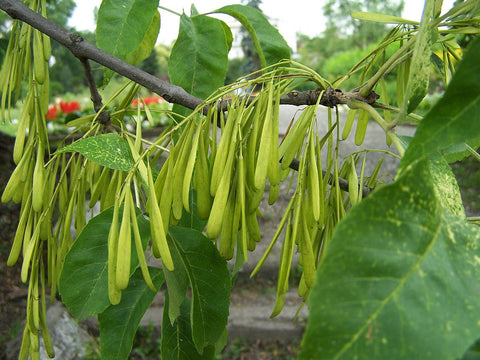 Green Ash Tree: Ultimate Guide to Benefits, Care & Landscape
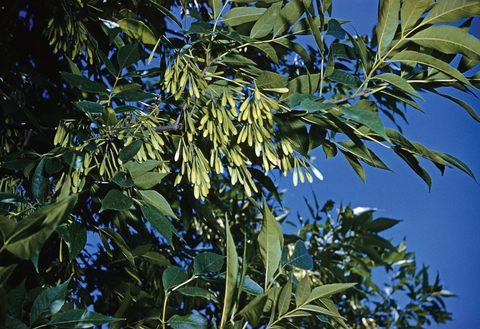 Mexican Ash Tree: The Ultimate Guide to Beauty, Benefits & Care
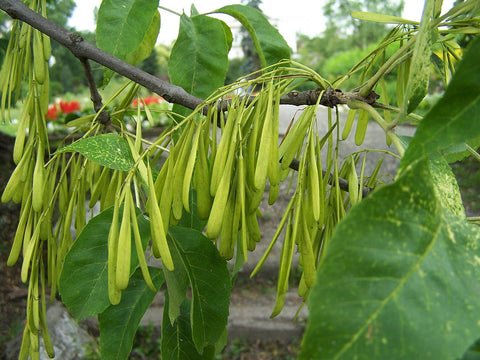 Redwood Ash Tree: Unveiling Nature's Majestic Carbon-Capturing Marvel
 Golden Ash Tree: Nature's Majestic Beauty and Environmental Benefits
 Weeping Ash Tree: Complete Care Guide for Garden Enthusiasts
 Japanese Ash Tree: Beauty, Benefits & Cultural Significance


Comments
Leave a comment