
Buttercup Tree: Unveiling the Secrets of Nature's Hidden Gem for Your Garden
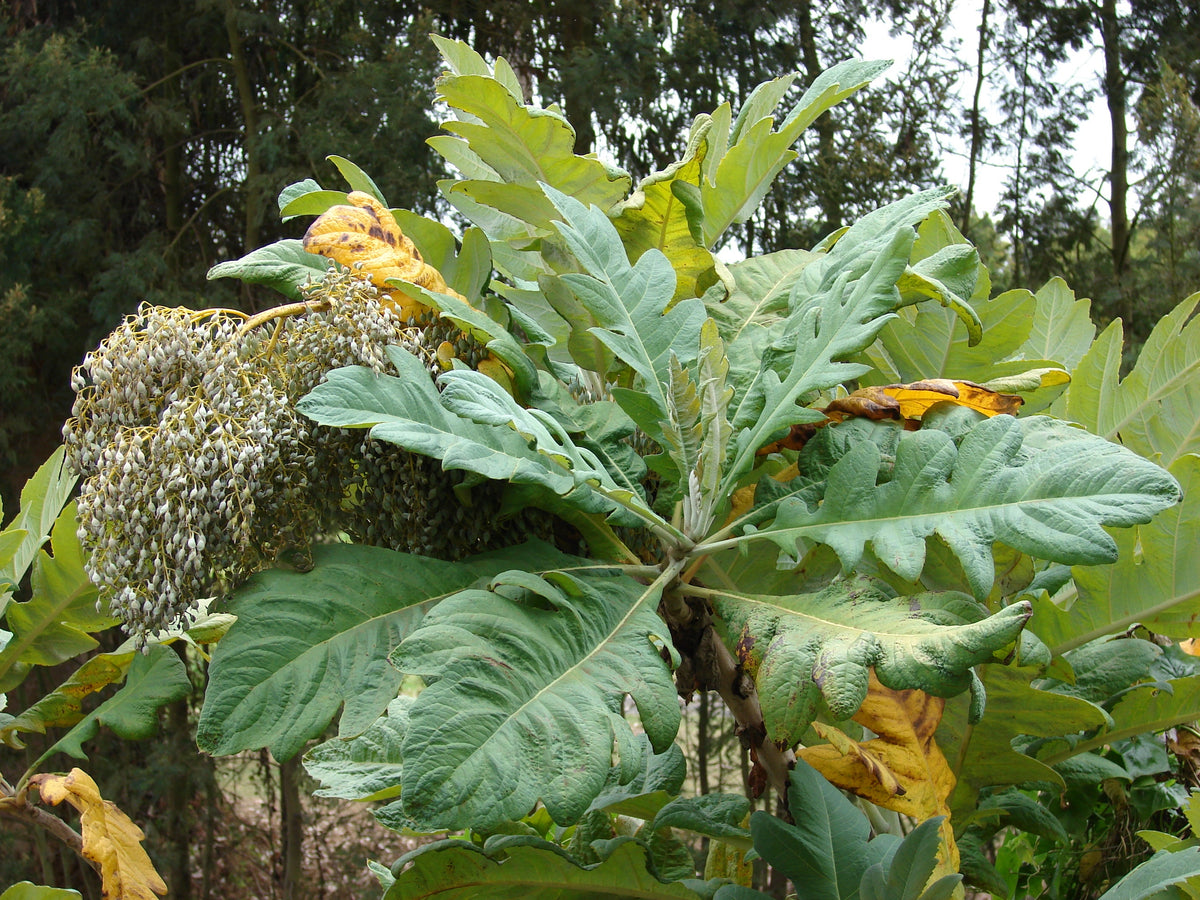
The Buttercup Tree (Bocconia frutescens), a perennial shrub from the Papaveraceae family, is native to tropical Central and South America. It grows up to 10 feet tall with large heart-shaped leaves and clusters of small white to cream-colored flowers that bloom year-round, attracting bees and butterflies.
The Buttercup Tree, scientifically known as Bocconia frutescens, is an extraordinary addition to any garden, offering both beauty and ecological benefits.
Often overshadowed by more popular ornamental plants, this hidden gem is worth exploring for its unique features, historical significance, and environmental impact.
In this blog, we will delve into the secrets of the Buttercup Tree, providing you with a comprehensive understanding of its benefits, care requirements, and the role of organizations like Grow Billion Trees Partners in promoting sustainable practices in our gardens.
What is the Buttercup Tree?
The Buttercup Tree is a perennial shrub that belongs to the family Papaveraceae, which is primarily known for its poppy species.
Native to the tropical regions of Central and South America, this tree can grow up to 10 feet tall, making it an excellent choice for creating a lush, tropical atmosphere in your garden.
The leaves are large and heart-shaped, resembling those of the buttercup flower, hence the name. The Buttercup Tree produces clusters of small, white to cream-colored flowers that bloom throughout the year, attracting various pollinators such as bees and butterflies.
Scientific Data and Fun Facts
The Buttercup Tree is not only visually striking but also scientifically fascinating. Here are some intriguing facts:
- Photosynthesis: Like many other plants, the Buttercup Tree plays a crucial role in photosynthesis, converting sunlight into energy and producing oxygen, which is essential for life on Earth.
- Medicinal Properties: Traditionally, various parts of the Buttercup Tree have been used in folk medicine. The leaves and bark are believed to have anti-inflammatory and analgesic properties, although more scientific research is needed to substantiate these claims.
- Resilience: The Buttercup Tree is known for its resilience in various soil types, thriving in both acidic and alkaline conditions, which makes it adaptable to different garden environments.
- Wildlife Habitat: The tree provides habitat and food for numerous species, including birds and insects, thereby enhancing biodiversity in your garden.
Historical Significance
The Buttercup Tree has a rich history intertwined with the cultures of Central and South America. Indigenous communities have long revered this tree for its beauty and utility. The tree has been used in traditional ceremonies, and its leaves have been crafted into decorative items.
Historical texts suggest that the Buttercup Tree was also utilized in agricultural practices, helping to improve soil quality and promote biodiversity in farming systems.
As colonial powers expanded their reach into the Americas, the Buttercup Tree was often overlooked in favor of more commercially viable crops.
However, in recent years, there has been a resurgence of interest in native plants, including the Buttercup Tree, as people seek to reconnect with nature and promote sustainable gardening practices.
Environmental Impact
The Buttercup Tree plays a vital role in promoting environmental sustainability. Here are some ways it contributes positively to the ecosystem:
- Carbon Sequestration: Like all trees, the Buttercup Tree absorbs carbon dioxide, helping to mitigate climate change by reducing greenhouse gases in the atmosphere.
- Soil Erosion Prevention: The extensive root system of the Buttercup Tree helps anchor the soil, preventing erosion and promoting soil health. This is particularly important in areas prone to heavy rainfall or landslides.
- Pollinator Support: By attracting bees, butterflies, and other pollinators, the Buttercup Tree supports the essential ecosystem services these creatures provide, including crop pollination.
- Biodiversity Enhancement: Planting Buttercup Trees can increase biodiversity in your garden, providing habitat for various species and contributing to a more balanced ecosystem.
How to Grow Buttercup Trees
If you're interested in adding a Buttercup Tree to your garden, here are some essential tips for successful cultivation:
- Location: Choose a sunny spot with well-drained soil. While the Buttercup Tree can tolerate various soil types, it thrives best in rich, loamy soil.
- Watering: Water the tree regularly, especially during dry spells. However, avoid overwatering, as this can lead to root rot.
- Fertilization: Use a balanced fertilizer to promote healthy growth. Organic options, such as compost or well-rotted manure, can enhance soil fertility.
- Pruning: Prune the tree to maintain its shape and remove any dead or diseased branches. This will encourage new growth and improve air circulation.
- Pest Management: Keep an eye out for common pests such as aphids and spider mites. Use organic pest control methods whenever possible to protect beneficial insects.
Grow Billion Trees Partners: Promoting Sustainability
Organizations like Grow Billion Trees Partners play a pivotal role in promoting the planting and care of trees like the Buttercup Tree. Their mission is to combat climate change by encouraging communities to plant trees and enhance green spaces. Here’s how they execute and promote their projects:
- Community Engagement: Grow Billion Trees Partners actively engages with local communities, educating them about the benefits of planting trees and providing resources to facilitate tree planting initiatives.
- Partnerships: They collaborate with schools, businesses, and environmental organizations to create tree-planting events that foster community involvement and awareness.
- Research and Development: The organization invests in research to identify the best tree species for different environments, including the Buttercup Tree, ensuring that their projects are ecologically sound.
- Monitoring and Maintenance: After planting, Grow Billion Trees Partners continues to monitor the health of the trees and provides ongoing support to ensure their survival and growth.
Conclusion
The Buttercup Tree is truly a hidden gem in the world of gardening. Its unique beauty, ecological benefits, and historical significance make it a valuable addition to any garden. By understanding its care requirements and the positive impact it can have on the environment, you can contribute to a more sustainable future.
Organizations like Grow Billion Trees Partners are essential in promoting the planting of trees like the Buttercup Tree, helping communities reconnect with nature and combat climate change. So, why not consider adding this remarkable tree to your garden and join the movement towards a greener, healthier planet?
Incorporating the Buttercup Tree into your landscape not only enhances its beauty but also contributes to a more sustainable environment. As you nurture this tree, you’ll be participating in a larger effort to combat climate change and promote biodiversity. Embrace the secrets of nature’s hidden gem and let the Buttercup Tree flourish in your garden!
Further reading: Indian Corkwood Tree: Unveiling the Mysteries and Benefits of Nature's Hidden Gem · Scarlet Sterculia Tree: The Vibrant Marvel of Nature That Transforms Your Garden
Frequently Asked Questions
What is the Buttercup Tree?
The Buttercup Tree, or *Bocconia frutescens*, is a tropical perennial shrub that can reach up to 10 feet tall. With its heart-shaped leaves and clusters of creamy flowers, it’s the perfect diva for any garden. Not just a pretty face, it attracts pollinators and enhances biodiversity, proving beauty and brains can coexist in nature!
Where is the Buttercup Tree native to?
The Buttercup Tree hails from the tropical regions of Central and South America, where it thrives in the warm, sunny climate. This lovely plant has a rich cultural history, cherished by indigenous communities for its beauty and utility. Who knew a garden could double as a historical site? Talk about planting roots!
What are the medicinal properties of the Buttercup Tree?
Traditionally, the Buttercup Tree has been used in folk medicine, with its leaves and bark believed to possess anti-inflammatory and analgesic properties. While we can’t promise it’s the next miracle cure, it certainly adds a touch of natural healing to your garden. Just remember, more research is needed before you start your herbal apothecary!
How does the Buttercup Tree support wildlife?
The Buttercup Tree is like a five-star hotel for pollinators! Its fragrant flowers attract bees, butterflies, and other critters, providing them with food and habitat. By planting this tree, you’re not just beautifying your space; you’re creating a buzzing ecosystem that makes Mother Nature proud. Who knew gardening could be so generous?
What are the environmental benefits of the Buttercup Tree?
Beyond its good looks, the Buttercup Tree is a champion for the environment! It sequesters carbon, prevents soil erosion, and enhances biodiversity. By adding this tree to your garden, you’re not just planting a pretty face; you’re joining the fight against climate change and promoting a healthier planet. Talk about a win-win!
How do I care for a Buttercup Tree?
Caring for a Buttercup Tree is a breeze! Choose a sunny spot with well-drained soil, water regularly (but don’t drown it), and give it a balanced fertilizer. Prune for shape and keep an eye out for pests. With a little love and attention, your Buttercup Tree will thrive and make your garden the envy of the neighborhood!
Can the Buttercup Tree grow in different soil types?
Absolutely! The Buttercup Tree is a resilient superstar, thriving in both acidic and alkaline soils. It adapts like a pro, making it a versatile choice for various garden environments. So whether your soil is sandy, loamy, or somewhere in between, this tree will make itself at home and bring beauty to your landscape!
What is the role of Grow Billion Trees Partners?
Grow Billion Trees Partners is like the superhero of the tree-planting world! They engage communities, promote tree-planting initiatives, and collaborate with schools and organizations to spread the word about the Buttercup Tree and other eco-friendly species. Their mission? To combat climate change and foster greener spaces, one tree at a time. Talk about a noble cause!
How does the Buttercup Tree contribute to carbon sequestration?
The Buttercup Tree is a carbon-absorbing machine! Like all trees, it takes in carbon dioxide and releases oxygen, helping to combat climate change. By planting a Buttercup Tree, you’re not just adding beauty to your garden; you’re also playing a vital role in reducing greenhouse gases. Who knew looking good could do so much good?
What makes the Buttercup Tree a hidden gem?
The Buttercup Tree is often overshadowed by more popular ornamental plants, but it’s a hidden gem for good reason! With its stunning foliage, year-round blooms, and ecological benefits, it’s a showstopper that deserves the spotlight. By choosing this tree, you’re embracing uniqueness and helping the environment—talk about a fabulous duo!
Why should I consider adding a Buttercup Tree to my garden?
Adding a Buttercup Tree to your garden is like inviting a celebrity to your party! Its striking beauty, ecological contributions, and historical significance make it a standout choice. Plus, you’ll be part of a larger movement toward sustainability and biodiversity. So go ahead, let this botanical superstar shine in your landscape!
Keep reading
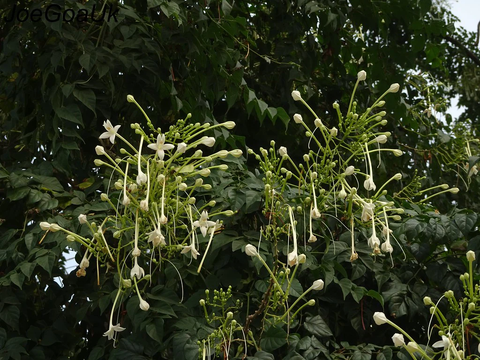 Indian Corkwood Tree: Unveiling the Mysteries and Benefits of Nature's Hidden Gem
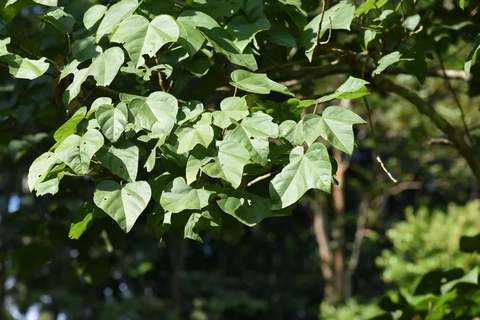 Scarlet Sterculia Tree: The Vibrant Marvel of Nature That Transforms Your Garden
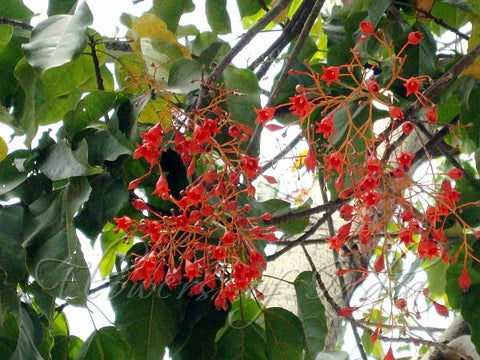 Blackboard Tree: Unveiling the Secrets of Nature's Hidden Gem for Your Garden
 Indian Laurel Tree: Discover the Hidden Benefits and Cultural Significance of This Remarkable Plant
 Sacred Bark Tree: Unveiling the Mystical Benefits and Cultural Significance of Nature's Hidden Gem


Comments
Leave a comment