
Scarlet Sterculia Tree: The Vibrant Marvel of Nature That Transforms Your Garden
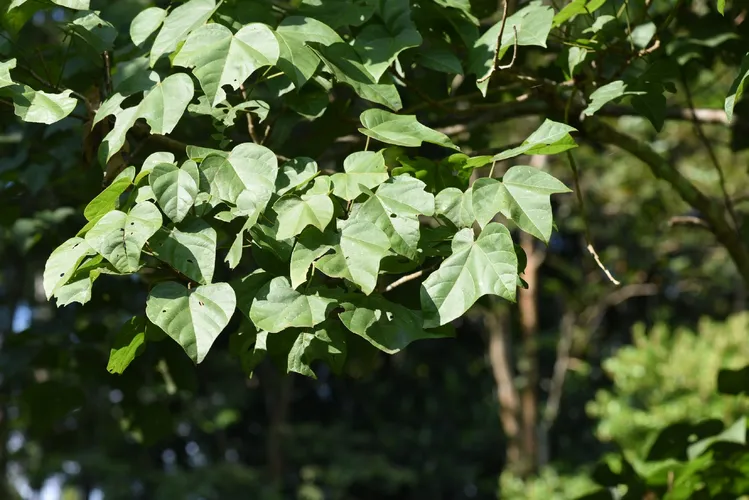
The Scarlet Sterculia Tree (Sterculia acerifolia) is a tropical species native to Southeast Asia that grows up to 30 meters tall, with large heart-shaped leaves and scarlet red flowers. Once established, it thrives in well-drained soil with full sunlight and minimal water requirements, remaining drought-resistant in tropical climates.
The Scarlet Sterculia Tree, scientifically known as Sterculia acerifolia, is a striking addition to any garden, known for its vibrant red flowers and unique foliage.
Native to the tropical regions of Southeast Asia, this tree is a marvel of nature that not only enhances the aesthetic appeal of your landscape but also plays a crucial role in the ecosystem.
In this blog, we will delve into the various aspects of the Scarlet Sterculia Tree, including its scientific characteristics, historical significance, environmental impact, and tips for cultivation.
We will also explore how organizations like Grow Billion Trees Partners are promoting tree planting initiatives in the region to combat deforestation and enhance biodiversity.
Scientific Characteristics
The Scarlet Sterculia Tree belongs to the family Sterculiaceae, which includes several other notable species. It can grow up to 30 meters tall and has a broad, spreading crown that can reach up to 15 meters in width.
The leaves are large, typically heart-shaped, and can measure up to 20 centimeters in length. One of the most captivating features of this tree is its flowers, which bloom in clusters and can be a brilliant scarlet red, making it a favorite among gardeners and landscape designers.
The tree thrives in tropical climates and prefers well-drained soils with plenty of sunlight. It is drought-resistant once established, which makes it an ideal choice for gardens in regions that experience dry spells.
The Scarlet Sterculia Tree is also known for its ability to attract a variety of pollinators, including bees and butterflies, contributing to the overall health of the ecosystem.
Fun Facts About Scarlet Sterculia Tree
- The Scarlet Sterculia Tree is often called the "Red Flowering Sterculia" due to its vibrant blooms that appear in the summer months, creating a stunning visual spectacle.
- In some cultures, the flowers of the Sterculia tree are used for medicinal purposes, believed to have anti-inflammatory and antiseptic properties.
- The tree is known to produce a fruit that contains seeds, which are edible when roasted and are often used in local cuisines.
- Scarlet Sterculia Trees can live for several decades, making them a long-lasting investment in your garden.
Historical Significance
The Scarlet Sterculia Tree has a rich history, particularly in the regions where it is native. Indigenous communities have long revered the tree for its beauty and utility. Historically, the seeds were harvested and used as a food source, while the wood was valued for its strength and durability.
In some cultures, the tree has been associated with various myths and legends, symbolizing prosperity and resilience.
As the world becomes more aware of the importance of preserving biodiversity, the Scarlet Sterculia Tree has gained attention not just for its beauty but also for its ecological contributions.
With the rise of urbanization and deforestation, there has been a concerted effort to reintroduce this tree into various landscapes, especially in regions where it once thrived.
Environmental Impact
The Scarlet Sterculia Tree plays a significant role in its ecosystem. As a native species, it supports local wildlife by providing habitat and food sources.
The tree’s flowers attract a variety of pollinators, which are crucial for the reproduction of many other plant species. Additionally, the tree's large leaves contribute to carbon sequestration, helping to mitigate the effects of climate change.
Furthermore, the Scarlet Sterculia Tree helps prevent soil erosion with its extensive root system, which stabilizes the soil and reduces runoff. This is particularly important in areas prone to heavy rainfall, where soil erosion can lead to significant environmental degradation.
Planting Scarlet Sterculia Trees can also enhance urban green spaces, improving air quality and providing shade in hot climates. The tree's ability to thrive in less-than-ideal conditions makes it a resilient choice for urban landscaping.
How to Grow Scarlet Sterculia Tree
Growing a Scarlet Sterculia Tree in your garden can be a rewarding experience. Here are some tips to ensure successful cultivation:
- Location: Choose a sunny spot in your garden that receives full sunlight for most of the day. The tree prefers well-drained soil, so avoid areas where water tends to pool.
- Soil Preparation: Amend the soil with organic matter, such as compost, to improve drainage and nutrient content. A pH level between 6.0 and 7.0 is ideal for the tree's growth.
- Watering: Water the tree regularly during its first year to establish a strong root system. Once established, the tree is drought-resistant and requires less frequent watering.
- Pruning: Prune the tree to maintain its shape and remove any dead or diseased branches. This will encourage healthy growth and improve airflow.
- Pest Control: Monitor for pests such as aphids and caterpillars. Use organic pest control methods to minimize harm to beneficial insects.
Grow Billion Trees Partners: Promoting Tree Planting Initiatives
Organizations like Grow Billion Trees Partners are at the forefront of promoting tree planting initiatives that include the Scarlet Sterculia Tree. Their mission is to combat deforestation and enhance biodiversity by planting billions of trees across various regions.
They work closely with local communities, governments, and environmental organizations to execute and promote these projects effectively.
Grow Billion Trees Partners focuses on several key areas:
- Community Engagement: They actively involve local communities in tree planting activities, providing education on the importance of trees and their role in the ecosystem. This grassroots approach fosters a sense of ownership and responsibility among community members.
- Research and Development: The organization conducts research to identify the best tree species for specific regions, ensuring that the trees planted are suitable for local conditions and will thrive in their new environment.
- Partnerships: Collaborating with local governments, NGOs, and businesses, Grow Billion Trees Partners secures funding and resources to support large-scale tree planting initiatives.
- Monitoring and Maintenance: After planting, the organization monitors the health and growth of the trees, providing necessary care and maintenance to ensure their survival and success.
Through these efforts, Grow Billion Trees Partners is making a significant impact in restoring ecosystems and promoting sustainability. The inclusion of the Scarlet Sterculia Tree in their projects highlights the importance of native species in enhancing biodiversity and supporting local wildlife.
Conclusion
The Scarlet Sterculia Tree is more than just a beautiful addition to your garden; it is a vital component of the ecosystem that supports biodiversity and combats climate change. Its vibrant flowers and unique foliage make it a standout choice for any landscape, while its environmental benefits contribute to a healthier planet.
By supporting organizations like Grow Billion Trees Partners, you can play a part in promoting tree planting initiatives that make a real difference in local communities and ecosystems.
Whether you choose to plant a Scarlet Sterculia Tree in your garden or participate in tree planting events, every effort counts in the fight against deforestation and environmental degradation.
Embrace the beauty and benefits of the Scarlet Sterculia Tree, and become a part of the movement to restore our planet, one tree at a time.
Further reading: Scarlet Maple Tree: Transform Your Landscape with Stunning Fall Colors · Buransh Tree: Scarlet Emissary of Himalaya
Frequently Asked Questions
What is the Scarlet Sterculia Tree?
The Scarlet Sterculia Tree, or Sterculia acerifolia, is a tropical beauty known for its eye-catching red flowers and heart-shaped leaves. Standing tall at 30 meters, it’s a showstopper in gardens and a vital player in local ecosystems. Who knew a tree could be so fabulous and functional?
Where is the Scarlet Sterculia Tree native to?
This stunning tree hails from the tropical regions of Southeast Asia, where it flourishes in warm climates. It’s like the tropical vacation of the plant world, soaking up sunshine and attracting pollinators while adding a splash of color to landscapes. A true diva of the flora!
How tall does the Scarlet Sterculia Tree grow?
The Scarlet Sterculia Tree can reach impressive heights of up to 30 meters. That’s like having a leafy skyscraper in your garden! With its broad crown spreading up to 15 meters wide, it’s a majestic addition that demands attention and admiration from all who pass by.
What kind of soil does the Scarlet Sterculia Tree prefer?
This tree thrives in well-drained soils, so think of it as a soil snob! It loves a good mix of organic matter to keep its roots happy. A pH level between 6.0 and 7.0 is just its cup of tea, ensuring it grows strong and vibrant.
How often should I water the Scarlet Sterculia Tree?
During its first year, water your Scarlet Sterculia Tree regularly to help it establish a robust root system. Once it's settled in, it’s like a drought-resistant superstar, requiring less frequent watering. Just remember, even superstars need a drink now and then!
What are some fun facts about the Scarlet Sterculia Tree?
Did you know this tree is often called the "Red Flowering Sterculia"? Its vibrant blooms are not just pretty; they also have medicinal properties in some cultures. Plus, its seeds are edible when roasted. Talk about a tree with talents that go beyond the garden!
How does the Scarlet Sterculia Tree benefit the ecosystem?
The Scarlet Sterculia Tree is an ecosystem MVP! It provides habitat and food for local wildlife while attracting pollinators like bees and butterflies. Its large leaves help with carbon sequestration, making it a champion in the fight against climate change. Who knew trees could be such heroes?
What is the historical significance of the Scarlet Sterculia Tree?
Historically, indigenous communities have cherished the Scarlet Sterculia Tree for its beauty and utility. Its seeds were a food source, and its wood was prized for strength. This tree is steeped in myths and legends, symbolizing prosperity and resilience. A true cultural icon!
How can I grow a Scarlet Sterculia Tree?
To grow your own Scarlet Sterculia Tree, pick a sunny spot and prepare well-drained soil. Water it regularly during its first year, then let it shine with its drought-resistant prowess. Prune as needed and keep an eye out for pests. It’s a rewarding gardening adventure!
What role does Grow Billion Trees Partners play?
Grow Billion Trees Partners is on a mission to combat deforestation by promoting tree planting initiatives, including the Scarlet Sterculia Tree. They engage communities, conduct research, and ensure trees thrive post-planting. They’re the eco-warriors making a real difference, one tree at a time!
Why should I support tree planting initiatives?
Supporting tree planting initiatives is like giving Mother Nature a big hug! Trees enhance biodiversity, combat climate change, and beautify our landscapes. By getting involved, you contribute to healthier ecosystems and local communities. So, why not plant a tree and become a part of the solution?
Keep reading
 Scarlet Maple Tree: Transform Your Landscape with Stunning Fall Colors
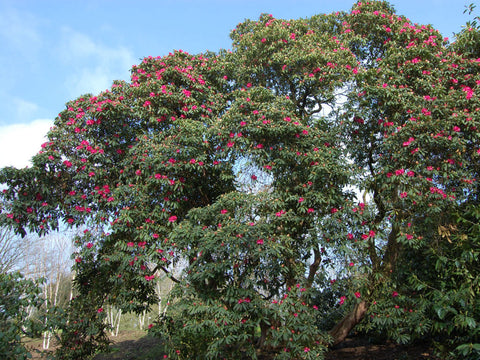 Buransh Tree: Scarlet Emissary of Himalaya
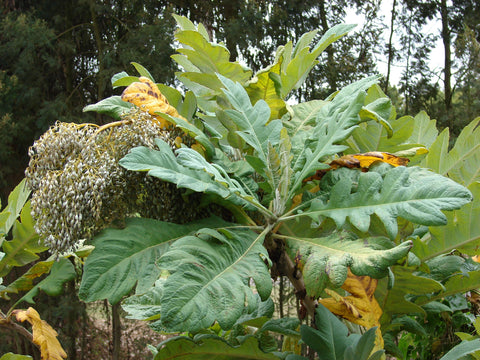 Buttercup Tree: Unveiling the Secrets of Nature's Hidden Gem for Your Garden
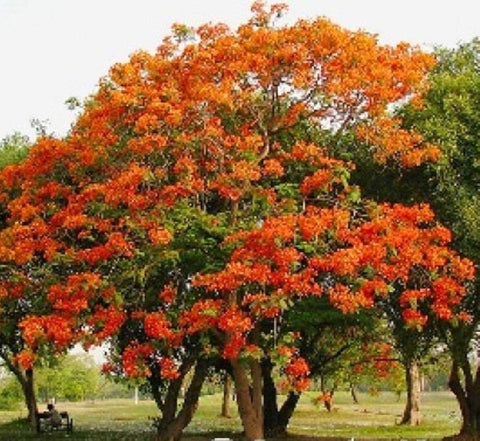 Silk Cotton Tree: Unveiling the Mysteries and Marvels of Nature's Majestic Wonder
 Paperbark Maple Tree: Ultimate Guide to Stunning Beauty & Care


Leave a comment