
Chinese Elm Tree: The Ultimate Guide to Care, Benefits, and Stunning Landscape Transformations!
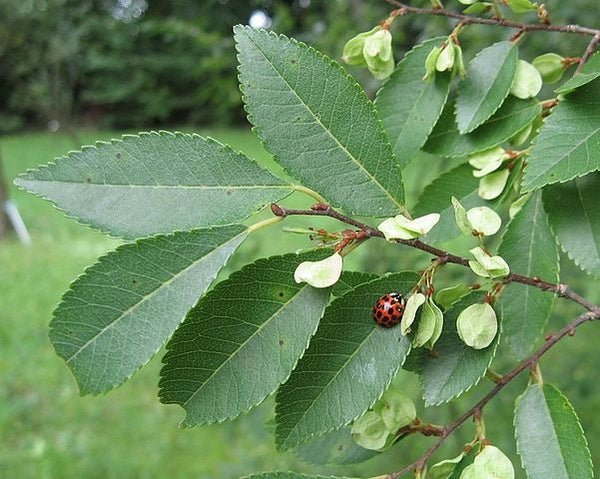
The Chinese Elm Tree (Ulmus parvifolia) is a deciduous species native to East Asia, reaching 40 to 50 feet tall with adaptability to various climates and soils. Featuring serrated leaves that turn yellow in autumn and mottled bark, it provides both aesthetic value and environmental benefits for urban and suburban landscapes.
The Chinese Elm Tree, scientifically known as Ulmus parvifolia, is a remarkable species that has captured the hearts of gardeners, landscapers, and environmentalists alike.
This versatile tree is not only aesthetically pleasing but also offers numerous benefits that contribute to a healthier environment.
In this ultimate guide, we will explore the care requirements, benefits, and transformative potential of the Chinese Elm Tree, while also highlighting the initiatives of organizations like Grow Billion Trees Partners that are dedicated to promoting tree planting in various regions.
Understanding the Chinese Elm Tree
The Chinese Elm is a deciduous tree native to East Asia, particularly China, Korea, and Japan. It has gained popularity in various parts of the world due to its adaptability to different climates and soil types.
The tree typically reaches heights of 40 to 50 feet, with a spread of 30 to 40 feet, making it an excellent choice for both urban and suburban landscapes.
One of the most distinctive features of the Chinese Elm is its beautiful, serrated leaves that turn a vibrant yellow in the fall.
The bark is another highlight, exhibiting a unique mottled appearance that adds visual interest throughout the year. Additionally, the tree produces small, inconspicuous flowers in the spring, followed by clusters of winged seeds that can be dispersed by the wind.
Care Requirements for the Chinese Elm Tree
To ensure your Chinese Elm thrives, it’s essential to understand its care requirements. Here are some key aspects to consider:
- Soil: The Chinese Elm is adaptable to various soil types, including sandy, loamy, and clay soils. However, it prefers well-drained soil with a pH range of 6.0 to 8.0. If planting in heavy clay, consider amending the soil with organic matter to improve drainage.
- Light: This tree flourishes in full sun but can tolerate partial shade. Ideally, it should receive at least six hours of direct sunlight each day to promote optimal growth.
- Watering: While the Chinese Elm is drought-tolerant once established, it benefits from regular watering during its early growth stages. Ensure the soil remains moist but not waterlogged, particularly in the first few years after planting.
- Fertilization: Fertilizing your Chinese Elm in early spring with a balanced, slow-release fertilizer can promote healthy growth. Follow the manufacturer’s instructions for application rates.
- Pruning: Pruning is essential for maintaining the shape and health of the tree. Remove dead or diseased branches, and thin out crowded areas to improve air circulation. The best time to prune is during the dormant season in late winter or early spring.
Benefits of Planting Chinese Elm Trees
Planting Chinese Elm trees offers numerous benefits, both for the individual gardener and the environment. Here are some of the key advantages:
- Air Quality Improvement: Trees play a vital role in improving air quality by absorbing carbon dioxide and releasing oxygen. The Chinese Elm, like other trees, contributes to this process, helping to mitigate the effects of climate change.
- Shade and Cooling: With their broad canopy, Chinese Elms provide ample shade, reducing the urban heat island effect. This can lead to lower energy costs for cooling homes and buildings.
- Wildlife Habitat: The Chinese Elm serves as a habitat for various bird species and insects, promoting biodiversity in your landscape. Its seeds are a food source for birds, while the leaves provide nourishment for caterpillars.
- Soil Erosion Control: The extensive root system of the Chinese Elm helps prevent soil erosion, particularly on slopes and in areas prone to runoff. This makes it an excellent choice for landscaping projects aimed at stabilizing soil.
- Urban Adaptability: The Chinese Elm is highly adaptable to urban environments, tolerating pollution, compacted soil, and drought. This resilience makes it a popular choice for city planners and landscapers.
Historical Significance of the Chinese Elm
The Chinese Elm has a rich history that dates back thousands of years. In ancient China, the tree was revered for its strength and durability. It was often planted in temple gardens and public spaces, symbolizing longevity and resilience.
The tree's ability to thrive in various conditions made it a favorite among scholars and poets, who often referenced it in their works.
In addition to its cultural significance, the Chinese Elm has been used for practical purposes throughout history. Its wood is strong and resistant to decay, making it ideal for furniture and construction.
Traditionally, artisans crafted intricate carvings and sculptures from Chinese Elm wood, showcasing its beauty and versatility.
Environmental Impact of Chinese Elm Trees
Beyond their aesthetic appeal, Chinese Elm trees have a significant positive impact on the environment. Here are some ways they contribute to ecological balance:
- Carbon Sequestration: Trees, including the Chinese Elm, play a crucial role in sequestering carbon dioxide from the atmosphere. A mature Chinese Elm can absorb approximately 48 pounds of CO2 per year, helping to combat climate change.
- Stormwater Management: The extensive root system of the Chinese Elm helps absorb rainwater, reducing runoff and promoting groundwater recharge. This is especially important in urban areas where impervious surfaces can lead to flooding.
- Temperature Regulation: The shade provided by Chinese Elms can lower surface temperatures in urban areas, reducing the need for air conditioning and mitigating heat-related health issues.
- Pollinator Support: The flowers of the Chinese Elm attract various pollinators, including bees and butterflies, contributing to the health of local ecosystems.
Transforming Landscapes with Chinese Elm Trees
One of the most exciting aspects of the Chinese Elm is its ability to transform landscapes. Whether used as a focal point in a garden, a shade tree in a park, or a street tree in urban areas, the Chinese Elm enhances the beauty and functionality of outdoor spaces.
Here are some creative ways to incorporate Chinese Elms into your landscape:
- Shade Gardens: Planting Chinese Elms in strategic locations can create inviting shade gardens, providing a cool retreat during hot summer days. Pair them with shade-tolerant plants to create a lush, green oasis.
- Street Tree Planting: Many cities are recognizing the importance of urban forestry and are incorporating Chinese Elms into their street tree planting programs. These trees not only beautify streets but also improve air quality and provide shade for pedestrians.
- Park Design: Landscape architects often use Chinese Elms in park designs for their aesthetic appeal and environmental benefits. They can be planted as specimen trees or in groves to create a naturalistic setting.
- Garden Borders: Planting Chinese Elms along property lines or as windbreaks can provide privacy and reduce noise pollution, making them an excellent addition to residential landscapes.
Grow Billion Trees Partners: Promoting Tree Planting Initiatives
Organizations like Grow Billion Trees Partners are at the forefront of promoting tree planting initiatives across various regions. Their mission is to combat deforestation and promote sustainable forestry practices by engaging communities and raising awareness about the importance of trees.
Grow Billion Trees Partners executes their projects through a multi-faceted approach:
- Community Engagement: The organization works closely with local communities to educate them about the benefits of tree planting. Through workshops, seminars, and hands-on planting events, they empower individuals to take action.
- Partnerships: Collaborating with local governments, schools, and environmental organizations, Grow Billion Trees Partners creates a network of support for tree planting initiatives. These partnerships help amplify their impact and reach a broader audience.
- Tree Planting Events: The organization organizes large-scale tree planting events, encouraging volunteers to participate in the planting process. These events not only contribute to reforestation efforts but also foster a sense of community and environmental stewardship.
- Monitoring and Maintenance: After planting, Grow Billion Trees Partners ensures that the newly planted trees receive proper care and maintenance. This includes regular watering, mulching, and monitoring for pests and diseases to ensure the trees thrive.
Through their initiatives, Grow Billion Trees Partners is making a significant impact on local ecosystems and communities. By promoting the planting of trees like the Chinese Elm, they are helping to create greener, healthier environments for future generations.
Fun Facts About the Chinese Elm Tree
- The Chinese Elm is known for its exceptional resilience, capable of surviving in harsh urban environments with limited resources.
- This tree can live for over 100 years, making it a long-lasting addition to any landscape.
- Chinese Elms are often used as bonsai specimens due to their small leaf size and ability to withstand heavy pruning.
- The tree is also known for its resistance to Dutch elm disease, making it a safer choice for urban planting compared to other elm species.
Conclusion
The Chinese Elm Tree is a beautiful, resilient species that offers numerous benefits to both individuals and the environment. With proper care, it can thrive in various landscapes, transforming outdoor spaces into lush, inviting areas.
As communities and organizations like Grow Billion Trees Partners continue to promote tree planting initiatives, the importance of trees like the Chinese Elm becomes increasingly clear. By planting and caring for these trees, we can contribute to a healthier planet and create stunning landscapes for generations to enjoy.
Whether you are a seasoned gardener or a novice, consider adding the Chinese Elm to your landscape. Its adaptability, beauty, and environmental benefits make it a worthwhile investment in your outdoor space. Together, let’s embrace the power of trees and work towards a greener, more sustainable future.
Further reading: Indian Elm Tree: Complete Guide to Beauty, Benefits & Care · Weeping Elm Tree: Complete Care Guide & Garden Beauty Tips
Frequently Asked Questions
What is the Chinese Elm Tree?
The Chinese Elm Tree, or Ulmus parvifolia, is a stunning deciduous tree native to East Asia. Known for its adaptability and beauty, it can reach heights of 40 to 50 feet and features serrated leaves that turn vibrant yellow in the fall. It's a favorite among gardeners and city planners alike.
How do I care for a Chinese Elm Tree?
Caring for a Chinese Elm is a breeze! It thrives in well-drained soil and loves full sun, though it can tolerate some shade. Regular watering during its early years and a balanced fertilizer in spring will keep it happy. Prune in late winter for a healthy shape and airflow.
What are the benefits of planting a Chinese Elm Tree?
Planting a Chinese Elm is like giving your yard a superhero! It improves air quality, provides shade, and supports local wildlife. Its extensive roots help prevent soil erosion, making it a fantastic choice for urban landscapes. Plus, it’s highly adaptable to various conditions—what’s not to love?
Is the Chinese Elm Tree good for urban environments?
Absolutely! The Chinese Elm is a champion of urban resilience. It tolerates pollution, compacted soil, and drought, making it perfect for city life. Its broad canopy not only beautifies streets but also helps lower temperatures, reducing energy costs and creating a cooler, greener urban oasis.
How does the Chinese Elm Tree impact the environment?
The Chinese Elm is an eco-warrior! It sequesters carbon dioxide, helping to combat climate change. Its roots absorb rainwater, reducing runoff and promoting groundwater recharge. Plus, it provides shade that cools urban areas, making it a vital player in maintaining ecological balance.
What is the historical significance of the Chinese Elm Tree?
The Chinese Elm boasts a rich history, revered in ancient China for its strength and durability. Often planted in temple gardens, it symbolizes longevity and resilience. Its wood has been used for furniture and intricate carvings, showcasing its beauty and practicality throughout the ages.
Can I use Chinese Elm Trees for landscaping?
Definitely! Chinese Elms are versatile landscape stars. Use them as focal points, shade providers, or street trees to enhance outdoor spaces. They can create inviting shade gardens or serve as windbreaks along property lines, making them a fantastic addition to any residential or public landscape.
How do I prune a Chinese Elm Tree?
Pruning your Chinese Elm is essential for its health and shape. The best time to prune is during its dormant season in late winter or early spring. Remove dead or diseased branches and thin crowded areas for better airflow. Your tree will thank you with lush growth!
What are some fun facts about the Chinese Elm Tree?
Did you know the Chinese Elm can live over 100 years? It's also a favorite for bonsai enthusiasts due to its small leaves and resilience to heavy pruning. Plus, it stands strong against Dutch elm disease, making it a safer choice for urban planting. Talk about a tree with character!
How does Grow Billion Trees Partners promote tree planting?
Grow Billion Trees Partners is on a mission to green the planet! They engage communities through workshops and tree planting events, partnering with local organizations to amplify their impact. Their dedication to monitoring and maintaining newly planted trees ensures a thriving future for our leafy friends.
Where can I find a Chinese Elm Tree for planting?
Finding a Chinese Elm for your garden is easier than you think! Local nurseries and garden centers often stock this popular species. You can also check online plant retailers or local tree planting initiatives. Just remember to choose a healthy specimen and give it the care it deserves!
Keep reading
 Indian Elm Tree: Complete Guide to Beauty, Benefits & Care
 Weeping Elm Tree: Complete Care Guide & Garden Beauty Tips
 Chinese Toon Tree: Nature's Marvelous Superfood Secret
 Chinese Chestnut Tree: Complete Growing Guide for Nature's Treasure
 China Palm Tree: Discovering the Elegance and Evergreen Charm of Natures Tropical Treasure
 Yunnan Hackberry Tree: Resilient Wonder for Ecological Benefits


Comments
Leave a comment