
Chinese Chestnut Tree: Complete Growing Guide for Nature's Treasure
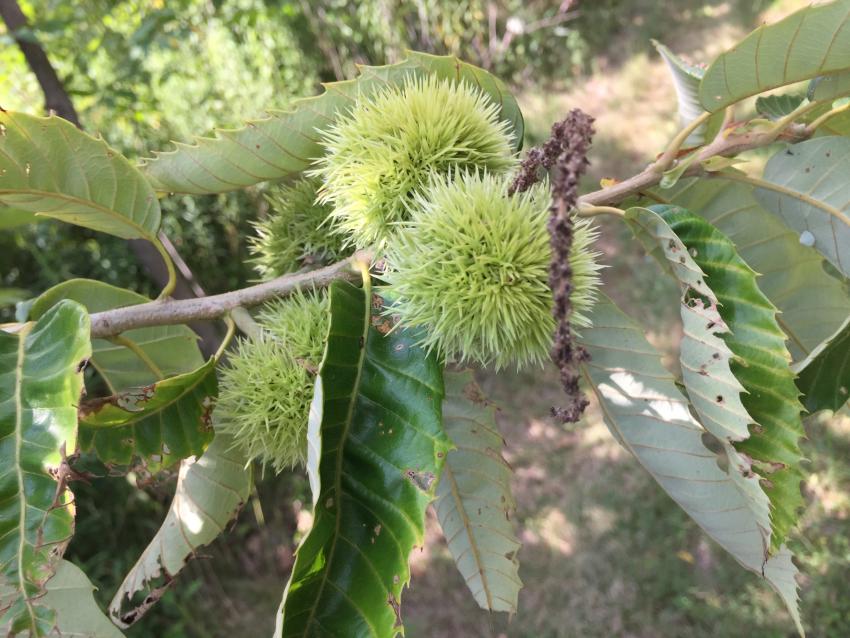
The Chinese Chestnut Tree (Castanea mollissima) is a deciduous tree native to East Asia that grows up to 30 feet tall, producing edible nuts rich in vitamins and minerals. Unlike American chestnuts devastated by blight, these trees possess natural immunity to chestnut blight, making them resilient for both landscape cultivation and sustainable forestry.
The Chinese Chestnut Tree (Castanea mollissima) offers gardeners and environmentalists a remarkable opportunity to cultivate both culinary treasures and ecological benefits. These magnificent deciduous trees, native to China and East Asia, can transform your landscape while contributing to global reforestation efforts and Combating Climate Change Through Collective Action.
Growing up to 30 feet tall with broad, spreading canopies, Chinese Chestnut Trees produce nutritious, delicious nuts while providing essential habitat for wildlife. Unlike their American counterparts devastated by blight, these resilient trees offer a sustainable solution for both commercial and personal cultivation.
Understanding the Chinese Chestnut Tree ✅
The Chinese Chestnut Tree stands as a testament to nature's resilience and bounty. These deciduous giants create impressive canopies that provide ample shade while producing edible nuts packed with essential nutrients. Scientific studies reveal that chestnuts are low in fat, high in carbohydrates, and rich in vitamins C and B, plus minerals like potassium, magnesium, and phosphorus.
What makes these trees truly special is their resistance to chestnut blight - the disease that decimated American chestnut populations in the early 20th century. This natural immunity makes Chinese Chestnuts an ideal choice for sustainable forestry initiatives, aligning perfectly with global efforts outlined in the United Nations Sustainable Development Goals.
⭐ Key Characteristics
- Height: Up to 30 feet with 30-foot spread
- Lifespan: Over 100 years
- Nut production: Begins at 3-5 years
- Harvest season: September to October
- Cold hardiness: USDA zones 4-8
Historical Significance and Cultural Impact
Chinese Chestnuts have nourished civilizations for over 4,000 years, with historical records dating back to 2000 BC. These trees played a vital role in traditional Chinese agriculture and cuisine, later becoming crucial food sources during challenging times like the Great Depression in America.
Today, organizations like Grow Billion Trees recognize the potential of Chinese Chestnut Trees in achieving Net Zero Targets while providing sustainable food sources. Through our mission to plant 100 crore trees across India, we're incorporating these valuable species into reforestation programs that benefit both communities and ecosystems.
Complete Growing Guide: From Seed to Harvest 🌱
Site Selection and Soil Requirements
Success with Chinese Chestnut Trees begins with proper site selection. These trees thrive in well-drained, loamy soils with pH levels between 5.5 and 7.0. Choose locations with full sun exposure, though they can tolerate partial shade.
Critical considerations:
- Ensure 30-foot spacing between mature trees
- Avoid waterlogged or low-lying areas
- Select wind-protected locations for young trees
- Consider cross-pollination needs (plant 2+ varieties)
Planting Techniques for Success
The optimal planting window spans spring through early fall. When you Plant a tree in your Name through Grow Billion Trees, our experts follow proven techniques that ensure healthy establishment.
Step-by-step planting process:
- → Dig holes twice the root ball width
- → Loosen soil at hole bottom for root expansion
- → Position tree with root collar at soil level
- → Backfill and water thoroughly to eliminate air pockets
- → Apply 3-inch mulch layer around base
💡 Watering and Nutrition Management
Proper hydration and nutrition form the foundation of healthy Chinese Chestnut growth. During establishment years, maintain consistent soil moisture without waterlogging.
Watering schedule:
- Deep weekly watering during growing season
- Reduce frequency in fall to encourage dormancy
- Monitor soil moisture 2-3 inches deep
- Increase during drought conditions
Apply balanced fertilizer (10-10-10) in early spring, avoiding over-fertilization that promotes excessive foliage at the expense of nut production.
Environmental Benefits and Climate Impact 🌍
Chinese Chestnut Trees serve as powerful allies in environmental restoration efforts. According to the United Nations Environment Programme's forest conservation initiatives, trees like Chinese Chestnuts play crucial roles in carbon sequestration and biodiversity preservation.
Carbon Sequestration Capabilities
A mature Chinese Chestnut Tree sequesters approximately 48 pounds of carbon dioxide annually, contributing significantly to climate change mitigation. Through our 2-3ft Tree Planting + 3 Years Care + GeoTag program, Grow Billion Trees ensures each planted tree reaches its full carbon-capturing potential.
Wildlife Habitat and Biodiversity
The nuts provide essential food sources for wildlife including squirrels, deer, and various bird species. The broad canopies offer nesting sites and shelter, supporting local ecosystems as emphasized by the World Wildlife Fund's forest conservation programs.
Pest Management and Disease Prevention ⚠️
While Chinese Chestnut Trees demonstrate remarkable disease resistance, proactive management ensures optimal health and productivity.
Common Challenges and Solutions
- Chestnut Weevil: Use pheromone traps during late summer
- Leaf Blight: Apply copper-based fungicides preventively
- Root Rot: Ensure proper drainage and avoid overwatering
- Scale Insects: Monitor regularly and treat with horticultural oils
Regular inspection and early intervention prevent minor issues from becoming major problems, protecting your investment in sustainable forestry.
Harvesting and Culinary Applications
Chinese Chestnuts typically begin producing nuts within 3-5 years of planting, with peak production occurring after 10 years. The harvest season runs from September through October, when nuts naturally fall from trees.
Harvesting Best Practices
- Collect nuts daily during peak season
- Remove outer husks promptly
- Float test nuts - discard those that float
- Store in cool, humid conditions
These versatile nuts can be roasted, boiled, ground into flour, or incorporated into various dishes, making them valuable for both subsistence and commercial purposes.
Supporting Global Reforestation Efforts
Organizations worldwide recognize the importance of species like Chinese Chestnut Trees in achieving ambitious reforestation goals. The United Nations Climate Change Action emphasizes the critical role of forest restoration in limiting global temperature rise.
Grow Billion Trees integrates Chinese Chestnut cultivation into comprehensive environmental programs that include Miyawaki forests, agroforestry initiatives, and urban forestry projects. Our technology-driven approach ensures transparency through GeoTag tracking, allowing supporters to monitor their trees' growth and impact.
Corporate Partnerships and Sustainability
Forward-thinking corporations partner with organizations like ours to achieve Net Zero Targets while supporting community development. Chinese Chestnut plantations offer multiple benefits:
- ✅ Carbon offset generation
- ✅ Sustainable food production
- ✅ Rural economic development
- ✅ Biodiversity conservation
- ✅ Soil erosion prevention
These partnerships demonstrate how environmental stewardship and business objectives can align for mutual benefit.
Further reading: Sweet Chestnut Tree: Hidden Benefits & Beauty of This Remarkable Species · Guiana Chestnut Tree: The Ultimate Guide to Its Benefits, Care, and Unique Features
Frequently Asked Questions
How long does it take for Chinese Chestnut Trees to produce nuts?
Chinese Chestnut Trees typically begin producing nuts within 3-5 years of planting, with significant production starting around year 7-10. Peak production occurs when trees reach maturity at 15-20 years.
Can Chinese Chestnut Trees survive in different climate zones?
Yes, Chinese Chestnut Trees are hardy in USDA zones 4-8, tolerating temperatures as low as -25°F. They adapt well to various climates but require adequate chilling hours for proper nut development.
Do I need multiple trees for nut production?
Chinese Chestnut Trees are not self-fertile and require cross-pollination from different varieties for optimal nut production. Plant at least two different cultivars within 100 feet of each other.
How much space do Chinese Chestnut Trees need?
Mature Chinese Chestnut Trees can spread up to 30 feet wide, so plant them at least 25-30 feet apart. Consider their full mature size when selecting planting locations.
Are Chinese Chestnuts safe for people with tree nut allergies?
Chestnuts are technically seeds, not tree nuts, and are generally safe for people with tree nut allergies. However, individuals with severe allergies should consult healthcare providers before consumption.
What pests commonly affect Chinese Chestnut Trees?
The most common pest is the chestnut weevil, which can be managed through pheromone traps and proper sanitation. Other occasional pests include scale insects and aphids.
How do Chinese Chestnut Trees contribute to carbon sequestration?
A mature Chinese Chestnut Tree sequesters approximately 48 pounds of CO2 annually. Over its 100+ year lifespan, a single tree can offset several tons of carbon emissions.
Can Chinese Chestnut Trees grow in urban environments?
Yes, Chinese Chestnut Trees adapt well to urban conditions when provided with adequate space, proper soil drainage, and protection from extreme pollution. They make excellent shade trees for parks and large properties.
What's the difference between Chinese and American Chestnut Trees?
Chinese Chestnuts are smaller (30 feet vs 100+ feet), blight-resistant, and produce nuts earlier. American Chestnuts were nearly extinct due to blight but are being restored through breeding programs.
How profitable is Chinese Chestnut cultivation?
Established Chinese Chestnut orchards can generate $3,000-$6,000 per acre annually from nut sales. Additional income sources include agritourism, timber, and carbon credit programs.Chinese Chestnut Trees represent a perfect intersection of environmental stewardship, economic opportunity, and culinary delight. By choosing to cultivate these remarkable trees, you're investing in a sustainable future while enjoying nature's bounty. Whether through individual planting or supporting organizations like Grow Billion Trees, every Chinese Chestnut planted contributes to our collective goal of planting 100 crore trees and creating a greener, more sustainable world.Ready to start your Chinese Chestnut journey? Explore our tree planting programs and discover how you can make a lasting environmental impact while growing nature's delicious treasure in your own backyard.
Keep reading
 Sweet Chestnut Tree: Hidden Benefits & Beauty of This Remarkable Species
 Guiana Chestnut Tree: The Ultimate Guide to Its Benefits, Care, and Unique Features
 Malabar Chestnut Tree: Unlocking the Secrets of This Nutrient-Rich Superfood and Its Incredible Benefits
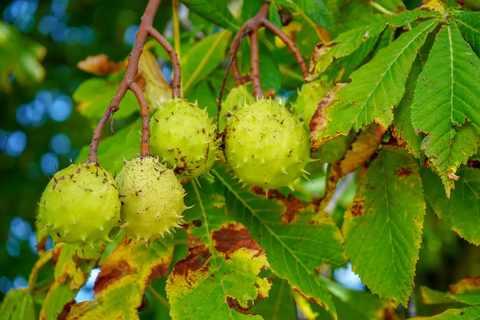 Horse Chestnut Tree: Unveiling the Secrets of Nature's Majestic Beauty and Health Benefits
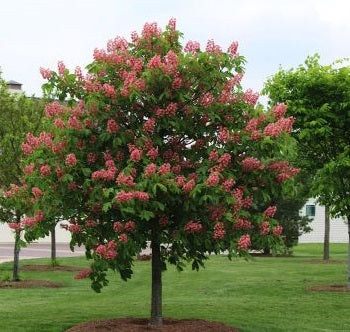 Red Horse Chestnut Tree: Nature's Stunning Beauty & Medicinal Marvels


Comments
Leave a comment