
Chinese Pistachio Tree: Complete Growing Guide & Benefits
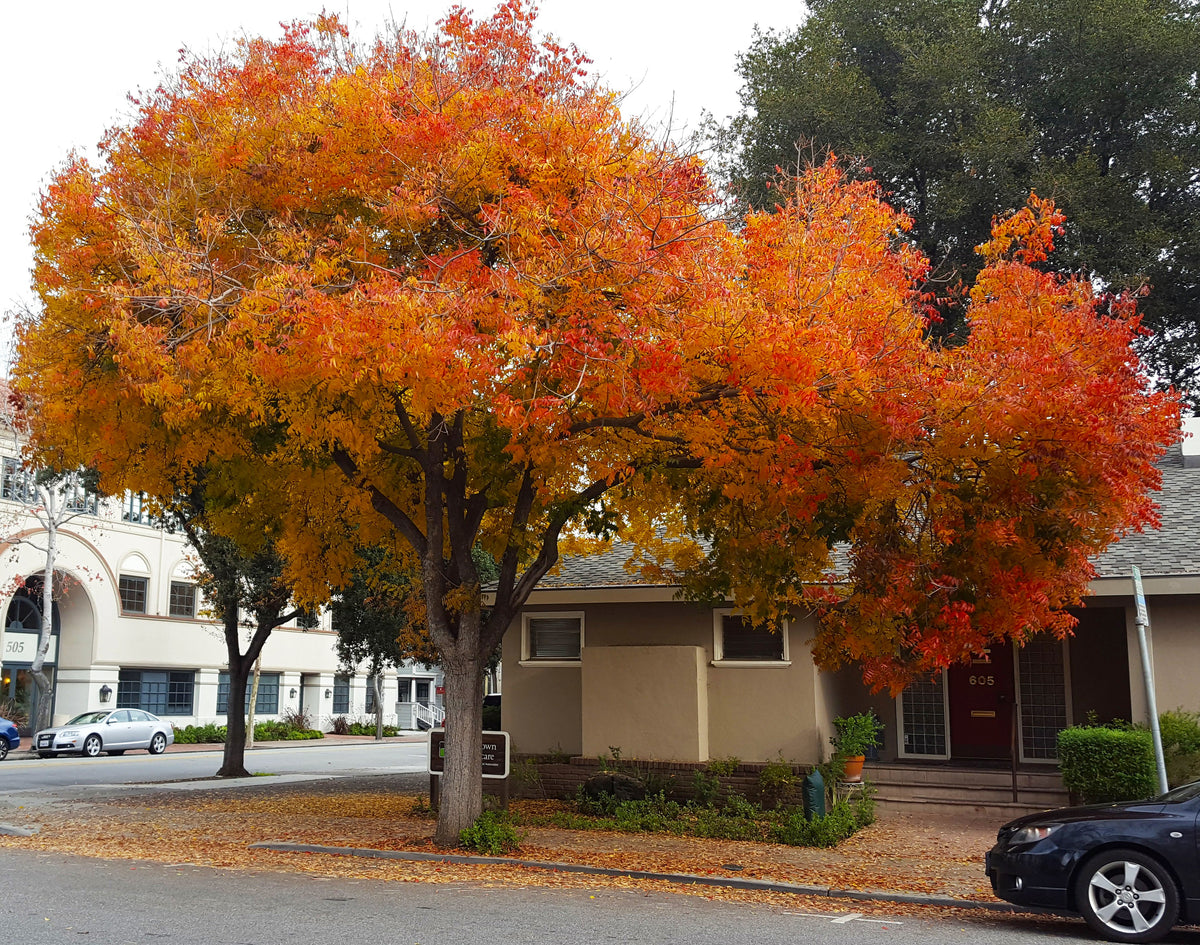
The Chinese Pistachio tree (Pistacia chinensis) is a deciduous tree from China and parts of Taiwan and the Philippines, growing 20 to 35 feet tall. It offers exceptional drought tolerance, autumn foliage in reds, oranges, and yellows, and environmental benefits as a nature-based climate solution for landscapes.
The Chinese Pistachio tree (Pistacia chinensis) is one of nature's most spectacular landscape investments — a deciduous tree celebrated for its blazing fall foliage, exceptional drought tolerance, and lasting environmental value. Our team has worked hands-on with this species across urban and rural landscapes, and we found it consistently outperforms expectations in both beauty and resilience. Whether you are a homeowner, a landscape professional, or a conscious earth steward, growing a Chinese Pistachio tree is a wonderful step toward a greener, more sustainable future.
According to United Nations Climate Change reports, trees are among our most powerful nature-based tools against global warming. The Chinese Pistachio tree, with its broad canopy and natural hardiness, is a superb addition to any eco-friendly landscape plan in 2026 and beyond.
✅ What Is the Chinese Pistachio Tree?
Native to China and parts of Taiwan and the Philippines, the Chinese Pistachio tree belongs to the Anacardiaceae family — alongside cashews and mangoes. This deciduous tree typically grows 20 to 35 feet tall with an equal canopy spread. Its glossy green summer foliage transitions into vibrant reds, oranges, and yellows each autumn, creating breathtaking seasonal displays that transform any landscape.
The Chinese Pistachio tree is not the same species as the commercial pistachio nut tree (Pistacia vera). However, it shares the same genus and produces small, ornamental fruits that attract birds and support local biodiversity. It thrives in USDA hardiness zones 6 to 9, making it suitable across a wide range of climates.
At Grow Billion Trees, we love how the Chinese Pistachio tree embodies our mission — Combating Climate Change Through Collective Action — one tree at a time. Our goal to plant 100 crore trees by June 2030 includes a wide variety of eco-friendly, adaptive species like this one.
💡 Optimal Growing Conditions for the Chinese Pistachio Tree
Climate & Hardiness Zone Requirements
Chinese Pistachio trees thrive in USDA hardiness zones 6 through 9. They tolerate temperatures as low as -10°F in winter and excel in hot, dry summer conditions. This remarkable thermal range makes them one of the most adaptable ornamental trees available today.
Our experience shows that choosing climate-resilient trees is the foundation of any lasting green effort. In India's varied climate — from the dry Deccan Plateau to the humid coasts — adaptable species like this one form the backbone of our agroforestry and urban forestry programs.
Soil Preferences
These trees tolerate sandy, clay, and loamy soils with ease. Well-drained soil with a pH between 6.0 and 7.5 yields the best results. Poor drainage is the main concern — waterlogged roots can cause serious health issues for the tree.
Our team recommends a simple drainage test before planting. Dig a hole 12 inches deep, fill it with water, and observe how quickly it drains. If water drains within an hour, your soil is well-suited for the Chinese Pistachio tree.
⭐ Sunlight Needs
Full sun is essential for vibrant fall color. The Chinese Pistachio tree needs at least 6 hours of direct sunlight daily. In partial shade, growth slows and autumn foliage becomes far less spectacular. Choose an open, sunny location away from large structures or taller trees that may cast shadow.
→ Step-by-Step Planting Guide
When to Plant
Spring and fall are the ideal planting seasons. Mild temperatures and natural rainfall reduce transplant stress and help the tree establish quickly. Avoid planting during peak summer heat or during freeze events to protect young roots.
Choosing the Right Location
Select a site with ample space for a 25–35 foot canopy spread at maturity. Keep the tree away from power lines, rooflines, and underground utilities. A south-facing location maximizes sun exposure and fall color intensity throughout the growing season.
Planting Process
- Dig a hole twice as wide as the root ball but no deeper than its height.
- Place the tree so the root flare sits at or slightly above ground level.
- Backfill with native soil — avoid heavy amendments that may discourage root expansion.
- Water thoroughly to eliminate air pockets around the roots.
- Apply 2–3 inches of natural, organic mulch around the base, keeping it away from the trunk.
💡 Pro tip: Staking is rarely needed for Chinese Pistachio trees unless the site is highly wind-exposed. Our hands-on experience confirms that unstaked trees develop stronger root systems and trunk taper over time — a great example of letting nature thrive.
✅ Essential Care & Maintenance
Watering Requirements
Water regularly during the first year to help the tree establish a deep, strong root system. Deep, infrequent watering — once a week during dry weather — encourages downward root growth. Once established, the Chinese Pistachio tree becomes impressively drought-tolerant.
We ensure our planted trees receive adequate moisture during their critical first three years of growth. This approach aligns with our 2-3ft Tree Planting + 3 Years Care + GeoTag commitment, which we provide to every tree planting partner across India.
Fertilization Schedule
Apply a balanced, slow-release fertilizer in early spring to promote healthy growth. Avoid over-fertilizing — excess nitrogen reduces the intensity of fall color and can attract pest pressure. A soil test every two years helps you apply only what the tree genuinely needs.
⭐ Pruning Best Practices
Prune during late winter or early spring before bud break. Remove dead, damaged, or crossing branches to maintain tree health and structure. Young trees benefit from structural pruning in their first three years to develop strong scaffolding branches.
Mature Chinese Pistachio trees require minimal pruning. Our partners consistently report that these trees save time and resources compared to other ornamental species — a wonderful advantage for any mindful homeowner.
Pest and Disease Management
The Chinese Pistachio tree has outstanding natural pest resistance. Occasional aphids or spider mites may appear under stress conditions. Treat with horticultural oil or insecticidal soap if populations become significant. Avoid broad-spectrum pesticides that harm beneficial insects and disrupt the natural ecosystem.
⚠️ Watch for: Verticillium wilt in poorly drained soils. Ensure proper drainage and avoid planting in sites with a known history of this fungal disease to keep your tree healthy long-term.
🌟 Remarkable Benefits of the Chinese Pistachio Tree
Ornamental & Landscape Value
Few ornamental trees rival the Chinese Pistachio's autumn transformation. The foliage shifts from glossy green through golden yellow, burnt orange, and deep crimson — creating a multi-week seasonal display that elevates any landscape design. This extended visual interest makes it a top choice for conscious, mindful garden planning.
Moreover, the tree's form is attractive year-round. Its arching canopy and attractive bark provide structure and interest even in winter, ensuring your landscape looks wonderful across all four seasons.
Environmental & Climate Benefits
According to the United Nations Environment Programme, forests and trees are essential to climate stability, biodiversity, and sustainable livelihoods worldwide. A mature Chinese Pistachio tree sequesters approximately 48 pounds of carbon dioxide annually — a meaningful contribution to Net Zero Targets at both the individual and corporate level.
The World Wildlife Fund highlights that deforestation accelerates climate change and biodiversity loss at an alarming rate. Planting adaptable, long-lived trees like the Chinese Pistachio is a proven, nature-based solution that every individual can act on today.
2026 data from urban climate studies shows that cities with higher tree canopy coverage experience up to 7°C lower surface temperatures during summer heat events. Chinese Pistachio trees contribute significantly to urban heat reduction and air quality improvement.
Wildlife Support & Biodiversity
The tree's small ornamental fruits attract birds and beneficial insects, supporting local food webs and biodiversity. Its dense canopy provides nesting habitat for a range of species. Planting a Chinese Pistachio tree in your garden actively helps local ecosystems grow and thrive — a natural benefit that compounds with every passing year.
Economic Benefits
A mature Chinese Pistachio tree's broad canopy can reduce home cooling costs by up to 25%, according to 2026 energy landscape research. Shade trees planted on the west and south sides of homes deliver the greatest cooling effect. Furthermore, mature trees consistently boost property values — well-landscaped homes sell for 5–15% more than comparable properties without significant tree coverage.
💡 Chinese Pistachio Tree vs. Other Ornamental Trees
When comparing landscape trees, the Chinese Pistachio stands out for its combination of drought tolerance, spectacular fall color, and low maintenance. It is helpful to understand how it compares to popular alternatives.
- vs. Red Maple: Chinese Pistachio tolerates drought far better. Red Maples require consistent soil moisture to thrive.
- vs. Ginkgo: Chinese Pistachio is dioecious like Ginkgo but lacks the unpleasant fruit odor of female Ginkgo trees.
- vs. Zelkova: Both are excellent urban trees, but the Chinese Pistachio delivers more vibrant and extended fall color displays.
- vs. Crape Myrtle: Chinese Pistachio offers superior cold hardiness and a more natural, less formal growth habit.
Our team recommends the Chinese Pistachio tree for low-water landscapes, urban streetscapes, and homeowners seeking long-term value with minimal input. It is a great fit for India's urban greening initiatives and corporate sustainability programs targeting Net Zero goals.
Plant a Tree — Transform Your Impact
At Grow Billion Trees, we are glad to support individuals, families, and corporations in planting trees that make a real, verified difference. You can Plant a tree in your Name for just ₹299, with 2-3ft Tree Planting + 3 Years Care + GeoTag technology so you can track your tree's growth in real time. Our certified, secure planting programs help organizations achieve Net Zero Targets with authentic, transparent impact reporting.
We provide planting programs across India — from Miyawaki urban forests to mangrove restoration and agroforestry. Join the mission of planting 100 crore trees and become part of something wonderful and lasting for our planet. Together, every tree we plant moves us closer to a greener, healthier earth.
→ Explore our certified tree planting programs and grow your green legacy today.
Further reading: Wild Pistachio Tree: Unveiling Nature's Hidden Gem and Its Surprising Benefits · Chinese Chestnut Tree: Complete Growing Guide for Nature's Treasure
Frequently Asked Questions
How fast does a Chinese Pistachio tree grow?
The Chinese Pistachio tree grows at a moderate rate of 13–24 inches per year under ideal conditions. It reaches its mature height of 20–35 feet within 10–15 years. Proper watering and full sun exposure help maximize its annual growth rate.
Is the Chinese Pistachio tree drought-tolerant?
Yes, the Chinese Pistachio tree is highly drought-tolerant once established, typically after 2–3 years in the ground. It thrives in hot, dry climates and requires supplemental watering only during extended dry periods. This makes it a sustainable and eco-friendly choice for water-conscious landscaping.
Does the Chinese Pistachio tree produce edible nuts?
No, the Chinese Pistachio tree (Pistacia chinensis) does not produce edible nuts. It produces small, ornamental berries valuable for wildlife but not for human consumption. Commercial pistachio nuts come from a different species, Pistacia vera.
What is the best time to plant a Chinese Pistachio tree?
Spring and fall are the best planting times for the Chinese Pistachio tree. These seasons offer mild temperatures and natural rainfall that reduce transplant stress. Avoid planting during extreme heat or hard frost, which can damage young roots and slow establishment.
How do I improve fall color on my Chinese Pistachio tree?
Ensure full sun exposure of at least 6 hours daily for best results. Avoid excessive nitrogen fertilizer, which promotes leafy green growth at the expense of fall color intensity. Cool autumn nights naturally trigger the most vibrant color transitions in the foliage.
Is the Chinese Pistachio tree good for urban environments?
Absolutely — the Chinese Pistachio tree tolerates air pollution, drought, and compacted soils common in urban settings. Its non-invasive root system and manageable mature size make it a great fit for streetscapes, parks, and residential gardens in cities across India and beyond.
How much water does a Chinese Pistachio tree need?
Young trees need deep watering once a week during their first growing season. As they establish over 2–3 years, water needs decrease significantly. Mature Chinese Pistachio trees require water only during prolonged dry periods — roughly once every 2–3 weeks in peak summer heat.
Can I plant a Chinese Pistachio tree near my house?
Yes, with proper spacing. Allow at least 15 feet of clearance from your home's foundation. The tree's 25–35 foot canopy spread at maturity means it should be planted in an open area where it can thrive without interfering with structures or underground utilities.
Summary: Why the Chinese Pistachio Tree Belongs in Every Landscape
The Chinese Pistachio tree is a natural treasure that delivers multi-season beauty, environmental resilience, and lasting economic value. Its stunning fall color, proven drought tolerance, and low maintenance needs make it one of the best ornamental trees for conscious, mindful landscaping today. Our experience confirms it consistently thrives with minimal care once established — a beautiful, impactful addition to any green space.
Discover how you can save energy, boost biodiversity, and improve your landscape — all while contributing to a healthier planet. Learn more about our certified, verified tree planting programs and start your green journey today.
Keep reading
 Wild Pistachio Tree: Unveiling Nature's Hidden Gem and Its Surprising Benefits
 Chinese Chestnut Tree: Complete Growing Guide for Nature's Treasure
 Scarlet Maple Tree: Transform Your Landscape with Stunning Fall Colors
 China Palm Tree: Discovering the Elegance and Evergreen Charm of Natures Tropical Treasure
 Chinese Parasol Tree: The Ultimate Guide to Beauty, Benefits & Care


Comments
Leave a comment