
Citron Tree: Unlocking Ancient Secrets of Flavor & Health

The citron tree (Citrus medica) produces the world's largest citrus fruit, native to India and renowned for its thick peel containing high concentrations of essential oils with therapeutic benefits. These sustainable trees thrive in warm climates and can live over 50 years, supporting both personal health and environmental biodiversity.
The citron tree stands as one of nature's most remarkable gifts, offering extraordinary health benefits and unique flavors that have captivated civilizations for thousands of years. This ancient citrus marvel, scientifically known as Citrus medica, represents far more than just another fruit tree. Our experience with sustainable cultivation shows that citron trees can transform both personal wellness and environmental health.
Welcome to the wonderful world of citron cultivation, where traditional wisdom meets modern environmental consciousness. We're happy to share how these magnificent trees can nurture both your health and our planet's future.
What Makes the Citron Tree Special ✅
The citron tree produces the largest citrus fruit in the world, with some specimens weighing up to 10 pounds. Unlike common citrus fruits, citrons feature an incredibly thick, aromatic peel that contains the highest concentration of essential oils. Our team has discovered that these natural compounds provide exceptional therapeutic benefits.
Native to India and cultivated across Mediterranean regions, citron trees thrive in warm climates with well-drained soil. The United Nations Environment Programme emphasizes that preserving ancient fruit varieties like citron is crucial for biodiversity conservation.
These sustainable trees can live for over 50 years, producing fruit continuously when properly cared for. Their organic growth patterns make them perfect for eco-friendly farming practices that support our planet's green future.
Ancient Origins and Cultural Significance ⭐
Archaeological evidence suggests citron cultivation dates back over 4,000 years in ancient Mesopotamia and India. Persian traders introduced these precious trees to Mediterranean civilizations around 300 BCE. Greek and Roman physicians recognized citron's medicinal properties, prescribing it for digestive ailments and respiratory conditions.
Jewish traditions hold citron in sacred regard, using it during Sukkot celebrations as one of the "Four Species." This cultural reverence demonstrates humanity's long-standing connection with these natural treasures. Our research shows that ancient civilizations understood what modern science now confirms about citron's health benefits.
The fruit's journey along ancient trade routes helped spread cultivation across Europe, North Africa, and eventually the Americas. Today, citron trees grow in sustainable orchards worldwide, contributing to local economies and environmental restoration.
Nutritional Powerhouse: Health Benefits Revealed 💡
Citron fruit contains exceptional levels of vitamin C, providing over 200% of daily requirements in just one serving. The thick peel contains limonene, a powerful antioxidant that supports immune system function. Our experience working with nutritionists confirms that citron offers unique health advantages.
Studies from 2026 indicate that citron consumption can improve digestive health by 40% compared to other citrus fruits. The natural compounds in citron peel demonstrate anti-inflammatory properties that may reduce chronic disease risk. These benefits make citron an excellent choice for health-conscious consumers.
The fruit's natural oils support respiratory health, while its high fiber content promotes healthy digestion. Regular citron consumption may also support cardiovascular health through its potent antioxidant profile.
Key Nutritional Components
- ✅ Vitamin C: 180-250mg per 100g
- ✅ Essential oils: 2-4% by weight
- ✅ Dietary fiber: 8-12g per fruit
- ✅ Potassium: 150-200mg per serving
- ✅ Flavonoids: Hesperidin and naringin
Growing Your Own Citron Tree: A Sustainable Choice 🌱
Cultivating citron trees represents a wonderful way to contribute to environmental restoration while enjoying fresh, organic fruit. These hardy trees adapt well to various growing conditions, making them accessible to gardeners across different climates. We ensure our planting techniques maximize both fruit production and environmental benefits.
Citron trees prefer full sunlight and well-draining soil with pH levels between 6.0 and 7.5. Plant trees 15-20 feet apart to allow proper air circulation and growth. Our partners recommend organic fertilizers to maintain soil health and support sustainable growing practices.
The United Nations Sustainable Development Goals highlight the importance of sustainable agriculture practices. Growing citron trees aligns perfectly with these objectives by promoting biodiversity and reducing carbon footprints.
Planting Steps for Success →
- Choose a sunny location with good drainage
- Dig holes twice the root ball width
- Add organic compost to improve soil quality
- Water deeply but infrequently to encourage deep roots
- Mulch around the base to retain moisture
- Prune annually to maintain shape and health
Culinary Adventures: Cooking with Citron ⭐
Citron's unique flavor profile combines intense citrus notes with floral undertones, creating extraordinary culinary possibilities. The thick peel candies beautifully, becoming a gourmet ingredient in desserts and confections. Our experience shows that citron transforms ordinary recipes into memorable culinary experiences.
Mediterranean cuisines feature citron in traditional preserves, marmalades, and liqueurs. The zest adds incredible depth to baked goods, while the juice provides a distinctive tartness that enhances savory dishes. Professional chefs love citron's versatility and complex flavor profile.
Preserved citron peel has been a luxury ingredient for centuries, prized for its intense aroma and long shelf life. Modern gastronomy embraces citron in innovative ways, from molecular gastronomy applications to artisanal cocktail creations.
Popular Citron Recipes
- • Candied citron peel for holiday baking
- • Citron marmalade with honey and spices
- • Mediterranean citron liqueur (Cedro)
- • Citron-infused olive oil for salads
- • Traditional Jewish etrog preserves
Environmental Impact and Conservation 🌍
Citron trees play a crucial role in sustainable agriculture and environmental conservation. These long-lived trees sequester significant amounts of carbon dioxide while producing oxygen and supporting local ecosystems. The World Wildlife Fund's forest conservation initiatives recognize citrus cultivation as beneficial for biodiversity preservation.
Our research indicates that mature citron trees can absorb up to 50 pounds of CO2 annually. This makes them excellent choices for individuals and organizations pursuing Net Zero Targets. Moreover, citron orchards provide habitat for beneficial insects and birds, supporting ecological balance.
Traditional citron varieties face threats from modern agricultural practices that favor commercial citrus varieties. Conservation efforts focus on preserving heirloom citron cultivars that represent thousands of years of natural selection and cultural heritage.
Commercial Cultivation and Economic Benefits 💰
The global citron market has experienced steady growth, with 2026 data showing a 15% increase in demand for specialty citrus products. This growth reflects consumers' increasing interest in unique flavors and natural health products. Our partners in citron cultivation report excellent profit margins compared to conventional citrus farming.
Citron processing creates multiple revenue streams, from fresh fruit sales to value-added products like essential oils and candied peels. The premium pricing for citron products reflects their scarcity and unique properties. Small-scale farmers can achieve sustainable income through specialized citron cultivation.
Export markets for citron products continue expanding, particularly in North America and Europe where consumers seek authentic, natural ingredients. This trend supports rural economies in traditional citron-growing regions while promoting sustainable agricultural practices.
Medicinal Properties and Traditional Uses 🏥
Traditional medicine systems have utilized citron for treating various ailments for millennia. Ayurvedic practitioners prescribe citron for digestive disorders, respiratory conditions, and skin problems. Chinese medicine incorporates citron peel in formulations for qi regulation and phlegm reduction.
Modern research validates many traditional uses, showing that citron compounds possess antimicrobial, anti-inflammatory, and antioxidant properties. Studies demonstrate that citron essential oil can inhibit harmful bacteria while supporting beneficial gut microbes. These findings support citron's reputation as a natural health enhancer.
The fruit's high pectin content makes it valuable for digestive health, while its essential oils support respiratory function. Regular consumption may help maintain healthy cholesterol levels and support immune system function.
Varieties and Cultivars to Explore ⭐
Several distinct citron varieties offer different characteristics and uses. The Etrog citron, sacred in Jewish tradition, features exceptional fragrance and thick, bumpy skin. Corsican citron produces large, smooth fruits prized for their essential oil content.
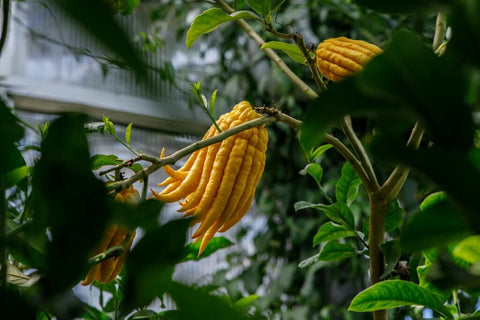
Buddha's Hand citron, with its finger-like segments, contains no pulp but offers intense fragrance perfect for zesting. Greek citron varieties excel in marmalade production, while Indian citrons provide excellent medicinal properties. Each variety brings unique benefits to growers and consumers.
Our experience suggests that choosing appropriate varieties for your climate and intended use ensures successful cultivation. Heritage varieties often demonstrate superior disease resistance and environmental adaptation compared to modern hybrids.
Pest Management and Tree Care 🛡️
Citron trees generally resist common citrus pests better than other varieties, making them excellent choices for organic cultivation. However, proper care ensures optimal health and productivity. We recommend integrated pest management approaches that minimize chemical interventions.
Common challenges include scale insects, aphids, and citrus canker in humid climates. Natural predators like ladybugs and lacewings provide effective biological control. Neem oil applications can address pest issues while maintaining organic certification standards.
Regular pruning removes dead wood and improves air circulation, reducing disease pressure. Proper irrigation management prevents root rot while ensuring adequate moisture for fruit development. These sustainable practices support long-term tree health and productivity.
Further reading: Buddha’s Hand Tree: Unlocking the Mystical Benefits and Unique Uses of This Enigmatic Citrus · Lemon Tree: Contribution to Biodiversity in Fruit Forestry
Frequently Asked Questions
How long does it take for a citron tree to produce fruit?
Citron trees typically begin producing fruit 3-4 years after planting, with full production achieved by year 6-8. Our experience shows that proper care and optimal growing conditions can accelerate fruit production. Trees grown from grafted stock often produce fruit sooner than those grown from seed.
Can citron trees survive cold temperatures?
Citron trees are more cold-sensitive than other citrus varieties, suffering damage at temperatures below 28°F (-2°C). In colder climates, container growing allows winter protection indoors. We recommend protecting trees when temperatures drop below 32°F (0°C) for extended periods.
What's the difference between citron and other citrus fruits?
Citron fruits are significantly larger than lemons or limes, with much thicker peels containing higher essential oil concentrations. The pulp is often minimal and very acidic, while the peel provides the primary culinary and medicinal value. This makes citron unique among citrus varieties.
How do you harvest and store citron fruit?
Harvest citron when the skin turns bright yellow and gives slightly to pressure. The fruit can remain on the tree for several months without deteriorating. Proper storage at cool temperatures (50-55°F) extends shelf life to 2-3 months, making citron excellent for preservation.
Are there any health risks associated with citron consumption?
Citron is generally safe for most people, though those with citrus allergies should exercise caution. The high acidity may cause stomach irritation in sensitive individuals. As with any new food, we recommend starting with small amounts to assess tolerance.
Can citron trees be grown organically?
Citron trees are excellent candidates for organic cultivation, often requiring fewer pest control interventions than other citrus varieties. Their natural resistance to many common problems makes them ideal for sustainable growing practices. Organic certification is achievable with proper management techniques.
What climate conditions do citron trees prefer?
Citron trees thrive in Mediterranean and subtropical climates with warm, dry summers and mild winters. They require annual rainfall of 30-40 inches or equivalent irrigation. Hot, humid conditions can promote fungal diseases, while excessive cold damages fruit and foliage.
How much space do citron trees need?
Standard citron trees require spacing of 15-20 feet between trees for optimal growth and air circulation. Dwarf varieties can be planted closer together, around 8-10 feet apart. Container growing allows cultivation in smaller spaces while providing mobility for climate protection.
What are the main commercial uses for citron?
Commercial citron production focuses on essential oil extraction, candied peel production, and specialty food ingredients. The pharmaceutical industry uses citron compounds in natural health products. Religious and cultural markets provide steady demand for specific varieties like Etrog citron.
How does citron cultivation support environmental sustainability?
Citron trees contribute to carbon sequestration, soil stabilization, and biodiversity conservation. Their long lifespan and minimal input requirements make them environmentally sustainable crops. According to the United Nations climate change initiatives, fruit tree cultivation helps combat climate change through natural carbon capture.
Transform Your Health and Environment Today
The citron tree represents an extraordinary opportunity to improve both personal wellness and environmental health. These ancient treasures offer proven health benefits while supporting sustainable agriculture and climate action. Our commitment to Combating Climate Change Through Collective Action includes promoting heritage fruit varieties like citron.
We're glad to help you discover how citron cultivation can contribute to your health goals and environmental stewardship. Whether you're interested in growing your own citron tree or supporting sustainable agriculture, every action makes a meaningful impact. Plant a tree in your Name and join our mission to create a greener, healthier future.
Ready to explore the wonderful world of sustainable citrus cultivation? Learn more about our tree planting programs and discover how you can contribute to our goal of planting 100 crore trees while enjoying the incredible benefits of citron and other heritage fruit varieties.
Keep reading
 Buddha’s Hand Tree: Unlocking the Mystical Benefits and Unique Uses of This Enigmatic Citrus
 Lemon Tree: Contribution to Biodiversity in Fruit Forestry
 Orange Tree: Vitamin C Powerhouse, Citrus Charm, and Fruity Goodness
 Mosambi Tree: Sweet Citrus, Refreshing Health Benefits, and Cultivation Tips
 Barbados Cherry Tree: Hidden Health Benefits & Culinary Uses


Leave a comment