
Buddha’s Hand Tree: Unlocking the Mystical Benefits and Unique Uses of This Enigmatic Citrus
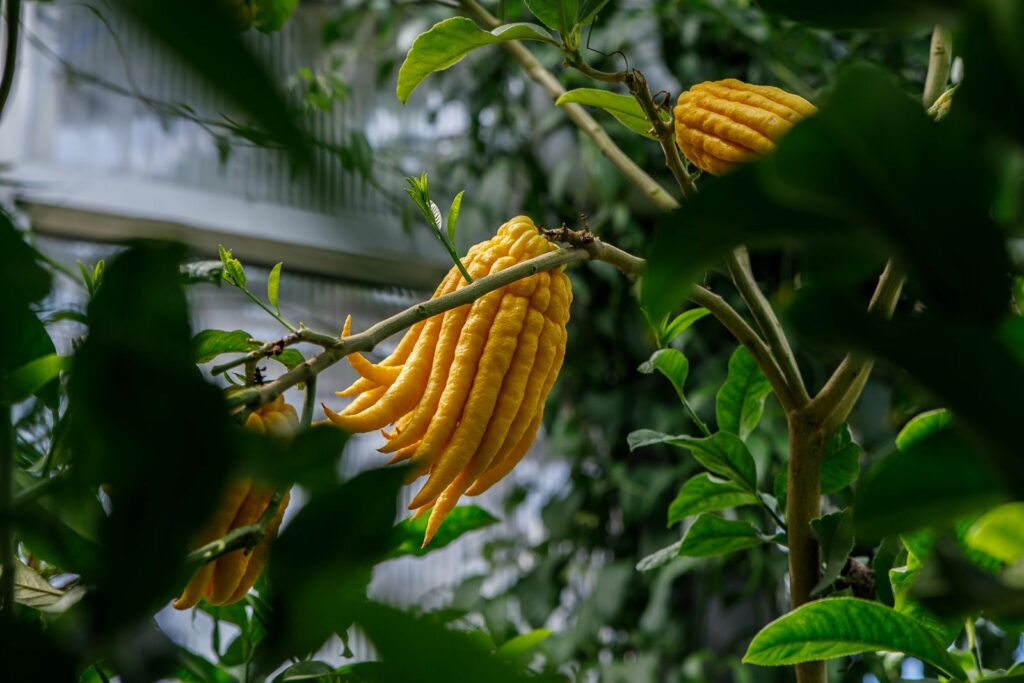
Buddha's Hand (Citrus medica var. sarcodactylis) is a distinctive citrus fruit with elongated finger-like segments, originally cultivated in China for over a thousand years. Valued in Buddhist traditions as a symbol of good fortune and longevity, it is used in religious ceremonies, traditional Chinese medicine, and culinary preparations, and is prized for its aromatic qualities.
When it comes to unique and mystical plants, few can rival the allure of the Buddha’s Hand tree (Citrus medica var. sarcodactylis).
This extraordinary citrus fruit, resembling a hand with elongated fingers, has captivated the imagination of cultures around the world for centuries. With its intriguing appearance, rich history, and myriad uses, the Buddha’s Hand tree is not just a feast for the eyes but also a source of numerous benefits.
In this blog, we will delve into the fascinating world of the Buddha’s Hand tree, exploring its historical significance, environmental impact, health benefits, culinary uses, and how organizations like Grow Billion Trees Partners are promoting sustainable practices in the cultivation of this enigmatic citrus.
Historical Significance
The Buddha’s Hand tree is believed to have originated in China, where it has been cultivated for over a thousand years. It is often associated with Buddhist traditions and is considered a symbol of happiness, longevity, and good fortune.
The fruit is frequently used in religious ceremonies and as an offering in temples, reflecting its deep spiritual significance. The Buddha’s Hand was introduced to Japan, Korea, and eventually the Western world, where it has gained popularity not only for its aesthetic appeal but also for its aromatic qualities.
In traditional Chinese medicine, the Buddha’s Hand has been used for its therapeutic properties. It is thought to help with respiratory issues, digestive problems, and even anxiety. The fruit's zest and essential oils are extracted for use in various remedies, showcasing its versatility beyond culinary applications.
Unique Characteristics of the Buddha’s Hand Fruit
The Buddha’s Hand fruit stands out among other citrus varieties due to its unique shape. Resembling a hand with elongated, finger-like segments, the fruit can grow up to a foot long. Its vibrant yellow color and fragrant aroma make it a striking addition to any garden or culinary dish.
Unlike most citrus fruits, the Buddha’s Hand has little to no pulp or juice, which adds to its mystique. Instead, it is prized for its aromatic zest and essential oils, which are often used in perfumes, aromatherapy, and culinary applications.
Culinary Uses
The culinary potential of the Buddha’s Hand is vast and varied. Its zest is highly aromatic and can elevate a variety of dishes, from savory to sweet. Here are some popular ways to use this unique fruit:
- Flavoring Agents: The zest of the Buddha’s Hand can be used to infuse oils, vinegars, and spirits, adding a citrusy aroma and flavor. Infused olive oil or vinegar can enhance salads, marinades, and dressings.
- Confectionery: The fruit can be candied or used in jams and jellies, offering a unique twist to traditional recipes. The candied zest makes for an exquisite garnish or a sweet treat on its own.
- Tea and Beverages: Slices of Buddha’s Hand can be steeped in hot water to create a refreshing tea. It can also be used in cocktails, providing a unique flavor profile that is sure to impress.
- Garnishing: The striking appearance of the Buddha’s Hand makes it an ideal garnish for dishes, cocktails, and desserts, adding both visual appeal and aromatic notes.
Health Benefits
The Buddha’s Hand is not just a culinary delight; it also offers a range of health benefits. Rich in antioxidants, vitamin C, and essential oils, this fruit can contribute to overall health and well-being. Here are some notable health benefits:
- Rich in Antioxidants: The fruit contains high levels of antioxidants, which help combat oxidative stress and reduce inflammation in the body.
- Respiratory Health: Traditionally, Buddha’s Hand has been used to alleviate respiratory issues. Its essential oils may help clear congestion and improve breathing.
- Digestive Aid: The fruit is believed to promote digestion and can help relieve symptoms of indigestion and bloating.
- Stress Relief: The aromatic properties of Buddha’s Hand are thought to have calming effects, making it useful in aromatherapy for reducing stress and anxiety.
Environmental Impact
As the world grapples with climate change and environmental degradation, the cultivation of trees like the Buddha’s Hand can play a significant role in promoting biodiversity and sustainability.
The Buddha’s Hand tree is relatively hardy and can thrive in various climates, making it an excellent candidate for cultivation in diverse regions.
Moreover, citrus trees contribute to soil health and help prevent erosion. Their root systems stabilize the soil, while their leaves provide shade and habitat for various species.
Cultivating Buddha’s Hand trees can also promote local economies by providing farmers with a unique crop that can command higher prices in the market.
Grow Billion Trees Partners: Promoting Sustainable Practices
Organizations like Grow Billion Trees Partners are at the forefront of promoting sustainable agricultural practices, including the cultivation of unique fruit trees like the Buddha’s Hand.
Their initiatives focus on reforestation, biodiversity conservation, and community empowerment, helping to ensure that both the environment and local communities benefit from sustainable practices.
Grow Billion Trees Partners collaborates with local farmers to provide training and resources for cultivating the Buddha’s Hand tree. By educating farmers on sustainable practices, they help increase yields while minimizing environmental impact.
This initiative not only contributes to the local economy but also encourages the preservation of traditional farming methods and biodiversity.
The organization also works to raise awareness about the benefits of the Buddha’s Hand tree, both in terms of its culinary uses and its ecological advantages. Through community workshops, cooking classes, and local markets, Grow Billion Trees Partners promotes the fruit as a valuable addition to the agricultural landscape.
Fun Facts About Buddha’s Hand
- The Buddha’s Hand is sometimes referred to as “fingered citron” due to its unique shape.
- In Japan, the fruit is known as “Buddha’s Hand” (hyakume) and is often used in New Year celebrations for good luck.
- The fruit has been featured in various art forms, including paintings and sculptures, symbolizing prosperity and happiness.
- In addition to its culinary uses, the essential oils extracted from Buddha’s Hand are used in high-end perfumes and cosmetics.
Growing Buddha’s Hand Trees
For those interested in cultivating their own Buddha’s Hand tree, the process can be quite rewarding. Here are some tips for growing this unique citrus:
- Climate: Buddha’s Hand trees thrive in warm, subtropical to tropical climates. They prefer full sun and well-drained soil.
- Soil: Use a well-draining potting mix or sandy loam for optimal growth. Ensure that the soil is rich in organic matter.
- Watering: Water regularly, especially during dry spells, but avoid overwatering as this can lead to root rot.
- Fertilization: Use a balanced fertilizer during the growing season to promote healthy growth and fruit production.
- Pruning: Regular pruning helps maintain the shape of the tree and encourages better air circulation, which is essential for preventing disease.
In conclusion, the Buddha’s Hand tree is a remarkable plant that offers a wealth of benefits, from its unique culinary uses to its health-promoting properties. Its historical significance and environmental impact make it a valuable addition to any garden or agricultural landscape.
Organizations like Grow Billion Trees Partners are leading the way in promoting sustainable practices and educating communities about the importance of cultivating such unique fruit trees. Whether you are a culinary enthusiast, a health-conscious individual, or an environmentally aware citizen, the Buddha’s Hand tree is truly a treasure worth exploring.
As we continue to embrace the wonders of nature, let us not forget the significance of preserving and promoting unique plants like the Buddha’s Hand. By supporting sustainable practices and educating ourselves and others, we can ensure that future generations will also experience the mystical benefits of this enigmatic citrus.
Further reading: Buddha Coconut Tree: Unlocking the Secrets of Nature's Spiritual Wonder · Orange Tree: Vitamin C Powerhouse, Citrus Charm, and Fruity Goodness
Frequently Asked Questions
What is the Buddha’s Hand tree?
The Buddha’s Hand tree (Citrus medica var. sarcodactylis) is a unique citrus plant known for its striking fruit, resembling a hand with elongated fingers. Originating from China, it has a rich history steeped in culture and spirituality, making it a favorite among gardeners and culinary enthusiasts alike.
What are the historical roots of the Buddha’s Hand?
With origins in China, the Buddha’s Hand has been cultivated for over a thousand years and is deeply intertwined with Buddhist traditions. Often seen as a symbol of happiness and good fortune, it is used in religious ceremonies, making it a fruit with both spiritual and cultural significance.
How can Buddha’s Hand be used in cooking?
The culinary potential of Buddha’s Hand is vast! Its aromatic zest can elevate oils, vinegars, and cocktails, while the fruit can be candied for a sweet treat. Whether used as a flavoring agent or a stunning garnish, this citrus wonder is a chef's secret weapon for unique dishes.
What health benefits does Buddha’s Hand offer?
Rich in antioxidants and vitamin C, Buddha’s Hand is a health powerhouse! Traditionally used for respiratory issues and digestive aid, its aromatic properties also promote relaxation and stress relief. It’s a delightful way to boost your well-being while enjoying its unique flavor.
How does the Buddha’s Hand tree impact the environment?
Cultivating Buddha’s Hand trees supports biodiversity and soil health. Their hardy nature allows them to thrive in various climates, and their root systems help prevent erosion. Plus, they can boost local economies by providing farmers with a unique, high-value crop.
What sustainable practices are promoted by Grow Billion Trees Partners?
Grow Billion Trees Partners champions sustainable agriculture, focusing on reforestation and community empowerment. They provide training for cultivating Buddha’s Hand trees, helping farmers increase yields while minimizing environmental impact. It’s a win-win for the planet and local economies!
Can I grow my own Buddha’s Hand tree?
Absolutely! Growing a Buddha’s Hand tree can be a rewarding endeavor. They thrive in warm, sunny climates with well-drained soil. With regular watering and balanced fertilization, you’ll be on your way to cultivating this unique citrus gem in no time.
What makes Buddha’s Hand fruit unique?
Apart from its quirky hand-like shape, Buddha’s Hand is notable for its lack of pulp and juice. Instead, it’s prized for its fragrant zest and essential oils, making it a favorite for culinary and aromatic applications. It’s a citrus fruit that’s all about the aroma!
Is Buddha’s Hand used in traditional medicine?
Yes! In traditional Chinese medicine, Buddha’s Hand has been employed for its therapeutic properties, believed to aid respiratory and digestive issues. Its essential oils are also used for their calming effects, making it a versatile fruit in both culinary and medicinal realms.
What fun facts should I know about Buddha’s Hand?
Did you know the Buddha’s Hand is sometimes called “fingered citron”? In Japan, it’s a New Year’s good luck charm! Its unique shape has inspired art and culture, and its essential oils are sought after in high-end perfumes, making it a true multi-talented citrus!
How can I incorporate Buddha’s Hand into my diet?
Incorporating Buddha’s Hand into your diet is easy! Use its zest to infuse oils or vinegars, add slices to teas and cocktails, or try candied versions for a sweet treat. With its aromatic qualities, this fruit is sure to impress your taste buds and guests alike!
Keep reading
 Buddha Coconut Tree: Unlocking the Secrets of Nature's Spiritual Wonder
 Citron Tree: Unlocking Ancient Secrets of Flavor & Health
 Orange Tree: Vitamin C Powerhouse, Citrus Charm, and Fruity Goodness
 Mosambi Tree: Sweet Citrus, Refreshing Health Benefits, and Cultivation Tips
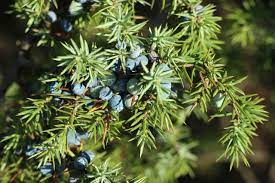 Juniper Tree: Unlocking the Mystical Benefits and Secrets of Nature's Enigmatic Evergreen


Comments
Leave a comment