
Cogon Grass Tree: The Hidden Power of Nature’s Resilient Grass and Its Surprising Benefits for Your Garden and Ecosystem
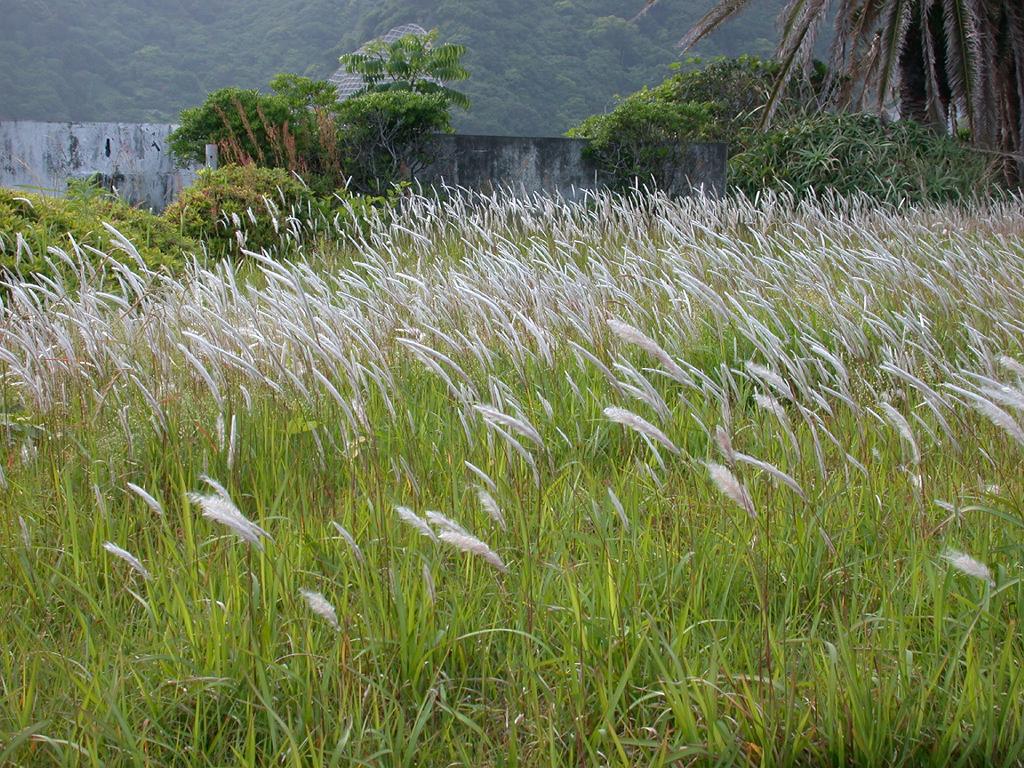
Cogon grass (Imperata cylindrica), a perennial native to Southeast Asia, offers garden and ecological benefits despite its invasive reputation. With distinctive silvery-white plumes, it adds texture and movement to landscapes when cultivated. Historically used for roofing and weaving, this resilient plant thrives in challenging conditions and enhances both aesthetic and environmental value when properly managed.
Cogon grass (Imperata cylindrica) is one of the most resilient and versatile plants in the world. Often considered a weed, this grass holds surprising benefits for your garden and the environment. 🌱
What Is Cogon Grass? 🌿
Cogon grass is a perennial grass native to Southeast Asia and commonly found in tropical and subtropical regions.
With its signature feathery, white flower heads, it has become a prominent species in many countries, where it thrives in disturbed areas. However, despite its invasive reputation, it offers many benefits when understood and managed correctly.
Historical Significance of Cogon Grass 🌍
Historically, cogon grass was used for various practical purposes in many cultures. In the Philippines, it was traditionally used for making roofing material.
In ancient times, the leaves were woven into mats, baskets, and even ropes. 🌾 These usages highlight its utility and ability to thrive in harsh conditions.
Cogon Grass: A Garden Secret 🌸
While cogon grass can be challenging to manage in some settings, it also has its place in well-kept gardens. When cultivated with intention, it can add texture, movement, and height to your landscape. 🌳
The vibrant, silvery-white plumes create an interesting contrast against the deep green foliage. With proper care, cogon grass becomes an attractive addition to a variety of garden designs.
Ecological Importance of Cogon Grass 🌍
Although it’s often seen as a weed, cogon grass has environmental benefits that deserve attention. Its deep, fibrous root system makes it an excellent soil stabilizer, preventing soil erosion, especially in areas prone to heavy rainfall. 💧
Moreover, its adaptability allows it to grow in marginal lands, which are typically difficult for other plants to survive.
Benefits for the Garden 🌷
- Ground Cover: Cogon grass can act as a natural ground cover, suppressing the growth of unwanted weeds.
- Aesthetic Appeal: Its wispy flower heads are stunning and can create a beautiful focal point in any garden. 🌸
- Low Maintenance: Once established, it requires little water and care. This makes it ideal for drought-prone areas.
- Soil Health: By improving soil aeration and preventing erosion, cogon grass contributes to better soil health. 🌱
The Science Behind Cogon Grass' Growth 🔬
Cogon grass thrives in a variety of environments, including sandy soils, poor soil conditions, and even areas with occasional droughts. 🌞
Its ability to adapt to different climates and its rapid growth rate make it one of the fastest-growing grass species globally. Studies have shown that cogon grass can outcompete native vegetation, making it a resilient force in any garden.
The Invasive Nature of Cogon Grass 🐾
However, it’s essential to understand that cogon grass can be invasive. It spreads quickly through seeds and rhizomes, which can quickly overtake gardens and natural ecosystems if not controlled. 🌱
If left unchecked, cogon grass can alter local ecosystems, pushing out native plants and reducing biodiversity. But when carefully managed, its spread can be contained. 🌿
Cogon Grass and Its Role in Fire Ecology 🔥
One of the most fascinating characteristics of cogon grass is its role in fire ecology. The grass’s dry biomass is highly flammable, and it can ignite easily during the dry season.
In many areas, it contributes to wildfires that can spread quickly through dry grasslands.🔥 However, this can be beneficial for certain ecosystems, as fire promotes the regeneration of specific plant species that thrive after a blaze.
Growing Cogon Grass: Tips and Tricks for the Garden 🏡
- Planting Location: Choose a sunny, well-drained area in your garden for cogon grass. 🌞 It loves the sun and tolerates various soil types.
- Watering Needs: While it’s drought-tolerant once established, young plants will need regular watering until they are fully settled. 💧
- Pruning: Trim the grass back after flowering to maintain its shape and prevent it from becoming too invasive. ✂️
- Control Growth: Consider planting it in a contained area to prevent spreading beyond desired boundaries. 🛑
Fun Facts About Cogon Grass 🌻
- It was ranked as one of the top 10 worst weeds in the world by the Global Invasive Species Database. 😲
- The grass can grow up to 1.5 meters tall, adding height and movement to any garden design. 🌱
- The feathery flowers of cogon grass resemble the soft plumes of a feather duster, adding a soft, whimsical quality to the landscape. 🪶
Environmental Impact: The Double-Edged Sword 🌳
While cogon grass offers many ecological benefits, it also poses a risk to local plant life. 🌍 Its invasiveness in non-native environments can disrupt the natural balance.
However, in areas where it’s native, it thrives without causing significant harm. It’s crucial to understand the impact it has on local ecosystems before planting it in your garden.
Managing Cogon Grass 🌾
If you want to keep cogon grass in your garden without it taking over, here are a few management tips:
- Regular Maintenance: Regular mowing and trimming will prevent it from spreading uncontrollably. ✂️
- Mulching: Mulch around the base to keep weeds from taking root. 🌿
- Barriers: Use physical barriers like landscape fabric or raised beds to contain its growth. 🏡
The Future of Cogon Grass in Sustainable Landscaping 🌱
Incorporating cogon grass into sustainable landscaping practices is gaining popularity. Its drought tolerance, soil stabilization properties, and low maintenance make it an excellent choice for eco-friendly gardens. 🌍
Furthermore, its deep roots prevent soil erosion, making it perfect for hillside plantings and reclamation projects. With the right care, it could become an essential plant in future landscaping. 🌱
Conclusion 🌟
Cogon grass, while sometimes considered a pesky weed, offers incredible potential for gardeners who understand its unique characteristics. 🌱
With proper care and management, it can be a powerful tool for creating beautiful, low-maintenance landscapes that benefit the environment.
From its soil-stabilizing capabilities to its striking aesthetic appeal, cogon grass holds hidden benefits that can elevate any garden. 🌿 With its adaptability and resilience, it’s time to appreciate this versatile plant for all that it offers to both the garden and the ecosystem. 🌸
By embracing cogon grass and its stunning blooms, gardeners can enhance their outdoor spaces while promoting sustainability and environmental health. 🌍
Further reading: Green Fountain Grass: Enhancing Landscapes with the Elegance and Versatility of Natures Verdant Beauty · Red Fountain Grass: Transforming Landscapes with the Beauty and Versatility of Natures Ornamental Wonder
Frequently Asked Questions
What is Cogon Grass?
Cogon grass is a fast-growing, resilient plant known for its tall, feathery plumes. It's hardy and can thrive in poor soil conditions, making it a popular choice for tough landscapes.
Why is Cogon Grass considered invasive?
Cogon grass can quickly spread and outcompete native plants, disrupting local ecosystems. Its rapid growth and aggressive nature can lead to it becoming a nuisance in some regions.
Can Cogon Grass help with erosion control?
Yes! With its deep root system, cogon grass is excellent at stabilizing soil, reducing erosion, especially in areas prone to heavy rainfall or where soil is vulnerable.
What are the environmental benefits of Cogon Grass?
Cogon grass helps improve soil health by aerating it and promoting organic matter. It also plays a role in stabilizing fragile ecosystems, preventing erosion, and supporting biodiversity.
Is Cogon Grass suitable for tropical climates?
Absolutely! Cogon grass thrives in tropical and subtropical environments, where it can handle high humidity and heat, making it a go-to plant for these regions.
How does Cogon Grass help with wildfire management?
While cogon grass can contribute to wildfires due to its flammability, it can also help maintain ecosystems that rely on fire for regeneration, creating a balance.
Can I use Cogon Grass in my garden?
Yes, but keep in mind that it can become invasive. If you're in an area where it's not a problem, it can make a striking addition to a low-maintenance or dry garden.
Does Cogon Grass require a lot of maintenance?
Cogon grass is low-maintenance once established. It’s drought-resistant and can handle poor soil, but you'll need to prune it occasionally to keep it in check and prevent it from spreading too much.
Is Cogon Grass good for biodiversity?
Unfortunately, no. While it may support soil health, cogon grass can overwhelm native species, leading to a decrease in biodiversity in areas where it's not controlled.
How can I control Cogon Grass from spreading?
Regular pruning and monitoring are key. You can also remove the plant before it flowers, as this helps prevent seeds from spreading to unwanted areas.
Can Cogon Grass grow in wetlands?
Yes! While it's typically found in drier areas, cogon grass is adaptable and can grow in wetland environments, making it a useful tool in wetland restoration efforts.
What are the best uses for Cogon Grass in landscaping?
Cogon grass is perfect for creating privacy screens, windbreaks, or as an accent plant. It’s also ideal for xeriscaping, adding beauty to dry, low-water landscapes.
Keep reading
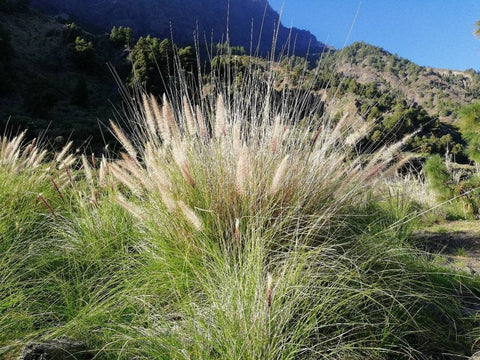 Green Fountain Grass: Enhancing Landscapes with the Elegance and Versatility of Natures Verdant Beauty
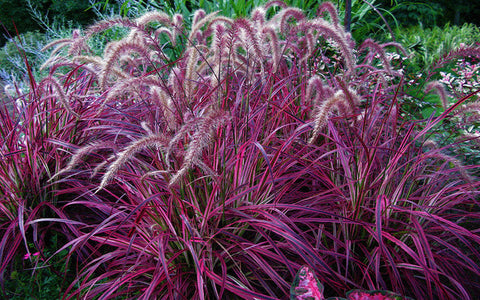 Red Fountain Grass: Transforming Landscapes with the Beauty and Versatility of Natures Ornamental Wonder
 Durva Grass: Unveiling the Sacred Green Secret for Health, Spirituality, and Sustainability
 Bamboo Tree: Forest Management and Biodiversity Conservation
 Stinking Mahogany Tree: Hidden Secrets & Surprising Benefits


Leave a comment