
Stinking Mahogany Tree: Hidden Secrets & Surprising Benefits
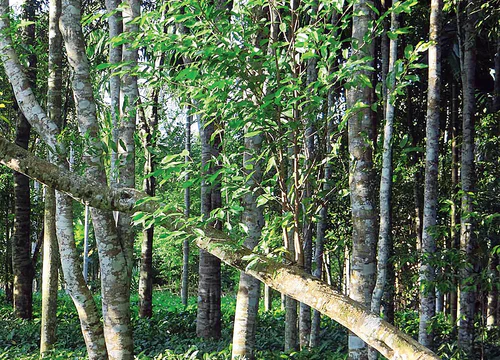
The Stinking Mahogany (Swietenia macrophylla) is a tropical tree native to Central and South America that provides significant ecological benefits, including carbon sequestration and biodiversity conservation. Its name comes from the strong odour released when its leaves are crushed, which serves as a natural defense against herbivores.
The Stinking Mahogany tree, scientifically known as Swietenia macrophylla, stands as one of nature's most misunderstood treasures. Despite its unfortunate name, this remarkable species offers extraordinary ecological benefits and holds immense potential for environmental restoration projects. From carbon sequestration to biodiversity conservation, the Stinking Mahogany tree represents a powerful ally in our mission of Combating Climate Change Through Collective Action.
Often overlooked in favor of its more popular relatives, the Stinking Mahogany offers a wealth of hidden secrets that are worth exploring. From its ecological importance to its potential economic benefits, this tree is a fascinating subject for both environmentalists and curious minds alike.
Understanding the Stinking Mahogany Tree ✅
The Stinking Mahogany is native to the tropical regions of Central and South America, thriving in countries like Belize, Honduras, and Guatemala. It is a member of the Meliaceae family, which includes other economically significant trees like the true mahogany and the neem tree.
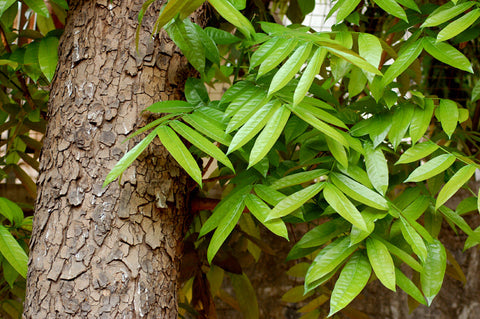
One of the most intriguing aspects of the Stinking Mahogany is its name, which derives from the strong, unpleasant odor emitted by its leaves when crushed. This odor is a natural defense mechanism against herbivores and pests, making the tree less appealing to potential threats while protecting its ecosystem.
Scientific Characteristics and Growth Patterns
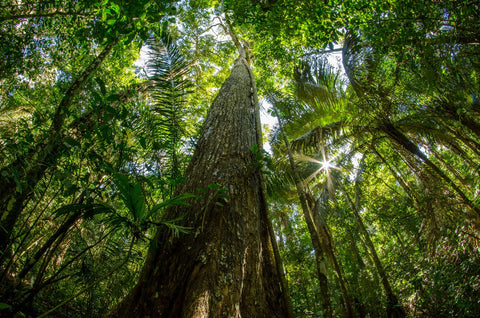
The Stinking Mahogany can grow up to 30 meters tall, with a trunk diameter reaching up to 1 meter. Its compound leaves measure up to 40 cm in length, featuring a glossy green appearance that contributes to its aesthetic appeal.
The tree produces small, fragrant flowers that bloom in clusters, followed by woody capsules containing seeds dispersed by wind and water. From a scientific perspective, the Stinking Mahogany is fascinating due to its rapid growth rate and adaptability to various soil types.
Research indicates that this tree can grow in both well-drained and poorly drained soils, making it a resilient species in the face of climate change. Its ability to thrive in diverse environments makes it an excellent candidate for reforestation projects aimed at restoring degraded ecosystems.
Historical Significance and Cultural Heritage ⭐
The historical significance of the Stinking Mahogany cannot be understated. Indigenous populations in Central America have used the tree for centuries, not only for its wood but also for its medicinal properties.
The bark and leaves have been utilized in traditional medicine to treat various ailments, including fever and inflammation. This traditional knowledge underscores the importance of preserving such species, as they represent a vital part of cultural heritage and biodiversity.
During the colonial era, the demand for mahogany wood surged, leading to extensive logging practices that threatened the survival of many mahogany species. The Stinking Mahogany, while less commercially exploited than its counterparts, still faced challenges due to habitat destruction and unsustainable forestry practices.
Environmental Impact and Climate Benefits 💡
The Stinking Mahogany plays a significant role in its ecosystem. As a large tree, it provides habitat and food for numerous species of birds, insects, and mammals. Its dense canopy creates a microclimate that supports understory plants and contributes to the overall biodiversity of the area.
Moreover, the tree's extensive root system helps prevent soil erosion and promotes soil health by enhancing nutrient cycling. According to the United Nations Climate Change initiative, mature trees can absorb significant amounts of CO2, thus playing a critical role in mitigating the effects of global warming.
In addition to its ecological benefits, the Stinking Mahogany tree has exceptional potential to sequester carbon dioxide, making it a valuable ally in achieving Net Zero Targets. Scientific studies demonstrate that mature Stinking Mahogany trees can absorb substantial amounts of CO2 throughout their lifetime.
Surprising Benefits of the Stinking Mahogany Tree ✅
Aside from its ecological significance, the Stinking Mahogany offers several surprising benefits that make it a valuable species for both local communities and the global economy:
Wood Quality and Durability
The wood of the Stinking Mahogany is known for its durability and resistance to decay, making it suitable for furniture, flooring, and construction. While it may not be as commercially sought after as true mahogany, its unique properties make it a viable sustainable alternative.
Medicinal Properties
Traditional medicine practices continue to utilize the Stinking Mahogany for its anti-inflammatory and analgesic properties. Ongoing research may uncover more potential health benefits, contributing to the field of ethnobotany and natural medicine.
Ecotourism Potential
The unique characteristics of the Stinking Mahogany can attract ecotourism, providing economic opportunities for local communities. Educational tours and workshops can promote awareness of the tree's significance and encourage sustainable practices.
Conservation Efforts and Reforestation Programs →
According to the World Wildlife Fund's research on deforestation, protecting unique species like the Stinking Mahogany is crucial for maintaining global biodiversity. Conservation efforts are essential to ensure the survival of this unique species and its ecosystem.
Organizations dedicated to environmental restoration recognize the importance of including diverse native species in reforestation projects. The United Nations Environment Programme's forest conservation initiatives emphasize the critical role of native tree species in ecosystem restoration.
At Grow Billion Trees, we understand the vital importance of preserving unique species like the Stinking Mahogany. Our comprehensive approach includes 2-3ft Tree Planting + 3 Years Care + GeoTag technology to ensure successful establishment and monitoring of planted trees.
Growing and Caring for Stinking Mahogany Trees 🌱
Successfully cultivating Stinking Mahogany trees requires understanding their specific needs and growth requirements. These trees prefer tropical climates with consistent moisture and well-draining soil conditions.
Planting Requirements
- Soil: Well-draining, nutrient-rich soil with pH 6.0-7.5
- Climate: Tropical to subtropical regions
- Sunlight: Full sun to partial shade
- Water: Regular watering during establishment phase
- Spacing: Minimum 8-10 meters between trees
Maintenance and Care
Young Stinking Mahogany trees require consistent care during their first three years of growth. Regular watering, protection from strong winds, and monitoring for pests are essential for healthy development.
Our experience shows that proper initial care significantly improves survival rates and long-term growth success. Professional monitoring and maintenance ensure optimal growth conditions for these valuable trees.
Economic and Social Impact ⭐
The Stinking Mahogany tree offers significant economic opportunities for local communities while contributing to global environmental goals. Sustainable harvesting practices can provide income through timber sales, while ecotourism initiatives create additional revenue streams.
Community-based conservation programs involving Stinking Mahogany cultivation can generate employment opportunities in rural areas. These programs align with sustainable development goals while preserving valuable forest ecosystems.
Furthermore, carbon credit programs recognize the value of Stinking Mahogany trees in carbon sequestration, providing additional economic incentives for conservation and reforestation efforts.
Integration with Modern Forestry Practices 💡
Modern forestry practices increasingly recognize the importance of native species diversity in forest management. The Stinking Mahogany tree fits perfectly into sustainable forestry models that prioritize ecological balance alongside economic benefits.
Agroforestry systems incorporating Stinking Mahogany trees can provide farmers with additional income sources while improving soil health and biodiversity. These integrated approaches demonstrate the versatility and value of this unique species.
Technology integration, including GeoTag monitoring systems, enables precise tracking of Stinking Mahogany tree growth and health. This data-driven approach ensures optimal care and maximizes the environmental benefits of reforestation efforts.
Future Prospects and Research Opportunities ⚠️
Ongoing research into the Stinking Mahogany tree continues to reveal new potential applications and benefits. Scientists are investigating its potential role in pharmaceutical development, exploring the medicinal compounds found in its bark and leaves.
Climate change research increasingly focuses on the role of native tree species in adaptation strategies. The Stinking Mahogany's resilience to varying soil conditions makes it a valuable subject for climate adaptation studies.
Genetic research may unlock additional benefits and applications for the Stinking Mahogany tree. Understanding its genetic diversity can inform conservation strategies and selective breeding programs for enhanced characteristics.
Further reading: Stinking Cedar Tree: Surprising Benefits & Unique Traits Guide · False Mahogany Tree: The Hidden Gem of Sustainable Landscaping
Frequently Asked Questions
What makes the Stinking Mahogany tree smell unpleasant?
The unpleasant odor comes from natural chemical compounds in the leaves that serve as a defense mechanism against herbivores and pests. This evolutionary adaptation helps protect the tree from damage while maintaining its ecological role.
How fast does a Stinking Mahogany tree grow?
Stinking Mahogany trees are known for their relatively rapid growth rate, typically reaching 2-3 feet in height annually under optimal conditions. With proper care and suitable climate, they can reach maturity within 15-20 years.
Can Stinking Mahogany trees survive in different soil types?
Yes, one of the remarkable characteristics of Stinking Mahogany trees is their adaptability to various soil conditions. They can thrive in both well-drained and poorly drained soils, making them resilient to environmental changes.
What are the medicinal uses of Stinking Mahogany?
Traditional medicine has utilized Stinking Mahogany bark and leaves for treating fever, inflammation, and various other ailments. Modern research continues to investigate these traditional uses and potential pharmaceutical applications.
How does the Stinking Mahogany contribute to carbon sequestration?
Mature Stinking Mahogany trees can sequester significant amounts of carbon dioxide throughout their lifetime. Their large size, rapid growth rate, and longevity make them excellent carbon sinks for climate change mitigation efforts.
Is the Stinking Mahogany tree endangered?
While not currently classified as endangered, Stinking Mahogany populations face pressure from habitat destruction and deforestation. Conservation efforts are important to maintain healthy populations and genetic diversity.
Can I plant a Stinking Mahogany tree in my area?
Stinking Mahogany trees require tropical to subtropical climates for optimal growth. Consult with local forestry experts or environmental organizations to determine if your region's climate is suitable for this species.
What role does the Stinking Mahogany play in ecosystem biodiversity?
The Stinking Mahogany provides habitat and food sources for numerous wildlife species. Its dense canopy creates microclimates that support understory plants, contributing significantly to overall forest biodiversity.
How long do Stinking Mahogany trees live?
Stinking Mahogany trees are long-lived species that can survive for several decades to over a century under favorable conditions. Their longevity makes them valuable long-term investments in forest ecosystem health.
What is the economic value of Stinking Mahogany wood?
While less commercially valuable than true mahogany, Stinking Mahogany wood offers durability and decay resistance, making it suitable for construction, furniture, and flooring applications in sustainable forestry practices.
Taking Action: Plant Your Own Stinking Mahogany Tree 🌳
The Stinking Mahogany tree represents more than just another forest species – it embodies the potential for positive environmental impact through conscious conservation efforts. By supporting reforestation initiatives that include diverse native species like the Stinking Mahogany, we contribute to building resilient ecosystems capable of withstanding climate challenges.
At Grow Billion Trees, we're committed to our mission of planting 100 crore trees across India by June 2030. While the Stinking Mahogany may not be native to India, the principles of biodiversity conservation and ecosystem restoration remain universal in our fight against climate change.
Ready to make a difference? Plant a tree in your Name for just ₹299 and join our mission of environmental restoration. Every tree planted brings us closer to achieving our Net Zero Targets while creating a greener, more sustainable future for generations to come.
Discover how you can plant your tree today and become part of the global movement toward environmental sustainability and climate action.
Keep reading
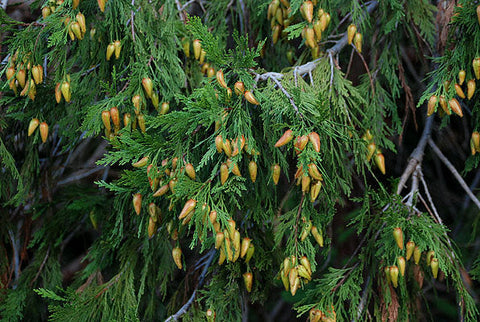 Stinking Cedar Tree: Surprising Benefits & Unique Traits Guide
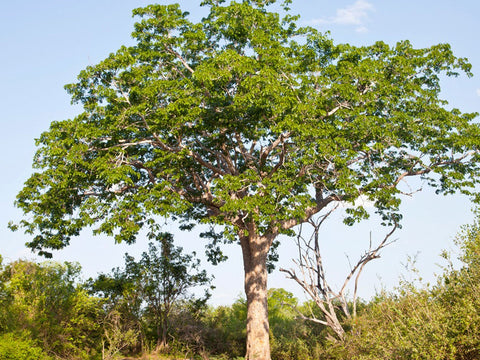 False Mahogany Tree: The Hidden Gem of Sustainable Landscaping
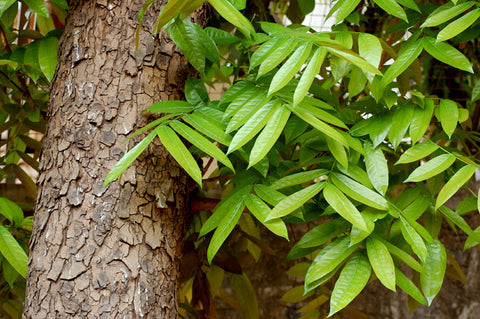 Zanzibar Mahogany Tree: Unveiling Nature's Timeless Treasure
 Big Leaf Mahogany Tree: Ultimate Guide to Beauty, Benefits & Conservation
 Indian Mahogany Tree: Regal Presence of Hardwood Majesty


Comments
Leave a comment