
Eastern Hemlock Tree: The Majestic Evergreen That Holds Secrets of Nature's Resilience
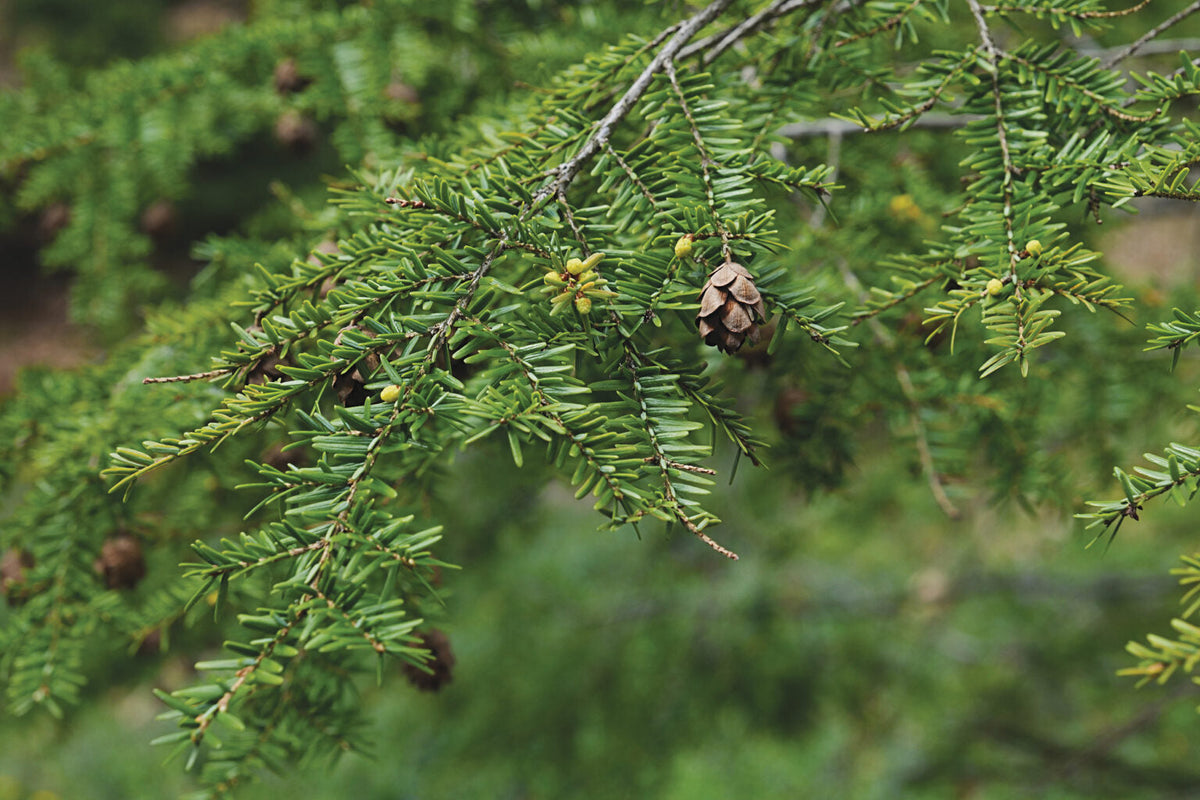
The Eastern Hemlock Tree (Tsuga canadensis) is a coniferous evergreen native to Eastern North America that demonstrates resilience through shade tolerance and exceptional longevity. These trees typically live 300 to 500 years, with some specimens exceeding 800 years, and can reach heights of 60 to 100 feet, functioning as cornerstone species that support entire forest ecosystems.
The Eastern Hemlock Tree (Tsuga canadensis) stands as one of nature's most remarkable evergreen species, showcasing extraordinary resilience in the face of environmental challenges.
This majestic conifer has thrived in Eastern North America's temperate forests for centuries, serving as a cornerstone species that supports entire ecosystems while demonstrating the power of natural adaptation.
✅ Understanding the Eastern Hemlock Tree's Biological Characteristics
This is a coniferous evergreen that can reach impressive heights of 60 to 100 feet, with trunk diameters spanning 1 to 3 feet. Its distinctive bark appears thin and scaly, displaying characteristic grayish-brown coloration that helps identify this species in forest settings.
The tree's foliage consists of flat, needle-like leaves measuring 0.5 to 1 inch in length. These needles are dark green on top and lighter green underneath, creating a beautiful contrast that adds to the tree's visual appeal.
One of the most recognizable features of this tree is its small, cylindrical cones, typically 0.5 to 1 inch long, which ripen in the fall.
Eastern Hemlocks are exceptionally shade-tolerant, making them crucial components of forest understories. They can live for several hundred years, with some specimens exceeding 800 years of age.
According to the USDA Forest Service, these trees have an average lifespan of 300 to 500 years in optimal conditions, showcasing their remarkable resilience and adaptability.
⭐ Historical Significance and Cultural Impact
Theis tree played a significant role in early American economic development. Its bark contains valuable tannins, which were extensively used in the leather tanning process during the colonial period.
This made the Eastern Hemlock a valuable resource for early settlers who relied on its bark for industrial applications.
Indigenous peoples recognized this tree's medicinal properties long before European settlement. They consumed the inner bark as a source of vitamin C, particularly important during winter months when other sources were scarce.
The tree's resin was also used to treat wounds and various ailments, demonstrating the species' multifaceted value to human communities.
🌲 Environmental Impact and Ecosystem Services
This tree plays a crucial role in maintaining forest ecosystem health. As a shade-tolerant species, it helps regulate the forest's microclimate, providing cooler temperatures and maintaining essential moisture levels in the understory.
This climate regulation supports a diverse range of plant and animal species that depend on these specific conditions.
The dense foliage of Eastern Hemlock trees acts as a natural buffer system, significantly reducing soil erosion and promoting water quality in nearby streams and rivers. According to United Nations Environment Programme research on forest ecosystems, such canopy coverage is essential for watershed protection and biodiversity conservation.
These trees are vital for carbon sequestration efforts. Through photosynthesis, these majestic evergreens absorb carbon dioxide from the atmosphere and store it in their biomass.
A study published in Forest Ecology and Management found that mature Eastern Hemlock stands can sequester significant amounts of carbon, making them essential allies in combating climate change through collective action.
🐦 Wildlife Habitat and Biodiversity Support
Eastern Hemlock trees provide critical habitat for various wildlife species throughout their native range. Birds such as the Black-throated Green Warbler and the Red-breasted Nuthatch rely heavily on Hemlock forests for nesting and foraging opportunities.
These trees create unique microhabitats that support specialized species adapted to their specific environmental conditions.
The complex structure of Eastern Hemlock forests supports multiple layers of biodiversity, from canopy-dwelling birds to ground-level mammals and insects. This vertical habitat diversity is crucial for maintaining healthy ecosystem functioning and species interactions.
⚠️ Major Threats Facing Eastern Hemlock Trees
Despite their remarkable resilience, Eastern Hemlock trees face several serious threats that jeopardize their survival. The most significant threat comes from the invasive Hemlock Woolly Adelgid (Adelges tsugae), a small insect that feeds on the sap of Hemlock trees.
This destructive pest has devastated Hemlock populations across many regions, leading to widespread tree mortality.
According to the USDA Forest Service, the Hemlock Woolly Adelgid has already affected millions of acres of Hemlock forests in the Eastern United States. The World Wildlife Fund identifies such invasive species as major contributors to forest degradation worldwide.
Additional threats include habitat loss due to logging and land development, climate change impacts, and competition from invasive plant species. These factors contribute to the decline of Eastern Hemlock tree populations and threaten the biodiversity of the ecosystems they support.
🌱 Conservation Efforts and Restoration Projects
Conserving Eastern Hemlock trees is crucial for maintaining the ecological balance of temperate forests. Various organizations and research institutions are engaged in comprehensive efforts to protect and restore Hemlock populations across their native range.
At Grow Billion Trees, we understand the critical importance of this tree in forest ecosystems. Our mission to plant 100 crore trees includes supporting the conservation of native species like the Eastern Hemlock through targeted restoration initiatives. When you plant a tree in your name for just ₹299, you contribute to these vital conservation efforts.
Our comprehensive approach includes 2-3ft tree planting + 3 years care + GeoTag technology, ensuring that every Eastern Hemlock tree planted receives the attention needed for successful establishment.
This technology allows us to monitor growth progress and provide evidence of our collective impact in combating climate change through collective action.
💡 Modern Conservation Strategies
Contemporary conservation efforts for Eastern Hemlock trees employ innovative strategies combining traditional forestry practices with cutting-edge technology.
Biological control methods are being developed to combat the Hemlock Woolly Adelgid, including the introduction of natural predators that can help control adelgid populations without harming the trees.
Genetic research is also playing a crucial role in identifying Eastern Hemlock trees with natural resistance to adelgid infestations. These resistant individuals serve as parent trees for breeding programs aimed at developing more resilient Hemlock populations.
The United Nations Framework on Climate Change recognizes forest conservation as a critical component of global climate action, emphasizing the importance of protecting species like the Eastern Hemlock tree.
🏢 Corporate Partnership Opportunities
Organizations seeking to achieve net zero targets can partner with Grow Billion Trees to support Eastern Hemlock tree conservation. Our corporate programs provide measurable environmental impact while contributing to the preservation of these magnificent evergreens.
Through our specialized planting programs, including Miyawaki forest creation and urban forestry initiatives, we integrate Eastern Hemlock trees where appropriate in restoration projects. These efforts support biodiversity conservation while helping companies meet their sustainability goals.
🎯 Community Engagement and Education
Community involvement is essential for successful Eastern Hemlock tree conservation. Educational programs help people understand the ecological importance of these trees and encourage participation in conservation efforts.
Local communities can contribute by participating in planting events, monitoring tree health, and reporting signs of adelgid infestations.
Grow Billion Trees offers sustainability education certificates that include information about native species conservation, helping build awareness about the importance of protecting trees like the Eastern Hemlock. These educational initiatives create lasting impact by fostering environmental stewardship in local communities.
Further reading: Hemlock Tree: The Enigmatic Beauty and Hidden Dangers of This Majestic Conifer · Eastern White Pine Tree: North America's Majestic Forest Giant
Frequently Asked Questions
What makes the Eastern Hemlock tree unique among evergreens?
The Eastern Hemlock tree is distinguished by its graceful drooping branches, flat needle-like leaves, and exceptional shade tolerance. Unlike many conifers, it thrives in forest understories and can live for several hundred years, making it a keystone species in temperate forest ecosystems.
How does the Hemlock Woolly Adelgid threaten Eastern Hemlock trees?
The Hemlock Woolly Adelgid is an invasive insect that feeds on Eastern Hemlock tree sap, weakening the trees and eventually causing death. This pest has affected millions of acres of Hemlock forests, making it the most serious threat to the species' survival.
Can Eastern Hemlock trees adapt to climate change?
Eastern Hemlock trees show remarkable climate resilience due to their ability to thrive in various soil types and moisture conditions. However, changing temperature and precipitation patterns, combined with increased pest pressure, present ongoing challenges for their long-term survival.
What role do Eastern Hemlock trees play in carbon sequestration?
Eastern Hemlock trees are excellent carbon sequesters, absorbing CO2 from the atmosphere and storing it in their biomass. Mature Hemlock stands can sequester significant amounts of carbon, making them valuable allies in climate change mitigation efforts.
How can individuals support Eastern Hemlock tree conservation?
Individuals can support conservation by participating in tree planting programs, donating to conservation organizations, reporting pest infestations, and choosing sustainable forestry products. Supporting organizations like Grow Billion Trees helps fund restoration projects and research initiatives.
Are Eastern Hemlock trees suitable for urban landscaping?
Eastern Hemlock trees can be suitable for urban landscaping in appropriate conditions, particularly in shaded areas with adequate moisture. However, they require careful monitoring for pest issues and may need protection from urban stressors like pollution and soil compaction.
What wildlife species depend on Eastern Hemlock forests?
Many wildlife species depend on Eastern Hemlock forests, including birds like the Black-throated Green Warbler and Red-breasted Nuthatch, as well as various mammals, reptiles, and insects that rely on the unique microhabitat conditions these trees create.
How long does it take for an Eastern Hemlock tree to mature?
Eastern Hemlock trees are slow-growing, typically taking 40-60 years to reach maturity. However, they can continue growing for centuries, with some specimens living over 800 years and reaching heights of 100 feet or more.
Taking Action for Eastern Hemlock Conservation
The Eastern Hemlock tree represents nature's incredible resilience and the delicate balance of forest ecosystems. These majestic evergreens have weathered centuries of environmental changes, yet they now face unprecedented threats that require immediate conservation action.
By supporting Eastern Hemlock tree conservation through organizations like Grow Billion Trees, we can ensure that future generations will experience the wonder of these magnificent trees. Every tree planted contributes to biodiversity conservation, climate change mitigation, and ecosystem restoration.
Join our mission to plant 100 crore trees and protect species like the Eastern Hemlock tree. Visit Grow Billion Trees today to plant a tree in your name and become part of the solution. Together, we can preserve these natural treasures and build a more sustainable future for our planet.
Keep reading
 Hemlock Tree: The Enigmatic Beauty and Hidden Dangers of This Majestic Conifer
 Eastern White Pine Tree: North America's Majestic Forest Giant
 Himalayan Fir Tree: Majestic Evergreen for Landscape & Biodiversity
 Eastern Redbud Tree: The Stunning Spring Bloomer That Transforms Your Garden into a Colorful Oasis
 Himalayan Cedar Tree: Unveiling the Secrets of Nature's Majestic Evergreen


Leave a comment