
Himalayan Cedar Tree: Unveiling the Secrets of Nature's Majestic Evergreen
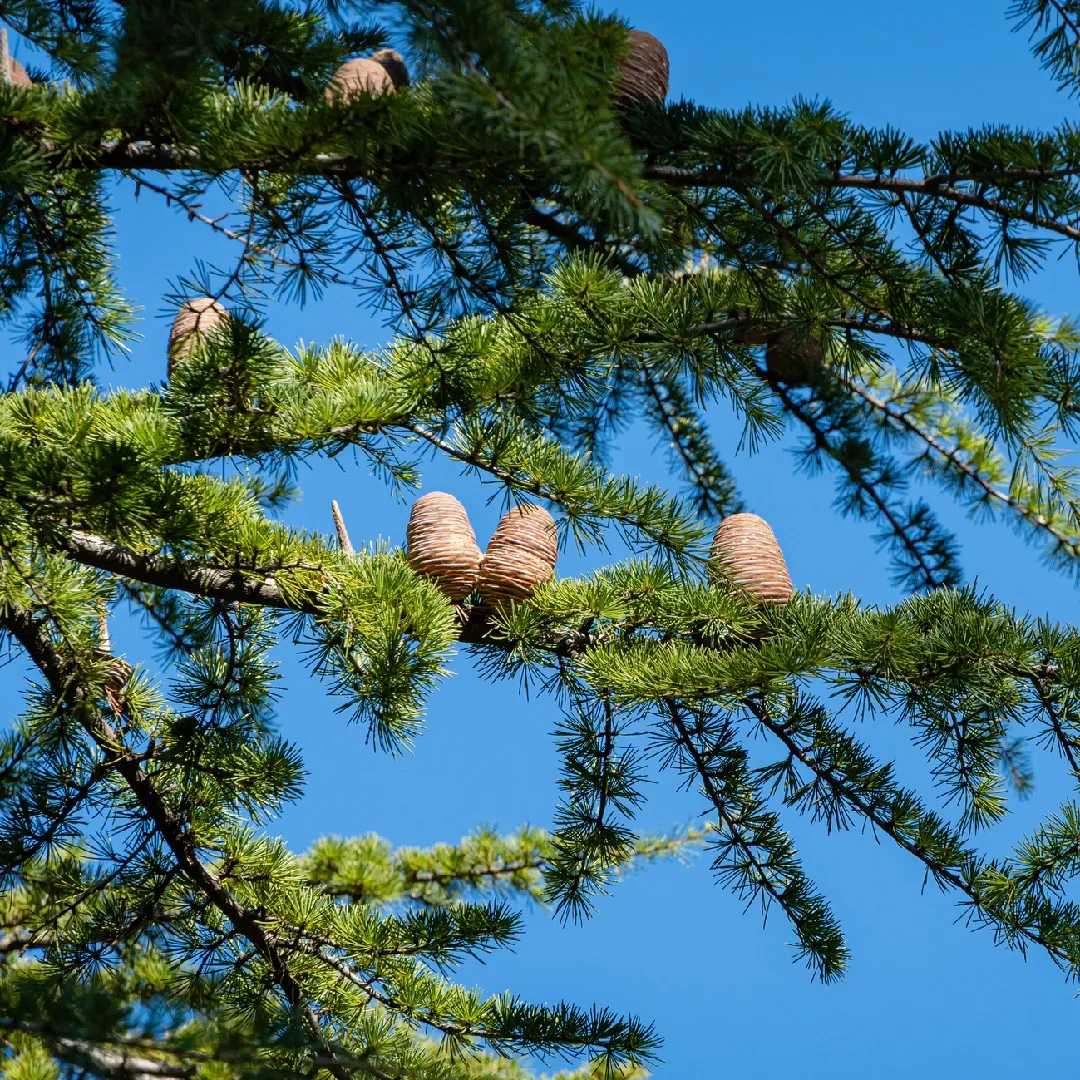
The Himalayan Cedar (Cedrus deodara) is an evergreen native to the western Himalayas that grows up to 60 metres tall. One of four true cedar species in the Pinaceae family, it features drooping branches and bluish-green needle-like leaves. It serves as a habitat for wildlife and its fallen leaves contribute to forest nutrient cycles.
The Himalayan Cedar tree, also known scientifically as Cedrus deodara, is a majestic evergreen that has captured the imagination of nature enthusiasts, environmentalists, and historians alike.
This iconic tree, native to the western Himalayas, is not just a symbol of beauty and resilience but also plays a crucial role in maintaining ecological balance.
In this blog post, we will delve into the secrets of the Himalayan Cedar tree, exploring its scientific significance, fun facts, historical context, environmental impact, and the vital role organizations like Grow Billion Trees Partners play in promoting tree planting projects in this region.
Scientific Overview
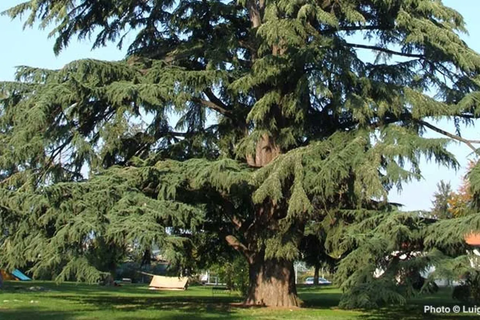
The Himalayan Cedar belongs to the Pinaceae family and is one of the four species of true cedars. It can grow up to 60 meters in height and have a trunk diameter of up to 2 meters. The tree is characterized by its long, drooping branches and needle-like leaves that are bluish-green in color.
The bark is thick, grayish-brown, and develops deep fissures as the tree matures, providing a unique texture that sets it apart from other trees.
In terms of ecology, the Himalayan Cedar plays a vital role in the forest ecosystem. It serves as a habitat for various species of birds, insects, and mammals, and its fallen needles contribute to the forest floor's nutrient cycle.
The tree's ability to withstand harsh climatic conditions makes it an essential species for reforestation efforts, particularly in areas susceptible to soil erosion.
Fun Facts About the Himalayan Cedar
- Longevity: The Himalayan Cedar is known for its longevity, with some trees living for over 1,000 years.
- Symbolism: In many cultures, the cedar tree symbolizes strength and resilience. It is often associated with spirituality and is mentioned in various religious texts, including the Bible.
- Medicinal Uses: Traditionally, various parts of the Himalayan Cedar have been used in herbal medicine. The essential oil extracted from the wood is known for its antiseptic and anti-inflammatory properties.
- Wood Quality: The wood of the Himalayan Cedar is highly valued for its durability and resistance to rot. It is often used in construction, furniture making, and even in the production of musical instruments.
Historical Context
The Himalayan Cedar has a rich history that dates back thousands of years. Ancient civilizations revered this tree for its majestic stature and practical uses. The wood was used in the construction of temples, palaces, and ships. In ancient Egypt, cedar wood was highly prized for mummification processes and was believed to have protective qualities.
In the Himalayas, the cedar tree has been a part of local culture and tradition for centuries. It is often featured in folklore and is considered sacred by many indigenous communities. The tree's significance is not limited to its physical presence; it also represents a connection to nature and the environment, embodying the spirit of the mountains.
Environmental Impact
The Himalayan Cedar tree plays a crucial role in maintaining ecological balance in its native habitat. Here are some key environmental benefits:
- Soil Conservation: The extensive root system of the Himalayan Cedar helps prevent soil erosion, particularly in mountainous regions where landslides are common.
- Carbon Sequestration: Like all trees, the Himalayan Cedar absorbs carbon dioxide from the atmosphere, contributing to climate change mitigation by storing carbon in its biomass.
- Biodiversity Support: The tree provides habitat and food for various wildlife species, promoting biodiversity in the ecosystem.
- Water Regulation: Cedar forests help regulate the water cycle, maintaining moisture levels in the soil and supporting nearby water bodies.
Further reading: Indian Cedar Tree: Unraveling the Mystique, Benefits, and Cultural Significance of This Majestic Evergreen · Deodar Tree: Majestic Evergreen Guardian of Himalayan Splendor
Frequently Asked Questions
What is the Himalayan Cedar tree?
The Himalayan Cedar, or Cedrus deodara, is a majestic evergreen native to the western Himalayas. Known for its towering height and drooping branches, this tree is not just a pretty face; it plays a vital role in maintaining ecological balance and supporting diverse wildlife.
How tall can the Himalayan Cedar grow?
The Himalayan Cedar can reach impressive heights of up to 60 meters! That's taller than a 20-story building. With a trunk diameter of up to 2 meters, this tree certainly knows how to make a statement in the forest.
What makes the Himalayan Cedar unique?
Its long, drooping branches and bluish-green needle-like leaves set the Himalayan Cedar apart from other trees. The thick, grayish-brown bark develops deep fissures over time, giving it a distinct texture that adds to its majestic beauty.
Why is the Himalayan Cedar important for the environment?
The Himalayan Cedar is an ecological superhero! It prevents soil erosion, supports biodiversity by providing habitat for wildlife, absorbs carbon dioxide, and regulates the water cycle. This tree is a vital player in maintaining the health of its mountainous ecosystem.
What are some fun facts about the Himalayan Cedar?
Did you know some Himalayan Cedars can live for over 1,000 years? This tree symbolizes strength and resilience in many cultures and has been used in traditional medicine for its antiseptic properties. Plus, its durable wood is perfect for everything from furniture to musical instruments!
How has the Himalayan Cedar influenced history?
The Himalayan Cedar has a rich historical legacy, revered by ancient civilizations for its majestic stature and practical uses. From constructing temples in ancient Egypt to featuring in local folklore, this tree has woven itself into the cultural fabric of many societies.
What challenges does the Himalayan Cedar face?
Despite its resilience, the Himalayan Cedar faces threats from deforestation, illegal logging, and climate change. Altered precipitation patterns and rising temperatures jeopardize its survival, making conservation efforts crucial to protect this iconic tree.
What role does Grow Billion Trees Partners play in conservation?
Grow Billion Trees Partners is on a mission to combat climate change through tree planting, focusing on the Himalayan Cedar. They engage local communities, provide education on sustainable forestry, and monitor tree health to ensure the success of their reforestation projects.
How can individuals help with conservation efforts?
You can be a hero for the Himalayan Cedar! Support tree planting initiatives by donating or volunteering with organizations like Grow Billion Trees Partners. Every little action counts, and together, we can ensure this majestic tree thrives for future generations.
What is the future of the Himalayan Cedar?
The future looks hopeful for the Himalayan Cedar, thanks to conservation efforts and community involvement. As a vital part of environmental sustainability, this tree stands as a testament to nature’s resilience, reminding us that our collective actions can lead to a greener future.
Why should we care about the Himalayan Cedar?
Caring for the Himalayan Cedar is about preserving our natural heritage and ensuring ecological balance. This tree symbolizes strength and resilience, and by supporting conservation initiatives, we contribute to a healthier planet for ourselves and future generations.
Keep reading
 Indian Cedar Tree: Unraveling the Mystique, Benefits, and Cultural Significance of This Majestic Evergreen
 Deodar Tree: Majestic Evergreen Guardian of Himalayan Splendor
 Fragrant Cedar Tree: Nature's Aromatic Wonder for Gardens
 Devdaru Tree: Sacred Cedar of the Himalayas & Divine Heritage
 Japanese Cedar Tree: Unlocking Timeless Beauty & Eco Benefits


Leave a comment