
Elderberry Tree: Unlocking Nature's Superfruit for Health
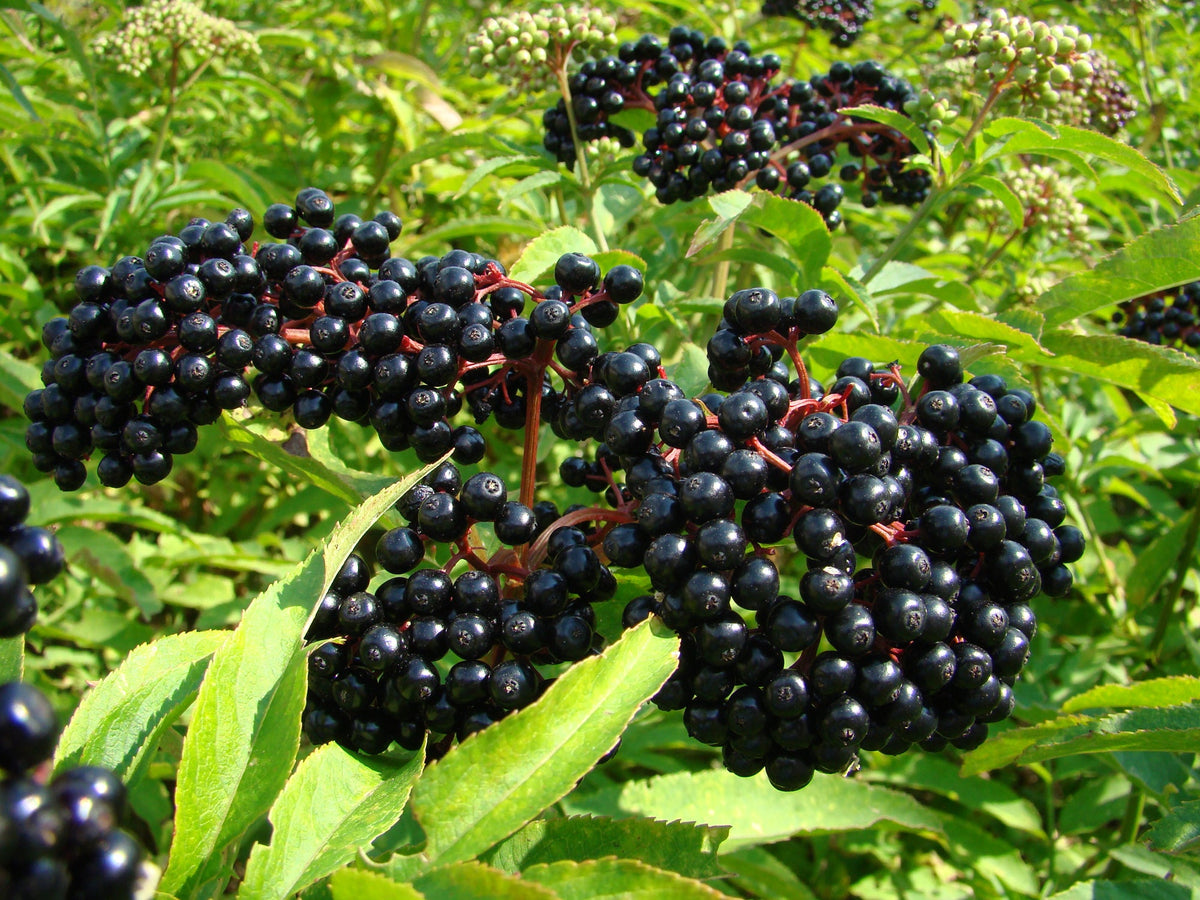
The elderberry tree (Sambucus) is a deciduous flowering plant with dark purple to black berries, traditionally used for thousands of years and cultivated today for health benefits. Modern research supports its traditional applications, particularly for immune support and antioxidant protection. The European (Sambucus nigra) and American (Sambucus canadensis) species are most common, growing 5 to 30 feet tall.
The elderberry tree stands as one of nature's most powerful superfruits, offering extraordinary health benefits that have been recognized for thousands of years. With modern science validating ancient wisdom, the elderberry tree (Sambucus) has emerged as a cornerstone of natural wellness, providing immune support, antioxidant protection, and environmental benefits that align perfectly with sustainable living practices.
The Elderberry Tree: A Brief Overview
The elderberry tree, scientifically known as Sambucus, is a genus of flowering plants in the family Adoxaceae. It consists of several species, with the European elderberry (Sambucus nigra) and the American elderberry (Sambucus canadensis) being the most commonly cultivated for their berries.
These deciduous trees typically grow between 5 to 30 feet tall and are characterized by their creamy white flowers and dark purple to black berries. Their rapid growth and adaptability make them excellent candidates for sustainable cultivation programs, including initiatives focused on Combating Climate Change Through Collective Action.
Historical Significance and Traditional Uses
The use of elderberry dates back thousands of years, demonstrating humanity's long-standing relationship with this remarkable tree. Ancient Egyptians utilized the berries for their medicinal properties, while Hippocrates, often referred to as the "Father of Medicine," praised elderberry for its therapeutic benefits.
In folklore, elder trees were considered sacred, and their wood was used to make tools and musical instruments. The Native Americans also recognized the elderberry's value, using it in various traditional remedies. This historical significance underscores the elderberry tree's role in supporting human health across cultures and centuries.
✅ Proven Health Benefits of Elderberries
Modern science has begun to validate many of the traditional uses of elderberry, with numerous studies highlighting its potential health benefits and making it a staple in the wellness community.
Rich in Antioxidants
Elderberries are packed with antioxidants, particularly flavonoids, which help combat oxidative stress in the body. A study published in the Journal of Functional Foods found that elderberry extract significantly increased antioxidant levels in the body, providing a natural defense against free radicals.
⭐ Immune System Support
Elderberries are renowned for their immune-boosting properties. Research published in the International Journal of Molecular Sciences suggests that elderberry extract can reduce the duration and severity of cold and flu symptoms, thanks to its ability to inhibit viral replication.
Anti-Inflammatory Effects
The anti-inflammatory properties of elderberries can help reduce inflammation in the body, which is linked to various chronic diseases. A study in the Journal of Medicinal Food reported that elderberry extracts demonstrated anti-inflammatory effects in human cells.
Heart Health Benefits
Elderberries may also promote cardiovascular health. A study in the Journal of Nutritional Biochemistry found that elderberry extract helped lower cholesterol levels and improve overall heart function in animal models.
Skin Health Enhancement
The antioxidants in elderberries can also benefit skin health. They help reduce signs of aging and improve skin elasticity, making elderberry extract a popular ingredient in skincare products.
💡 Fascinating Facts About Elderberry Trees
- ✅ Elderberries are not only edible but also have diverse culinary uses, including jams, jellies, syrups, and wine
- ✅ The flowers of the elderberry tree are edible and can be used to make elderflower cordial, a popular European beverage
- ✅ Elderberry trees are fast-growing and can produce fruit within the first year of planting
- ⚠️ The leaves and unripe berries contain cyanogenic glycosides, which can be toxic if consumed improperly
- ✅ Elderberry trees are excellent for permaculture systems, attracting beneficial insects and pollinators
Environmental Impact and Sustainable Cultivation
The cultivation of elderberry trees has a profoundly positive impact on the environment, aligning with global sustainability goals. According to the United Nations Sustainable Development Goals, sustainable agriculture practices like elderberry cultivation contribute to environmental conservation and climate action.
These trees are native to many regions and can thrive in various soil types, making them an excellent choice for sustainable agriculture. They require minimal maintenance and can grow in poor soils, helping to restore degraded land while supporting the goal of planting 100 crore trees across India.
Elderberry trees play a crucial role in biodiversity conservation. The World Wildlife Fund's forest conservation initiatives highlight how native trees like elderberries provide habitat and food for various wildlife, including birds and insects. Their flowers attract essential pollinators, supporting ecosystem health.
Grow Billion Trees: Leading Sustainable Elderberry Cultivation
Grow Billion Trees is pioneering sustainable elderberry cultivation as part of our mission to Plant a tree in your Name and create lasting environmental impact. Our comprehensive approach includes 2-3ft Tree Planting + 3 Years Care + GeoTag technology to ensure each elderberry tree thrives and contributes to our Net Zero Targets.
Our elderberry cultivation program supports local communities while addressing climate change. For just ₹299, individuals can plant an elderberry tree that will provide health benefits, environmental restoration, and economic opportunities for generations. This initiative directly supports United Nations climate change action through reforestation and sustainable agriculture practices.
Culinary Uses and Preparation Methods
Elderberries offer versatile culinary applications that make incorporating this superfruit into your diet both enjoyable and beneficial. Proper preparation is essential, as raw elderberries can cause digestive discomfort.
→ Popular Elderberry Preparations
- Elderberry syrup: A concentrated immune-boosting supplement
- Elderberry jam and jellies: Delicious spreads rich in antioxidants
- Elderberry wine: Traditional fermented beverage with health benefits
- Elderflower cordial: Refreshing drink made from the tree's flowers
- Elderberry gummies: Kid-friendly immune support supplements
Growing Elderberry Trees: A Sustainable Choice
Growing elderberry trees represents an excellent investment in both personal health and environmental sustainability. These hardy trees adapt to various climates and soil conditions, making them ideal for diverse growing regions across India.
Our experience at Grow Billion Trees has shown that elderberry trees establish quickly and begin producing fruit within the first year. This rapid return on investment, combined with their environmental benefits, makes elderberry cultivation an attractive option for farmers seeking to diversify their crops while contributing to reforestation efforts.
Commercial Applications and Market Potential
The elderberry market has experienced tremendous growth, with demand increasing by over 100% in recent years. This surge reflects growing consumer awareness of natural health solutions and the scientifically-proven benefits of elderberry consumption.
Commercial applications include dietary supplements, functional foods, cosmetics, and pharmaceutical preparations. For farmers partnering with Grow Billion Trees, elderberry cultivation presents an opportunity to tap into this expanding market while supporting environmental restoration and community development.
Further reading: Mexican Elder Tree: Hidden Health Benefits & Cultural Heritage · Malabar Plum Tree: Unlocking Nature's Superfruit for Health
Frequently Asked Questions
What makes elderberry trees special compared to other fruit trees?
Elderberry trees are unique because they combine exceptional health benefits with environmental sustainability. They grow rapidly, require minimal maintenance, support biodiversity, and produce berries with scientifically-proven immune-boosting properties.
How long does it take for an elderberry tree to produce fruit?
Elderberry trees can begin producing fruit within the first year of planting, though full production typically occurs by the second or third year. This rapid fruit production makes them an excellent choice for both commercial cultivation and home gardens.
Are elderberry trees suitable for Indian climates?
Yes, elderberry trees adapt well to various climates and can thrive in many regions of India. Our team at Grow Billion Trees has successfully cultivated elderberries across different climate zones, providing proper care guidance to ensure optimal growth.
What are the main health benefits of consuming elderberries?
Elderberries provide powerful immune support, antioxidant protection, anti-inflammatory effects, heart health benefits, and skin health enhancement. Scientific studies have validated these traditional uses, making elderberries a proven superfruit.
How do elderberry trees contribute to environmental conservation?
Elderberry trees support biodiversity by providing habitat for wildlife, attract beneficial pollinators, help prevent soil erosion, and can grow in poor soils, making them excellent for land restoration projects and climate change mitigation efforts.
Can I plant an elderberry tree through Grow Billion Trees?
Absolutely! For just ₹299, you can plant an elderberry tree through our program, which includes 3 years of care and GeoTag tracking. This investment supports both your health and environmental conservation goals.
What parts of the elderberry tree are safe to consume?
The ripe berries and flowers are safe when properly prepared. However, leaves, bark, and unripe berries contain compounds that can be harmful if consumed raw. Always ensure proper preparation methods are followed.
How do elderberry trees support local communities?
Elderberry cultivation provides economic opportunities for farmers, creates sustainable income streams, supports local food systems, and contributes to community health through access to natural wellness products.
What is the best time to plant elderberry trees in India?
The optimal planting time for elderberry trees in India is during the monsoon season or early post-monsoon period, when soil moisture levels support establishment. Our team provides specific timing guidance based on your location.
How does elderberry cultivation align with Net Zero targets?
Elderberry trees sequester carbon, support sustainable agriculture practices, reduce dependence on synthetic products, and contribute to reforestation efforts, making them valuable assets for achieving corporate and individual Net Zero targets.The elderberry tree represents nature's perfect combination of health benefits and environmental sustainability. By choosing to plant elderberry trees through Grow Billion Trees, you're investing in a superfruit that will provide wellness benefits for years to come while contributing to our mission of planting 100 crore trees across India. Discover how you can plant your elderberry tree today and join our collective action toward a healthier planet and population.
Keep reading
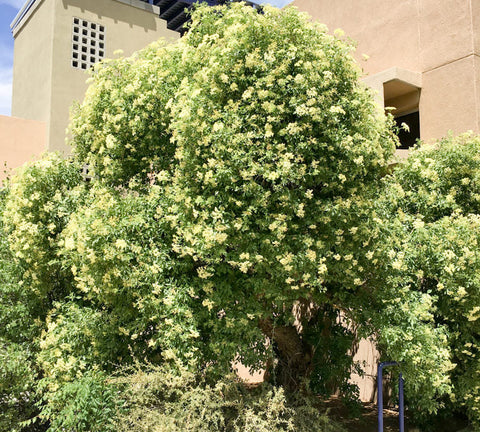 Mexican Elder Tree: Hidden Health Benefits & Cultural Heritage
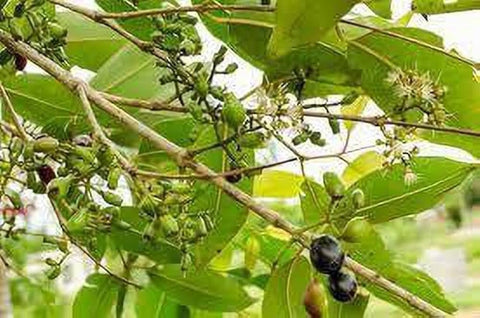 Malabar Plum Tree: Unlocking Nature's Superfruit for Health
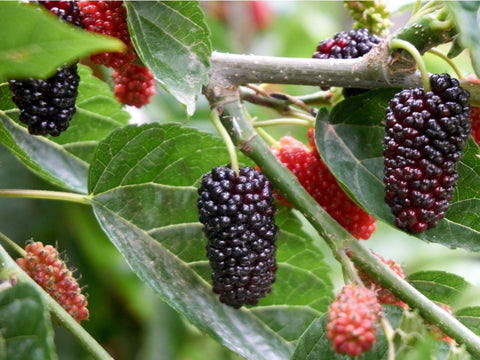 Black Mulberry Tree: The Ultimate Guide to Cultivating This Nutrient-Packed Superfruit in Your Garden
 Wampi Tree: Unlocking Nature's Superfruit for Health & Wellness
 Hog Plum Tree: The Hidden Superfruit You Need to Know About for Health and Wellness


Leave a comment