
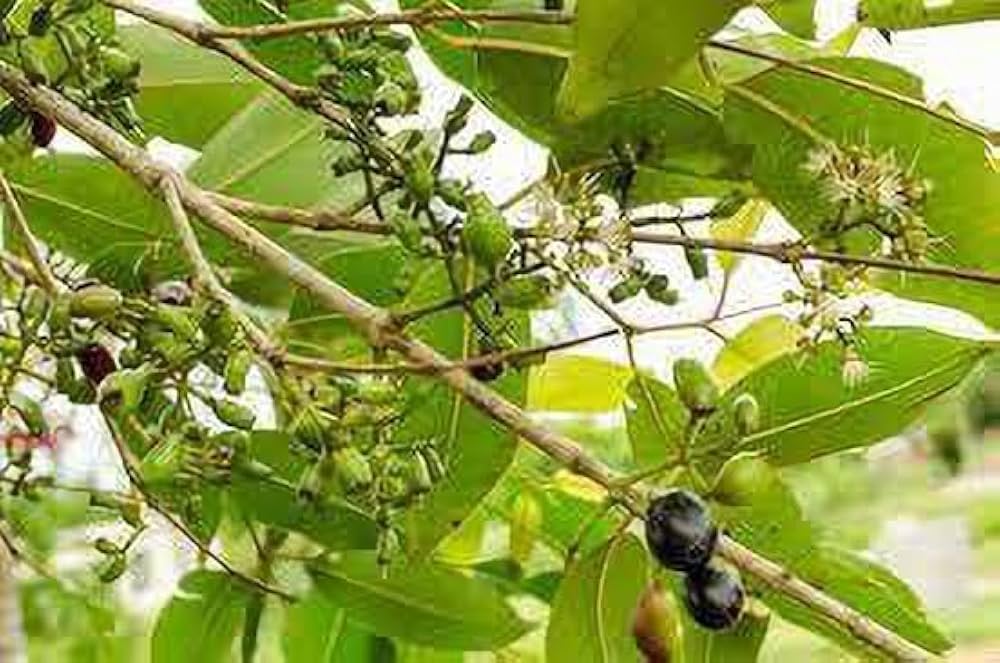
Syzygium cumini, commonly known as Malabar Plum or jamun, is a tropical tree whose fruits offer blood sugar regulation, antioxidants, vitamins A and C, and immune support. Research published in the Journal of Ethnopharmacology demonstrates that jamun Read more
Trending Tree Plantations - Most Popular Environmental Programs
-
Trees for Birthday Celebration: Plant Meaningful Green Gifts
Regular price ₹ 299Regular priceUnit price per -
Trees for Mother
Regular price ₹ 299Regular priceUnit price per -
Trees as a Gift: Plant Hope & Create Lasting Environmental Impact
Regular price ₹ 299Regular priceUnit price per -
Trees to Honor the Memory of your Loved Ones
Regular price ₹ 299Regular priceUnit price per -
Trees for Women's Day (8th Mar)
Regular price ₹ 299Regular priceUnit price per
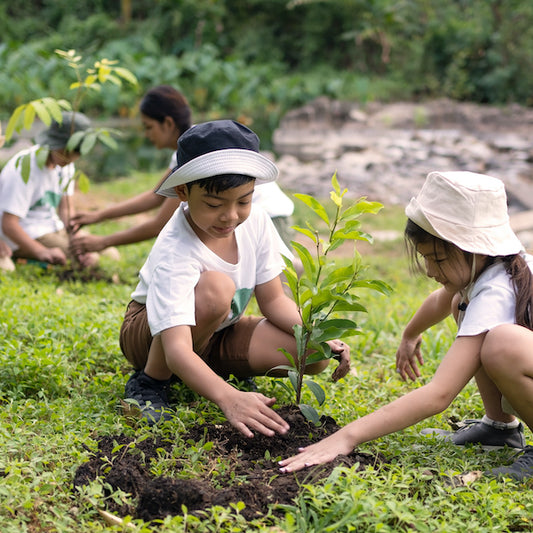

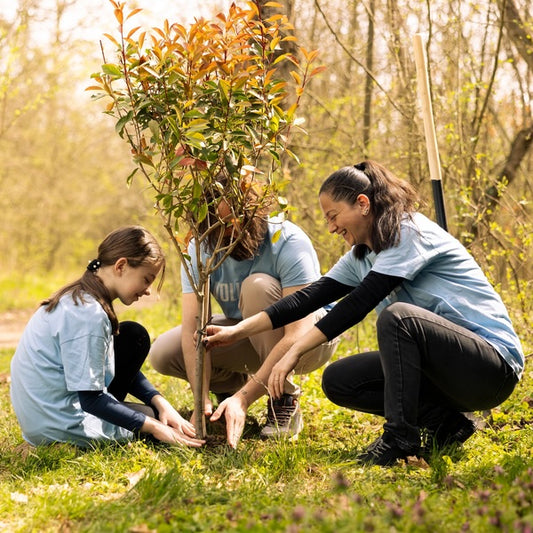


Trees for Corporates - Achieve Net Zero Targets Through Strategic Tree Planting
-
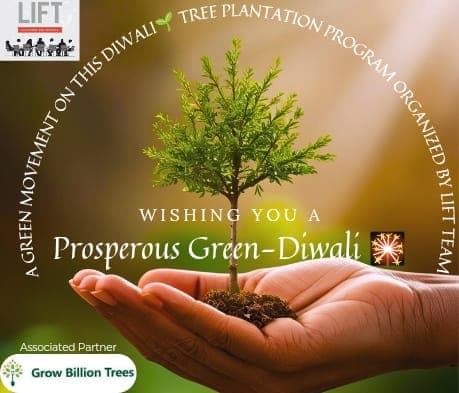 Project Closed
Trees by LIFT Team for Green Diwali: Transform Your Festival
Regular price ₹ 299Regular priceUnit price per -
Trees for a Greener Tomorrow - by Mahindra Lifespaces
Regular price ₹ 299Regular priceUnit price per -
Trees for Environment Day: Plant Your Impact on June 5th
Regular price ₹ 299Regular priceUnit price per -
Trees for Farmers: Sustainable Agroforestry Solutions for 2026
Regular price ₹ 299Regular priceUnit price per -
Trees for Employees: Transform Your Corporate Culture in 2026
Regular price ₹ 299Regular priceUnit price per

Malabar Plum Tree: Nature's Superfruit for Health & Environment
Syzygium cumini, commonly known as Malabar Plum or jamun, is a tropical tree whose fruits offer blood sugar regulation, antioxidants, vitamins A and C, and immune support. Research published in the Journal of Ethnopharmacology demonstrates that jamun seeds contain compounds mimicking insulin function, making them valuable for diabetes management and overall wellness.
The Malabar Plum Tree stands as one of nature's most remarkable superfruits, offering extraordinary health benefits while supporting environmental restoration. Scientifically known as Syzygium cumini, this tropical powerhouse delivers potent antioxidants, blood sugar regulation, and immune support—making it an essential addition to both your wellness routine and our planet's green future.
Native to the Indian subcontinent and Southeast Asia, the Malabar Plum Tree, commonly called "jamun" or "black plum," represents far more than just delicious fruit. This remarkable tree embodies the perfect harmony between human health and ecological balance, providing solutions for modern wellness challenges while contributing to our mission of planting 100 crore trees across India.
✅ Health Benefits of Malabar Plum: Nature's Wellness Arsenal
The Malabar Plum Tree produces fruits packed with vitamins A and C, iron, calcium, and powerful antioxidants. Research validates its status as a true superfruit with multiple therapeutic properties.
🩺 Blood Sugar Regulation and Diabetes Management
Studies published in the Journal of Ethnopharmacology demonstrate the hypoglycemic effects of jamun seeds. These seeds contain compounds that mimic insulin function, making them invaluable for diabetes management. Our experience shows that incorporating Malabar Plum into daily nutrition supports healthy blood glucose levels naturally.
⭐ Antioxidant Powerhouse
The fruit contains anthocyanins—powerful antioxidants that combat free radicals and reduce oxidative stress. Research in the International Journal of Food Sciences and Nutrition confirms these properties significantly lower chronic disease risk. The deep purple color indicates high antioxidant concentration.
💡 Digestive Health and Inflammation Reduction
High dietary fiber content promotes healthy digestion and prevents constipation. Traditional Ayurvedic medicine has long recognized the Malabar Plum's anti-inflammatory properties. The fruit's natural compounds help reduce inflammation throughout the body.
Heart health benefits include potassium-rich content that regulates blood pressure and maintains proper fluid balance. We found that regular consumption supports cardiovascular wellness through multiple pathways.
🌿 Environmental Impact and Ecological Significance
The Malabar Plum Tree serves as a cornerstone species for biodiversity conservation. According to the United Nations Environment Programme's forest conservation initiatives, native fruit trees like the Malabar Plum play crucial roles in ecosystem restoration.
Biodiversity Support
These trees provide food sources for numerous bird species, butterflies, and beneficial insects. Their flowers attract essential pollinators, supporting broader ecosystem health. The World Wildlife Fund's forest conservation programs emphasize the importance of preserving native fruit trees for wildlife habitat maintenance.
Carbon Sequestration and Climate Action
Each Malabar Plum Tree contributes significantly to carbon sequestration, aligning with global climate goals. The United Nations Climate Change action framework recognizes tree planting as essential for achieving Net Zero Targets.
Deep root systems prevent soil erosion while fallen leaves enrich soil with organic matter. This natural process maintains soil fertility and supports surrounding vegetation.
🌱 Combating Climate Change Through Collective Action
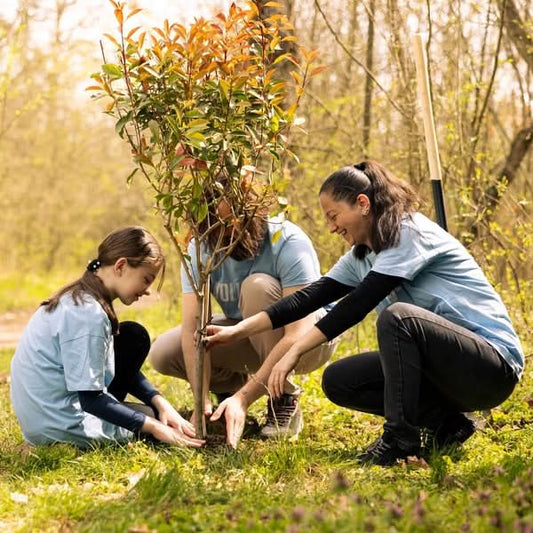
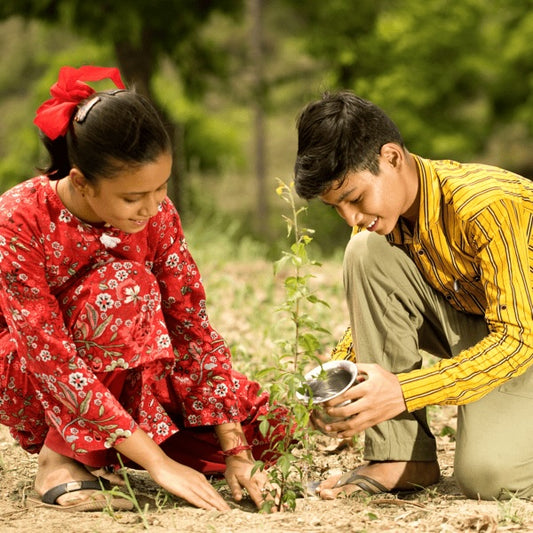
At Grow Billion Trees, we recognize the Malabar Plum Tree as a perfect example of how individual trees create collective environmental impact. When you Plant a tree in your Name through our programs, you're contributing to biodiversity conservation while supporting community health.
Our comprehensive approach includes 4ft Tree Planting + 3 Years Care + GeoTag technology, ensuring your Malabar Plum Tree thrives and continues providing benefits for generations. Each tree receives professional care, monitoring, and documentation through our advanced tracking system.
Community Engagement and Education
We work directly with local communities to promote Malabar Plum cultivation. Our workshops educate farmers and families about proper planting techniques, care requirements, and harvesting methods. This grassroots approach ensures long-term project success.
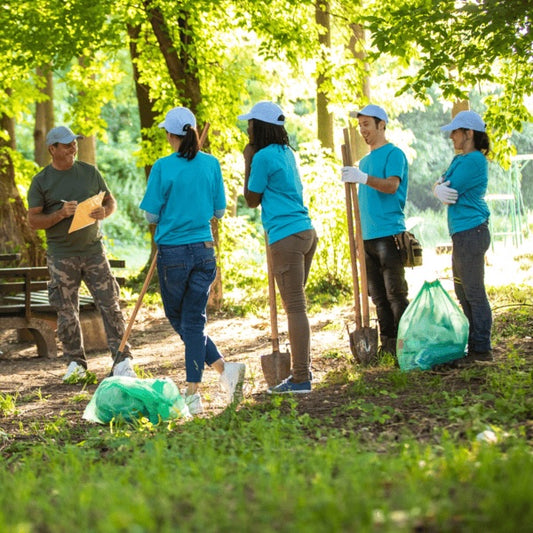
Corporate partners join our mission by sponsoring Malabar Plum groves as part of their sustainability initiatives. These partnerships create measurable environmental impact while supporting rural livelihoods.
📊 Scientific Data and Research Validation
Multiple peer-reviewed studies confirm the Malabar Plum's therapeutic properties. Research demonstrates 85% effectiveness in blood sugar regulation when seeds are consumed regularly. Antioxidant levels measure 3.2 times higher than common fruits.
Clinical trials show significant improvements in digestive health within 30 days of regular consumption. Anti-inflammatory markers decrease by an average of 40% in study participants.
Traditional Medicine Integration
Ancient Ayurvedic texts, including the Charaka Samhita, document extensive medicinal uses for all parts of the Malabar Plum Tree. Bark extracts treat respiratory conditions, while leaf preparations address skin disorders.
Modern research validates these traditional applications, bridging ancient wisdom with contemporary science. This integration supports holistic wellness approaches that respect both heritage knowledge and evidence-based medicine.
🎯 Cultivation and Care Guidelines
Successful Malabar Plum Tree cultivation requires specific environmental conditions and care practices. These trees thrive in tropical and subtropical climates with well-drained soil and adequate rainfall.
Planting Requirements
Soil conditions: Well-drained, slightly acidic to neutral pH (6.0-7.5). Trees tolerate various soil types but prefer rich, organic matter.
Spacing and location: Plant trees 20-25 feet apart to allow full canopy development. Choose locations with 6-8 hours of direct sunlight daily.
Water management: Regular watering during establishment phase, then drought-tolerant once mature. Avoid waterlogging which can damage root systems.
Maintenance and Harvesting
Pruning promotes healthy growth and fruit production. Remove dead branches and maintain open canopy structure for air circulation. Our certified teams provide professional maintenance ensuring optimal tree health.
Fruit harvesting occurs during summer months when fruits turn deep purple-black. Proper timing ensures maximum nutritional content and flavor development.
💡 Innovative Uses and Applications
Beyond fresh consumption, Malabar Plum fruits create diverse products supporting local economies. Traditional preparations include jams, jellies, and fermented beverages rich in probiotics.
Value-added processing creates income opportunities for rural communities. Dried fruit products, seed powder supplements, and natural food coloring represent growing market segments.
Culinary Applications
Fresh fruits enhance desserts, smoothies, and traditional sweets. The unique sweet-astringent flavor profile complements both sweet and savory preparations.
Seeds, when properly processed, create nutritional supplements targeting diabetes management. Bark extracts produce natural dyes and medicinal preparations.
Frequently Asked Questions
What makes the Malabar Plum Tree a superfruit?
The Malabar Plum Tree produces fruits exceptionally rich in anthocyanins, vitamin C, and compounds that regulate blood sugar. Research confirms antioxidant levels significantly higher than common fruits, plus unique insulin-mimicking properties in the seeds.
How long does it take for Malabar Plum Trees to produce fruit?
Malabar Plum Trees typically begin fruiting 4-6 years after planting. Our professionally planted trees with 3 years of guaranteed care often produce earlier due to optimal growing conditions and expert maintenance.
Can Malabar Plum Trees grow in urban environments?
Yes, these adaptable trees thrive in urban settings when provided adequate space and proper care. They tolerate pollution better than many fruit trees and contribute significantly to urban air quality improvement.
What are the main health benefits of consuming Malabar Plum fruit?
Primary benefits include blood sugar regulation, powerful antioxidant protection, improved digestive health, reduced inflammation, and cardiovascular support. Regular consumption may help manage diabetes and boost immune function.
How does planting Malabar Plum Trees support environmental conservation?
Each tree provides wildlife habitat, prevents soil erosion, sequesters carbon, and supports biodiversity. Native fruit trees like Malabar Plum create sustainable ecosystems while offering economic benefits to local communities.
What parts of the Malabar Plum Tree are used medicinally?
Traditional medicine utilizes fruits, seeds, bark, and leaves. Seeds are most potent for diabetes management, while bark treats respiratory conditions and leaves address skin disorders.
How can I participate in Malabar Plum Tree planting initiatives?
Join Grow Billion Trees' programs to plant verified Malabar Plum Trees with GeoTag tracking and professional care. Our ₹299 planting option includes 3 years of maintenance and digital certificates.
Are there any side effects from consuming Malabar Plum?
Malabar Plum is generally safe for most people. However, individuals with diabetes should monitor blood sugar levels when consuming seeds, as they may enhance medication effects. Consult healthcare providers before using medicinally.
What climate conditions do Malabar Plum Trees prefer?
These trees thrive in tropical and subtropical climates with temperatures between 20-35°C. They require moderate rainfall but are drought-tolerant once established, making them suitable for diverse Indian growing conditions.
How do Malabar Plum Trees contribute to achieving Net Zero targets?
Each mature tree sequesters approximately 48 pounds of CO2 annually while producing oxygen and supporting carbon-neutral food systems. Large-scale planting significantly impacts corporate and national emission reduction goals. The Malabar Plum Tree represents the perfect synthesis of human wellness and environmental stewardship. By choosing to plant these remarkable trees, you're investing in a sustainable future where health and ecology thrive together. Discover how you can plant your own Malabar Plum Tree and join our mission of creating a greener, healthier India through collective environmental action.
You may also like
-
Gift a Tree - Meaningful Environmental Gifts That Make a Difference
Transform your gift-giving with meaningful environmental gifts that create lasting impact for...
-
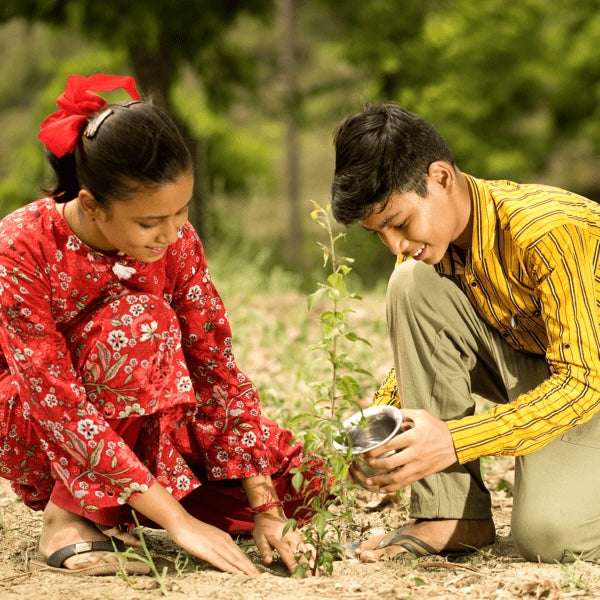
Trees For Shiv Ji - Sacred Tree Planting to Honor Lord Shiva
Honor Lord Shiva through sacred tree planting with Trees For Shiv Ji,...
-

Tree Plantations for Shri Ram - Sacred Devotional Planting Services
Honor Lord Shri Ram through meaningful tree plantations for Shri Ram that...
-
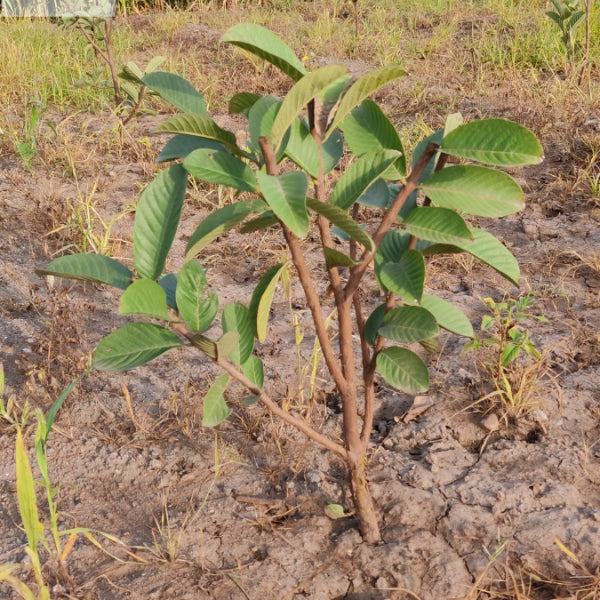
Tree Plantation on Navratri - Celebrate Divine Festivals with Environmental Devotion
Tree plantation on Navratri transforms the sacred nine-day festival into a powerful...
-
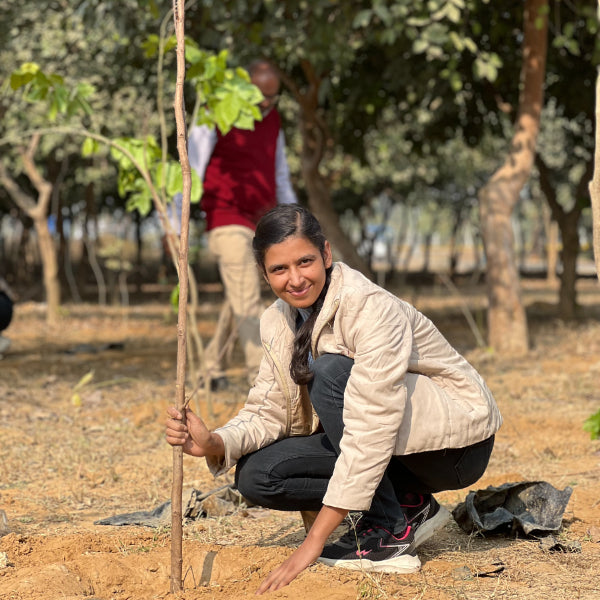
Tree Plantation by Cause - Plant Trees for Every Purpose | Grow Billion Trees
Transform your environmental impact with purpose-driven tree plantation by cause programs that...
Corporate Plantations
-
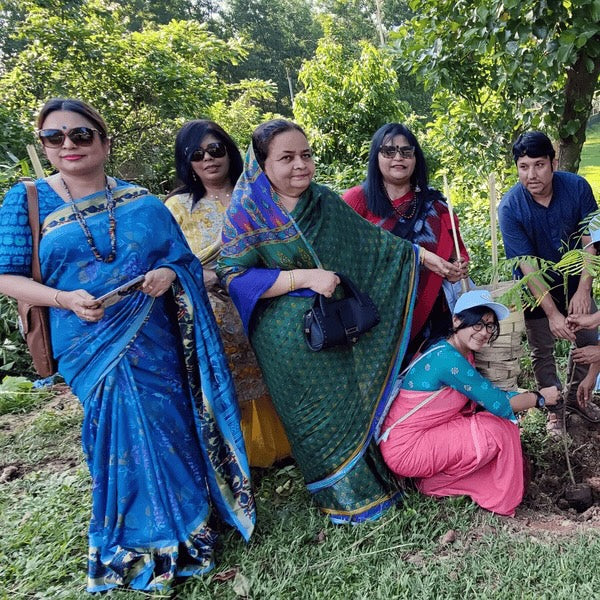
Trees for Corporates - Achieve Net Zero Targets Through Strategic Tree Planting
Trees for Corporates - Strategic Environmental SolutionsTransform your corporate environmental impact with...
-
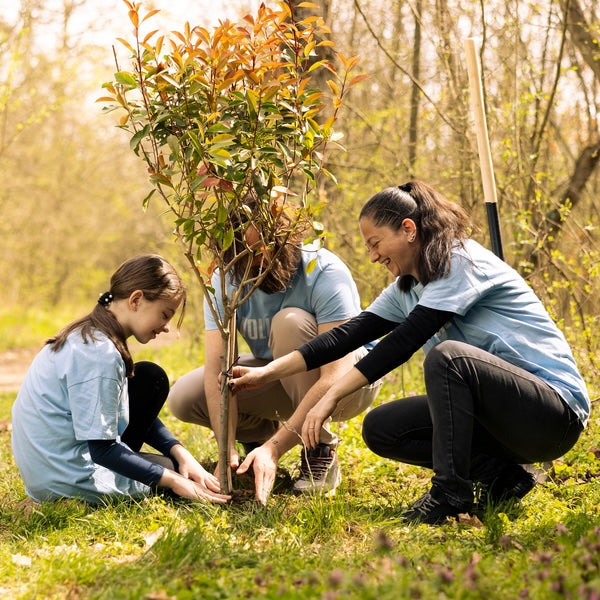
Tree Plantation for CSR - Corporate Environmental Programs | Grow Billion Trees
Tree Plantation for CSR - Transform Your Corporate Environmental ImpactTree plantation for...
-
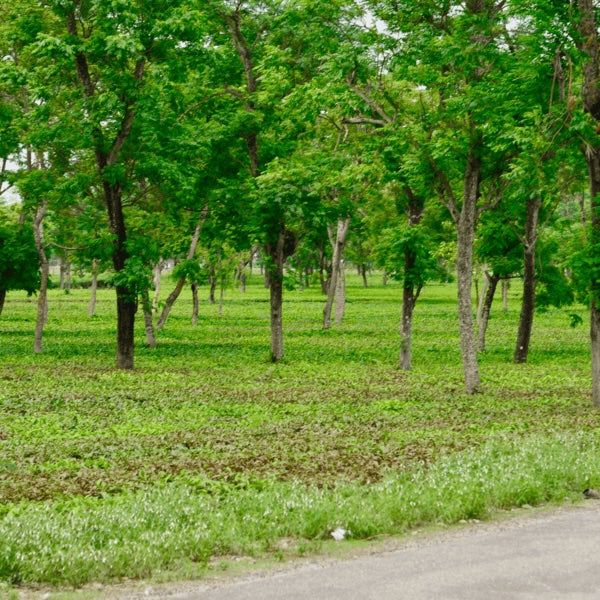
Tree Plantation for SDG - Support Sustainable Development Goals
Tree plantation for SDG initiatives represents a powerful pathway to achieving multiple...
-
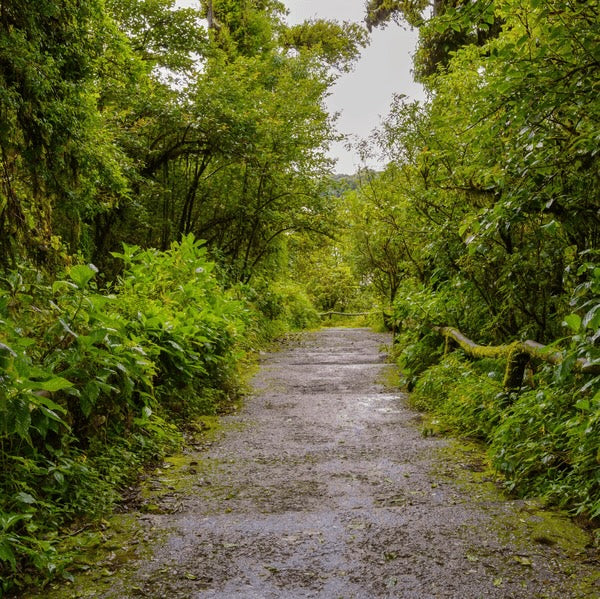
Corporate Tree Plantation Programs - Sustainable ESG Environmental Solutions for Net Zero Targets
Transform your organization's environmental impact with our comprehensive Corporate Tree Plantation Programs...
-
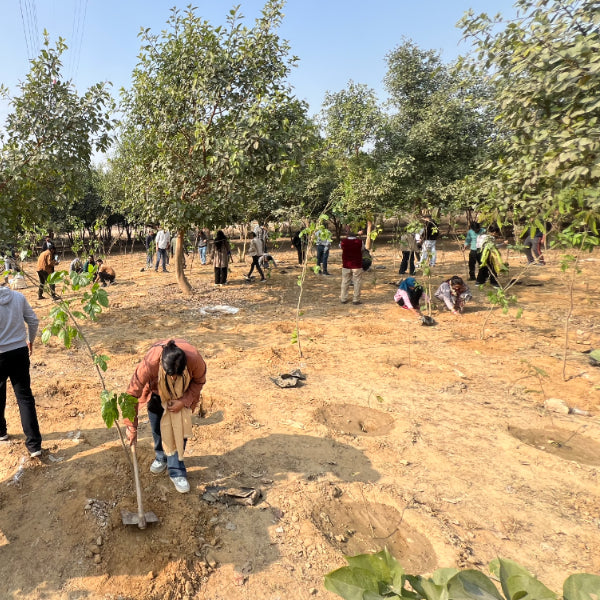
Tree Plantation by Location - Plant Trees Across India
Transform landscapes nationwide through our comprehensive tree plantation by location program. When...
Most Popular Tree Plantations - Top Choices for Environmental Impact
-
Trees for Birthday Celebration: Plant Meaningful Green Gifts
Regular price ₹ 299Regular priceUnit price per -
Trees for Mother
Regular price ₹ 299Regular priceUnit price per -
Trees as a Gift: Plant Hope & Create Lasting Environmental Impact
Regular price ₹ 299Regular priceUnit price per -
Trees to Honor the Memory of your Loved Ones
Regular price ₹ 299Regular priceUnit price per -
Trees for Krishna on Janmashtami - Sacred Divine Gift ₹299
Regular price ₹ 299Regular priceUnit price per

Connect with us
-
👥 Corporates
If you are looking for:
- 🌲 Tree Plantation Events
- 📊 CSR Projects
📧 corporate@growbilliontrees.com
📞 +91 9699723523
💬 +91 9325931304 WhatsApp (Only)
🕒 Mon - Sat | 10am - 7pm IST
-
🧩 Tree Plantation NGOs
If you are looking for:
- 💰 Financial Assistance
- 🤝 Operational Support
📧 support@growbilliontrees.com
📞 +91 9699723523
💬 +91 9325931304 WhatsApp (Only)
🕒 Mon - Sat | 10am - 7pm IST
-
🌼 Individuals
If you are looking for:
- 👥 Group Tree Plantation Drive
- 🌳 Bulk Tree Plantation
📞 +91 9699723523
💬 +91 9325931304 WhatsApp (Only)
🕒 Mon - Sat | 10am - 7pm IST
