
European Larch Tree: Ultimate Guide to Benefits, Care & Beauty
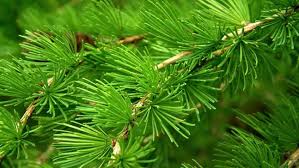
The European Larch (Larix decidua) is a deciduous conifer from Central European mountains that grows up to 40 meters tall and can live over 200 years. Unlike other conifers, it sheds its needles seasonally, displaying fresh green foliage in spring and transforming golden-yellow in autumn. It offers both significant ecological benefits and striking landscape beauty.
The European Larch Tree (Larix decidua) stands as one of nature's most remarkable conifers, combining stunning seasonal beauty with exceptional ecological value. This magnificent deciduous conifer transforms landscapes with its golden autumn display while providing crucial environmental benefits that support our planet's health and climate stability.
Native to the mountainous regions of Central Europe, this extraordinary tree has captured the hearts of gardeners, conservationists, and nature enthusiasts worldwide. With its unique ability to shed needles seasonally and its impressive 200-year lifespan, the European Larch offers both immediate visual impact and long-term environmental benefits.
✅ Understanding the European Larch Tree
The European Larch is a deciduous conifer, meaning it sheds its needles in the fall—a rarity among conifers that makes it truly special. This magnificent tree can grow up to 40 meters tall and live for over 200 years. Its bark is thin and scaly, transitioning from pale brown to rich reddish-brown as it matures.
The soft, light green needles emerge in spring, creating a fresh canopy that transforms into a breathtaking golden-yellow display in autumn. This seasonal transformation attracts photographers and nature lovers from around the world, making it one of the most photographed trees in European landscapes.
Scientifically classified as Larix decidua within the Pinaceae family, this resilient tree thrives in mountainous regions at altitudes of 600 to 2,200 meters. It naturally inhabits the Alps, Carpathians, and Jura Mountains, demonstrating remarkable adaptability to various climatic conditions and soil types.
⭐ Exceptional Benefits of the European Larch Tree
Ecological Powerhouse
The European Larch plays a crucial role in maintaining healthy ecosystems. It provides essential habitat and food sources for numerous wildlife species, including birds, insects, and mammals. The tree's dense foliage offers protective shelter, while its nutritious seeds serve as vital sustenance for small forest creatures.
According to the United Nations Environment Programme on forests, trees like the European Larch are fundamental to biodiversity conservation and ecosystem restoration. Its exceptional ability to thrive in poor soils makes it an invaluable species for reforestation projects aimed at restoring degraded landscapes.
Premium Timber Quality
One of the most significant economic benefits of the European Larch lies in its superior timber quality. The wood exhibits remarkable durability and natural resistance to decay, making it highly sought after for construction, fine furniture, and marine applications. Its rich color palette and fine grain structure add substantial aesthetic and monetary value to any project.
Research demonstrates that larch wood can withstand outdoor conditions for up to 30 years, significantly outperforming many other softwood species. This longevity makes it an excellent investment for sustainable building practices and long-term construction projects.
Climate Change Champion
The European Larch serves as a powerful ally in combating climate change through effective carbon sequestration. Each mature tree absorbs approximately 20 kg of CO2 annually, storing carbon in its biomass and contributing meaningfully to greenhouse gas reduction efforts.
The United Nations Climate Change initiative emphasizes the critical importance of forest conservation and expansion in achieving global climate targets. Organizations like Grow Billion Trees are working toward planting 100 crore trees to support these vital climate objectives, with species like the European Larch playing essential roles in these reforestation efforts.
Stunning Aesthetic Appeal
The visual magnificence of the European Larch cannot be overstated. Its vibrant green spring needles gradually transition through summer's deep emerald to autumn's spectacular golden display, creating year-round visual interest that enhances any landscape design.
The tree's naturally elegant conical shape adds sophisticated architectural elements to gardens, parks, and urban spaces. This seasonal color transformation makes it a photographer's dream and a landscape designer's treasure, providing four seasons of distinct beauty.
💡 Complete Care Guide for European Larch Trees
Optimal Planting Location
Success with European Larch begins with proper site selection. Choose locations receiving full sun exposure for at least six hours daily. The tree thrives in well-drained, acidic to neutral soils and demonstrates remarkable tolerance for various soil types, including sandy and loamy compositions.
Avoid areas with heavy clay or waterlogged conditions, as these can lead to root rot and other serious health issues. Proper drainage is absolutely essential for long-term tree health and vigorous growth.
Watering Requirements
While established European Larch trees exhibit excellent drought tolerance, young specimens require consistent moisture during their establishment period. Maintain soil moisture without creating soggy conditions that could damage developing root systems.
Follow the deep watering principle: provide thorough irrigation once weekly during dry periods, allowing soil to partially dry between watering sessions. This approach encourages deep root development and enhances overall tree resilience.
Fertilization Strategy
Established European Larch trees typically require minimal fertilization due to their natural adaptability. However, if trees display nutrient deficiency symptoms such as yellowing needles or stunted growth, apply balanced fertilizer during early spring.
Organic options like well-aged compost or decomposed manure provide gentle, sustained nutrition without risk of chemical accumulation. These natural amendments also improve soil structure and support beneficial microbial activity.
Pruning Techniques
Proper pruning maintains tree health and enhances natural form. Focus on removing dead, damaged, or diseased branches while promoting strong central leader development in young trees. Conduct pruning during late winter or early spring before active growth begins.
Avoid excessive pruning, as this can stress the tree and increase susceptibility to diseases. Light, strategic pruning maintains the tree's natural beauty while supporting optimal health and growth patterns.
⚠️ Pest and Disease Management
European Larch trees demonstrate natural resistance to most pests but can occasionally face challenges from larch canker and needle blight. Regular inspections help identify potential issues early, when treatment is most effective.
Watch for warning signs including discolored needles, unusual sap discharge, or branch dieback. If problems arise, promptly remove affected branches and dispose of them properly to prevent disease spread. Severe infestations may require professional consultation and targeted treatment approaches.
🌍 Environmental Impact and Conservation Efforts
The European Larch contributes significantly to global environmental health through multiple pathways. Beyond carbon sequestration, these trees help prevent soil erosion, regulate water cycles, and maintain air quality in both rural and urban environments.
According to the World Wildlife Fund's forest conservation initiatives, protecting and expanding forest coverage with species like the European Larch is crucial for maintaining planetary health and supporting biodiversity conservation efforts.
Organizations like Grow Billion Trees are pioneering innovative approaches to reforestation, offering programs where individuals can Plant a tree in your Name for just ₹299. These initiatives include comprehensive care packages featuring 2-3ft Tree Planting + 3 Years Care + GeoTag technology, ensuring successful establishment and long-term survival.
Through Combating Climate Change Through Collective Action, we can work together toward achieving Net Zero Targets while creating lasting environmental benefits for future generations. Every European Larch planted contributes to this vital mission of environmental restoration and climate stabilization.
Further reading: Larch Tree: Discover the Ultimate Guide to This Resilient Beauty for Your Garden! · Golden Larch Tree: The Ultimate Guide to Cultivating Nature's Golden Gem
Frequently Asked Questions
How fast does a European Larch tree grow?
European Larch trees exhibit moderate to fast growth rates, typically adding 12-24 inches annually under optimal conditions. Growth speed depends on factors including soil quality, moisture availability, and climate conditions.
Can European Larch trees survive in urban environments?
Yes, European Larch trees adapt well to urban settings when provided with adequate space, proper drainage, and minimal air pollution exposure. They're increasingly popular in urban forestry projects due to their resilience and aesthetic appeal.
When is the best time to plant European Larch trees?
Plant European Larch trees during early spring or fall when temperatures are moderate and rainfall is typically more consistent. This timing allows root establishment before extreme weather conditions arrive.
Do European Larch trees require special soil conditions?
While European Larch trees prefer well-drained, slightly acidic soils, they demonstrate remarkable adaptability to various soil types. The key requirement is avoiding waterlogged conditions that can damage root systems.
How long do European Larch trees live?
European Larch trees can live for over 200 years under favorable conditions, making them excellent long-term investments for landscape projects and reforestation efforts. Some specimens have been documented living even longer in optimal mountain environments.
Are European Larch trees suitable for small gardens?
While European Larch trees can grow quite large, dwarf varieties and careful pruning can make them suitable for smaller spaces. Consider the mature size when planning and provide adequate space for healthy development.
What wildlife benefits from European Larch trees?
European Larch trees support diverse wildlife including birds that nest in their branches, insects that feed on their foliage, and mammals that consume their seeds. They're particularly valuable for supporting forest ecosystem biodiversity.
How do European Larch trees help combat climate change?
European Larch trees combat climate change by sequestering approximately 20 kg of CO2 annually per mature tree, while also producing oxygen and supporting ecosystem stability. Their long lifespan maximizes their climate benefits over time.The European Larch tree represents nature's perfect combination of beauty, resilience, and environmental benefit. From its stunning seasonal transformations to its crucial role in carbon sequestration and ecosystem support, this remarkable species offers immeasurable value to our planet and communities.Whether you're planning a landscape project, supporting reforestation efforts, or simply appreciating nature's magnificence, the European Larch deserves serious consideration. Join the movement toward environmental restoration by exploring tree planting opportunities with organizations dedicated to creating a greener, more sustainable future. Discover how you can plant your own tree today and become part of the solution for our planet's environmental challenges.
Keep reading
 Larch Tree: Discover the Ultimate Guide to This Resilient Beauty for Your Garden!
 Golden Larch Tree: The Ultimate Guide to Cultivating Nature's Golden Gem
 Spanish Fir Tree: Discover the Majestic Beauty and Benefits
 Silver Fir Tree: The Ultimate Guide to Beauty, Benefits & Care
 Golden Ash Tree: Nature's Majestic Beauty and Environmental Benefits


Leave a comment