
Larch Tree: Discover the Ultimate Guide to This Resilient Beauty for Your Garden!
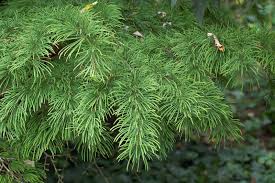
Larch trees (Larix spp.) are deciduous conifers from cooler regions of the Northern Hemisphere. Unlike most conifers, they shed needle-like leaves in fall, which turn golden-yellow. These trees grow rapidly, reaching 60 to 100 feet within decades and can live over 200 years.
When it comes to selecting trees for your garden, the Larch tree (Larix spp.) stands out as a resilient beauty with a plethora of benefits. This deciduous conifer is known for its unique needle-like leaves that turn golden-yellow in the fall, making it a stunning addition to any landscape.
In this ultimate guide, we will explore the secrets of the Larch tree, including its history, environmental impact, and the best practices for cultivation. Alongside this, we will also delve into how organizations like Grow Billion Trees Partners are promoting the planting of Larch trees to enhance our green spaces.
Understanding the Larch Tree
The Larch tree is part of the Pinaceae family and is native to the cooler regions of the Northern Hemisphere, including North America, Europe, and Asia.
There are several species of Larch, but the most commonly cultivated include the European Larch (Larix decidua) and the Western Larch (Larix occidentalis). These trees are unique among conifers because they are deciduous, meaning they lose their needles in the fall, which is a characteristic more typical of broadleaf trees.
Scientific Insights and Fun Facts
- Growth Rate: Larch trees are known for their rapid growth, often reaching heights of 60 to 100 feet within a few decades under optimal conditions.
- Longevity: These trees can live for over 200 years, with some specimens in the wild estimated to be more than 1,000 years old.
- Unique Foliage: The soft, needle-like leaves of the Larch are typically 1 to 1.5 inches long and grow in clusters of 10 to 30. In autumn, they transform into vibrant shades of yellow before falling off.
- Wood Quality: Larch wood is highly valued for its durability and resistance to decay, making it an excellent choice for outdoor construction, including decking, fencing, and boat building.
Historical Significance
The Larch tree has been significant in various cultures throughout history. Indigenous peoples in North America have utilized Larch for medicinal purposes, with its bark and wood being used in traditional remedies. European settlers recognized the tree's value for timber, leading to its widespread planting in parks and gardens across the continent.
In Japan, the Japanese Larch (Larix kaempferi) is celebrated for its beauty and is often used in bonsai cultivation. The tree's adaptability to various soil types and climates has made it a popular choice for reforestation projects worldwide.
Environmental Impact
Larch trees play a crucial role in their ecosystems. They provide habitat and food for various wildlife species, including birds, insects, and mammals. The tree's ability to thrive in poor soils makes it a valuable asset in reforestation and land restoration efforts. Larch trees are also known for their carbon sequestration capabilities, absorbing significant amounts of carbon dioxide from the atmosphere, which helps mitigate climate change.
Moreover, Larch forests contribute to soil health by preventing erosion and enhancing nutrient cycling. Their needles, which decompose slowly, enrich the soil with organic matter, promoting a healthy ecosystem for other plant species.
How to Grow Larch Trees
Growing Larch trees in your garden can be a rewarding endeavor. Here are some essential tips for successful cultivation:
- Site Selection: Larch trees prefer well-drained soils and full sunlight. Choose a location that receives at least six hours of direct sunlight daily.
- Soil Preparation: Although Larch can tolerate various soil types, they thrive in sandy or loamy soils. Ensure the soil is well-aerated and has a pH between 5.5 and 7.5.
- Planting: Plant Larch trees in the spring or fall. Dig a hole twice the width of the root ball and deep enough to accommodate the roots. Water thoroughly after planting.
- Watering: Young Larch trees require regular watering, especially during dry spells. Once established, they are relatively drought-tolerant.
- Pruning: Minimal pruning is required, but removing dead or damaged branches will promote healthy growth.
- Pest Management: Larch trees are generally pest-resistant, but keep an eye out for aphids and bark beetles. Regular inspections can help catch any infestations early.
Promoting Sustainable Practices with Grow Billion Trees Partners
Organizations like Grow Billion Trees Partners are at the forefront of promoting tree planting initiatives, including the Larch tree. Their mission is to combat climate change and promote biodiversity through large-scale reforestation projects. By partnering with local communities, schools, and environmental organizations, they execute tree-planting events that engage volunteers and raise awareness about the importance of trees in our ecosystem.
Grow Billion Trees Partners focuses on selecting native and resilient tree species, including Larch, to ensure the success of their projects. They provide education and resources to communities on the benefits of trees, including improved air quality, enhanced biodiversity, and increased property values. Their commitment to sustainability extends beyond planting; they also monitor the growth and health of the trees to ensure long-term success.
Conclusion
The Larch tree is a remarkable species that deserves a place in your garden. With its unique characteristics, historical significance, and environmental benefits, it offers a plethora of advantages for both the gardener and the ecosystem.
By understanding how to cultivate Larch trees and supporting initiatives like those by Grow Billion Trees Partners, we can contribute to a greener, healthier planet.
Whether you are looking to enhance your landscape or participate in reforestation efforts, the Larch tree is a resilient beauty that will not disappoint. Its vibrant foliage, strong wood, and ecological contributions make it a valuable addition to any garden.
So why not embrace the Larch tree and discover the secrets it holds for your garden? Together, we can plant the seeds for a sustainable future!
Further reading: Golden Larch Tree: The Ultimate Guide to Cultivating Nature's Golden Gem · Spruce Tree: Unlocking the Beauty, Benefits, and Care Tips for Your Garden
Frequently Asked Questions
What is a larch tree?
A larch tree is a deciduous conifer from the genus Larix that sheds its needles in autumn, flaunting a stunning golden hue. Unlike its evergreen cousins, it embraces seasonal change, making it a standout in any garden. With species like the European larch and American tamarack, this tree adds flair and character to your landscape.
Why should I plant larch trees?
Larch trees are nature's multitaskers! They offer stunning beauty, rapid growth, and impressive longevity, living over 200 years. Plus, their wood is durable and decay-resistant, perfect for outdoor projects. By planting larch trees, you're not just beautifying your garden but also contributing to biodiversity and combating climate change. Talk about a win-win!
What are the ideal growing conditions for larch trees?
Larch trees thrive in well-drained, sandy or loamy soils and prefer slightly acidic to neutral pH. They bask in full sunlight, needing at least six hours of direct sun daily. While drought-tolerant once established, they appreciate a good drink during dry spells, especially when they're young. It’s like giving them a spa day!
How do I choose the right larch species for my garden?
Selecting the right larch species is like picking a dance partner—compatibility is key! European larch loves temperate climates, while American larch prefers the chill of colder areas. Research each species' specific needs and characteristics to ensure your larch tree boogies its way to optimal growth in your garden.
How do I plant a larch tree?
Planting a larch tree is a piece of cake! Choose a sunny spot with enough space for growth, dig a hole twice the width of the root ball, and place your tree in. Backfill gently, water thoroughly, and add mulch to keep moisture in. Voilà! You’ve just laid the foundation for a future garden superstar.
What maintenance do larch trees require?
Maintaining larch trees is like caring for a quirky pet—they need love and attention! Prune in late winter or early spring to remove dead branches and shape the tree. Keep an eye out for pests like larch sawfly and aphids, and use organic remedies as needed. A balanced fertilizer in early spring keeps them happy and healthy!
What are the environmental benefits of larch trees?
Larch trees are eco-warriors in disguise! They provide habitats for wildlife, improve soil health with nitrogen-fixing abilities, and sequester carbon dioxide, helping to combat climate change. A mature larch can absorb about 48 pounds of CO2 annually, making it a champion in the fight for a greener planet. Who knew trees could be superheroes?
What historical significance do larch trees have?
Larch trees have a rich history, serving as essential resources for indigenous peoples and cultures. From shelter and canoes to shipbuilding in Europe, their durable wood has stood the test of time. Symbolizing strength and endurance, larch trees have been celebrated throughout history, proving they’re not just pretty faces in the garden!
How do organizations promote larch tree planting?
Organizations like Grow Billion Trees Partners are tree-planting aficionados! They engage local communities, educate about the benefits of larch trees, and monitor planted trees for success. By promoting larch planting, they help restore ecosystems and enhance biodiversity. Their work ensures that these resilient beauties thrive, creating a greener world for future generations!
Can larch trees survive in poor soil conditions?
Absolutely! Larch trees are like the ultimate underdogs, thriving even in poor soil conditions. While they prefer well-drained, sandy or loamy soils, their adaptability allows them to flourish where other trees might struggle. Just give them a little love, and they’ll surprise you with their resilience and beauty!
How do larch trees contribute to biodiversity?
Larch trees are biodiversity boosters! They provide essential habitats and food for various wildlife species, from birds to insects. By planting larch trees, you're not just adding beauty to your garden; you're also creating a thriving ecosystem. Their nitrogen-fixing abilities further enhance soil health, making them invaluable allies in promoting biodiversity.
What makes larch wood so special?
Larch wood is the rock star of the timber world! Known for its durability and decay resistance, it’s a top choice for outdoor construction and furniture. Its natural beauty and strength make it a favorite among builders and artisans alike. So, when you choose larch, you’re opting for quality and style that stands the test of time!
Keep reading
 European Larch Tree: Ultimate Guide to Benefits, Care & Beauty
 Golden Larch Tree: The Ultimate Guide to Cultivating Nature's Golden Gem
 Spruce Tree: Unlocking the Beauty, Benefits, and Care Tips for Your Garden
 Red Pine Tree: The Ultimate Guide to Benefits, Care & Unique Features
 Hemlock Tree: The Enigmatic Beauty and Hidden Dangers of This Majestic Conifer


Leave a comment