
Giant Thorny Bamboo: India's Towering Green Guardian
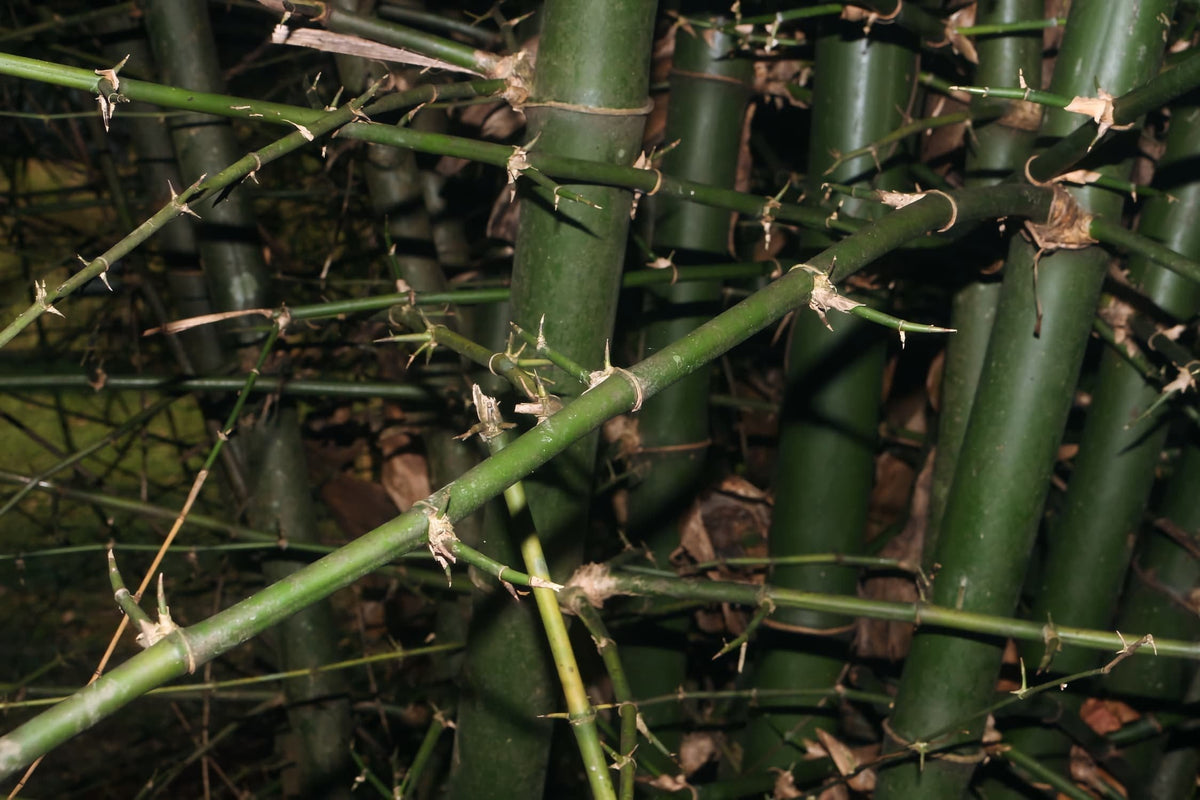
Giant Thorny Bamboo (Bambusa bambos) is a towering bamboo species native to India, Sri Lanka, and Bangladesh that can reach heights of up to 30 metres. This distinctive plant forms dense clumps and is recognised by sharp thorns on younger stems, making it valuable for sustainable development and carbon sequestration across tropical and subtropical regions.
The Giant Thorny Bamboo (Bambusa bambos), also known as Indian Thorny Bamboo, stands as one of India's most remarkable plant species, combining rugged strength with exceptional environmental benefits. This towering bamboo species can reach heights of up to 30 meters and serves as a cornerstone for sustainable development, carbon sequestration, and rural livelihoods across the Indian subcontinent.
✅ Understanding Giant Thorny Bamboo: Scientific Profile
The Giant Thorny Bamboo belongs to the Poaceae family and is scientifically classified as Bambusa bambos. This impressive species is native to India, Sri Lanka, and Bangladesh, where it has thrived for centuries in tropical and subtropical climates.
Key Characteristics:
- Scientific Name: Bambusa bambos
- Common Names: Indian Thorny Bamboo, Spinous Bamboo, Giant Thorny Bamboo
- Height: Up to 30 meters (98 feet)
- Clump diameter: Up to 6 meters wide
- Lifespan: Individual culms live 5-7 years, clumps persist for decades
The species is easily recognized by its thick, tall culms featuring sharp thorns at the nodes of younger stems, providing natural protection against herbivores and human interference.
🌱 Botanical Features and Growth Patterns
Giant Thorny Bamboo exhibits fascinating growth characteristics that make it invaluable for reforestation efforts. Unlike running bamboos that spread aggressively, this species forms dense, manageable clumps that expand slowly over time.
Growth Characteristics:
- Fast growth rate: Up to 90 cm (3 feet) per day under optimal conditions
- Clumping nature: Forms dense stands without invasive spreading
- Dark green, lance-shaped leaves
- Drought-resistant once established
- Prefers moist, well-drained soils
The rapid growth rate makes Giant Thorny Bamboo an excellent choice for carbon sequestration projects, as it can absorb 35% more CO₂ than traditional trees while producing 30% more oxygen.
⭐ Environmental Impact and Climate Benefits
According to the United Nations Climate Change initiative, bamboo species like Giant Thorny Bamboo play crucial roles in combating climate change through their exceptional carbon absorption capabilities.
Environmental Benefits:
- Superior carbon sequestration compared to hardwood trees
- Soil erosion prevention through dense root networks
- Groundwater recharge enhancement
- Habitat creation for diverse wildlife species
- Land restoration capabilities on degraded soils
The species excels at rejuvenating barren lands and can successfully grow in marginal, nutrient-poor soils where other plants struggle to establish. This makes it particularly valuable for wasteland reclamation projects across India.
💡 Economic Importance and Rural Livelihoods
Giant Thorny Bamboo serves as a renewable resource that matures in just 3-4 years, making it an economically viable alternative to traditional timber. The species supports thousands of rural livelihoods through various applications:
Economic Applications:
- Paper and pulp industry raw material
- Handicrafts and woven products
- Bio-construction and green building materials
- Traditional furniture and scaffolding
- Sustainable packaging solutions
The United Nations Environment Programme on Forests recognizes bamboo cultivation as a key strategy for sustainable forest management and rural economic development.
🏛️ Cultural Heritage and Traditional Uses
Indian Thorny Bamboo holds deep cultural significance in Indian traditions. Known as "Veduru" in Telugu, "Moongil" in Tamil, and "Bans" in Hindi, this species has been integral to Indian life for millennia.
Traditional Applications:
- Ancient warfare: Used for spears and protective barriers
- Construction: House frames and structural support
- Religious significance: Associated with Lord Krishna's flute
- Symbolic meaning: Represents resilience and strength in folklore
Villages across South India traditionally relied on Bambusa bambos for essential construction needs, demonstrating the species' reliability and versatility in rural applications.
🌍 Supporting Global Sustainability Goals
Giant Thorny Bamboo contributes significantly to the United Nations Sustainable Development Goals, particularly in areas of poverty reduction, climate action, and terrestrial ecosystem protection.
SDG Contributions:
- SDG 1 (No Poverty): Creates income opportunities through bamboo farming
- SDG 13 (Climate Action): Serves as carbon sink and climate resilience tool
- SDG 15 (Life on Land): Restores biodiversity and ecosystem health
The species aligns perfectly with our mission at Grow Billion Trees to achieve net zero targets while supporting rural communities through sustainable forestry practices.
⚠️ Plantation and Management Considerations
Successful Giant Thorny Bamboo cultivation requires understanding specific growth requirements and management practices. The species thrives in tropical and subtropical climates with adequate moisture during establishment.
Plantation Guidelines:
- Soil: Well-drained, fertile soils preferred
- Climate: Tropical to subtropical conditions
- Water: Regular irrigation during first two years
- Spacing: 4-6 meters between clumps
- Harvesting: Selective cutting after 3-4 years
Proper management ensures sustainable harvesting while maintaining clump health and productivity for decades. Learn more about our professional tree planting services that include comprehensive care and monitoring.
📈 Government Initiatives and Policy Support
The Indian government actively promotes bamboo cultivation through various schemes including the National Bamboo Mission (NBM) and integration with MGNREGA programs. States like Maharashtra, Chhattisgarh, Assam, and Karnataka have witnessed significant growth in bamboo cultivation.
Policy Support:
- National Bamboo Mission funding
- Agroforestry promotion schemes
- Carbon farming incentives
- Rural employment generation programs
These initiatives recognize Giant Thorny Bamboo's potential for sustainable development and environmental restoration across India's diverse landscapes.
Further reading: Bamboo Tree: Forest Management and Biodiversity Conservation · Bamboo: The Flexible Giant of Harmony and Hope in India
Frequently Asked Questions
What makes Giant Thorny Bamboo different from other bamboo species?
Giant Thorny Bamboo is distinguished by its impressive height (up to 30 meters), sharp thorns on younger culms, clumping growth pattern, and exceptional carbon sequestration capabilities. Unlike running bamboos, it forms manageable clumps without aggressive spreading.
How fast does Indian Thorny Bamboo grow?
Under optimal conditions, Giant Thorny Bamboo can grow up to 90 centimeters (3 feet) per day during peak growing season. Individual culms typically mature in 3-4 years, making it one of the fastest-growing woody plants on Earth.
What are the main economic benefits of Giant Thorny Bamboo?
The species provides renewable raw material for paper, pulp, handicrafts, construction, and bio-materials industries. It supports rural livelihoods through cultivation, harvesting, and processing activities while offering sustainable alternatives to traditional timber.
Can Giant Thorny Bamboo grow in degraded soils?
Yes, Giant Thorny Bamboo demonstrates excellent adaptability to marginal and degraded soils. Its robust root system helps improve soil fertility over time while preventing erosion, making it ideal for land restoration projects.
How does Giant Thorny Bamboo contribute to climate change mitigation?
The species absorbs 35% more CO₂ than trees and produces 30% more oxygen. Its rapid growth and high biomass accumulation make it an effective carbon sink, supporting climate change mitigation efforts and net zero targets.
What wildlife benefits from Giant Thorny Bamboo plantations?
The dense clumps provide habitat for birds, reptiles, and small mammals. Young shoots serve as food for herbivores like elephants and deer, while the structure creates nesting sites and protective cover for various species.
Is Giant Thorny Bamboo suitable for urban forestry projects?
While primarily used in rural and forest settings, Giant Thorny Bamboo can be incorporated into urban forestry projects for carbon sequestration, air purification, and creating green corridors. However, its large size requires adequate space planning.
What is the lifespan of Giant Thorny Bamboo clumps?
Individual culms live 5-7 years, but the entire clump can persist for decades with proper management. Regular selective harvesting maintains clump health and ensures continuous productivity.
How does Giant Thorny Bamboo support water conservation?
The species improves groundwater recharge through its root system and acts as a natural rainwater harvester. Its clumping pattern helps regulate water flow and reduces surface runoff, supporting watershed management.
What are the traditional uses of Indian Thorny Bamboo?
Traditionally used for construction (house frames, scaffolding), handicrafts, furniture, and even weapons. It holds cultural significance in Indian traditions and is associated with strength, resilience, and spiritual symbolism in various regional cultures.Giant Thorny Bamboo represents the perfect fusion of environmental sustainability, economic viability, and cultural heritage. As we work towards planting 100 crore trees across India, species like Bambusa bambos play crucial roles in achieving our collective climate goals while supporting rural communities and biodiversity conservation.Ready to make a lasting environmental impact? Plant a tree in your Name with our comprehensive 2-3ft Tree Planting + 3 Years Care + GeoTag service for just ₹299. Join thousands of environmentally conscious individuals in Combating Climate Change Through Collective Action. Discover how you can contribute to India's green revolution today.


Leave a comment