
Bamboo: The Flexible Giant of Harmony and Hope in India
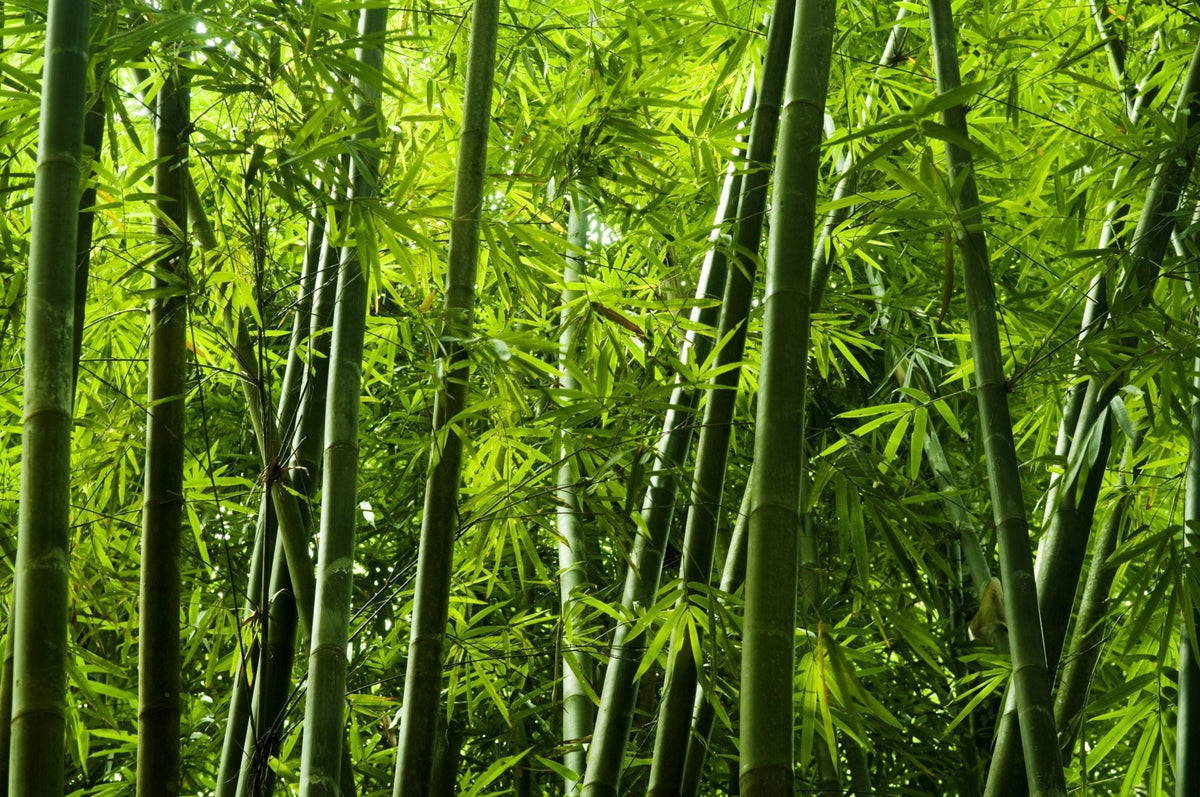
Bamboo holds significant spiritual and cultural value across India, featured in Hindu mythology as Lord Krishna's divine bansuri (flute) and in northeastern tribal creation myths as a life-giving force. Beyond this sacred heritage, bamboo represents resilience and sustainability, serving both traditional cultural practices and modern eco-tourism destinations.
Bamboo stands as nature's most remarkable gift to humanity—a flexible giant that embodies both strength and grace. In India, this extraordinary plant represents far more than sustainable material; it's a symbol of resilience, cultural heritage, and environmental hope. From the sacred groves of tribal communities to modern eco-tourism destinations, bamboo continues to inspire millions with its mythological significance and practical benefits.
✅ The Sacred Heritage of Bamboo in Indian Culture
Across India and Asia, bamboo holds profound spiritual significance that transcends its physical properties. In Hindu mythology, Lord Krishna's divine bamboo flute (bansuri) wasn't merely a musical instrument—it served as a celestial bridge connecting earthly souls to divine consciousness. The melodious notes from Krishna's bamboo flute could calm wild animals, heal broken hearts, and enchant devotees across Vrindavan.
In northeastern India, particularly among the Bodo tribes of Assam and Arunachal Pradesh, creation myths intertwine with bamboo's sacred essence. Ancient stories tell of the first humans emerging from bamboo shoots blessed by forest deities. These cultural narratives reflect bamboo's role as a life-giving force that nurtures both physical and spiritual growth.
Bengali folklore associates bamboo groves with prosperity and divine protection. Rural communities traditionally plant bamboo near their homes, believing it invites abundance while shielding families from negative energies. This practice demonstrates how bamboo serves as both a practical resource and spiritual guardian in Indian households.
⭐ Bamboo Tourism: Sacred Trails and Cultural Experiences
Modern travelers seeking authentic cultural experiences increasingly visit destinations where bamboo plays central roles in local traditions and ecosystems. These bamboo tourism trails offer unique opportunities to explore India's rich heritage while supporting sustainable travel practices.
Mawlynnong, Meghalaya: Asia's Cleanest Village
Mawlynnong attracts thousands of eco-tourists annually with its innovative bamboo infrastructure and pristine environment. Visitors explore remarkable bamboo sky bridges crafted by the indigenous Khasi tribe, stay in eco-friendly bamboo lodges, and participate in traditional bamboo planting ceremonies believed to ensure abundant rainfall and community harmony.
Ziro Valley, Arunachal Pradesh: UNESCO Heritage Nominee
This stunning valley offers immersive bamboo experiences through the annual Apatani Bamboo Festival. Tourists witness mystical bamboo dances performed to honor earth goddesses, learn traditional bamboo crafts from local artisans, and explore sacred groves where ancient rituals continue to thrive.
Kaziranga National Park, Assam: Wildlife and Bamboo Harmony
Beyond its famous one-horned rhinoceros population, Kaziranga features extensive bamboo thickets supporting diverse wildlife. Guided safaris showcase elephants feeding on bamboo while local guides share folklore about forest spirits dwelling within these sacred groves.
💡 Environmental Benefits: Bamboo's Climate Impact
Bamboo's environmental credentials make it a powerful ally in combating climate change through collective action. According to the United Nations Climate Change initiative, bamboo absorbs 35% more carbon dioxide than equivalent forest areas while producing 35% more oxygen. This remarkable efficiency positions bamboo as a crucial tool for achieving net zero targets.
The United Nations Environment Programme's forest research highlights bamboo's rapid growth rate—some species grow up to 35 inches in a single day. This extraordinary regeneration capacity allows sustainable harvesting without environmental degradation, unlike traditional timber harvesting that requires decades for forest recovery.
Research indicates that bamboo plantations can restore degraded lands more effectively than conventional reforestation methods. The plant's extensive root system prevents soil erosion while improving water retention, making it ideal for watershed restoration projects across India's diverse landscapes.
🌱 Grow Billion Trees: Bamboo Conservation and Cultural Integration
Grow Billion Trees recognizes bamboo's dual role as an environmental solution and cultural treasure. Our comprehensive approach integrates traditional knowledge with modern conservation techniques to preserve India's bamboo heritage while supporting local communities.
Sacred Grove Mapping and Protection
We collaborate with tribal communities and temple authorities to identify and protect sacred bamboo groves across India. These biodiversity zones serve as living museums where ancient traditions merge with ecological conservation, ensuring future generations can experience bamboo's cultural significance.
Community-Based Bamboo Planting Programs
Our 2-3ft Tree Planting + 3 Years Care + GeoTag program includes specialized bamboo varieties suitable for different climatic zones. Participants can plant a tree in your name while contributing to our mission of planting 100 crore trees across India by 2030.
Through partnerships with local tourism boards, we create guided bamboo trails that connect mythological narratives with ecological education. These experiences generate sustainable income for rural communities while promoting environmental awareness among urban visitors.
🎋 Bamboo Festivals and Ritual Tourism
India's diverse bamboo festivals attract cultural enthusiasts and spiritual seekers from around the world. The famous Cheraw Dance of Mizoram showcases bamboo's rhythmic beauty through intricate performances that tell ancient stories of courage and community unity.
In Chhattisgarh's Bastar region, tribal festivals celebrate bamboo's role in traditional crafts and spiritual practices. Tourists witness live demonstrations of Dhokra art, where bamboo serves as both tool and inspiration for creating intricate metal sculptures.
Kerala's retreat centers incorporate bamboo architecture into meditation spaces, utilizing the plant's natural acoustic properties to enhance spiritual practices. The gentle rustling of bamboo leaves creates an ideal environment for mindfulness and healing therapies.
🌍 Sustainable Development Through Bamboo Innovation
Modern applications of bamboo align with the United Nations Sustainable Development Goals, particularly in areas of sustainable cities, responsible consumption, and climate action. Bamboo's versatility enables innovations ranging from construction materials to textiles, food products, and renewable energy solutions.
Indian entrepreneurs are developing bamboo-based alternatives to plastic products, contributing to waste reduction while creating employment opportunities in rural areas. These initiatives demonstrate how traditional materials can address contemporary environmental challenges.
The bamboo industry supports millions of livelihoods across India, particularly in northeastern states where bamboo resources are abundant. Sustainable bamboo management practices ensure long-term economic benefits while preserving ecological integrity.
Further reading: Banana Plant: The Sacred Symbol of Abundance and Growth · Giant Thorny Bamboo: India's Towering Green Guardian
Frequently Asked Questions
What makes bamboo spiritually significant in Indian culture?
Bamboo holds deep spiritual meaning in Indian traditions, symbolizing flexibility, resilience, and divine connection. Lord Krishna's bamboo flute represents the soul's call to the divine, while tribal communities view bamboo as a bridge between physical and spiritual realms.
How does bamboo contribute to climate change mitigation?
Bamboo absorbs significantly more carbon dioxide than traditional trees while producing more oxygen. Its rapid growth rate and ability to regenerate without replanting make it an excellent tool for carbon sequestration and climate change mitigation.
Where can tourists experience bamboo culture in India?
Popular bamboo tourism destinations include Mawlynnong in Meghalaya, Ziro Valley in Arunachal Pradesh, Kaziranga National Park in Assam, and Bastar in Chhattisgarh. These locations offer cultural experiences, festivals, and eco-tourism opportunities centered around bamboo.
What are the main environmental benefits of bamboo?
Bamboo prevents soil erosion, improves water retention, requires no pesticides or fertilizers, regenerates rapidly after harvesting, and provides habitat for diverse wildlife species. It also produces stronger materials than many hardwoods while growing much faster.
How can I participate in bamboo conservation efforts?
You can support bamboo conservation by choosing bamboo products, visiting bamboo tourism destinations, participating in planting programs like those offered by Grow Billion Trees, and supporting local artisans who work with sustainable bamboo crafts.
What role does bamboo play in sustainable tourism?
Bamboo tourism promotes cultural preservation, supports local economies, provides eco-friendly accommodation options, and educates visitors about sustainable living practices. It creates income opportunities for rural communities while protecting traditional knowledge.
Can bamboo replace traditional building materials?
Yes, bamboo serves as an excellent alternative to conventional building materials. It's stronger than steel in tensile strength, lighter than concrete, naturally antimicrobial, and provides excellent insulation properties while being completely renewable.
How does Grow Billion Trees incorporate bamboo into their programs?
Grow Billion Trees includes bamboo species in their reforestation programs, maps sacred bamboo groves for protection, creates cultural bamboo trails, and partners with communities to preserve traditional bamboo knowledge while promoting sustainable practices.
What makes bamboo tourism sustainable?
Bamboo tourism is sustainable because it relies on renewable resources, supports local communities, preserves cultural traditions, requires minimal infrastructure development, and educates visitors about environmental conservation practices.
How fast does bamboo actually grow?
Bamboo is the fastest-growing plant on Earth, with some species growing up to 35 inches in a single day. Most bamboo varieties reach maturity within 3-5 years, compared to 25-50 years for traditional hardwood trees.
🌿 Conclusion: Nurturing Hope Through Bamboo
Bamboo represents nature's perfect balance of strength and flexibility, tradition and innovation, sustainability and beauty. As we face environmental challenges and seek cultural connections, bamboo offers hope through its remarkable ability to heal both land and spirit. From sacred groves echoing with ancient chants to modern eco-tourism experiences, bamboo continues to inspire and sustain communities across India.
Join Grow Billion Trees in celebrating bamboo's extraordinary journey from mythological symbol to environmental solution. Together, we can plant a tree in your name and contribute to our vision of 100 crore trees while preserving the cultural heritage that makes bamboo truly special. Explore our bamboo planting programs and become part of India's green revolution today.


Leave a comment