
Gray Birch Tree: The Unsung Hero of Your Garden – Beauty & Benefits
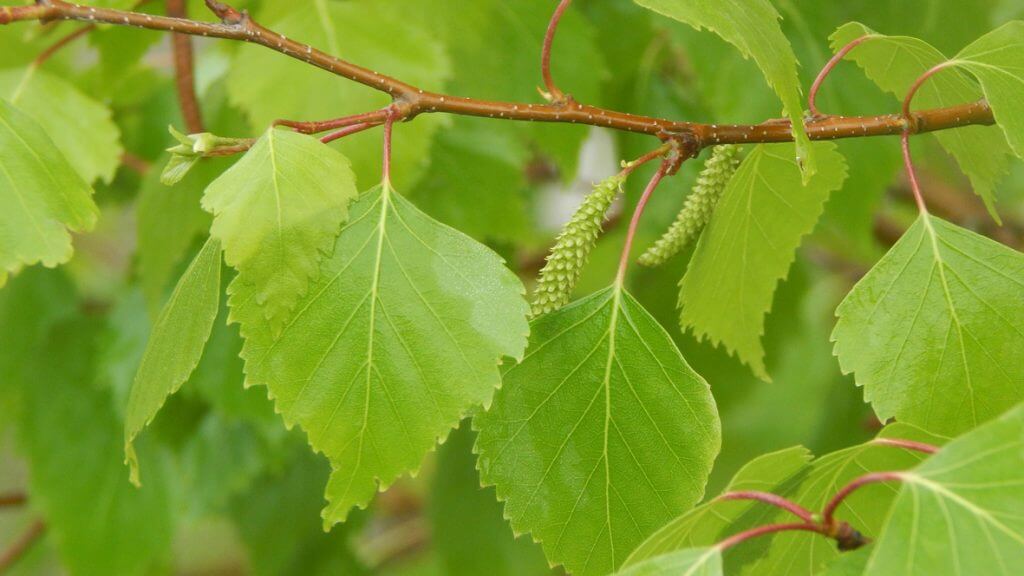
The Gray Birch tree (Betula populifolia) is a 20–30 foot deciduous species native to eastern North America, distinguished by white bark that peels in thin, papery layers and triangular leaves that turn yellow in autumn. Its shallow root system and tolerance for poor, compacted soils make it well-suited to challenging urban landscapes where other species struggle to establish.
The Gray Birch tree (Betula populifolia) stands as nature's resilient pioneer, offering unmatched beauty and environmental benefits for modern gardeners. With its distinctive white bark and rapid growth, this adaptable species transforms challenging landscapes into thriving ecosystems while supporting our mission of Combating Climate Change Through Collective Action.
Often overshadowed by majestic Oaks or elegant Maples, the Gray Birch deserves recognition as a garden hero that delivers both aesthetic appeal and ecological value. This remarkable tree proves that sometimes the most overlooked species provide the greatest impact for our planet's future.
✅ Key Characteristics of the Gray Birch Tree
The Gray Birch tree is a deciduous species native to eastern North America, perfectly adapted to thrive in diverse conditions. Reaching heights of 20 to 30 feet, this elegant tree features distinctive white bark that peels away in thin, papery layers, creating year-round visual interest in your landscape.
Its triangular to ovate leaves showcase serrated edges and transform into vibrant yellow displays each fall. The tree's shallow root system enables exceptional adaptability to compacted soils, making it ideal for urban environments where other species struggle.
What sets the Gray Birch apart is its remarkable tolerance for poor soil conditions. This resilience makes it an excellent choice for challenging landscapes, rehabilitation projects, and areas where establishing vegetation proves difficult for conventional species.
🌱 Ecological Benefits That Make a Difference
Beyond aesthetic appeal, the Gray Birch tree plays a vital role in ecosystem health. According to the United Nations Climate Change initiative, trees like the Gray Birch are essential for carbon sequestration efforts worldwide.
Carbon Sequestration Power
A mature Gray Birch tree sequesters approximately 48 pounds of carbon annually, contributing significantly to climate change mitigation. When you Plant a tree in your Name through our 2-3ft Tree Planting + 3 Years Care + GeoTag program, you're investing in measurable environmental impact.
Wildlife Habitat Support
Gray Birch trees create thriving ecosystems by supporting diverse wildlife populations. Their leaves serve as food sources for caterpillars, which attract bird species. The tree's structure provides shelter for small mammals and essential nesting sites for various bird species.
Soil Stabilization and Enhancement
The extensive root system prevents soil erosion, particularly crucial in areas prone to runoff. As leaves decompose, they enrich soil with vital nutrients, creating healthy growing conditions for surrounding vegetation.
💡 Fascinating Gray Birch Tree Facts
- Rapid Growth Rate: Reaches maturity within 10-15 years, perfect for quick landscape transformation
- Pioneer Species: Among the first trees to colonize disturbed areas, playing crucial roles in ecological succession
- Urban Adaptability: Thrives in challenging urban environments where space and soil quality are limited
- Seasonal Beauty: Provides year-round interest with white bark and brilliant fall foliage
- Lifespan: Lives 30-50 years, offering decades of environmental benefits
🌿 Historical Significance and Cultural Value
Indigenous peoples utilized Gray Birch trees for centuries, crafting canoes, baskets, and medicinal remedies from various tree parts. The bark served as material for containers and functional items, showcasing the species' versatility beyond ornamental purposes.
Colonial settlers recognized the Gray Birch's utility, frequently planting it in gardens for aesthetic appeal and rapid establishment. Its ability to thrive in less-than-ideal conditions made it invaluable for early American homesteaders establishing their lands.
Today, organizations working toward Net Zero Targets recognize the Gray Birch's continued importance in sustainable landscaping and environmental restoration projects.
⭐ Environmental Impact in Modern Landscapes
As urbanization and climate change present ongoing challenges, the Gray Birch tree's adaptability becomes increasingly valuable. The United Nations Environment Programme on Forests emphasizes the critical role of adaptable tree species in urban forestry initiatives.
The Gray Birch excels in urban environments where space limitations and soil quality issues challenge traditional landscaping approaches. Its rapid growth and tolerance for poor conditions make it ideal for rehabilitation projects and areas requiring quick vegetation establishment.
Through our goal to plant 100 crore trees, species like the Gray Birch play essential roles in creating resilient urban forests that support both environmental health and community well-being.
🌱 How to Grow and Care for Your Gray Birch Tree
Optimal Planting Conditions
Choose locations with full sun to partial shade exposure. While Gray Birch trees tolerate various soil types, they prefer well-drained soils for optimal growth and health.
Watering Requirements
Young trees require regular watering until root systems establish, typically during the first growing season. Established Gray Birch trees demonstrate excellent drought tolerance, reducing long-term maintenance needs.
Pruning Best Practices
Prune during dormant seasons to remove dead or diseased branches while maintaining desired shape. This timing minimizes stress and promotes healthy growth patterns.
Pest and Disease Management
Gray Birch trees show natural resistance to many pests, though monitoring for aphids and birch borers ensures early intervention when necessary. Regular inspections help maintain tree health and longevity.
🌍 Supporting Global Reforestation Efforts
The World Wildlife Fund's forest conservation initiatives highlight the importance of diverse tree species in global reforestation efforts. Gray Birch trees contribute to these goals through their adaptability and rapid establishment in challenging environments.
Our comprehensive environmental programs extend beyond tree planting to include Miyawaki forest creation, agroforestry programs, and urban forestry initiatives. Each Gray Birch planted contributes to larger ecosystem restoration goals while providing immediate environmental benefits.
When you choose to plant through our programs, you receive detailed tracking through GeoTag technology, ensuring transparency and measurable impact in your environmental contribution.
Further reading: Indian Birch Tree: Nature's Majestic Marvel in the Himalayas · Tibetan Birch Tree: Mystical Beauty and Ecological Benefits
Frequently Asked Questions
How fast does a Gray Birch tree grow?
Gray Birch trees are known for rapid growth, typically reaching maturity within 10-15 years. This fast growth rate makes them excellent choices for quick landscape transformation and environmental impact.
What soil conditions do Gray Birch trees prefer?
Gray Birch trees demonstrate remarkable adaptability to various soil types, including poor and compacted soils. They prefer well-drained conditions but tolerate challenging urban environments where other species struggle.
How long do Gray Birch trees live?
Gray Birch trees typically live 30-50 years, providing decades of environmental benefits including carbon sequestration, wildlife habitat, and soil stabilization throughout their lifespan.
Are Gray Birch trees good for urban environments?
Yes, Gray Birch trees excel in urban settings due to their tolerance for poor soil conditions, compact spaces, and challenging growing environments. Their shallow root system adapts well to urban constraints.
What wildlife benefits do Gray Birch trees provide?
Gray Birch trees support diverse wildlife by providing food sources for caterpillars and birds, shelter for small mammals, and nesting sites for various bird species, contributing to urban biodiversity.
How much carbon does a Gray Birch tree sequester?
A mature Gray Birch tree sequesters approximately 48 pounds of carbon annually, making significant contributions to climate change mitigation efforts when planted as part of larger reforestation initiatives.
When is the best time to plant Gray Birch trees?
Plant Gray Birch trees during spring or fall when temperatures are moderate and rainfall is adequate. This timing allows root establishment before extreme weather conditions.
Do Gray Birch trees require special care?
Gray Birch trees require minimal special care once established. Young trees need regular watering during the first season, and occasional pruning during dormant periods maintains health and shape.
Can Gray Birch trees help with soil erosion?
Yes, Gray Birch trees provide excellent soil stabilization through their extensive root systems, making them valuable for erosion control in areas prone to runoff and soil degradation.
What makes Gray Birch trees environmentally beneficial?
Gray Birch trees offer multiple environmental benefits including carbon sequestration, wildlife habitat creation, soil stabilization, and their role as pioneer species in ecosystem restoration and succession.The Gray Birch tree represents nature's perfect balance of beauty, resilience, and environmental benefit. Through our mission to plant 100 crore trees by 2030, we're creating lasting positive impact for our planet's future. Plant a tree in your Name today and join thousands of environmentally conscious individuals making a difference.Discover how you can plant your Gray Birch tree for just ₹299 and contribute to Combating Climate Change Through Collective Action while creating a beautiful, sustainable landscape for generations to enjoy.
Keep reading
 Indian Birch Tree: Nature's Majestic Marvel in the Himalayas
 Tibetan Birch Tree: Mystical Beauty and Ecological Benefits
 Silver Birch Tree: Nature's Graceful Wonder & Environmental Champion
 Birch Tree: Discover the Hidden Benefits and Beauty of Nature's Silver Sentinel
 River Birch Tree: Complete Guide to Planting & Landscape Design


Leave a comment