


Tibetan Birch Tree: Mystical Beauty and Ecological Benefits
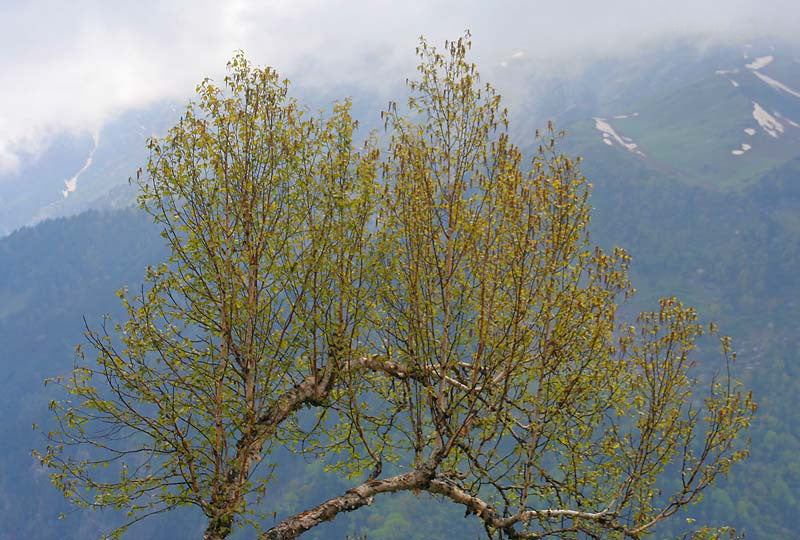
The Tibetan Birch Tree (Betula utilis) is a high-altitude Himalayan species known for its distinctive white, peeling bark and ecological significance. Native to Tibet, Nepal, and India, this tree reaches 25 metres tall and features ovate leaves that turn yellow in autumn. It plays an important role in high-altitude ecosystems and is used in traditional Tibetan architecture.
The Tibetan Birch Tree stands as one of nature's most captivating specimens, combining ethereal beauty with remarkable ecological resilience. This majestic tree, scientifically known as Betula utilis, offers stunning visual appeal while providing crucial environmental benefits that make it essential for high-altitude ecosystems and modern conservation efforts.
The Tibetan Birch Tree, scientifically known as Betula utilis, is a stunning species native to the high altitudes of the Himalayas, particularly in Tibet, Nepal, and parts of India. This tree is not only admired for its striking appearance but also revered for its ecological significance and cultural heritage.
✅ The Aesthetic Appeal of the Tibetan Birch Tree
The Tibetan Birch Tree is easily recognizable by its striking white bark, which peels away in thin, papery layers, revealing a smooth, pale surface underneath. This unique characteristic gives the tree a distinct and ethereal appearance, making it a favorite among landscape designers and nature enthusiasts alike.
The leaves of the Tibetan Birch are ovate with serrated edges, turning a brilliant yellow in the fall, adding to its visual allure. In addition to its bark and foliage, the tree can grow up to 25 meters tall, creating a majestic presence in any landscape.
The Tibetan Birch is often used in traditional Tibetan architecture and is a common feature in gardens and parks, where it provides shade and beauty. Its papery bark creates stunning visual textures that change with the seasons, making it a year-round focal point in any setting.
⭐ Historical and Cultural Significance
The Tibetan Birch Tree holds a significant place in the cultural and spiritual practices of the Tibetan people. In Tibetan Buddhism, the tree is often associated with purity and enlightenment. Its wood is used to create various traditional artifacts, including prayer wheels and sculptures.
The bark is also utilized in local crafts, adding to the tree's cultural importance. Historically, the Tibetan Birch has been an integral part of the local ecosystem, providing habitat and food for various wildlife species. The tree's seeds are a food source for birds, while its leaves and bark are used by various animals for shelter and sustenance.
In Tibetan culture, the Tibetan Birch is sometimes referred to as the "Tree of Life," symbolizing resilience and endurance against harsh mountain conditions.
💡 Ecological Benefits and Environmental Impact
The Tibetan Birch Tree plays a crucial role in its ecosystem as a pioneer species. It helps stabilize soil in mountainous regions, preventing erosion and promoting the growth of other plant species. The tree's extensive root system helps retain moisture in the soil, which is vital for maintaining the health of surrounding flora and fauna.
Moreover, the Tibetan Birch contributes to carbon sequestration, absorbing carbon dioxide from the atmosphere and helping mitigate climate change. According to the United Nations Climate Change initiative, trees like the Tibetan Birch are essential for achieving global carbon reduction goals.
Its presence in the high-altitude regions of the Himalayas is essential for maintaining biodiversity and supporting local ecosystems. The United Nations Environment Programme recognizes the critical role of mountain forests in preserving global biodiversity.
🌱 Growing Conditions and Cultivation
The Tibetan Birch Tree thrives in well-drained, sandy loam soils and prefers full sun to partial shade. It is well-adapted to cold climates and can withstand harsh weather conditions. The tree is typically found at altitudes ranging from 2,500 to 4,500 meters, making it a resilient species in the face of climate variability.
Propagation of the Tibetan Birch can be achieved through seeds or cuttings. Seeds should be sown in early spring, while cuttings can be taken in late summer. The tree requires minimal maintenance once established, making it an excellent choice for reforestation projects and home gardens alike.
Key growing requirements include:
- Soil: Well-drained, sandy loam with good organic content
- Sunlight: Full sun to partial shade exposure
- Water: Moderate moisture with good drainage
- Temperature: Cold-hardy, adapted to harsh mountain climates
- Altitude: Optimal growth between 2,500-4,500 meters
⚠️ Conservation Efforts and Environmental Challenges
As climate change continues to threaten ecosystems worldwide, the preservation of species like the Tibetan Birch Tree becomes increasingly important. The tree's ability to adapt to harsh conditions makes it a valuable asset in reforestation and conservation projects.
The World Wildlife Fund emphasizes that deforestation in high-altitude regions poses significant threats to species like the Tibetan Birch. Organizations working on reforestation projects are actively promoting the planting of Tibetan Birch and other native species in the Himalayas.
Through initiatives focused on Combating Climate Change Through Collective Action, communities can contribute to preserving these magnificent trees. The goal to plant 100 crore trees across India includes high-altitude species like the Tibetan Birch, supporting both biodiversity and climate resilience.
🌿 Benefits for Modern Landscaping and Urban Planning
The Tibetan Birch Tree offers numerous advantages for contemporary landscaping projects. Its distinctive white bark provides year-round visual interest, while its moderate size makes it suitable for urban environments. The tree's natural resistance to pollution and harsh weather conditions makes it ideal for city planning initiatives.
Landscape architects increasingly incorporate Tibetan Birch trees in:
- Urban parks and green spaces
- Residential garden designs
- Commercial property landscaping
- Sustainable architecture projects
- Climate-resilient urban forests
When you Plant a tree in your Name through programs like those offered by Grow Billion Trees, choosing native species like the Tibetan Birch supports both aesthetic and environmental goals. Our 2-3ft Tree Planting + 3 Years Care + GeoTag service ensures your Tibetan Birch receives proper establishment care.
→ Traditional Uses and Modern Applications
Beyond its ornamental value, the Tibetan Birch Tree has served multiple practical purposes throughout history. Its bark has been used for centuries in traditional medicine to treat various ailments, including skin conditions and respiratory issues. The wood is prized for its workability and is used in crafting traditional items.
Modern applications include:
- Medicinal purposes: Bark extracts for traditional remedies
- Craftsmanship: Wood for furniture and decorative items
- Paper making: Bark fibers for specialty papers
- Essential oils: Extraction for aromatherapy products
- Ecological restoration: Pioneer species for degraded land rehabilitation
🌍 Supporting Net Zero Targets Through Tree Planting
The Tibetan Birch Tree plays a vital role in helping organizations achieve their Net Zero Targets. Its impressive carbon sequestration capacity, combined with its longevity and resilience, makes it an excellent choice for corporate environmental programs and individual sustainability efforts.
For just ₹299, you can contribute to reforestation efforts by planting a Tibetan Birch tree through Grow Billion Trees. This investment includes three years of professional care and GeoTag tracking technology, ensuring your tree thrives in its mountain habitat.
Corporate partnerships focused on environmental restoration can incorporate Tibetan Birch planting into their sustainability strategies, supporting both biodiversity conservation and carbon offset goals.
Further reading: Indian Birch Tree: Nature's Majestic Marvel in the Himalayas · Gray Birch Tree: The Unsung Hero of Your Garden – Beauty & Benefits
Frequently Asked Questions
What makes the Tibetan Birch Tree unique compared to other birch species?
The Tibetan Birch Tree is distinguished by its exceptional altitude tolerance, growing successfully at elevations up to 4,500 meters. Its distinctive white, papery bark and ability to thrive in harsh mountain conditions make it uniquely adapted to Himalayan environments.
How long does it take for a Tibetan Birch Tree to mature?
A Tibetan Birch Tree typically reaches maturity in 15-20 years, depending on growing conditions. The tree begins showing its characteristic white bark within 3-5 years of planting, making it relatively quick to establish its distinctive appearance.
Can Tibetan Birch trees survive in lower altitude environments?
While Tibetan Birch trees prefer high-altitude conditions, they can adapt to lower elevations with proper care. However, they perform best in cooler climates and may struggle in hot, humid conditions typical of lower altitudes.
What wildlife benefits from Tibetan Birch trees?
Tibetan Birch trees support diverse wildlife including various bird species that feed on their seeds, small mammals that use the bark for nesting material, and insects that contribute to the broader ecosystem food chain.
How does the Tibetan Birch Tree contribute to soil conservation?
The extensive root system of Tibetan Birch trees helps prevent soil erosion on steep mountain slopes. As a pioneer species, it stabilizes disturbed soils and creates conditions favorable for other plant species to establish.
What are the traditional medicinal uses of Tibetan Birch bark?
Traditional Tibetan medicine has used birch bark for treating skin conditions, respiratory ailments, and digestive issues. The bark contains compounds with anti-inflammatory and antimicrobial properties, though modern medical consultation is recommended.
How can I participate in Tibetan Birch tree planting initiatives?
You can support Tibetan Birch conservation through Grow Billion Trees' reforestation programs. For ₹299, you can plant a tree with three years of care included, contributing to high-altitude ecosystem restoration.
What growing conditions are essential for Tibetan Birch success?
Tibetan Birch trees require well-drained, sandy loam soil, full to partial sun exposure, and cool temperatures. They're naturally adapted to harsh mountain conditions but need protection from extreme heat and poor drainage.
How do Tibetan Birch trees help combat climate change?
These trees are excellent carbon sequesters, absorbing CO2 from the atmosphere throughout their long lifespan. Their role in preventing soil erosion and supporting biodiversity also contributes to ecosystem resilience against climate change impacts.
What is the cultural significance of Tibetan Birch trees in Buddhism?
In Tibetan Buddhism, the birch tree symbolizes purity and enlightenment. Its white bark represents spiritual cleansing, and the wood is traditionally used to create prayer wheels and other sacred objects.The Tibetan Birch Tree represents a perfect harmony between natural beauty and ecological function. Its mystical appearance, combined with remarkable environmental benefits, makes it an invaluable species for both conservation efforts and landscape enhancement. Through organizations like Grow Billion Trees, we can ensure these magnificent trees continue to thrive in their native habitats while supporting global climate goals.Join our mission to plant 100 crore trees across India and discover how you can Plant a tree in your Name while contributing to biodiversity conservation. Explore our tree planting programs and become part of the solution for a greener, more sustainable future.
Keep reading
 Indian Birch Tree: Nature's Majestic Marvel in the Himalayas
 Gray Birch Tree: The Unsung Hero of Your Garden – Beauty & Benefits
 Silver Birch Tree: Nature's Graceful Wonder & Environmental Champion
 Birch Tree: Discover the Hidden Benefits and Beauty of Nature's Silver Sentinel
 River Birch Tree: Complete Guide to Planting & Landscape Design
 Bhojpatra Tree: An Ancient Manuscript of Heritage and Natural Elegance


Comments
Leave a comment