
Himalayan Oak Tree: The Majestic Guardian of the Himalayas
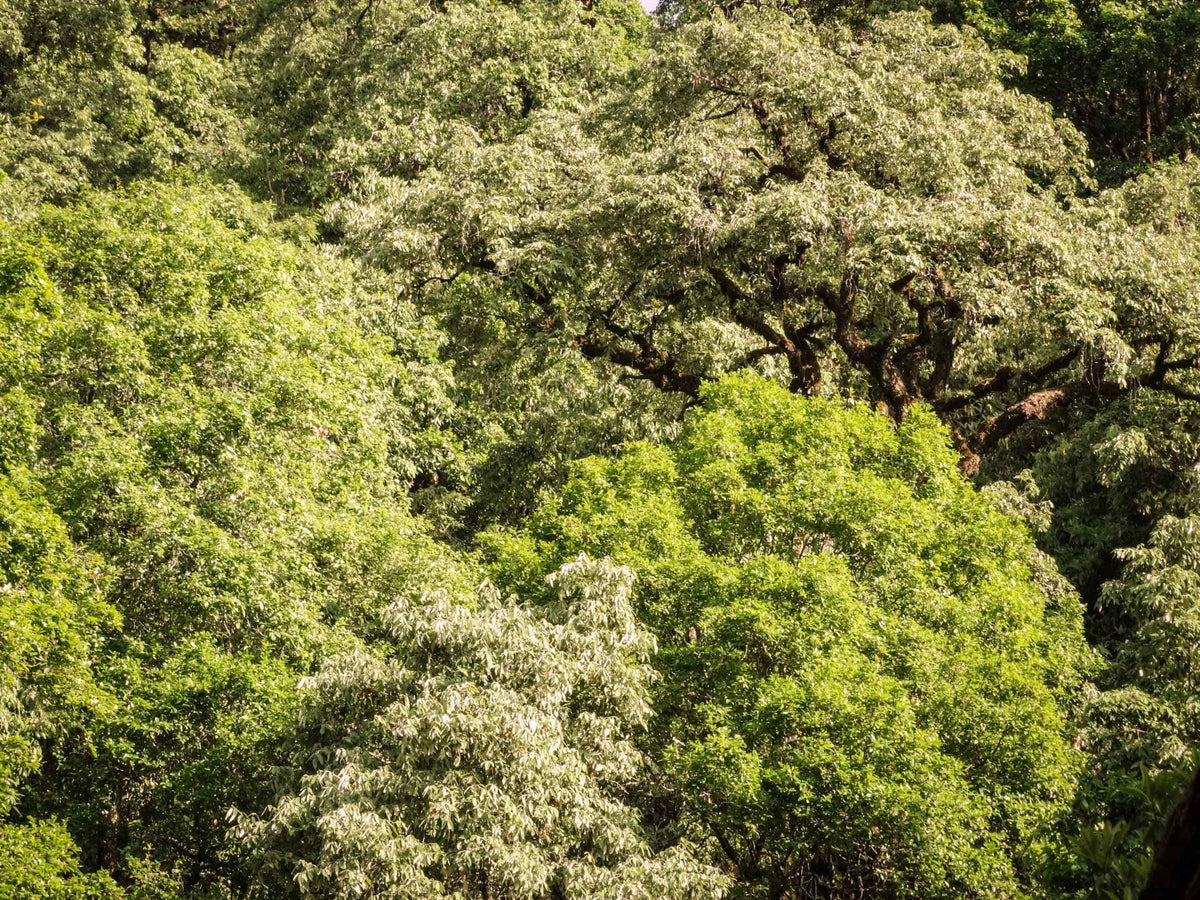
The Himalayan Oak (Quercus leucotrichophora), also known as Ban Oak, is an evergreen tree native to the sub-Himalayan regions of India, Nepal, and Bhutan. Reaching heights of up to 30 meters with lanceolate leaves growing 20 centimeters long, this keystone species plays a crucial role in supporting forest biodiversity and climate stability across mountain ecosystems.
The Himalayan Oak Tree stands as nature's resilient sentinel, protecting mountain ecosystems while providing countless benefits to both wildlife and local communities. This remarkable species, scientifically known as Quercus leucotrichophora, represents one of the most vital keystone species in the Himalayan region, supporting biodiversity and climate stability across India, Nepal, and Bhutan.
The Himalayan Oak Tree, also called "Ban Oak" or "White Oak," is not merely a beautiful sight against snow-capped mountains. It serves as a cornerstone of ecological balance, economic sustainability, and cultural heritage. According to the United Nations climate change initiatives, protecting native tree species like the Himalayan Oak is crucial for global climate action and achieving net zero targets.
✅ Scientific Classification and Remarkable Characteristics
The Himalayan Oak Tree belongs to the prestigious Fagaceae family and thrives in sub-Himalayan regions across India, Nepal, and Bhutan. This evergreen giant can reach impressive heights of up to 30 meters with trunk diameters extending to 1 meter.
Its distinctive dark green, lanceolate leaves grow up to 20 centimeters long, creating a lush canopy that provides shelter for countless wildlife species. The tree's robust structure and extensive root system make it perfectly adapted to mountain terrain challenges.
⭐ Fascinating Facts About Himalayan Oak Trees
- Can live for more than 200 years, making it one of the longest-living species in the region
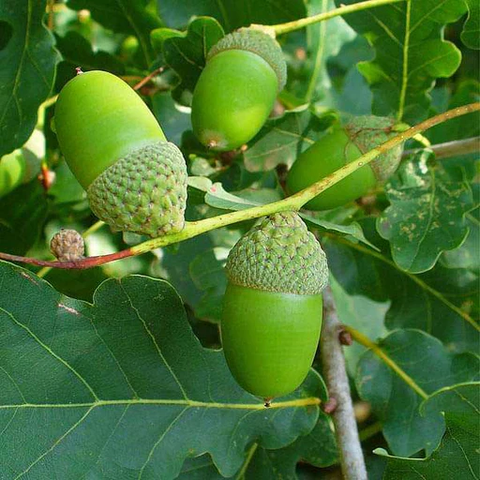
- Produces nutrient-rich acorns that feed squirrels, deer, birds, and other wildlife
- Features bark with traditional medicinal properties, particularly anti-inflammatory compounds
- Develops a massive canopy spanning up to 25 meters in diameter
- Withstands extreme weather conditions, from monsoons to harsh winters
🌿 Historical Significance and Cultural Heritage
For centuries, Himalayan communities have revered the Himalayan Oak Tree as more than just vegetation. Local tribes recognized its integral role in their survival and prosperity, weaving it deeply into their cultural fabric.
The durable wood has been the foundation of traditional construction, furniture crafting, and tool making. Women collected its leaves for livestock fodder, while families gathered acorns as nutritious food sources during harsh seasons.
Historical records reveal that Himalayan Oak wood was highly prized along ancient trade routes. Its exceptional durability made it the preferred choice for building ships and permanent structures. Local folklore celebrates this tree as a symbol of strength and endurance, featuring prominently in regional mythology.
🌍 Environmental Impact and Ecosystem Services
The Himalayan Oak Tree delivers extraordinary environmental benefits that extend far beyond its immediate habitat. The United Nations Environment Programme on forests emphasizes how native trees like the Himalayan Oak contribute significantly to global environmental stability.
Biodiversity Support and Wildlife Habitat
This magnificent tree serves as a living apartment complex for countless species. Its dense foliage provides essential shelter and nesting sites for birds, while its acorns offer vital nourishment to mammals and smaller creatures throughout the year.
Soil Conservation and Erosion Control
The Himalayan Oak's extensive root system acts as nature's anchor, preventing devastating soil erosion across hilly Himalayan terrain. This stabilization proves critical for maintaining ecosystem integrity and protecting downstream communities from landslides.
Carbon Sequestration and Climate Regulation
As a large, long-living tree, the Himalayan Oak captures substantial amounts of carbon dioxide from the atmosphere. Research indicates that mature oak trees can absorb up to 50 pounds of CO2 annually, directly supporting climate change mitigation efforts and helping achieve net zero targets.
Water Cycle Regulation
These trees facilitate crucial groundwater recharge while maintaining soil moisture levels essential for regional agriculture. Their canopy intercepts rainfall, allowing gradual water infiltration that prevents flooding while ensuring steady water supply.
💡 Medicinal Properties and Traditional Uses
Beyond ecological benefits, the Himalayan Oak Tree offers remarkable medicinal properties that traditional healers have recognized for generations. Modern scientific studies confirm the presence of powerful bioactive compounds in the bark, leaves, and acorns.
The bark contains anti-inflammatory, antioxidant, and antimicrobial compounds with potential applications in contemporary medicine. These natural compounds show promise for treating inflammation-related ailments and infections, bridging traditional knowledge with modern healthcare needs.
⚠️ Conservation Challenges and Threats
Despite its resilience, the Himalayan Oak Tree faces mounting pressures from human activities and climate change. The World Wildlife Fund highlights deforestation as a primary threat to forest ecosystems worldwide, including Himalayan oak forests.
Rapid urbanization, agricultural expansion, and unsustainable harvesting practices threaten these ancient guardians. Climate change compounds these challenges by altering precipitation patterns and temperature ranges that these trees have adapted to over millennia.
🌱 Grow Billion Trees: Combating Climate Change Through Collective Action
Organizations like Grow Billion Trees recognize the critical importance of preserving and expanding Himalayan Oak populations. Through our comprehensive tree planting programs, we offer individuals and corporations the opportunity to Plant a tree in your Name while supporting vital conservation efforts.
Our specialized programs include 2-3ft Tree Planting + 3 Years Care + GeoTag technology, ensuring your planted trees receive proper nurturing and monitoring. For just ₹299, you can contribute to our mission of planting 100 crore trees across India while directly supporting Himalayan Oak conservation.
Corporate partners working toward Net Zero Targets find our Himalayan Oak planting initiatives particularly valuable, as these trees provide exceptional carbon sequestration capabilities combined with biodiversity conservation benefits.
🏔️ Agroforestry and Sustainable Development
Integrating Himalayan Oak trees into agroforestry systems creates sustainable solutions for mountain communities. These trees enhance soil fertility, provide windbreaks for crops, and offer additional income sources through sustainable harvesting of non-timber forest products.
Farmers participating in our agroforestry programs report improved crop yields, reduced soil erosion, and enhanced water retention. The trees' deep roots access nutrients unavailable to shallow-rooted crops, creating beneficial nutrient cycling that improves overall farm productivity.
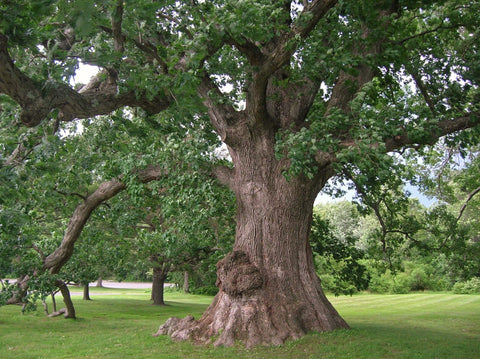
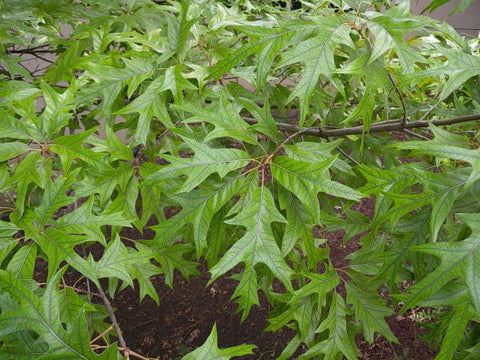
Further reading: Spanish Oak Tree: The Majestic Marvel of Nature You Must Discover! · Red Oak Tree: The Ultimate Guide to Its Majestic Beauty
Frequently Asked Questions
What makes the Himalayan Oak Tree special compared to other oak species?
The Himalayan Oak Tree is uniquely adapted to high-altitude conditions and extreme weather variations. Its evergreen nature, exceptional longevity of over 200 years, and ability to thrive in challenging mountain terrain make it irreplaceable for Himalayan ecosystems.
How does planting Himalayan Oak trees help combat climate change?
Himalayan Oak trees are exceptional carbon sinks, absorbing up to 50 pounds of CO2 annually when mature. Their long lifespan means carbon storage for centuries, while their extensive root systems prevent soil erosion and maintain forest ecosystem integrity crucial for climate stability.
Can Himalayan Oak trees be grown outside their native range?
While Himalayan Oaks are specifically adapted to sub-Himalayan conditions, they can potentially grow in similar high-altitude, temperate climates with proper care. However, they thrive best in their native range where they're naturally adapted to local soil and climate conditions.
What wildlife depends on Himalayan Oak trees for survival?
Numerous species rely on Himalayan Oaks, including Himalayan squirrels, various deer species, multiple bird species for nesting, and countless insects. The acorns provide crucial nutrition, while the dense canopy offers shelter and breeding sites for diverse wildlife.
How long does it take for a Himalayan Oak tree to mature?
Himalayan Oak trees are slow-growing but long-lived. They typically take 15-20 years to reach significant size and begin producing substantial acorn crops. Full maturity occurs around 30-40 years, after which they can live for over 200 years.
What are the traditional uses of Himalayan Oak in local communities?
Local communities have traditionally used Himalayan Oak wood for construction and furniture, leaves for livestock fodder, bark for medicinal purposes, and acorns as food during difficult seasons. The tree remains integral to mountain community livelihoods.
How can individuals contribute to Himalayan Oak conservation?
Through Grow Billion Trees, individuals can plant Himalayan Oak trees for just ₹299, including 3 years of care and GeoTag tracking. Supporting sustainable tourism, choosing eco-friendly products, and raising awareness about mountain ecosystem conservation also help protect these vital trees.
What threats do Himalayan Oak forests currently face?
Primary threats include deforestation for agriculture and development, unsustainable harvesting, climate change affecting precipitation patterns, and habitat fragmentation. Invasive species and changing land use patterns also pose significant challenges to oak forest ecosystems.
Are there any ongoing research projects studying Himalayan Oak trees?
Yes, multiple research initiatives study Himalayan Oak ecology, climate adaptation, medicinal properties, and conservation strategies. These studies focus on understanding their role in carbon sequestration, biodiversity conservation, and sustainable forest management practices.
How do Himalayan Oak trees contribute to watershed protection?
Himalayan Oaks play crucial roles in watershed protection through their extensive root systems that prevent erosion, canopy interception that regulates water flow, and soil organic matter contribution that enhances water retention and filtration capabilities.The Himalayan Oak Tree represents more than just a forest giant – it embodies the interconnected relationship between nature, climate, and human communities. By supporting conservation efforts through organizations like Grow Billion Trees, we can ensure these majestic guardians continue protecting mountain ecosystems for generations to come. Discover how you can plant your own tree and join our mission of Combating Climate Change Through Collective Action while preserving one of nature's most remarkable species.



Leave a comment