
Red Oak Tree: The Ultimate Guide to Its Majestic Beauty
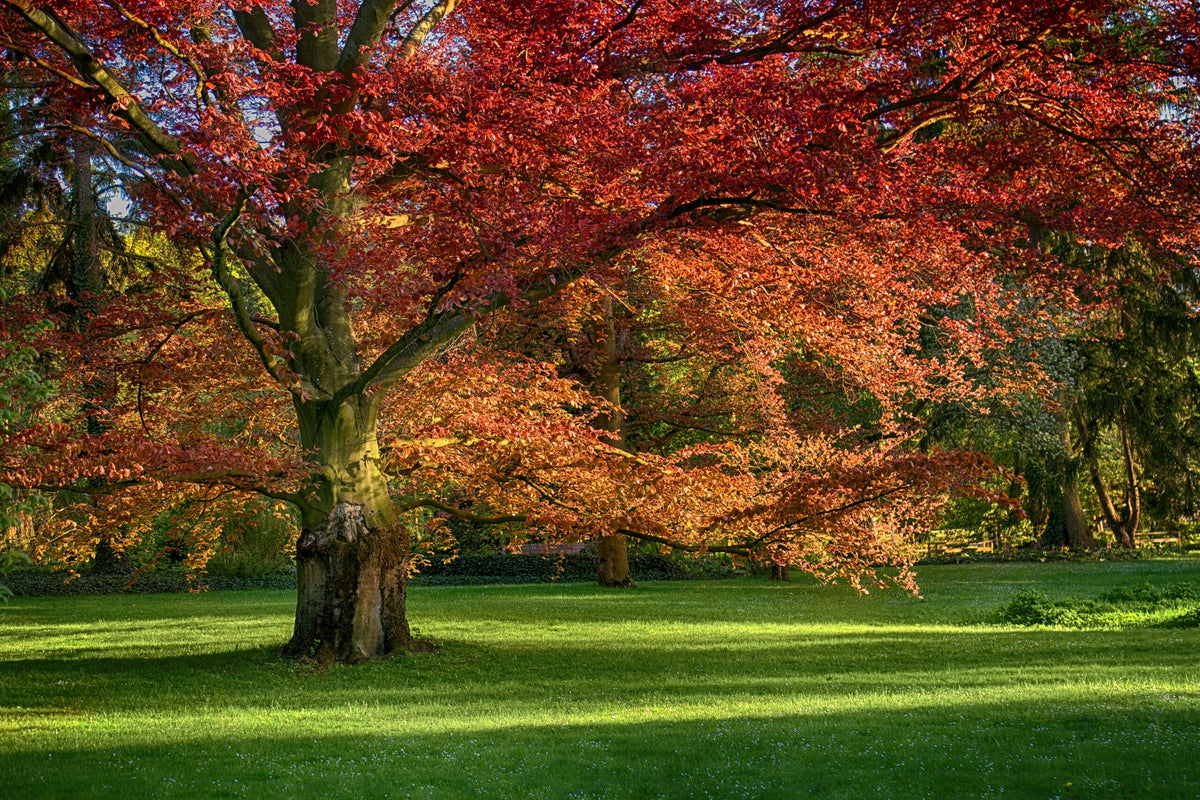
The Red Oak (Quercus rubra) is a native North American deciduous tree that grows up to 75 feet tall, with leaves featuring 7 to 11 lobes that turn red and orange in autumn. Its bark develops deep ridges and furrows with age. The tree supports wildlife, improves air quality, and provides environmental benefits.
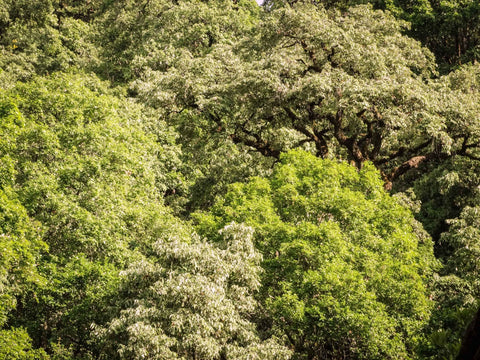
The Red Oak tree (Quercus rubra) stands as one of North America's most magnificent native species, captivating nature enthusiasts with its stunning fall foliage, robust growth, and ecological significance. This majestic deciduous giant can grow up to 75 feet tall with a trunk diameter of 2 to 3 feet, creating a broad, rounded crown that provides exceptional shade and beauty to any landscape.
Known for its distinctive leaves featuring 7 to 11 lobes with deep sinuses, the Red Oak tree transforms into a spectacular display of brilliant red and orange hues each autumn. Beyond its aesthetic appeal, this remarkable tree serves as a vital component of our ecosystem, supporting wildlife, improving air quality, and contributing to environmental sustainability.
✅ Characteristics of the Red Oak Tree
The Red Oak tree exhibits remarkable characteristics that make it a standout choice for both natural forests and cultivated landscapes. This deciduous powerhouse belongs to the family Fagaceae and is native to eastern and central North America, where it has thrived for centuries.
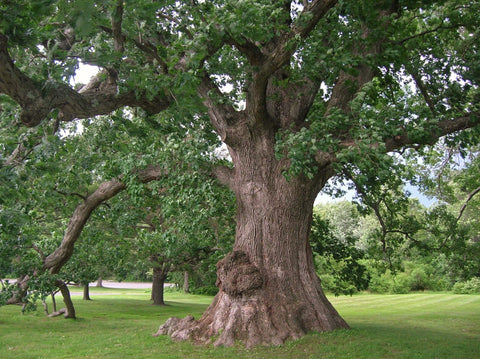
Physical Attributes: Red Oak trees typically reach heights of 50-75 feet at maturity, with some specimens growing even taller under optimal conditions. Their distinctive bark develops deep ridges and furrows as the tree ages, creating an attractive textured appearance that adds visual interest throughout all seasons.
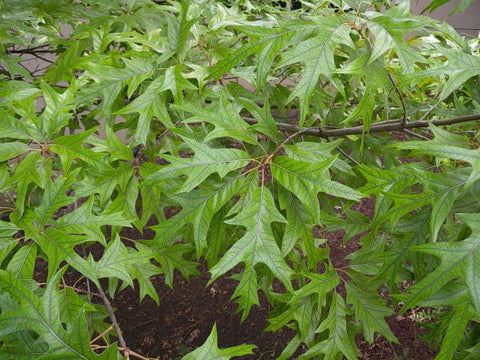
The leaves are perhaps the most recognizable feature, measuring 5-9 inches long with their characteristic lobed shape. Each leaf displays 7-11 pointed lobes separated by deep sinuses, creating an elegant silhouette that becomes even more striking when the foliage transforms to vibrant reds and oranges in fall.
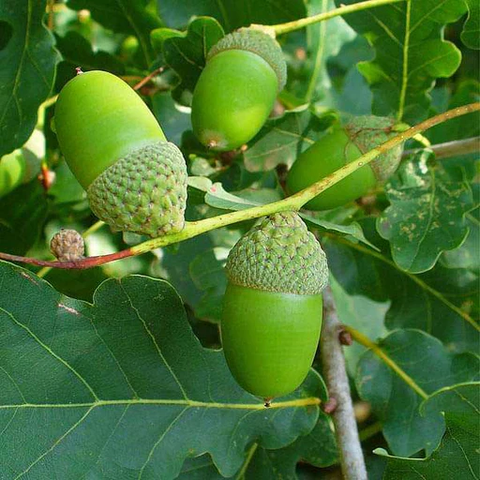
Acorn Production: Red Oak trees produce acorns that serve as a crucial food source for wildlife. These nuts take two years to mature and are larger than those of white oaks, measuring about 1 inch in length with a shallow cap covering only the top quarter of the acorn.
⭐ Scientific Data and Fascinating Facts
Understanding the scientific aspects of the Red Oak tree reveals why this species has become such an integral part of North American ecosystems. Here are key facts that highlight its remarkable nature:
- Scientific Classification: Quercus rubra belongs to the Fagaceae family and represents one of the most important oak species in North America
- Growth Rate: Red Oak trees demonstrate impressive growth rates, typically adding 2-3 feet in height annually under favorable conditions
- Longevity: These magnificent trees can live for over 200 years, with some specimens reaching 300 years or more
- Wood Quality: Red Oak wood is highly prized for its strength, durability, and attractive grain patterns, making it valuable for furniture, flooring, and construction
- Wildlife Support: A single mature Red Oak tree can support over 500 species of moths and butterflies, plus numerous birds, mammals, and other creatures
According to the United Nations Environment Programme's forest conservation initiatives, native oak species like the Red Oak play crucial roles in maintaining biodiversity and ecosystem stability across their natural ranges.
🌿 Historical Significance and Cultural Impact
The Red Oak tree holds deep historical significance in North American culture and has played vital roles in human civilization for centuries. Native American tribes utilized Red Oak acorns as an important food source, processing them to remove tannins and create nutritious meals that sustained communities through harsh winters.
Early European settlers quickly recognized the exceptional qualities of Red Oak wood, utilizing it for constructing homes, ships, and essential tools. The tree's strength and durability made it invaluable for building the infrastructure of growing settlements across the continent.
State Recognition: The Red Oak serves as the official state tree of New Jersey, symbolizing strength, endurance, and natural beauty. Its majestic presence has inspired countless works of literature and art, representing the enduring power of nature and the importance of environmental conservation.
🌍 Environmental Impact and Ecological Benefits
Red Oak trees provide numerous environmental benefits that extend far beyond their visual appeal. These ecological powerhouses contribute significantly to environmental health and sustainability through various mechanisms.
Air Quality Improvement: A mature Red Oak tree can absorb approximately 48 pounds of carbon dioxide annually while producing enough oxygen to support two people for an entire year. This natural air purification process helps combat climate change and improves local air quality.
Soil Conservation: The extensive root system of Red Oak trees, which can spread 2-3 times wider than the tree's canopy, provides exceptional soil stabilization. These roots prevent erosion, improve soil structure, and enhance water infiltration rates.
The United Nations climate change initiatives emphasize the critical role that mature trees like Red Oaks play in carbon sequestration and climate regulation efforts worldwide.
Urban Heat Island Reduction: In urban environments, Red Oak trees can reduce surrounding temperatures by 2-8 degrees Fahrenheit through evapotranspiration and shade provision. This natural cooling effect helps reduce energy consumption and creates more comfortable living conditions.
💡 Benefits of Planting Red Oak Trees
Incorporating Red Oak trees into your landscape design offers numerous advantages that enhance both property value and environmental sustainability. Here are the key benefits of choosing this magnificent species:
- Aesthetic Enhancement: Red Oak trees provide year-round visual interest, from spring's fresh green foliage to autumn's spectacular color display
- Property Value Increase: Mature trees can increase property values by 10-15%, making Red Oaks an excellent long-term investment
- Energy Savings: Strategic placement of Red Oak trees can reduce cooling costs by up to 30% during summer months
- Wildlife Habitat Creation: These trees attract diverse wildlife species, creating vibrant ecosystems that support local biodiversity
- Noise Reduction: Dense foliage helps buffer noise pollution, creating quieter, more peaceful environments
According to the World Wildlife Fund's forest conservation programs, planting native species like Red Oaks supports ecosystem restoration and helps combat the effects of deforestation.
🌱 Comprehensive Care Tips for Red Oak Trees
Proper care ensures your Red Oak tree thrives and provides maximum benefits for decades to come. Follow these expert guidelines for optimal tree health and growth:
→ Optimal Planting Location Selection
Choose a location that receives full sun to partial shade, with at least 6 hours of direct sunlight daily. Red Oak trees prefer well-drained, loamy soil with a pH between 6.0-7.0, though they can adapt to various soil conditions including clay and sandy soils.
Ensure adequate space for mature growth, allowing at least 40-50 feet between trees and 20-30 feet from buildings or power lines. Consider the tree's eventual size when planning placement to avoid future conflicts with infrastructure.
→ Proper Watering Techniques
During the first 2-3 years after planting, provide consistent moisture through deep, weekly watering sessions. Apply 15-20 gallons of water slowly around the root zone, allowing proper absorption without creating waterlogged conditions.
Once established, Red Oak trees demonstrate excellent drought tolerance, though supplemental watering during extended dry periods promotes optimal health and growth rates.
→ Fertilization and Soil Management
Apply a balanced, slow-release fertilizer in early spring to support healthy growth. Conduct soil tests every 2-3 years to determine specific nutrient needs and adjust fertilization programs accordingly.
Maintain a 2-3 inch layer of organic mulch around the base, extending to the drip line while keeping mulch 3-4 inches away from the trunk to prevent pest and disease issues.
→ Pruning and Structural Development
Prune young Red Oak trees during dormant seasons to establish strong branch structure and remove competing leaders. Focus on removing dead, diseased, or crossing branches while maintaining the tree's natural form.
Avoid heavy pruning during active growing seasons, as Red Oaks are susceptible to oak wilt disease, which spreads more readily through fresh wounds during warm months.
⚠️ Pest and Disease Management
Red Oak trees face several common threats that require monitoring and proactive management. Understanding these challenges helps ensure long-term tree health and vitality.
Oak Wilt Disease: This fungal disease poses the most serious threat to Red Oak trees. Symptoms include wilting leaves, brown leaf margins, and rapid decline. Prevention through proper pruning timing and wound treatment is essential.
Common Pests: Monitor for aphids, scale insects, and oak leaf caterpillars. Early detection and appropriate treatment prevent significant damage and maintain tree vigor.
Implement integrated pest management strategies that prioritize biological controls and targeted treatments while minimizing environmental impact.
🌟 Grow Billion Trees: Combating Climate Change Through Collective Action
At Grow Billion Trees, we recognize the extraordinary value of native species like the Red Oak tree in our mission to plant 100 crore trees across India. While Red Oaks are native to North America, our commitment to reforestation includes supporting diverse native species that provide similar ecological benefits in their respective regions.
Our comprehensive approach includes 2-3ft Tree Planting + 3 Years Care + GeoTag technology, ensuring every tree planted through our programs receives the attention needed for successful establishment. When you Plant a tree in your Name for just ₹299, you contribute to our goal of achieving Net Zero Targets while supporting biodiversity conservation.
Through partnerships with corporations, individuals, and communities, we're creating sustainable forests that provide the same environmental benefits as Red Oak forests do in North America—carbon sequestration, wildlife habitat, and ecosystem restoration.
Further reading: White Oak Tree: The Majestic Marvel of Nature and Its Garden Benefits · Spanish Oak Tree: The Majestic Marvel of Nature You Must Discover!
Frequently Asked Questions
How fast do Red Oak trees grow?
Red Oak trees are considered fast-growing, typically adding 2-3 feet in height annually under optimal conditions. Young trees may grow even faster with proper care, adequate water, and nutrient-rich soil.
When do Red Oak trees produce acorns?
Red Oak trees begin producing acorns when they reach 20-25 years of age. Acorn production occurs in cycles, with heavy crops every 2-3 years and lighter production in intervening years.
What soil conditions do Red Oak trees prefer?
Red Oak trees thrive in well-drained, loamy soils with pH levels between 6.0-7.0. However, they demonstrate remarkable adaptability and can tolerate various soil types, including clay and sandy soils.
How long do Red Oak trees live?
Red Oak trees are long-lived species that commonly reach 200-300 years of age under natural conditions. Some exceptional specimens have been documented living over 400 years.
Are Red Oak trees good for urban environments?
Yes, Red Oak trees adapt well to urban conditions and provide excellent benefits including air purification, temperature moderation, and stormwater management. Their tolerance for various soil conditions makes them suitable for city planting.
What wildlife depends on Red Oak trees?
Red Oak trees support over 500 species of moths and butterflies, plus numerous birds, squirrels, deer, and other mammals. The acorns provide crucial food sources for wildlife, especially during winter months.
When is the best time to plant Red Oak trees?
The optimal planting time for Red Oak trees is during fall or early spring when temperatures are moderate and rainfall is typically more abundant, allowing roots to establish before extreme weather conditions.
How much space does a Red Oak tree need?
Mature Red Oak trees require 40-50 feet of spacing from other large trees and at least 20-30 feet clearance from buildings or power lines to accommodate their full canopy spread.
Do Red Oak trees require special care?
While Red Oak trees are relatively low-maintenance once established, they benefit from proper planting location selection, adequate watering during establishment, and monitoring for oak wilt disease and other common issues.
Can Red Oak trees be grown from acorns?
Yes, Red Oak trees can be successfully grown from acorns. Fresh acorns should be planted immediately after collection in fall, as they lose viability quickly and cannot be stored long-term like white oak acorns.The Red Oak tree represents nature's perfect combination of beauty, strength, and ecological value. Whether you're planning a landscape design, supporting reforestation efforts, or simply appreciating the natural world, these magnificent trees offer unparalleled benefits that last for generations. Discover how you can contribute to global reforestation efforts and help create a more sustainable future through tree planting initiatives that support biodiversity and combat climate change.


Comments
Leave a comment