
Indian Laurel Fig Tree: Complete Care Guide & Benefits
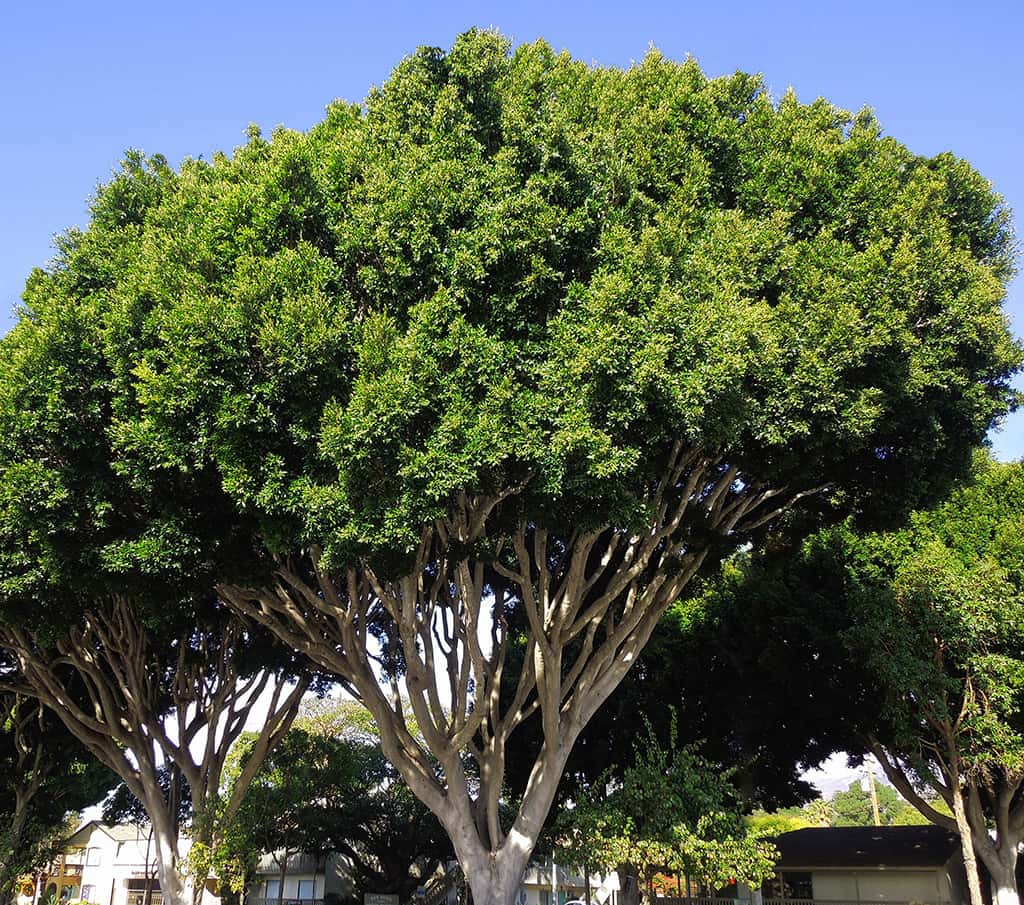
The Indian Laurel Fig Tree (Ficus microcarpa) is a fast-growing evergreen native to tropical Asia, reaching up to 60 feet tall. It features glossy leaves and aerial roots that anchor it securely in soil. The tree excels at providing shade, cooling benefits, and supporting biodiversity preservation—making it valuable for environmental restoration.
The Indian Laurel Fig Tree (Ficus microcarpa) stands as nature's testament to resilience and adaptability. This remarkable evergreen species, native to tropical regions of Asia, offers homeowners and environmentalists an exceptional opportunity to Plant a tree in your Name while contributing to environmental restoration. With proper care, this magnificent tree can transform any landscape into a thriving ecosystem.
✅ What Makes the Indian Laurel Fig Tree Special
The Indian Laurel Fig Tree belongs to the Moraceae family and represents one of nature's most adaptable species. This fast-growing evergreen can reach impressive heights of up to 60 feet in natural conditions, creating a dense canopy that provides exceptional shade and cooling benefits.
Its glossy, dark green leaves grow up to 4 inches long, creating an elliptical pattern that adds visual appeal to any garden. The tree's most distinctive feature includes aerial roots that descend from branches, anchoring securely into soil below. This unique adaptation makes the Indian Laurel Fig Tree incredibly resilient to storms and strong winds.
According to the United Nations Environment Programme's forest conservation initiatives, trees like the Indian Laurel Fig play crucial roles in ecosystem restoration and biodiversity preservation.
⭐ Environmental Benefits and Impact
The Indian Laurel Fig Tree serves as a powerful ally in Combating Climate Change Through Collective Action. Its environmental contributions extend far beyond aesthetic appeal, making it an ideal choice for achieving Net Zero Targets.
Air Quality Improvement
This natural air filter absorbs harmful pollutants while releasing oxygen. Research shows that mature trees can filter up to 48 pounds of carbon dioxide annually. The United Nations Climate Change Action emphasizes how urban forestry projects significantly improve air quality in metropolitan areas.
Ecosystem Support
The tree's dense foliage provides habitat for various species including birds, insects, and small mammals. Its small fig-like fruits serve as food sources for local wildlife, supporting biodiversity in urban and rural environments.
Soil Conservation
The extensive root system prevents soil erosion while improving soil structure. This makes the Indian Laurel Fig Tree particularly valuable for landscape restoration projects and environmental rehabilitation efforts.
💡 Complete Care Guide for Indian Laurel Fig Trees
Caring for your Indian Laurel Fig Tree requires understanding its specific needs. With our comprehensive 2-3ft Tree Planting + 3 Years Care + GeoTag program, you receive expert guidance throughout your tree's establishment period.
→ Location and Sunlight Requirements
Choose locations with full sun to partial shade exposure. While adaptable to various light conditions, the Indian Laurel Fig Tree thrives in bright, indirect sunlight. Avoid areas with extreme temperature fluctuations or prolonged frost exposure.
→ Soil Preparation and Requirements
The tree adapts to various soil types but prefers well-draining soil rich in organic matter. For optimal growth:
- Ensure proper drainage to prevent root rot
- Amend poor soil with compost or organic matter
- Maintain soil pH between 6.0 and 7.5
- Test soil quality before planting
→ Watering and Irrigation
Establish consistent watering schedules, especially during establishment. Keep soil moist but not waterlogged. During growing seasons, water deeply once or twice weekly. Reduce frequency during dormant periods while maintaining adequate moisture levels.
→ Fertilization Schedule
Apply balanced, slow-release fertilizer during spring and summer months. Use organic fertilizers when possible to support soil health. Avoid over-fertilization which can promote excessive growth at the expense of root development.
→ Pruning and Maintenance
Prune during late winter or early spring before new growth begins. Remove dead, diseased, or crossing branches. Shape the canopy to maintain desired form while preserving the tree's natural growth pattern.
⚠️ Common Challenges and Solutions
While the Indian Laurel Fig Tree demonstrates remarkable resilience, understanding potential challenges ensures successful cultivation.
Pest Management
Monitor for common pests including aphids, spider mites, and scale insects. Use integrated pest management approaches, starting with natural predators before considering organic treatments like neem oil or insecticidal soap.
Disease Prevention
Prevent fungal issues through proper air circulation and avoiding overhead watering. Remove infected plant material promptly and apply appropriate organic fungicides when necessary.
Root Management
In urban settings, manage aggressive root growth through root barriers or container planting. Regular root pruning may be necessary for potted specimens.
🌱 Growing Indian Laurel Fig Trees in Different Climates
The Indian Laurel Fig Tree's adaptability makes it suitable for various climate zones. Understanding regional considerations ensures optimal growth and longevity.
Tropical and Subtropical Regions
In natural habitats, these trees thrive with minimal intervention. Focus on proper spacing and occasional pruning to maintain desired size and shape.
Temperate Climates
Provide winter protection in areas with frost. Consider container growing for flexibility in moving plants to protected areas during extreme weather.
Urban Environments
Select appropriate varieties for street planting. Consider mature size when planning placement near buildings, utilities, or walkways.
🌍 Cultural and Historical Significance
The Indian Laurel Fig Tree holds deep cultural significance across Asian societies. In India, these trees are often found in temple complexes and sacred groves, symbolizing resilience, longevity, and spiritual connection to nature.
Traditional medicine systems have utilized various parts of the tree for their anti-inflammatory and antimicrobial properties. This historical usage demonstrates the tree's value beyond ornamental purposes.
The World Wildlife Fund's forest conservation programs recognize the importance of preserving native species like the Indian Laurel Fig Tree for maintaining cultural heritage and biodiversity.
🏙️ Urban Forestry and Landscaping Applications
City planners and landscapers increasingly choose Indian Laurel Fig Trees for urban forestry projects. Their tolerance for pollution, compact root systems, and excellent shade provision make them ideal for:
- Street tree plantings
- Park and recreational areas
- Commercial landscape projects
- Residential garden centerpieces
- Green infrastructure initiatives
These applications support our mission of planting 100 crore trees across India while creating sustainable urban environments.
🌿 Propagation and Multiplication Methods
Understanding propagation techniques enables gardeners to multiply their Indian Laurel Fig Tree collections sustainably.
Cutting Propagation
Take 6-8 inch semi-hardwood cuttings during growing season. Dip in rooting hormone and plant in well-draining potting mix. Maintain consistent moisture and humidity until roots establish.
Air Layering
This traditional method works well for Indian Laurel Fig Trees. Select healthy branches, create wounds, apply rooting hormone, and wrap with moist sphagnum moss. Roots typically develop within 6-8 weeks.
Seed Germination
While possible, seed propagation is less common due to variable germination rates. Fresh seeds germinate better than stored ones. Maintain warm, humid conditions for optimal results.
💚 Supporting Conservation Through Tree Planting
Organizations like Grow Billion Trees are revolutionizing environmental conservation through accessible tree planting programs. For just ₹299, you can Plant a tree in your Name and contribute to our goal of planting 1 billion trees by June 2030.
Our specialized programs include:
- Miyawaki forest creation for rapid ecosystem development
- Urban forestry projects in cities like Mumbai, Bangalore, and Delhi
- Agroforestry programs supporting farmers
- Corporate partnerships for achieving sustainability goals
- Memorial and gift tree planting services
Each tree comes with GeoTag technology, allowing you to track your tree's growth and impact over time.
Further reading: Laurel Fig Tree: Unlocking Stunning Beauty & Health Benefits · Indian Laurel Tree: Discover the Hidden Benefits and Cultural Significance of This Remarkable Plant
Frequently Asked Questions
How fast does an Indian Laurel Fig Tree grow?
Indian Laurel Fig Trees are fast-growing species, typically adding 2-3 feet per year under optimal conditions. Young trees establish quickly and can reach significant size within 5-7 years.
Can Indian Laurel Fig Trees survive in pots?
Yes, these trees adapt well to container growing. Choose large pots with excellent drainage and be prepared for regular root pruning to maintain manageable size.
Are Indian Laurel Fig Tree roots invasive?
While the root system is extensive, it's generally not considered invasive. However, plant at appropriate distances from structures and utilities to prevent potential issues.
What's the lifespan of an Indian Laurel Fig Tree?
With proper care, these trees can live for several decades, often exceeding 50-100 years. Some specimens in natural habitats are centuries old.
Do Indian Laurel Fig Trees require special winter care?
In tropical regions, no special winter care is needed. In temperate areas, protect from frost and consider mulching around the base for root protection.
How much space does an Indian Laurel Fig Tree need?
Allow at least 15-20 feet spacing for proper canopy development. Consider mature size when planning placement near buildings or other structures.
Can I grow Indian Laurel Fig Trees indoors?
Young trees can be grown indoors as houseplants, but they'll eventually need outdoor space. Provide bright, indirect light and regular pruning to maintain size.
What wildlife benefits from Indian Laurel Fig Trees?
Birds, insects, and small mammals benefit from the habitat and food sources provided. The trees support local biodiversity and ecosystem health.
Are there different varieties of Indian Laurel Fig Trees?
Several cultivars exist, including dwarf varieties and those with different leaf characteristics. Choose varieties suited to your specific climate and space requirements.
How do I know if my Indian Laurel Fig Tree is healthy?
Healthy trees display vibrant green foliage, steady growth, and resistance to pests. Monitor for yellowing leaves, stunted growth, or pest infestations as signs of stress. The Indian Laurel Fig Tree represents an exceptional choice for anyone seeking to contribute to environmental restoration while enjoying the benefits of a beautiful, resilient tree. Through proper care and understanding of its requirements, this remarkable species can thrive in diverse conditions while supporting local ecosystems and wildlife. Join our mission to create a greener future by planting your Indian Laurel Fig Tree today. Together, we can achieve our goal of planting 100 crore trees and make a lasting impact on our planet's health and sustainability.
Keep reading
 Laurel Fig Tree: Unlocking Stunning Beauty & Health Benefits
 Indian Laurel Tree: Discover the Hidden Benefits and Cultural Significance of This Remarkable Plant
 Cuban Laurel Tree: Unveiling Nature's Majestic Evergreen Secrets
 California Laurel Tree: Unlocking Nature's Aromatic Wonder
 Mountain Laurel Tree: The Ultimate Guide to Cultivating Nature's Stunning Beauty
 Which Indian Tree Produces the Most Oxygen? Top 8 Species


Leave a comment