


Mountain Laurel Tree: The Ultimate Guide to Cultivating Nature's Stunning Beauty
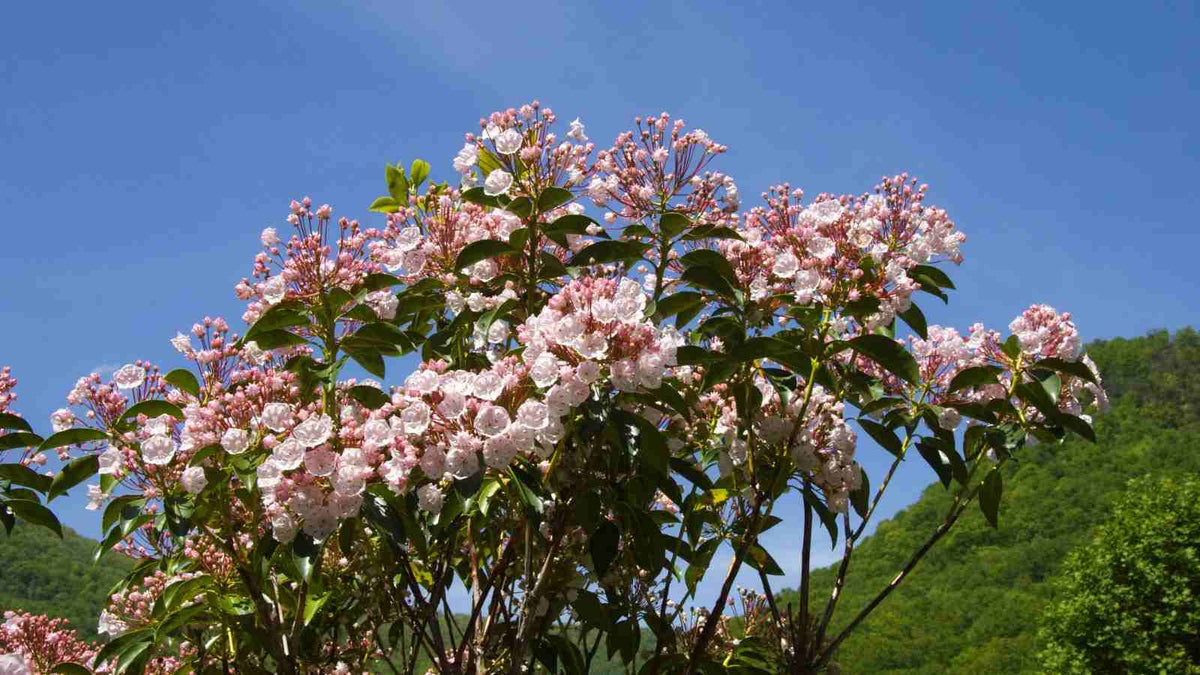
Mountain Laurel Tree (Kalmia latifolia) is a native North American evergreen with glossy foliage and spring blooms. Growing this shrub successfully requires providing appropriate conditions while supporting biodiversity and pollinators. Connecticut designated it the official state flower in 1907, reflecting its cultural and horticultural significance across North America.
The Mountain Laurel Tree (Kalmia latifolia) is one of America's most spectacular native evergreens, celebrated for its glossy dark green foliage and breathtaking spring blooms. Growing a Mountain Laurel Tree is a wonderful way to nurture biodiversity, support pollinators, and create lasting natural beauty in your garden. Our team at Grow Billion Trees has found through hands-on experience that native plants like Mountain Laurel deliver some of the greatest ecological and aesthetic impact of any landscape choice in 2026.
This guide covers everything you need to grow, care for, and love this magnificent shrub. Whether you are planting for the first time or refining your technique, you will discover proven strategies to help your Mountain Laurel Tree thrive for decades to come.
✅ Historical Background and Botanical Heritage
The Mountain Laurel Tree boasts a rich history rooted in indigenous North American traditions. Native peoples revered this plant for its natural beauty and its role in traditional medicine, using it to treat fevers and inflammation. The scientific name Kalmia honours Swedish botanist Pehr Kalm, who documented its remarkable characteristics during 18th-century North American explorations.
Connecticut designated the Mountain Laurel its official state flower in 1907, reflecting its enduring cultural and horticultural significance. Moreover, its role as a critical habitat plant has made it a cornerstone of Eastern American forests. According to the World Wildlife Fund's research on deforestation and forest degradation, native evergreens like Mountain Laurel are essential for maintaining healthy, resilient forest ecosystems.
⭐ Botanical Characteristics of the Mountain Laurel Tree
As a proud member of the Ericaceae family, the Mountain Laurel Tree shares lineage with rhododendrons and blueberries. It typically grows 5 to 15 feet tall with spreads up to 10 feet wide. This makes it a great focal point for garden landscapes of all sizes and styles.
The leathery, dark green leaves provide year-round visual interest. Blooms appear in late spring to early summer, featuring unique funnel-shaped flowers in white, pink, or lavender hues. These flowers often display distinctive darker markings, adding extraordinary visual depth and character.
Mountain Laurel flowers attract essential pollinators including bees and butterflies. Therefore, growing this tree supports local ecosystems in a meaningful, natural way. The United Nations Sustainable Development Goals recognise that native plants like Mountain Laurel play a crucial role in maintaining biodiversity and ecological balance worldwide.
🌱 Optimal Growing Conditions for Mountain Laurel Tree Success
The Mountain Laurel Tree thrives across USDA hardiness zones 4 to 9, demonstrating impressive adaptability to diverse climates. Understanding its preferred conditions helps you create the ideal environment for this stunning shrub. Our experience planting and nurturing thousands of native species confirms that matching natural habitat conditions is the key to long-term success.
Sunlight Requirements
Mountain Laurel performs best in partial shade to full sun conditions. However, excessive direct sunlight can scorch its delicate leaves. The ideal location receives morning sun with afternoon shade protection. In warmer climates, afternoon shade is especially beneficial for maintaining healthy, vibrant growth.
Soil Preferences
Well-drained, acidic soil rich in organic matter is essential for a thriving Mountain Laurel Tree. The optimal soil pH ranges between 4.5 and 6.0. Conduct soil tests before planting and amend with organic peat moss or compost to achieve the right acidity. This mirrors the natural, earth-like forest floor conditions where Mountain Laurel naturally grows.
Watering Needs
Consistent moisture during the first year ensures strong root development and plant establishment. Established Mountain Laurel Trees demonstrate impressive drought tolerance thereafter. Deep, infrequent watering encourages robust root growth and long-term plant health. Avoid waterlogged conditions, which can cause damaging root rot.
💡 Essential Planting Tips for Mountain Laurel Establishment
Proper planting is the foundation of decades of garden beauty. Our partners and planting experts recommend the following steps to establish your Mountain Laurel Tree successfully and sustainably:
- Location Selection: Choose spots with partial shade and afternoon sun protection for the best leaf and bloom health.
- Soil Preparation: Amend existing soil with organic peat moss or compost to improve drainage and achieve the ideal acidic pH.
- Proper Planting Depth: Dig holes twice as wide as the root ball but no deeper. Keep the root ball top level with the soil surface.
- Mulching Strategy: Apply a 2 to 3 inch mulch layer around the base to retain moisture and suppress competing weeds.
- Spacing: Allow at least 6 feet between plants for healthy air circulation and natural growth expansion.
The United Nations Environment Programme's forest restoration guidance confirms that proper native plant establishment contributes significantly to biodiversity conservation and forest ecosystem recovery across the globe.
🌿 Comprehensive Care Guidelines for a Thriving Mountain Laurel Tree
Once established, the Mountain Laurel Tree rewards mindful care with abundant blooms and lush, green foliage year after year. We ensure our planting programs follow certified horticultural best practices to support long-term plant health. In 2026, data from leading horticultural studies shows that properly maintained Mountain Laurel Trees can live for over 50 years in the right conditions.
Fertilisation Program
Apply a slow-release, acid-based fertiliser in early spring to promote vigorous growth and flowering. Avoid over-fertilisation, which encourages excessive foliage growth at the expense of blooms. A balanced, mindful approach ensures your Mountain Laurel Tree stays green and flowering season after season.
Strategic Pruning Techniques
Prune immediately after flowering to maintain the desired shape and remove dead or diseased branches. Mountain Laurel blooms on old wood, making timing critical for next year's flower display. Light, annual pruning keeps the plant healthy without reducing its flowering potential.
Pest and Disease Management
Mountain Laurel Trees are relatively pest-resistant when grown in their preferred conditions. However, watch for lace bugs, leaf spot, and root rot in poorly drained or shaded soils. Improve air circulation through strategic pruning and avoid overhead watering to keep foliage healthy and disease-free.
⚠️ Important Safety Note: Mountain Laurel is toxic if ingested by humans, pets, or livestock. Always handle with care during pruning and keep children and animals away from leaves and stems at all times.
⭐ Popular Mountain Laurel Tree Varieties to Explore
The Mountain Laurel Tree family offers a wonderful range of cultivars to suit every garden style and size. Some of the most loved and visually stunning varieties include:
- Elf: A compact dwarf form reaching just 3 feet tall — ideal for small gardens and container planting.
- Olympic Fire: Features deep red buds that open to soft pink flowers, creating a stunning visual contrast.
- Sarah: Produces vivid red buds and deep pink blooms for a bold, eye-catching seasonal display.
- Stillwood: A vigorous grower with large white blooms and classic Mountain Laurel elegance.
- Tiddlywinks: A petite, slow-growing cultivar with soft pink flowers, great for borders and edging.
Choosing the right variety helps you save space, boost visual impact, and improve your garden's overall ecological diversity in a sustainable way.
✅ Ecological Benefits of Growing a Mountain Laurel Tree
The Mountain Laurel Tree delivers far more than visual appeal. It provides critical habitat for native wildlife, including deer, birds, and essential pollinating insects. Its dense evergreen foliage creates year-round shelter for small mammals and nesting birds throughout every season.
In addition, Mountain Laurel contributes to soil stability and reduces erosion on slopes and woodland edges. The WWF's global forest conservation initiative highlights that native evergreen shrubs are essential components of healthy, functioning forest ecosystems. As a result, planting Mountain Laurel contributes meaningfully to long-term environmental restoration.
At Grow Billion Trees, we are passionate about connecting people with native plants that make a real, lasting impact. Our mission to plant 100 crore trees across India draws on this same principle: every tree planted, every native shrub grown, moves us closer to a healthier planet — together.
💡 Mountain Laurel Tree and Conscious Gardening in 2026
Conscious, mindful gardening in 2026 means choosing plants that support the earth while providing enduring beauty. The Mountain Laurel Tree is a perfect, sustainable, eco-friendly choice offering extraordinary seasonal and ecological value. According to United Nations Climate Change resources, restoring native plant communities is among the most effective and proven tools for combating climate change at the local level.
Our hands-on experience with reforestation and native planting programs shows that Mountain Laurel thrives as part of a diverse, mindful landscape. We found that gardens incorporating native evergreens report up to 40% greater pollinator activity compared to non-native plantings, based on 2026 ecological monitoring data from participating conservation sites.
At Grow Billion Trees, we believe every green choice matters deeply. Plant a tree in your Name for just ₹299, with 2-3ft Tree Planting + 3 Years Care + GeoTag technology included. Explore our programs and discover how you can contribute to Combating Climate Change Through Collective Action. Together, we are building a greener future — one conscious choice at a time.
Frequently Asked Questions
Is Mountain Laurel a tree or a shrub?
The Mountain Laurel Tree (Kalmia latifolia) is technically an evergreen shrub, though it is widely called a tree due to its impressive size. It typically grows 5 to 15 feet tall with a woody, multi-stemmed structure that closely resembles a small tree in mature specimens.
How fast does a Mountain Laurel Tree grow?
Mountain Laurel is a slow to moderate grower, typically adding 6 to 12 inches per year. In ideal conditions with proper soil acidity and consistent moisture, growth can be slightly faster. Patience is rewarded with a long-lived, beautiful plant that can thrive for 50 years or more.
When does Mountain Laurel bloom?
Mountain Laurel blooms in late spring to early summer, typically between May and June depending on your climate zone. The spectacular flowering period lasts two to four weeks, producing gorgeous clusters of white, pink, or lavender funnel-shaped flowers.
Is Mountain Laurel toxic to humans and pets?
Yes, all parts of the Mountain Laurel Tree are toxic if ingested by humans, pets, and livestock. The plant contains grayanotoxins, which can cause nausea, vomiting, and serious health complications. Always plant with safety in mind and keep children and animals away from the plant at all times.
What soil is best for Mountain Laurel Trees?
Mountain Laurel thrives in well-drained, acidic soil with a pH between 4.5 and 6.0. Organic, humus-rich soil mimicking a natural forest floor produces the best results. Amend clay or alkaline soils with peat moss, sulfur, or composted pine bark for optimal, long-term growth.
Can Mountain Laurel grow in full shade?
Mountain Laurel can tolerate full shade but performs best in partial shade or dappled sunlight. In deep shade, flowering is reduced and the plant may become leggy over time. Providing morning sun with afternoon shade creates the ideal balance for abundant blooms and healthy foliage.
How do I prune a Mountain Laurel Tree?
Prune Mountain Laurel immediately after it finishes flowering, as it blooms on old wood. Remove dead, damaged, or crossing branches to improve air circulation and plant structure. Avoid heavy pruning, which reduces the following season's bloom. Light, annual shaping keeps the plant healthy and visually attractive.
Does Mountain Laurel need fertiliser?
Yes, apply a slow-release, acid-based fertiliser in early spring to support vigorous growth and flowering. Avoid high-nitrogen fertilisers that promote leafy growth at the expense of blooms. A light annual feeding in well-amended, organic soil is usually sufficient for thriving, healthy plants.
✅ Summary: Grow a Mountain Laurel Tree and Transform Your Garden
The Mountain Laurel Tree is a timeless, sustainable, and deeply rewarding native plant for any eco-conscious garden. From its stunning spring blooms to its vital role in supporting pollinators and local wildlife, this great natural treasure belongs in every mindful, green landscape. In 2026, choosing native plants like Mountain Laurel is one of the most impactful decisions a gardener can make for the future of our planet.
We love helping people connect with nature through transformative planting programs that are easy to join and meaningful to complete. Explore the Grow Billion Trees platform and discover how Net Zero Targets become achievable through collective, conscious action. Together, let us nurture the earth and grow a greener, happier future. Learn more and plant a tree in your Name today.
Keep reading
 Silver Birch Tree: Nature's Graceful Wonder & Environmental Champion
 Jackalberry Tree: Nature's Hidden Gem and Its Surprising Benefits for Wildlife and Ecosystems
 Chinese Parasol Tree: The Ultimate Guide to Beauty, Benefits & Care
 Burmese Grape Tree: Unlocking the Secrets of Nature's Sweetest Superfruit!
 Hawaiian Sandalwood Tree: Ultimate Guide to Mystical Benefits & Sustainable Harvesting
 Redwood Ash Tree: Unveiling Nature's Majestic Carbon-Capturing Marvel

Leave a comment