
Indian Peach Tree: Growing Juicy Fruits in Your Garden ✅
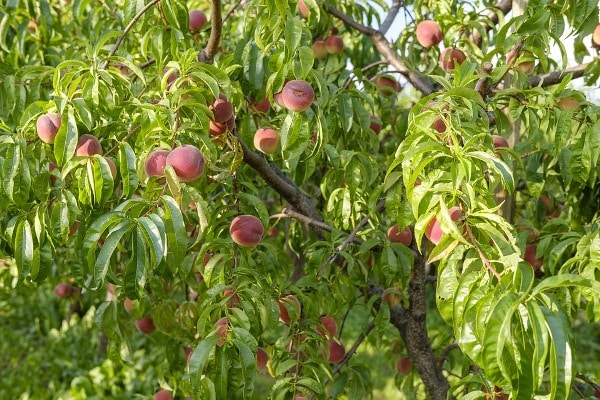
The Indian Peach Tree (Prunus persica) thrives in well-drained, sandy loam soil with a pH of 6.0-7.0 and grows up to 25 feet tall. Ideal for Himachal Pradesh, Punjab, and Jammu & Kashmir, it yields 150-300 pounds of fruit annually and is suited to USDA hardiness zones 5-9, making it a productive addition to any garden.
The Indian Peach Tree offers gardeners the perfect opportunity to cultivate sweet, juicy fruits while contributing to environmental restoration. Known scientifically as Prunus persica, this remarkable tree transforms any garden into a productive oasis, yielding 150-300 pounds of nutritious fruit annually while supporting biodiversity and carbon sequestration efforts.
When envisioning a lush garden filled with vibrant fruits, the Indian Peach Tree often stands out as a symbol of sweetness and abundance. This comprehensive guide reveals proven techniques for successful cultivation, from soil preparation to harvest, ensuring your peach trees thrive in Indian growing conditions.
Understanding the Indian Peach Tree 🌱
The Indian Peach Tree is native to China, where it has been cultivated for thousands of years. However, it has found a special place in Indian gardens, where the climate and soil conditions are often ideal for its growth. The tree can grow up to 25 feet tall and boasts beautiful pink or white blossoms in spring, making it a stunning addition to any landscape.
Peach trees thrive in USDA hardiness zones 5 through 9, which covers a large portion of India, particularly in states like Himachal Pradesh, Punjab, and Jammu & Kashmir. They prefer well-drained, sandy loam soil with a pH of 6.0 to 7.0, which is crucial for optimal growth and fruit production.
According to the United Nations Sustainable Development Goals, sustainable agriculture practices like growing fruit trees contribute to food security and environmental protection simultaneously.
Optimal Growing Conditions for Success ⭐
To cultivate a healthy Indian Peach Tree, several critical factors must be considered for maximum fruit production and tree longevity.
Climate Requirements
Peach trees require a chilling period during winter, where temperatures drop below 45°F (7°C). This chilling is essential for the tree to produce fruit in the spring. Most Indian regions with elevation provide adequate chilling hours naturally.
Sunlight Exposure
Full sun is crucial for peach trees. They need at least 6-8 hours of direct sunlight daily to thrive and produce fruit. Position your tree in the sunniest area of your garden for optimal results.
Soil Composition
Well-drained soil is critical for preventing root rot and fungal diseases. Heavy clay soils can lead to root rot, so amend the soil with organic matter to improve drainage. Sandy loam with good organic content provides the ideal growing medium.
Watering Strategy
Consistent watering is essential, particularly during fruit development. However, avoid overwatering, as this can lead to fungal diseases and root problems. Deep, infrequent watering encourages strong root development.
Step-by-Step Planting Guide 💡
When planting your Indian Peach Tree, follow these proven steps for establishment success:
→ Selecting Your Sapling
Purchase a sapling from a reputable nursery, preferably one that specializes in fruit trees. Look for a tree that is at least 1-2 years old with healthy, disease-free foliage and a strong root system.
→ Location Selection
Choose the right location by ensuring the site receives ample sunlight and has well-drained soil. Consider mature tree size when selecting placement to avoid future overcrowding.
→ Soil Preparation
Dig a hole that is twice as wide and deep as the root ball. Mix the excavated soil with compost to enrich it and improve drainage characteristics.
→ Planting Process
Place the sapling in the hole, ensuring that the graft union is above soil level. Backfill with the amended soil mixture and water thoroughly to eliminate air pockets.
→ Mulching Application
Apply a 3-4 inch layer of organic mulch around the base to retain moisture and suppress weeds. Keep mulch away from the trunk to prevent pest harboring.
Essential Care and Maintenance ✅
Once planted, regular care ensures a fruitful harvest and healthy tree development. Consistent maintenance practices determine long-term success.
Pruning Techniques
Prune your peach tree during the dormant season to remove dead or diseased branches and to shape the tree. This encourages better air circulation and sunlight penetration, reducing disease pressure while promoting fruit production.
Fertilization Program
Use a balanced fertilizer in early spring, following the manufacturer's instructions. This provides necessary nutrients for growth and fruit production. Organic options include compost, aged manure, and bone meal.
Pest and Disease Management
Monitor your tree regularly for signs of pests such as aphids, peach tree borers, and diseases like brown rot. Use integrated pest management approaches, combining organic pesticides and fungicides with beneficial insects and cultural practices.
The World Wildlife Fund's forest conservation initiatives emphasize the importance of maintaining healthy tree ecosystems through sustainable management practices.
Harvesting Your Delicious Peaches 🍑
Peaches typically ripen in late summer, with timing varying by variety and location. The fruit should be harvested when it is fully colored and slightly soft to the touch. Gently twist or cut the fruit from the branch, taking care not to damage the tree or remaining fruit.
Proper harvesting techniques ensure maximum flavor development and prevent tree damage. Handle fruits carefully to avoid bruising, and store them properly to extend shelf life.
Environmental Impact and Benefits 🌍
Planting peach trees contributes positively to the environment through multiple mechanisms. Trees play a crucial role in carbon sequestration, helping to mitigate climate change by absorbing carbon dioxide from the atmosphere.
Moreover, peach trees provide habitats for various wildlife, including birds and beneficial insects that aid in pollination. Growing fruit trees like the Indian Peach can promote biodiversity in urban and rural areas, enhancing the overall ecosystem health.
The roots of peach trees help prevent soil erosion, while their leaves contribute to soil health through organic matter when they fall and decompose. According to UN Climate Change initiatives, tree planting represents one of the most effective natural climate solutions available.
Grow Billion Trees: Combating Climate Change Through Collective Action 🌳
Organizations like Grow Billion Trees are at the forefront of environmental restoration, working toward the ambitious goal of planting 100 crore trees across India by June 2030. When you Plant a tree in your Name through their programs, you receive comprehensive support including 2-3ft Tree Planting + 3 Years Care + GeoTag technology for tracking your tree's growth.
Their specialized programs include Miyawaki forest creation, agroforestry initiatives, and urban forestry projects that help individuals and corporations achieve their Net Zero Targets. For just ₹299, you can contribute to this massive reforestation effort while growing your own fruit trees.
Historical Significance and Cultural Importance ⭐
Peaches have a rich history that dates back over 2,000 years, first cultivated in China before spreading globally through trade routes. They were later brought to Europe by explorers and gained popularity in India during the Mughal era, where they were celebrated for their sweetness and flavor.
In Chinese culture, peaches symbolize immortality and are often featured in art and folklore. Today, peaches are enjoyed worldwide, with various cultivars adapted to different climates and growing conditions.
Nutritional Benefits and Uses 💡
Peaches are low in calories and high in vitamins A and C, making them a nutritious addition to your diet. They contain antioxidants, fiber, and potassium, supporting overall health and wellness.
Fresh peaches can be enjoyed raw, used in cooking and baking, preserved through canning or drying, or processed into jams and juices. The versatility of peaches makes them valuable for both home consumption and commercial applications.
Further reading: Mangosteen Tree: Unlocking the Secrets to Growing the Queen of Fruits · Sweet Cherry Tree: The Ultimate Guide to Growing Nature's Juiciest Delights
Frequently Asked Questions
When is the best time to plant Indian Peach Trees?
The optimal planting time is during the dormant season, typically late winter to early spring (February-March in most Indian regions). This timing allows trees to establish roots before the growing season begins.
How long does it take for a peach tree to produce fruit?
Most peach trees begin producing fruit 2-4 years after planting, depending on the variety and growing conditions. Dwarf varieties may fruit sooner, while standard trees take longer to mature.
What are common problems with Indian Peach Trees?
Common issues include fungal diseases like brown rot, pest problems such as peach fruit fly, and physiological disorders caused by improper watering or nutrition. Regular monitoring and preventive care minimize these problems.
Can peach trees grow in containers?
Yes, dwarf peach varieties grow successfully in large containers (minimum 20-gallon capacity). Container growing allows better control of soil conditions and enables cultivation in areas with challenging soil or climate conditions.
How much water do peach trees need?
Mature peach trees require approximately 1-2 inches of water per week, including rainfall. Young trees need more frequent watering to establish roots, while established trees prefer deep, infrequent irrigation.
What companion plants work well with peach trees?
Beneficial companion plants include marigolds, nasturtiums, chives, and comfrey. These plants help repel pests, attract beneficial insects, and improve soil health around your peach trees.
How do I know when peaches are ripe?
Ripe peaches have full color development, yield slightly to gentle pressure, and separate easily from the branch. They should have a sweet fragrance and feel heavy for their size.
Can I grow peach trees organically?
Absolutely! Organic peach cultivation uses natural fertilizers, biological pest control, and sustainable practices. Focus on building healthy soil, encouraging beneficial insects, and using organic-approved treatments when necessary.
What's the average lifespan of a peach tree?
With proper care, peach trees typically live 15-25 years, with peak production occurring between ages 5-15. Regular maintenance, proper pruning, and disease prevention extend tree longevity.
How can I support Grow Billion Trees' mission?
You can contribute by planting trees through their programs, participating in their agroforestry initiatives, or supporting corporate partnerships that work toward achieving net zero emissions through reforestation efforts.Growing an Indian Peach Tree in your garden offers rewards beyond delicious fruit – you're contributing to environmental restoration while creating a sustainable food source for your family. With proper planning, care, and support from organizations like Grow Billion Trees, your peach tree will thrive and produce abundant harvests for years to come. Discover how you can plant your own tree today and join the movement toward a greener, more sustainable future!
Keep reading
 Mangosteen Tree: Unlocking the Secrets to Growing the Queen of Fruits
 Sweet Cherry Tree: The Ultimate Guide to Growing Nature's Juiciest Delights
 Mexican Plum Tree: Ultimate Guide to Growing, Caring & Harvesting
 Java Apple Tree: Unlocking the Secrets to Growing the Perfect Fruit in Your Garden
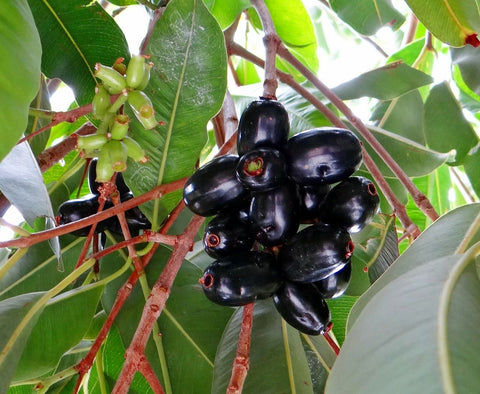 Jamun Tree: A Tree of Life in Our Garden


Comments
Leave a comment