
Mangosteen Tree: Unlocking the Secrets to Growing the Queen of Fruits
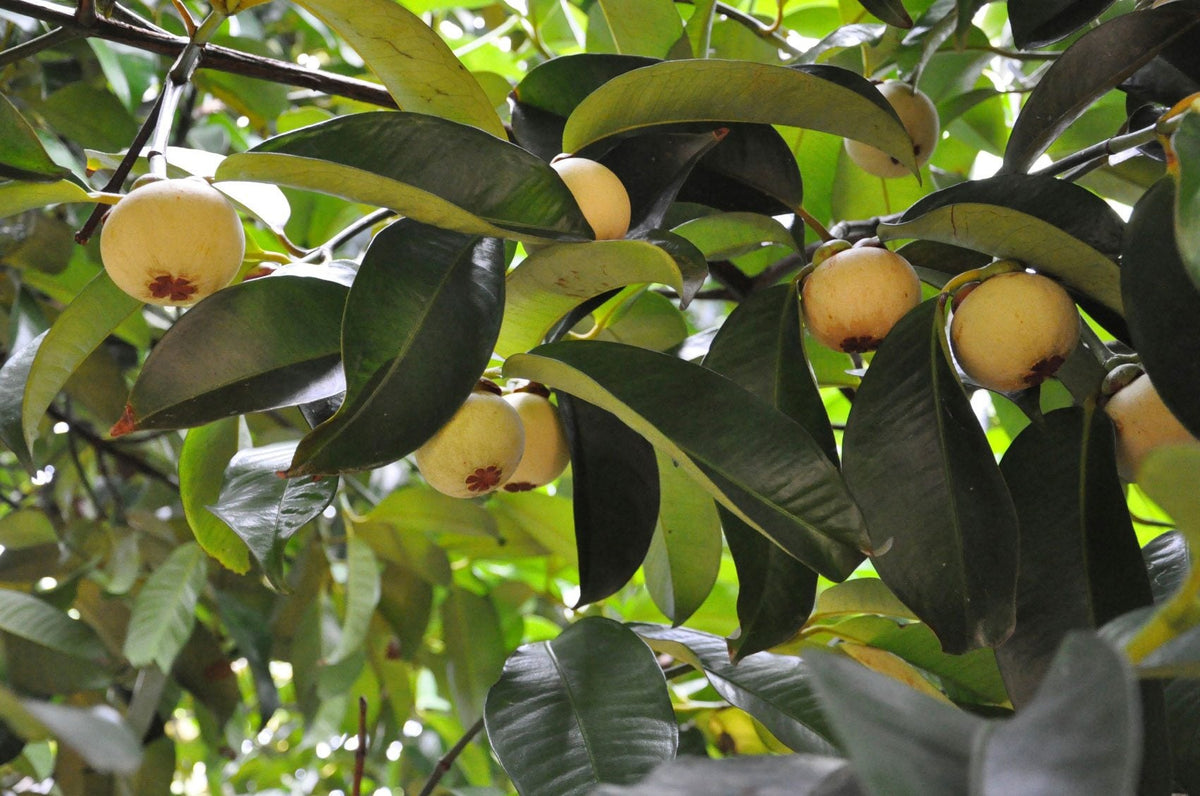
Growing the mangosteen tree (Garcinia mangostana) requires understanding its tropical needs, but the rewards justify it: evergreens reaching 20 to 82 feet that produce purple fruit with sweet, tangy white pulp. Native to Southeast Asia, this slow-growing 'Queen of Fruits' demands specific conditions and patience to thrive in gardens.
The mangosteen tree (Garcinia mangostana) stands as the undisputed "Queen of Fruits," offering gardeners a chance to cultivate one of nature's most prized treasures. This tropical evergreen combines exquisite flavor with remarkable health benefits, making it an exceptional addition to sustainable gardens worldwide.
Growing a mangosteen tree requires specific conditions, but the rewards are extraordinary. With proper care, your tree will produce purple-crowned fruits containing sweet, tangy pulp that has captivated royalty and fruit enthusiasts for centuries.
Understanding the Magnificent Mangosteen Tree ✅
The mangosteen tree is a slow-growing evergreen that can reach heights of 20 to 82 feet (6 to 25 meters). It features dark green, glossy leaves that can grow up to 8 inches long and produces beautiful purple fruit with a thick rind.
The fruit is prized for its sweet and tangy flavor, with juicy, white pulp often described as a blend of peach and pineapple. This tropical marvel, native to Southeast Asia, represents one of nature's most perfect combinations of taste and nutrition.
According to the United Nations Sustainable Development Goals, cultivating fruit trees like mangosteen supports sustainable agriculture and food security initiatives globally.
Scientific Data and Remarkable Health Benefits ⭐
Mangosteen is not just a culinary delight; it is also a powerhouse of nutrition. It is rich in vitamins (especially vitamin C), minerals, and antioxidants, particularly xanthones.
Xanthones are a type of polyphenol that have been studied for their anti-inflammatory and antioxidant properties. Research has shown that these compounds may help in reducing the risk of chronic diseases such as heart disease, diabetes, and cancer.
Key nutritional compounds include:
- ✅ Vitamin C: Essential for immune function and skin health
- ✅ Fiber: Aids in digestion and promotes gut health
- ✅ Antioxidants: Combat oxidative stress in the body
- ✅ Xanthones: Unique anti-inflammatory compounds
Fun fact: The mangosteen fruit is often considered a delicacy in many countries, and its unique flavor has earned it a spot in various culinary dishes, from desserts to savory sauces.
Historical Significance: A Royal Legacy 👑
The mangosteen tree has a rich history that dates back centuries. It is believed to have originated in the Malay-Indonesian region and was spread to other tropical regions by traders.
The fruit was once so highly regarded that it was reserved for royalty in some cultures. Queen Victoria of England was said to have been so enamored with the fruit that she offered a reward to anyone who could bring it to her.
This fascination with the mangosteen has persisted, and it remains a symbol of luxury and health in many parts of the world. Today, we can Plant a tree in your Name and continue this royal tradition in our own gardens.
Essential Growing Conditions for Mangosteen Trees 🌱
For those interested in cultivating the mangosteen tree, there are several key factors to consider for successful growth:
Climate Requirements
Mangosteen thrives in tropical climates with temperatures between 68°F and 104°F (20°C to 40°C). It requires a humid environment, making it ideal for regions with consistent rainfall and high humidity levels.
Soil Specifications
The tree prefers well-draining, sandy loam soil rich in organic matter. Soil pH should ideally be between 5.5 and 7.0. Proper drainage is crucial to prevent root rot while maintaining adequate moisture retention.
Watering Guidelines
While young trees require regular watering, mature trees are more drought-resistant. However, it's essential to avoid waterlogging, which can lead to root rot. Consistent moisture without saturation is key.
Sunlight Needs
Mangosteen trees thrive in full sun but can tolerate partial shade. Ensure they receive at least 6 hours of sunlight daily for optimal growth and fruit production.
Propagation Methods: Seeds vs. Grafting 💡
There are two primary methods for propagating mangosteen trees, each with distinct advantages:
Seed Propagation
Collect seeds from ripe mangosteen fruit and plant them in a seedbed. Germination can take anywhere from 2 to 8 weeks. However, seed propagation may result in trees that take longer to bear fruit, typically 8-15 years.
Grafting Method
This method involves joining a cutting from a mature tree onto a rootstock. Grafted trees typically bear fruit faster (5-7 years) and maintain the characteristics of the parent tree, ensuring consistent fruit quality.
Care and Maintenance: Nurturing Your Queen 🌿
Once established, mangosteen trees require minimal maintenance but benefit from consistent care:
- → Pruning: Regular pruning helps maintain tree shape and encourages better air circulation
- → Fertilizing: Apply organic compost or balanced fertilizers during the growing season
- → Pest Management: Monitor for common tropical pests and diseases
- → Mulching: Apply organic mulch to retain moisture and suppress weeds
With our 2-3ft Tree Planting + 3 Years Care + GeoTag program, you can ensure your mangosteen tree receives professional care during its critical establishment period.
Environmental Impact and Sustainability ⭐
Growing mangosteen trees can have positive environmental impacts. As a tropical tree, it contributes to biodiversity, provides habitat for various species, and helps in carbon sequestration.
The United Nations Environment Programme emphasizes how fruit trees like mangosteen support forest restoration and sustainable land use practices.
The deep root system of the mangosteen tree helps prevent soil erosion, making it a valuable addition to agroforestry systems. Moreover, sustainable cultivation practices can enhance soil health and promote ecological balance.
By planting mangosteen trees, farmers can create a more resilient agricultural system that supports both local economies and the environment, contributing to our mission of Combating Climate Change Through Collective Action.
Supporting Corporate Net Zero Targets 🌍
For businesses seeking to achieve their Net Zero Targets, mangosteen tree cultivation offers an excellent opportunity. These long-lived trees provide decades of carbon sequestration while producing valuable fruit crops.
The World Wildlife Fund's forest conservation initiatives highlight how fruit tree plantations can serve dual purposes of environmental restoration and sustainable agriculture.
Corporate partnerships in mangosteen cultivation can demonstrate environmental commitment while supporting local communities and biodiversity conservation efforts.
Grow Billion Trees: Your Partner in Sustainable Cultivation 🌱
Grow Billion Trees is dedicated to promoting sustainable tree planting initiatives, with a particular focus on tropical regions where mangosteen trees thrive. Our mission aligns with planting 100 crore trees across India by 2030.
In collaboration with local farmers and communities, we execute projects that combine environmental restoration with economic opportunities. Our specialized programs include:
- ✅ Miyawaki forest creation with fruit trees
- ✅ Agroforestry programs featuring mangosteen cultivation
- ✅ Corporate environmental programs for achieving sustainability goals
- ✅ Community education on sustainable farming practices
Through our comprehensive approach, we ensure that every mangosteen tree planted contributes to both environmental health and community prosperity.
Further reading: Kokam Tree: A Natural Tapestry of Excellence and Heritage · Indian Peach Tree: Growing Juicy Fruits in Your Garden ✅
Frequently Asked Questions
How long does it take for a mangosteen tree to bear fruit?
Mangosteen trees grown from seeds typically take 8-15 years to bear fruit, while grafted trees can produce fruit in 5-7 years. The wait is worth it for the exceptional quality of the "Queen of Fruits."
Can mangosteen trees grow in non-tropical climates?
Mangosteen trees require tropical conditions with high humidity and temperatures between 68-104°F. They cannot survive frost and need consistent warm, humid conditions year-round.
What is the best soil type for mangosteen cultivation?
Mangosteen trees prefer well-draining, sandy loam soil rich in organic matter with a pH between 5.5-7.0. Good drainage is essential to prevent root rot while maintaining adequate moisture.
How much space does a mangosteen tree need?
Mature mangosteen trees can reach 20-82 feet in height with a similar spread. Plant trees at least 25-30 feet apart to allow for proper growth and air circulation.
Are mangosteen trees prone to specific diseases?
Mangosteen trees can be affected by root rot in waterlogged conditions, fruit flies, and various fungal diseases. Proper drainage, air circulation, and organic pest management help prevent these issues.
What is the nutritional value of mangosteen fruit?
Mangosteen is rich in vitamin C, fiber, antioxidants, and unique compounds called xanthones. These nutrients provide anti-inflammatory benefits and may help reduce the risk of chronic diseases.
Can I grow mangosteen trees in containers?
Young mangosteen trees can be grown in large containers, but they will need to be transplanted to the ground eventually. Container growing may limit fruit production and tree size.
How often should I water my mangosteen tree?
Young trees need regular watering to maintain consistent soil moisture. Mature trees are more drought-tolerant but still require adequate water during dry periods. Avoid overwatering to prevent root rot.
What makes mangosteen the "Queen of Fruits"?
Mangosteen earned this title due to its exceptional flavor, described as a perfect balance of sweet and tangy, combined with its numerous health benefits and historical significance as a royal delicacy.
How does growing mangosteen trees help the environment?
Mangosteen trees contribute to carbon sequestration, prevent soil erosion, support biodiversity, and can be integrated into sustainable agroforestry systems that benefit both the environment and local communities.
Conclusion: Cultivating Nature's Crown Jewel 👑
Growing a mangosteen tree represents more than just fruit cultivation—it's an investment in sustainable agriculture, environmental health, and culinary excellence. This remarkable tree offers gardeners the opportunity to nurture one of nature's most prized creations while contributing to global reforestation efforts.
Whether you're seeking to enhance your garden's biodiversity, support environmental sustainability, or simply enjoy the world's finest fruit, the mangosteen tree delivers exceptional value. With proper care and patience, your mangosteen tree will reward you with decades of premium fruit production.
Ready to begin your mangosteen growing journey? Explore our tree planting programs and discover how you can cultivate the Queen of Fruits while supporting our mission to plant 100 crore trees across India. Together, we can create a more sustainable and fruitful future for generations to come.
Keep reading
 Kokam Tree: A Natural Tapestry of Excellence and Heritage
 Indian Peach Tree: Growing Juicy Fruits in Your Garden ✅
 Jamun Tree: A Tree of Life in Our Garden
 Karonda Tree: The Tangy Treasure Revolutionizing Health, Cuisine, and Sustainable Living
 Orange Tree: Vitamin C Powerhouse, Citrus Charm, and Fruity Goodness


Comments
Leave a comment