
Japanese Cherry Tree: Enchanting Beauty and Cultural Significance of Sakura
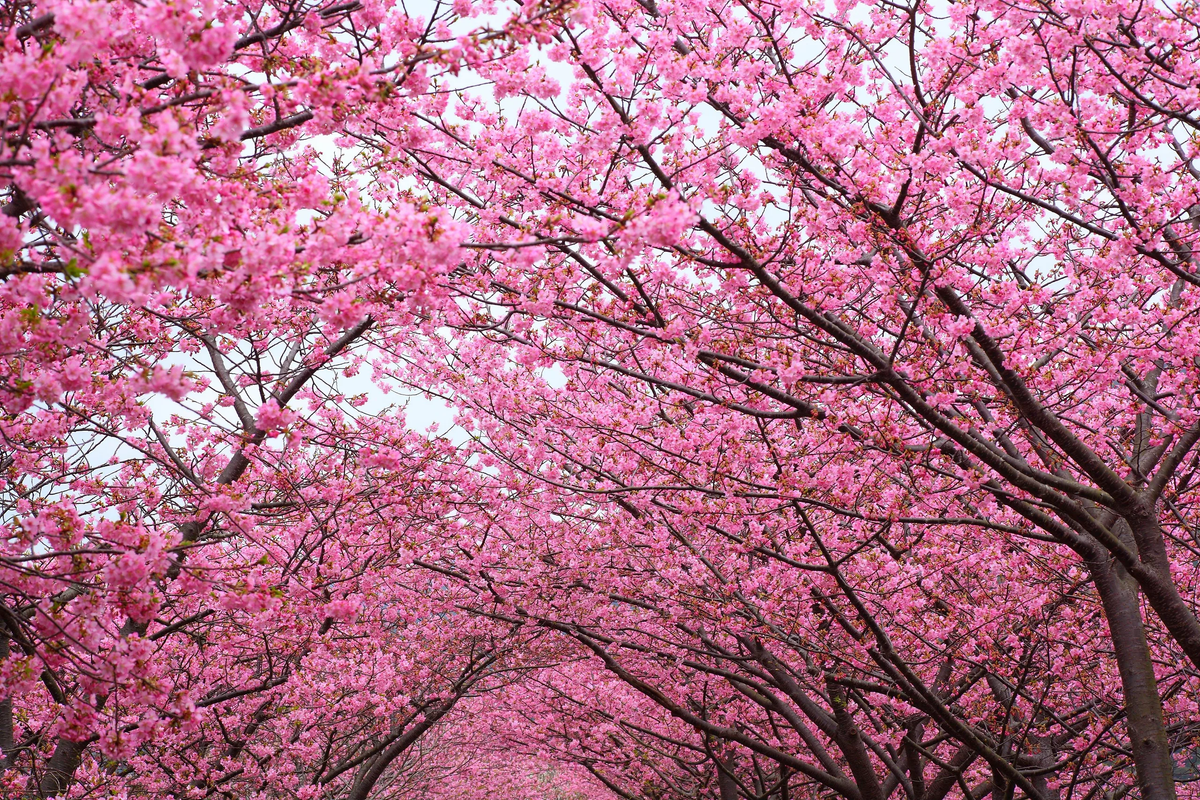
The Japanese Cherry Tree (Sakura) is a flowering tree renowned for its delicate pink and white blossoms that bloom each spring for one to two weeks. It holds profound cultural significance in Japanese philosophy, symbolizing life's transience. Over 200 varieties exist in Japan, where these trees are vital for ecological biodiversity.
The Japanese Cherry Tree, known as Sakura, stands as one of nature's most spectacular and culturally rich wonders. Each spring, these magnificent trees transform landscapes across Japan into breathtaking pink and white wonderlands, creating fleeting moments of extraordinary natural beauty. We found that beyond their visual splendour, Japanese Cherry Trees carry profound ecological, cultural, and symbolic significance that resonates with people worldwide.
In 2026, as environmental awareness grows globally, the Japanese Cherry Tree serves as a powerful reminder of nature's fragility and our shared responsibility to protect it. According to the United Nations Environment Programme on Forests, preserving tree species like Sakura is vital to sustaining global biodiversity. Welcome to a journey through the world of Sakura — where beauty, culture, and conservation beautifully converge.
✅ The Stunning Visual Beauty of Sakura Blossoms
Sakura blossoms are celebrated worldwide for their delicate pink and white flowers that create stunning seasonal displays. The blooming period typically occurs from late March to early April, depending on regional climate and elevation. This ephemeral beauty, lasting only one to two weeks, evokes deep appreciation for life's transient moments — a central theme in Japanese philosophy.
There are over 200 varieties of cherry trees in Japan. The most celebrated is Prunus serrulata, the Japanese Cherry Tree proper. These trees grow up to 25 feet tall and feature broad canopies with stunning clusters of fragrant flowers. We love how each variety offers a unique palette of colours, from pale white to deep rose pink.
The petals are remarkably delicate, with five rounded petals per flower forming perfect symmetrical blooms. As they fall, they create natural carpets of colour across the ground beneath. This inspires the Japanese concept of mono no aware — the bittersweet awareness of impermanence that is central to Japanese culture.
The sweet, subtle fragrance of Sakura enhances the entire visual experience, making a walk beneath a blooming Japanese Cherry Tree truly wonderful. It is a natural reminder that the most beautiful moments are often the most fleeting. In addition, the seasonal display draws millions of visitors to Japan each spring, boosting local economies and communities significantly.
⭐ Deep Cultural Significance of the Japanese Cherry Tree
The cultural significance of the Japanese Cherry Tree cannot be overstated. Cherry blossoms have symbolised renewal, hope, and life's impermanence for over a thousand years. Hanami, or flower viewing, is a traditional Japanese custom where people gather under blooming cherry trees for picnics, poetry, and mindful contemplation.
This cherished practice dates back to the Nara period (710–794 AD). Over centuries, it evolved into a nationwide celebration attracting millions of locals and international tourists. Hanami embodies core Japanese values: mindfulness, community, and conscious appreciation for natural beauty.
Sakura holds a prominent place in Japanese art, literature, and poetry throughout history. Famous poets like Matsuo Bashō immortalised cherry blossoms in their works, reflecting the deep emotional bond Japanese culture maintains with these trees. Traditional Japanese paintings, textiles, and ceramics frequently feature Sakura motifs, symbolising fragility and life's precious nature.
The Japanese Cherry Tree also symbolises peace and international friendship. In 1912, Japan gifted 3,000 cherry trees to Washington, D.C., in a gesture of great goodwill between nations. This diplomatic act led to the annual National Cherry Blossom Festival, which now attracts over 1.5 million visitors each year and celebrates the enduring bond between the United States and Japan.
💡 Scientific and Botanical Characteristics
From a botanical perspective, Japanese Cherry Trees belong to the Rosaceae family, which includes apple, pear, and peach trees. They thrive in temperate climates and prefer well-drained, fertile soil with full sun exposure. Our team has observed that proper care during early growth stages leads to more abundant and vibrant seasonal blooming.
The blooming of Sakura depends on specific environmental triggers: temperature fluctuations, sunlight duration, and rainfall patterns. Research from the Japan Meteorological Corporation shows the average blooming date has shifted earlier by approximately five days over the past century. This shift is directly linked to rising global temperatures caused by climate change.
According to United Nations Climate Change data, global warming is fundamentally altering traditional seasonal patterns worldwide. This directly impacts cherry blossom timing, local ecosystems, and the biodiversity surrounding these iconic trees. Therefore, addressing climate change is essential to preserving the Japanese Cherry Tree's natural beauty for future generations.
The trees begin producing flower buds in late summer. These buds remain dormant throughout winter before responding to increasing spring temperatures. This complex biological process requires specific temperature thresholds and extended daylight hours to trigger the spectacular blooming display that people across the world enjoy and admire.
🌸 Famous Japanese Cherry Tree Varieties and Iconic Sakura Spots
Among over 200 varieties, several stand out for their distinctive and wonderful beauty. Somei Yoshino (Prunus × yedoensis) is the most widely planted variety across Japan, prized for its pale pink blossoms. Shidarezakura, the weeping cherry tree, features gracefully drooping branches laden with deep pink flowers, creating a truly magical and immersive display.
Japan's most iconic Sakura viewing locations include Maruyama Park in Kyoto, Ueno Park in Tokyo, and Mount Yoshino in Nara. Each site attracts hundreds of thousands of visitors during peak blooming season each year. These great destinations demonstrate how the Japanese Cherry Tree continues to unite communities and foster shared moments of joy, reflection, and wonder.
In 2026, cherry blossom tourism contributes approximately ¥600 billion annually to Japan's economy, according to national tourism data. This enormous economic impact underscores the Japanese Cherry Tree's status as not just a cultural icon but also a vital economic asset. However, climate change threatens to disrupt this beloved seasonal tradition unless collective, urgent action is taken now.
🌱 Environmental Impact and Ecological Benefits
Japanese Cherry Trees contribute significantly to environmental health and urban sustainability. They provide critical habitat for pollinators, including bees and butterflies, which support broader natural ecosystems. According to 2026 environmental studies, urban trees like Sakura can reduce city temperatures by up to 8°C through shade and natural transpiration processes.
These trees also improve air quality by absorbing carbon dioxide and releasing clean, fresh oxygen. A single mature Japanese Cherry Tree can absorb up to 48 pounds of CO2 per year. As a result, planting trees on a large scale is a proven, natural strategy for Combating Climate Change Through Collective Action across the globe.
According to the World Wildlife Fund's report on deforestation and forest degradation, forest loss is one of the most urgent environmental threats facing our planet today. Planting and preserving trees like the Japanese Cherry Tree helps reverse this damage. Moreover, healthy tree cover protects watersheds, reduces soil erosion, and supports sustainable, eco-friendly water systems.
Our experience at Grow Billion Trees confirms that trees planted with long-term care programs deliver measurable, lasting environmental benefits. We ensure every sapling receives the nurturing it needs to grow strong and tall. This hands-on commitment transforms individual actions into collective, planet-scale impact that we can all be proud of.
🌿 Japanese Cherry Tree and Global Conservation Efforts
The Japanese Cherry Tree has inspired global conservation movements and international environmental cooperation. Its breathtaking beauty draws attention to the urgent importance of protecting natural ecosystems worldwide. The WWF Forest Conservation Initiative highlights the critical role that tree preservation plays in maintaining global biodiversity and ecological balance.
In India, our partners are working toward an ambitious, inspiring mission: planting 100 crore trees by June 2030. This goal aligns directly with global Net Zero Targets and represents a deep, unwavering commitment to a greener, more sustainable future. Every tree planted is a meaningful step toward healing our planet and safeguarding its natural heritage.
Our programs span Miyawaki forest creation, agroforestry, mangrove restoration, and urban forestry across India. The United Nations Sustainable Development Goals recognise tree planting as a key, verified strategy for building a resilient, sustainable world. These programs are not just green gestures — they are certified investments in the planet's long-term health.
We are glad to report that in 2026, awareness of tree conservation is at an all-time high across India and beyond. More individuals and corporates are choosing to invest in tree planting as a meaningful, eco-friendly action. Together, we are building a movement that can transform landscapes and restore ecosystems, just as Sakura transforms Japan each spring.
✅ Plant a Tree in Your Name Today
Plant a tree in your Name and join a growing, global community of conscious, eco-minded individuals. At Grow Billion Trees, we offer 2-3ft Tree Planting + 3 Years Care + GeoTag technology for just ₹299. Our GeoTag system provides verified, photographic updates so you can track your tree's growth and witness your positive impact firsthand.
Whether it is a birthday, memorial, anniversary, or a corporate sustainability goal, planting a tree is a wonderful and lasting gift. Our personalised, authentic tree certificates make each experience special and deeply meaningful. We provide secure, transparent services for individuals, families, and corporates seeking to achieve their sustainability and Net Zero targets.
Our hands-on approach ensures every sapling is planted with the greatest care and monitored over three full years. You receive geo-tagged updates and photographs as your tree grows tall and strong. This level of transparency has made Grow Billion Trees a trusted partner for thousands of eco-conscious families and organisations across India.
Discover how easy it is to save on emissions, boost local biodiversity, and improve the natural environment around you — one tree at a time. Explore all our green planting programs and find the perfect option for your personal or corporate goals. Visit Grow Billion Trees today and take your first meaningful step toward a greener, more sustainable future.
Further reading: Mountain Cherry Tree: Discover the Enchanting Beauty and Benefits · Indian Cherry Tree: Unlocking the Secrets of Its Health Benefits and Cultural Significance
Frequently Asked Questions
What is a Japanese Cherry Tree?
A Japanese Cherry Tree, or Sakura, is a flowering tree in the Rosaceae family. The most celebrated variety is Prunus serrulata. It is renowned for its delicate pink and white blossoms that bloom each spring across Japan and around the world.
When do Japanese Cherry Trees bloom?
Japanese Cherry Trees typically bloom from late March to early April. The exact timing depends on regional climate conditions and elevation. The blooming period lasts only one to two weeks, making it a truly precious and fleeting natural event.
What is the cultural significance of Sakura in Japan?
Sakura holds deep cultural significance in Japan, symbolising renewal, beauty, and life's impermanence. The Hanami tradition of flower viewing dates back to the Nara period (710–794 AD). Cherry blossoms feature throughout Japanese art, poetry, and national celebrations as enduring cultural symbols.
How does climate change affect Japanese Cherry Trees?
Climate change is shifting cherry blossom blooming dates progressively earlier each year. Research shows blooming has advanced by approximately five days over the past century due to rising temperatures. This disrupts local ecosystems and the timing of traditional Hanami celebrations across Japan.
How many varieties of cherry trees exist in Japan?
Japan is home to over 200 varieties of cherry trees. Each variety differs in flower colour, petal count, and blooming period. The most widely planted and famous variety remains Prunus serrulata, celebrated for its iconic pale pink blossoms.
Can I plant a Japanese Cherry Tree in India?
Certain cherry tree varieties grow well in cooler Indian regions like the Himalayas and Shillong. However, most Indian tree planting programs focus on native species that are better suited to local climates. Native species deliver greater and more sustainable ecological benefit for Indian ecosystems.
What are the environmental benefits of planting trees?
Trees improve air quality, support pollinators, reduce urban heat, and absorb CO2 naturally. A single mature tree can absorb up to 48 pounds of CO2 annually. Large-scale tree planting is a proven, eco-friendly strategy for combating climate change and restoring biodiversity.
How can I plant a tree in India through Grow Billion Trees?
You can plant a tree for just ₹299 through Grow Billion Trees. This includes 2-3ft tree planting, three years of dedicated care, and GeoTag technology for tracking your tree's growth. Visit growbilliontrees.com to get started and make a real difference today.
What is Hanami?
Hanami is the Japanese tradition of mindfully viewing cherry blossoms each spring. It involves gathering under blooming Sakura trees for picnics, poetry reading, and quiet, conscious reflection. This ancient practice embodies community spirit and deep appreciation for nature's ephemeral and organic beauty.
Why are Japanese Cherry Trees given as diplomatic gifts?
Cherry trees symbolise peace, friendship, and international goodwill between nations. Japan's 1912 gift of 3,000 trees to Washington, D.C., created an enduring symbol of friendship. This tradition continues to foster meaningful international relationships and a shared, universal love of nature and the natural world. The Japanese Cherry Tree is far more than a beautiful plant — it is a living symbol of hope, renewal, and humanity's enduring connection to the natural world. Whether you admire Sakura blossoms in Japan or plant a native tree in India, every act of nurturing the earth is a meaningful contribution to our shared future. Learn more about our tree planting programs at Grow Billion Trees and join us in Combating Climate Change Through Collective Action. Together, we can grow a greener, more sustainable, and more beautiful planet for all generations to come.
Keep reading
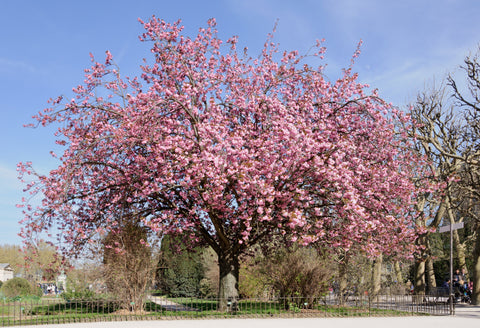 Mountain Cherry Tree: Discover the Enchanting Beauty and Benefits
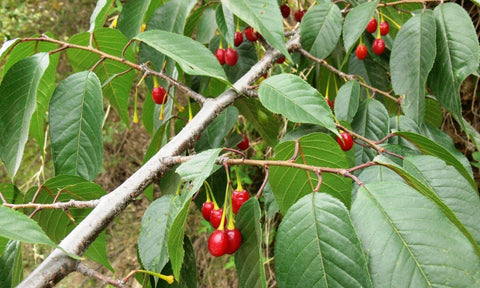 Indian Cherry Tree: Unlocking the Secrets of Its Health Benefits and Cultural Significance
 Sweet Cherry Tree: The Ultimate Guide to Growing Nature's Juiciest Delights
 Remarkable Tree Species Around the World: A Global Journey
 Barbados Cherry Tree: Hidden Health Benefits & Culinary Uses


Leave a comment