
Remarkable Tree Species Around the World: A Global Journey
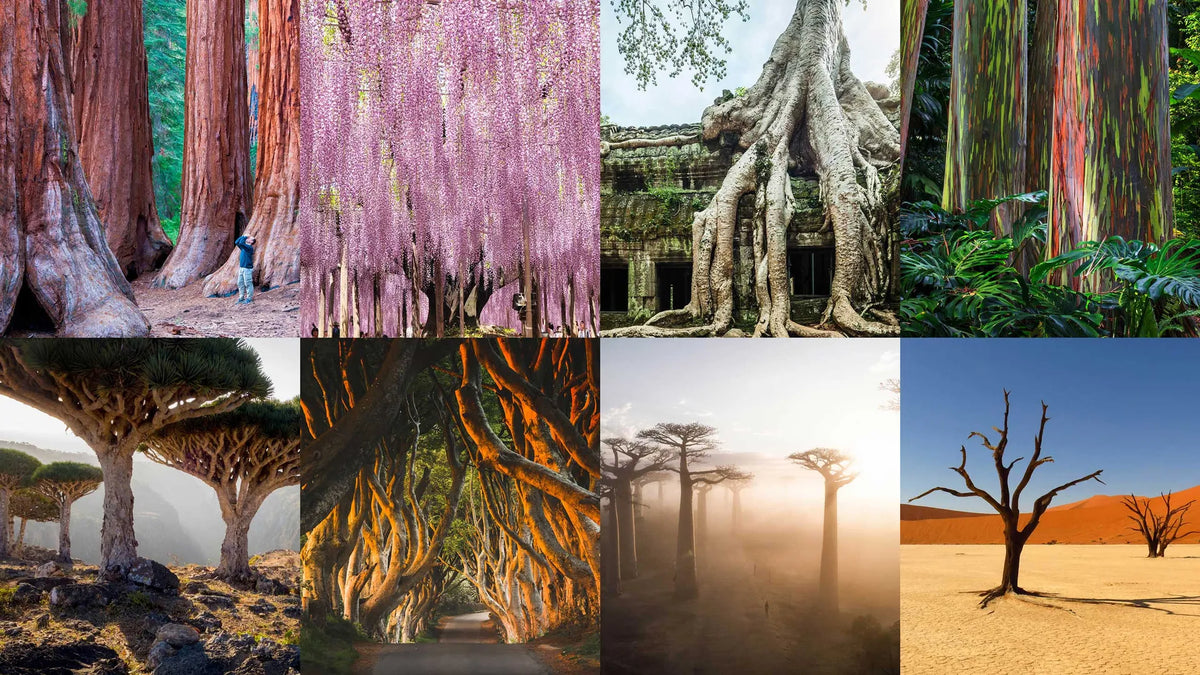
Remarkable tree species around the world include the Giant Sequoia (Sequoiadendron giganteum), which can live over 3,000 years and reach 300 feet tall, and the Baobab trees of Africa, Madagascar, and Australia. These arboreal wonders are crucial ecosystem pillars, supporting biodiversity and sequestering carbon dioxide.
From towering giants reaching heights of over 300 feet to ancient sentinels that have witnessed millennia pass by, remarkable tree species around the world showcase nature's incredible diversity and resilience. These arboreal wonders not only captivate our imagination but also serve as crucial pillars of global ecosystems, supporting biodiversity and combating climate change through their natural carbon sequestration abilities.
🌲 Giant Sequoia: California's Ancient Titans
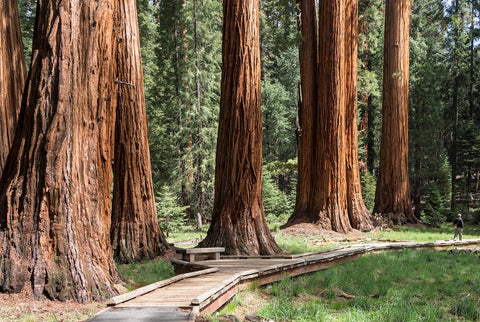
Our journey begins in the western United States, where the Giant Sequoia (Sequoiadendron giganteum) stands as one of the most remarkable tree species around the world. These colossal trees have witnessed over 3,000 years of history, with some specimens predating the Roman Empire.
The General Sherman Tree, located in California's Sequoia National Park, holds the title of the world's largest tree by volume. Standing at 275 feet tall with a base diameter of 30 feet, this natural wonder weighs approximately 1,385 tons. According to the World Wildlife Fund's forest conservation initiatives, these ancient forests play a vital role in carbon storage and climate regulation.
✅ Key Facts: Can live over 3,000 years, grow up to 300 feet tall, and store massive amounts of carbon dioxide.
🌳 Baobab Trees: The Upside-Down Giants
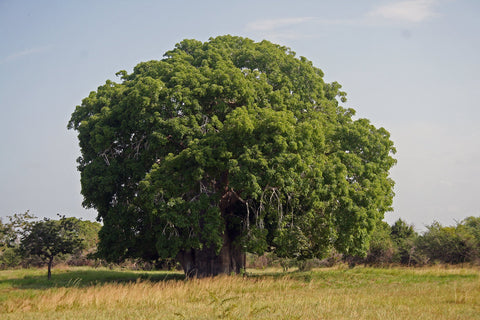
Traveling to the unique landscapes of Madagascar, Africa, and Australia, we encounter the iconic Baobab trees (Adansonia species). These "upside-down trees" with their distinctive swollen trunks serve as cultural symbols and natural landmarks across three continents.
The Avenue of the Baobabs in Madagascar creates a surreal and magical landscape that attracts visitors from around the globe. These trees can store up to 32,000 gallons of water in their massive trunks, making them essential for survival in arid regions. Some specimens are estimated to be over 2,000 years old.
⭐ Notable Feature: Their trunks can reach diameters of 36 feet and serve as natural water reservoirs for local communities.
🩸 Dragon's Blood Tree: Socotra's Alien Beauty
Our next destination takes us to the enchanting island of Socotra in Yemen, home to the otherworldly Dragon's Blood Tree (Dracaena cinnabari). Named for its crimson sap that has been prized for centuries in traditional medicine and dye-making, this umbrella-shaped tree creates a surreal and alien-like landscape.
These trees are endemic to Socotra Island and represent one of the most unique examples of global tree diversity. The striking contrast of their vibrant green canopy against the arid backdrop creates a landscape that seems more fitting for another planet than Earth.
💡 Conservation Note: This species is vulnerable due to climate change and limited habitat range.
🕰️ Bristlecone Pine: Earth's Oldest Living Witnesses
Returning to the United States, we explore the ancient Bristlecone Pine forests (Pinus longaeva). These trees, with their twisted and gnarled branches, are among the oldest living organisms on Earth. The harsh mountain conditions of the White Mountains have shaped these resilient survivors into living sculptures.
The famous Methuselah tree is estimated to be over 4,800 years old, making it one of the oldest known living trees. These ancient specimens have survived ice ages, droughts, and countless environmental changes, making them invaluable for climate research. Scientists study their growth rings to understand historical climate patterns.
→ Survival Secret: Their slow growth rate and dense wood help them withstand extreme weather conditions for millennia.
🌈 Rainbow Eucalyptus: Nature's Living Canvas
Our tropical adventure leads us to the Philippines, Indonesia, Papua New Guinea, and Northern Australia, where the Rainbow Eucalyptus (Eucalyptus deglupta) adds vibrant color to rainforest landscapes. This unique species is renowned for its multicolored bark that reveals shades of green, blue, purple, orange, and maroon as it naturally sheds.
The United Nations Environment Programme highlights how tropical forests like those housing Rainbow Eucalyptus are crucial for global biodiversity conservation. These trees can grow up to 250 feet tall and are among the fastest-growing eucalyptus species.
✅ Unique Characteristic: The bark changes color throughout the year, creating a natural kaleidoscope effect.
🍂 Quaking Aspen: The Connected Forest
In North America, the Quaking Aspen (Populus tremuloides) presents one of nature's most fascinating examples of interconnected life. A grove of Quaking Aspens known as Pando in Utah holds the title of the world's oldest and heaviest living organism, estimated to be 80,000 years old and weighing 6,000 tons.
These trees are connected by an intricate root system, making an entire grove essentially one massive organism. The leaves create a mesmerizing visual spectacle, especially in fall when they transform into a golden symphony that can be heard rustling in the slightest breeze.
⭐ Amazing Fact: Pando covers 106 acres and consists of over 40,000 individual stems sharing one root system.
🌸 Cherry Blossom: Japan's Ephemeral Beauty
No exploration of remarkable tree species around the world would be complete without visiting Japan's ethereal Cherry Blossom trees (Prunus serrulata). These delicate beauties paint the landscape with hues of pink and white during the iconic sakura season, typically lasting only two weeks.
The cultural significance of cherry blossoms extends far beyond their aesthetic appeal, symbolizing the transient nature of life in Japanese philosophy. Hanami, the traditional practice of viewing cherry blossoms, attracts millions of visitors annually and represents one of Japan's most cherished cultural traditions.
💡 Cultural Impact: Cherry blossoms influence art, literature, and philosophy, representing renewal and the fleeting nature of beauty.
🌍 Conservation and Global Impact
These remarkable tree species around the world face increasing threats from climate change, deforestation, and human development. The United Nations Climate Change initiatives emphasize the critical role trees play in carbon sequestration and climate regulation.
At Grow Billion Trees, we understand the urgent need to protect and expand global forest coverage. Our mission to plant 100 crore trees directly contributes to preserving biodiversity and creating sustainable ecosystems. When you Plant a tree in your Name for just ₹299, you join a global movement of environmental stewardship.
Our comprehensive approach includes 2-3ft Tree Planting + 3 Years Care + GeoTag technology, ensuring each tree receives proper nurturing and monitoring. Through programs like Miyawaki forests, agroforestry, and mangrove restoration, we're Combating Climate Change Through Collective Action while helping organizations achieve their Net Zero Targets.
🌱 How You Can Make a Difference
Every individual can contribute to preserving these magnificent species and supporting global reforestation efforts. Here are actionable ways to get involved:
- ✅ Support local and international conservation organizations
- ✅ Plant native trees in your community
- ✅ Participate in educational programs about forest conservation
- ✅ Choose sustainable products that don't contribute to deforestation
- ✅ Advocate for policies protecting old-growth forests
By partnering with Grow Billion Trees, you can directly contribute to creating new forests while honoring the legacy of these ancient giants. Our technology-driven approach ensures transparency and measurable impact in every planting initiative.
Frequently Asked Questions
What makes certain tree species remarkable compared to others?
Remarkable tree species typically possess extraordinary characteristics such as exceptional longevity, unique physical features, cultural significance, or ecological importance. These trees often represent extremes in nature - the tallest, oldest, most colorful, or most resilient species that have adapted to specific environmental conditions over thousands of years.
How do ancient trees like Bristlecone Pines survive for thousands of years?
Ancient trees survive through several adaptations including extremely slow growth rates, dense and resinous wood that resists decay, efficient water conservation systems, and the ability to survive in harsh environments where competition is minimal. Their cellular structure and metabolic processes are optimized for longevity rather than rapid growth.
Why are Baobab trees called "upside-down trees"?
Baobab trees earned this nickname because their massive trunks and sparse, thin branches create the appearance of a tree that has been planted upside-down, with roots extending skyward. This unique silhouette is due to their adaptation to arid climates, where the large trunk stores water and the minimal canopy reduces water loss.
What threatens these remarkable tree species today?
Major threats include climate change affecting temperature and precipitation patterns, deforestation for agriculture and development, invasive species, pollution, and human encroachment into natural habitats. Many of these species have limited geographic ranges, making them particularly vulnerable to environmental changes.
How do Rainbow Eucalyptus trees get their colorful bark?
Rainbow Eucalyptus bark changes color as it matures and sheds in strips. The newly exposed bark starts bright green due to chlorophyll, then transitions through blue, purple, orange, and finally maroon as the bark ages and different compounds become visible. This natural process creates the stunning multicolored appearance.
Can these remarkable tree species be grown outside their native habitats?
Some species can be cultivated outside their native ranges under specific conditions, but many require precise climate, soil, and environmental factors to thrive. Giant Sequoias, for example, have been successfully grown in similar climates worldwide, while Dragon's Blood Trees remain largely restricted to their native Socotra Island due to their specific environmental needs.
How do scientists determine the age of ancient trees?
Scientists use several methods including counting tree rings (dendrochronology), radiocarbon dating of dead wood samples, and mathematical models based on growth rates. For living ancient trees, non-invasive techniques like increment boring extract small core samples without harming the tree, allowing accurate age determination.
What role do these trees play in their local ecosystems?
Remarkable tree species often serve as keystone species, providing habitat for numerous animals, influencing local climate through shade and moisture retention, preventing soil erosion, and supporting complex food webs. Many also have cultural and economic importance for local communities through traditional uses and eco-tourism.
🌟 Conclusion: Protecting Our Arboreal Heritage
As we conclude our global tour of these remarkable tree species around the world, we're reminded that these botanical treasures represent millions of years of evolution and adaptation. Each species tells a unique story of resilience, beauty, and ecological importance that extends far beyond their physical presence.
These magnificent trees not only captivate our senses but also play vital roles in maintaining global climate stability, supporting biodiversity, and preserving cultural heritage. From the towering Giant Sequoias of California to the colorful Rainbow Eucalyptus of the tropics, each species contributes to the rich tapestry of global tree diversity that makes our planet extraordinary.
The urgency of conservation cannot be overstated. As we face unprecedented environmental challenges, protecting existing forests and expanding tree coverage becomes crucial for our planet's future. At Grow Billion Trees, we're committed to this mission through innovative planting programs and community engagement.
Join us in our mission to plant 100 crore trees by 2030. Discover how you can plant a tree in your name and become part of the solution. Together, we can ensure these remarkable species continue to inspire and sustain future generations while building a more sustainable world for all.
Keep reading
 The World's Most Unusual Trees: Nature's Oddities
 Giant Sequoia Tree: Discover the Majestic Giants of Nature
 Aspen Tree: Unveiling the Secrets of Nature's Golden Wonder
 10 Oldest Trees in the World: Ancient Giants That Survived Millennia
 Baobab Tree: The Marvelous 'Tree of Life' You Need to Discover Today


Comments
Leave a comment