
Magnolia Tree: Unlocking the Secrets to Stunning Blooms and Care Tips
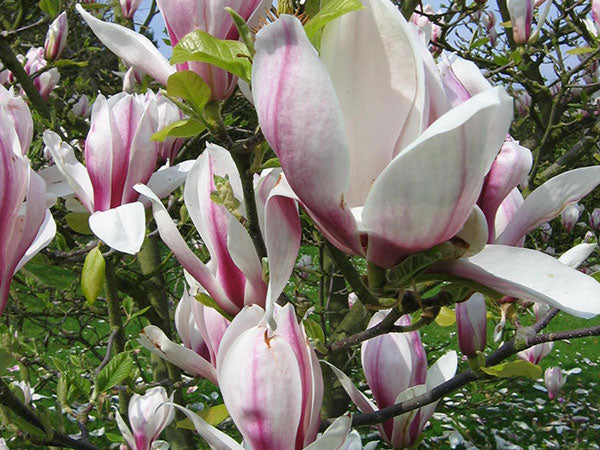
Magnolia trees (family Magnoliaceae) produce large, fragrant blooms through pollination strategies that evolved over 100 million years to attract beetles instead of bees. Around 210 deciduous and evergreen species exist, each adapted to different environments. Effective care begins with selecting the magnolia variety best suited to your region's climate.
Magnolia trees are a captivating addition to any garden, known for their stunning blooms and delightful fragrance. These ancient trees have a history that dates back over 100 million years, making them one of the oldest flowering plants on Earth.
In this blog, we will explore the enchanting world of magnolia trees, unlocking the secrets to their stunning blooms, and providing essential care tips for gardeners. We will also delve into their environmental impact, share fun facts, and discuss how organizations like Grow Billion Trees Partners are promoting tree planting initiatives in various regions.
The Fascinating History of Magnolia Trees
Magnolia trees belong to the family Magnoliaceae, which includes around 210 species of deciduous and evergreen trees and shrubs.
The name "magnolia" is derived from the French botanist Pierre Magnol, who played a significant role in classifying these magnificent plants. The first magnolias appeared during the Late Cretaceous period, long before bees existed, which is why they have evolved to be pollinated by beetles.
Historically, magnolia trees have been revered in various cultures. In ancient China, the magnolia flower symbolized purity and nobility, while in Japan, it represented dignity and perseverance. In the United States, magnolias are often associated with the South, where the Southern magnolia (Magnolia grandiflora) is celebrated for its large, fragrant white flowers and glossy green leaves.
Types of Magnolia Trees
There are several species of magnolia trees, each offering unique characteristics:
- Southern Magnolia (Magnolia grandiflora): Known for its large, creamy-white flowers and evergreen leaves, this species is a staple in southern gardens.
- Star Magnolia (Magnolia stellata): This smaller tree produces star-shaped white flowers in early spring, making it a popular choice for smaller gardens.
- Saucer Magnolia (Magnolia x soulangeana): A hybrid between the lily magnolia and the Japanese magnolia, it boasts large, tulip-shaped flowers in shades of pink and white.
- Cucumber Tree (Magnolia acuminata): Named for its cucumber-like fruit, this tree features yellow-green flowers and is known for its tall stature.
Unlocking the Secrets to Stunning Blooms
To achieve stunning blooms and a healthy magnolia tree, it's essential to understand their specific needs:
1. Sunlight Requirements
Magnolia trees thrive in full sun to partial shade. Ideally, they should receive at least six hours of direct sunlight daily. Adequate sunlight is crucial for flower production and overall tree health.
2. Soil Conditions
These trees prefer well-drained, acidic to neutral soil with a pH of 5.5 to 7.0. Adding organic matter, such as compost, can improve soil structure and fertility, promoting healthy growth.
3. Watering Practices
Magnolias require consistent moisture, especially during their first few years of growth. Water deeply and regularly, particularly during dry spells. However, avoid overwatering, as this can lead to root rot.
4. Fertilization
Fertilizing magnolias can enhance their growth and flowering. Use a slow-release, balanced fertilizer in early spring, following the manufacturer's instructions. Avoid excessive nitrogen, which can promote foliage growth at the expense of blooms.
5. Pruning Techniques
Pruning is essential for maintaining the shape and health of magnolia trees. The best time to prune is in late winter or early spring before new growth begins. Remove dead, damaged, or crossing branches to improve air circulation and light penetration.
6. Pest and Disease Management
Magnolias are generally resistant to pests and diseases, but they can be affected by issues such as scale insects, aphids, and powdery mildew. Regularly inspect your tree for signs of infestation and treat them promptly with appropriate insecticides or fungicides.
Fun Facts About Magnolia Trees
Magnolia trees are not only beautiful but also fascinating. Here are some fun facts:
- Magnolia flowers can be as large as 12 inches in diameter, making them one of the largest flowers in the plant kingdom.
- The Southern magnolia is the state flower of Mississippi and Louisiana.
- Some magnolia species can live for over 100 years, providing beauty for generations.
- Magnolia trees have a unique fragrance that can attract pollinators, particularly beetles, which are their primary pollinators.
Environmental Impact of Magnolia Trees
Magnolia trees play a crucial role in their ecosystems. They provide habitat and food for various wildlife, including birds, insects, and mammals. Their large leaves offer shade, while their flowers attract pollinators, contributing to the overall health of the environment.
Moreover, magnolia trees are effective in carbon sequestration, absorbing carbon dioxide from the atmosphere and helping to mitigate climate change. By planting magnolias and other trees, we can enhance biodiversity, improve air quality, and combat urban heat islands.
Grow Billion Trees Partners: Promoting Tree Planting Initiatives
Organizations like Grow Billion Trees Partners are at the forefront of promoting tree planting initiatives in various regions. Their mission is to plant billions of trees worldwide, which aligns with the global goal of combating climate change and restoring ecosystems.
Grow Billion Trees Partners collaborates with local communities, governments, and environmental organizations to execute and promote tree planting projects. They focus on educating communities about the benefits of trees, including magnolias, and providing resources for successful planting and maintenance.
Through their initiatives, they aim to create green spaces, enhance biodiversity, and improve the overall quality of life for residents. By involving local communities in tree planting efforts, they foster a sense of stewardship and responsibility towards the environment.
Conclusion
Magnolia trees are a testament to nature's beauty and resilience. With their stunning blooms and rich history, they deserve a place in every garden. By understanding their care requirements and the environmental impact they have, we can appreciate these magnificent trees even more.
As we continue to face environmental challenges, initiatives like those led by Grow Billion Trees Partners remind us of the importance of tree planting and conservation. Together, we can unlock the magic of magnolia trees and contribute to a greener, healthier planet.
Call to Action
If you're inspired to plant a magnolia tree or participate in tree planting initiatives, consider reaching out to organizations like Grow Billion Trees Partners. Together, we can make a difference and ensure that the magic of magnolia trees continues to thrive for generations to come.
Further reading: Evergreen Magnolia Tree: Complete Guide to Growing This Stunning Beauty · Cucumber Tree: The Ultimate Guide to Growing and Harvesting Nature's Hidden Gem
Frequently Asked Questions
What are the best Magnolia tree varieties for my garden?
The Southern Magnolia steals the show with its grand white blooms, while the Star Magnolia dazzles with its star-shaped flowers. If you fancy hybrid vigor, the Saucer Magnolia offers a delightful blend of pink and white. Choose wisely, and your garden will thank you with a floral encore!
How do I plant a Magnolia tree?
Planting a Magnolia is like giving it a cozy home! Choose a sunny spot, dig a generous hole twice the size of the root ball, and pamper it with well-drained, loamy soil. Backfill, water thoroughly, and voilà! Your Magnolia is ready to grow into a majestic beauty.
What kind of soil do Magnolias prefer?
Magnolias are picky about their soil, preferring well-drained, loamy goodness. Think of it as their five-star restaurant! They thrive in rich organic matter that keeps their roots happy and healthy. So, roll up your sleeves and mix in some compost for a culinary delight your Magnolia will love!
How often should I water my Magnolia tree?
Watering a Magnolia is like giving it a refreshing drink after a long day. During the first few years, keep the soil consistently moist, especially in dry spells. A deep weekly soak is perfect, but avoid waterlogging—nobody likes soggy roots! Your Magnolia will bloom beautifully with your thoughtful hydration.
When is the best time to fertilize Magnolias?
Timing is everything! Fertilize your Magnolia in early spring before it wakes up from its winter slumber. A balanced, slow-release fertilizer will give it the boost it needs to produce those stunning blooms. Just remember, moderation is key—too much fertilizer can lead to leafy drama instead of floral fame!
How do I prune a Magnolia tree?
Pruning a Magnolia is like giving it a stylish haircut—just don’t go overboard! Wait until after flowering to snip away any dead or crossing branches. A light touch is best, as heavy pruning can leave your tree feeling a bit shy about blooming. Keep it chic, and it will reward you with beauty!
What pests should I watch out for with Magnolias?
Magnolias are generally pest-resistant, but they can attract uninvited guests like scale insects and aphids. Regular inspections are your best defense. If you spot any troublemakers, treat them promptly with organic pesticides or insecticidal soap. Your Magnolia will appreciate your vigilance and reward you with stunning blooms!
Do Magnolias have any historical significance?
Absolutely! Magnolias are steeped in history and culture. In the U.S., the Southern Magnolia is the state flower of Mississippi and Louisiana, symbolizing beauty and resilience. In Asia, they represent purity and nobility, often featured in traditional ceremonies. These trees are not just pretty faces—they carry deep roots in our heritage!
What environmental benefits do Magnolia trees provide?
Magnolias are eco-warriors in disguise! They absorb carbon dioxide, helping combat climate change, create habitats for wildlife, and stabilize soil to prevent erosion. By planting Magnolias, you’re not just beautifying your space; you’re also contributing to a healthier planet. Talk about a win-win for nature!
How can I get involved with tree planting initiatives?
Ready to roll up your sleeves and dig in? Organizations like Grow Billion Trees Partners are eager for volunteers! Join community workshops, participate in tree planting events, or help monitor newly planted trees. Together, you can make a significant impact on reforestation efforts and help our planet flourish!
What makes Magnolia flowers unique?
Magnolia flowers are nature’s art—large, fragrant, and made up of numerous modified petals! Their fascinating structure is a nod to ancient times, as they evolved to be pollinated by beetles. With blooms that can reach up to a foot wide, they’re not just flowers; they’re botanical show-stoppers that demand attention!
Can I grow a Magnolia tree in my climate?
Most definitely! Magnolias thrive in USDA hardiness zones 4-9, depending on the species. Just ensure you provide the right conditions: well-drained soil and a sunny spot. With a little love and care, your Magnolia will flourish and reward you with its stunning blooms, no matter the climate!
Keep reading
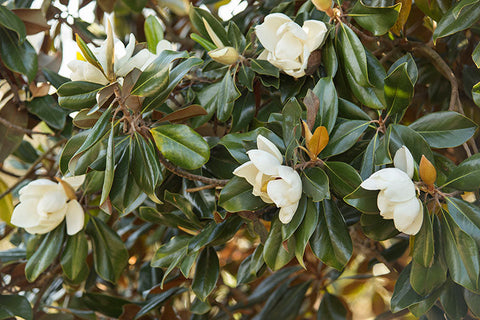 Southern Magnolia Tree: The Timeless Beauty and Benefits
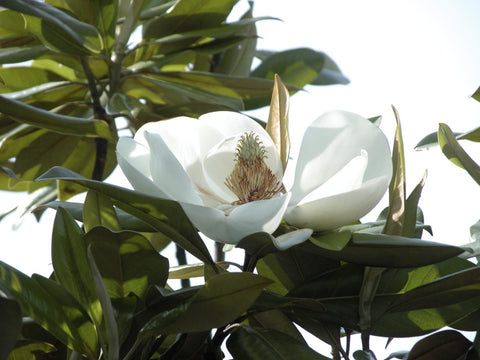 Evergreen Magnolia Tree: Complete Guide to Growing This Stunning Beauty
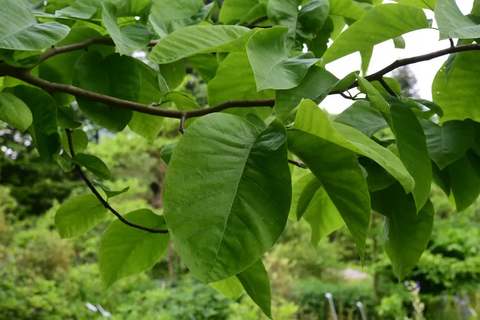 Cucumber Tree: The Ultimate Guide to Growing and Harvesting Nature's Hidden Gem
 Tulip Poplar: The Majestic Marvel of North America's Forests
 Dogwood Tree: The Ultimate Guide to Planting, Care, and Stunning Seasonal Blooms


Leave a comment