
Cucumber Tree: The Ultimate Guide to Growing and Harvesting Nature's Hidden Gem
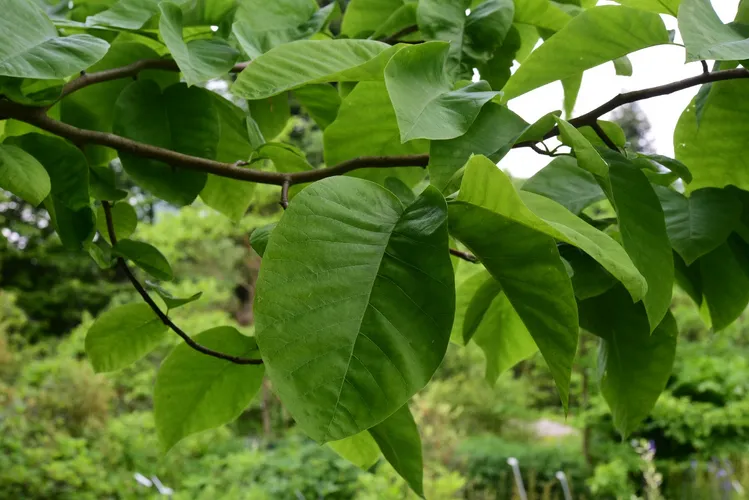
Magnolia acuminata, or Cucumber Tree, is a deciduous North American species reaching 60 feet tall with yellow-green flowers blooming in late spring. Its cucumber-shaped fruit develops from these flowers, and the tree requires standard temperate-climate care for cultivation and harvesting.
The Cucumber Tree, scientifically known as Magnolia acuminata, is a remarkable species that has captivated gardeners, botanists, and nature enthusiasts alike.
This deciduous tree, native to the eastern United States and parts of Canada, is not just a visual delight with its stunning flowers and lush foliage; it also offers a plethora of benefits ranging from ecological contributions to culinary uses.
In this ultimate guide, we will delve into the intricacies of growing and harvesting the Cucumber Tree, while also exploring its historical significance, environmental impact, and the role of organizations like Grow Billion Trees Partners in promoting sustainable practices.
Understanding the Cucumber Tree
The Cucumber Tree is a member of the Magnolia family, which is known for its large, fragrant flowers and unique fruit.
The tree can grow up to 60 feet tall, with a trunk diameter that can reach 2 feet. Its name derives from the shape of its fruit, which resembles a cucumber, and its leaves can grow up to 10 inches long.
The tree typically blooms in late spring, producing yellow-green flowers that are not only beautiful but also attract a variety of pollinators, including bees and butterflies.
Historical Significance
The Cucumber Tree has a rich history that dates back to the early Native American tribes, who utilized its wood for various tools and structures. The bark was often used for medicinal purposes, treating ailments such as fevers and respiratory issues.
Early European settlers also recognized the tree's value, using its wood for furniture and other construction needs due to its durability and attractive grain.
In addition to its practical uses, the Cucumber Tree has also found its place in cultural traditions. Its striking flowers have been celebrated in poetry and art, symbolizing beauty and resilience in the face of adversity.
Growing the Cucumber Tree
Growing a Cucumber Tree requires careful consideration of its environmental needs and growth patterns. Here’s a detailed step-by-step guide to ensure successful cultivation:
1. Selecting the Right Location
The Cucumber Tree thrives in USDA hardiness zones 4 to 8, favoring well-drained, fertile soil and full sun to partial shade. When selecting a location, ensure that the tree has enough space to grow, as it can spread wide with its broad canopy. Avoid planting near structures or other trees that may compete for sunlight and nutrients.
2. Soil Preparation
Testing the soil pH is crucial, as Cucumber Trees prefer slightly acidic to neutral soil (pH 5.5 to 7.0). Amend the soil with organic matter, such as compost or well-rotted manure, to enhance fertility and drainage. A well-prepared soil bed will encourage healthy root development and robust growth.
3. Planting
The best time to plant a Cucumber Tree is in early spring or fall. Dig a hole that is twice as wide as the root ball and just as deep. Carefully place the tree in the center, ensuring that the top of the root ball is level with the ground surface. Backfill the hole with soil, firming it gently to eliminate air pockets. Water thoroughly after planting to help settle the soil.
4. Watering and Fertilization
During the first growing season, regular watering is essential to establish a strong root system. Water the tree deeply once a week, allowing the top inch of soil to dry out between waterings. Once established, the Cucumber Tree is relatively drought-tolerant, but it will benefit from supplemental watering during prolonged dry spells.
Fertilization should be done in early spring with a balanced, slow-release fertilizer. This will provide the necessary nutrients for healthy growth and flowering. Avoid over-fertilizing, as this can lead to excessive leaf growth at the expense of flowers.
5. Pruning
Pruning is essential for maintaining the tree's shape and health. It is best done in late winter or early spring before new growth begins. Remove any dead, damaged, or crossing branches to improve air circulation and light penetration. This will also help prevent disease and promote a more attractive structure.
6. Pest and Disease Management
The Cucumber Tree is generally resistant to pests and diseases, but it can occasionally be affected by scale insects, aphids, and fungal infections. Regular monitoring and maintaining good cultural practices can minimize these issues. If infestations occur, treat them promptly with insecticidal soap or neem oil.
Harvesting Cucumber Tree Fruits
The fruit of the Cucumber Tree is an elongated, cone-like structure that ripens in late summer to early fall. While not commonly consumed, the seeds can be harvested and used in various culinary applications. The seeds can be roasted and eaten as a snack or ground into flour, offering a nutritious alternative to traditional grains.
To harvest the seeds, wait until the fruit turns brown and begins to split open. Carefully collect the seeds and remove any pulp. Store the seeds in a cool, dry place until you are ready to use them.
Environmental Impact
The Cucumber Tree plays a significant role in its ecosystem. As a native species, it provides habitat and food for various wildlife, including birds and small mammals. The flowers attract pollinators, contributing to the overall health of local ecosystems. Additionally, the tree’s extensive root system helps prevent soil erosion and improves soil health by promoting biodiversity.
Furthermore, planting Cucumber Trees contributes to carbon sequestration, helping to mitigate climate change. Trees absorb carbon dioxide from the atmosphere, storing carbon in their biomass and releasing oxygen, making them vital components of a healthy environment.
Fun Facts about the Cucumber Tree
- The Cucumber Tree is one of the few magnolias that are hardy enough to thrive in colder climates.
- Its flowers can grow up to 10 inches in diameter and have a sweet, lemony fragrance.
- The wood of the Cucumber Tree is lightweight and has been used in the past for making crates and boxes.
- Despite its name, the fruit of the Cucumber Tree is not edible and should not be consumed raw.
Grow Billion Trees Partners: Promoting Sustainable Practices
Organizations like Grow Billion Trees Partners are at the forefront of promoting the planting and conservation of trees, including the Cucumber Tree. Their mission is to combat deforestation and promote biodiversity through community engagement and education. By partnering with local communities, they execute tree planting projects that focus on native species, ensuring the preservation of local ecosystems.
Grow Billion Trees Partners works by:
- Community Involvement: They engage local communities in tree planting initiatives, providing education on the benefits of native species like the Cucumber Tree.
- Partnerships: Collaborating with schools, local governments, and environmental organizations to maximize impact and reach.
- Awareness Campaigns: Promoting the importance of trees in combating climate change and enhancing biodiversity through social media and community events.
- Monitoring and Maintenance: Ensuring the longevity of planted trees by monitoring their growth and providing necessary care.
Through their initiatives, Grow Billion Trees Partners not only promote the planting of Cucumber Trees but also foster a sense of stewardship among community members, encouraging them to take an active role in preserving their natural environment.
Conclusion
The Cucumber Tree is truly nature’s hidden gem, offering beauty, ecological benefits, and historical significance. By understanding how to grow and harvest this remarkable tree, we can appreciate its contributions to our environment and culture.
Organizations like Grow Billion Trees Partners play a crucial role in promoting sustainable practices, ensuring that future generations can enjoy the beauty and benefits of the Cucumber Tree. Whether you are a gardener, an environmentalist, or simply a lover of nature, the Cucumber Tree deserves a place in your heart and garden.
As we continue to face environmental challenges, planting trees like the Cucumber Tree becomes increasingly vital. By participating in local tree-planting initiatives and spreading awareness about the importance of biodiversity, we can all contribute to a healthier planet.
Further reading: Southern Magnolia Tree: The Timeless Beauty and Benefits · Evergreen Magnolia Tree: Complete Guide to Growing This Stunning Beauty
Frequently Asked Questions
What is the Cucumber Tree?
A botanical marvel, the Cucumber Tree, or Magnolia acuminata, is a stunning deciduous tree native to the eastern U.S. and Canada. With its cucumber-shaped fruit and fragrant yellow-green flowers, it’s a feast for the eyes and a haven for pollinators. Plus, it’s a tree that tells tales of history and ecology!
How tall does the Cucumber Tree grow?
The Cucumber Tree can reach impressive heights of up to 60 feet, boasting a trunk that can grow up to 2 feet in diameter. It’s like the gentle giant of the garden, providing shade and beauty while attracting a variety of wildlife. Just make sure it has enough room to stretch its limbs!
What are the ideal growing conditions for a Cucumber Tree?
Cucumber Trees thrive in USDA hardiness zones 4 to 8, preferring well-drained, fertile soil and full sun to partial shade. They’re like the Goldilocks of trees—seeking just the right spot to grow! Avoid overcrowding them, as they love to spread their branches wide and soak up the sun.
When is the best time to plant a Cucumber Tree?
The prime time for planting a Cucumber Tree is in early spring or fall. It’s like giving your tree a fresh start! Dig a hole twice the width of the root ball, settle it in, and water it well. Your tree will appreciate the warm welcome and set roots for a bright future.
How should I care for a young Cucumber Tree?
During its first growing season, your Cucumber Tree will need weekly deep waterings to establish a strong root system. Think of it as giving your tree a refreshing spa day! Once established, it’s relatively drought-tolerant but will appreciate a drink during dry spells—just like any good friend!
What type of fertilizer is best for a Cucumber Tree?
A balanced, slow-release fertilizer in early spring will do wonders for your Cucumber Tree. It’s like a nutritious breakfast for your tree, providing the essential nutrients it needs for healthy growth and blooms. Just remember, moderation is key—too much fertilizer can lead to leafy overindulgence!
How do I prune a Cucumber Tree?
Pruning is best done in late winter or early spring before the new growth begins. It’s like giving your tree a stylish haircut! Remove dead or crossing branches to improve air circulation and light penetration. This will keep your tree healthy and looking sharp while preventing any unsightly diseases.
What pests or diseases affect the Cucumber Tree?
While generally resistant, the Cucumber Tree can occasionally face off against scale insects, aphids, and some fungal infections. It’s like a game of whack-a-mole! Regular monitoring and good cultural practices will keep these pesky invaders at bay. If they do show up, treat them promptly with insecticidal soap or neem oil.
Can you eat the fruit of the Cucumber Tree?
While the Cucumber Tree produces elongated, cone-like fruit that looks intriguing, it’s not edible when raw. Think of it as nature’s little trick! However, the seeds can be harvested, roasted, and enjoyed as a snack or ground into flour. It’s a unique culinary twist for adventurous foodies!
What is the environmental impact of the Cucumber Tree?
The Cucumber Tree is an ecological superstar, providing habitat and food for wildlife while attracting pollinators. Its extensive root system helps prevent soil erosion and enriches biodiversity. Plus, by sequestering carbon, it’s a champion in the fight against climate change. Planting one is like gifting nature a little more green!
How does Grow Billion Trees Partners support tree planting?
Grow Billion Trees Partners is all about community engagement and education, promoting the planting of trees like the Cucumber Tree. They collaborate with local groups, schools, and governments to maximize their impact. Think of them as tree-planting cheerleaders, rallying everyone to join the cause for a greener, healthier planet!
Keep reading
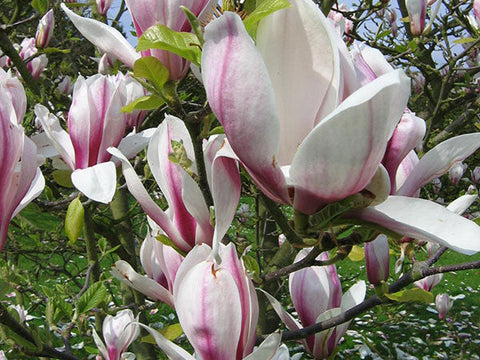 Magnolia Tree: Unlocking the Secrets to Stunning Blooms and Care Tips
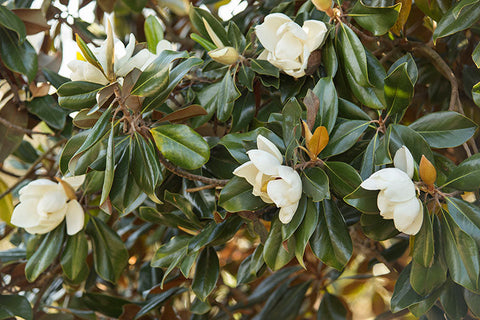 Southern Magnolia Tree: The Timeless Beauty and Benefits
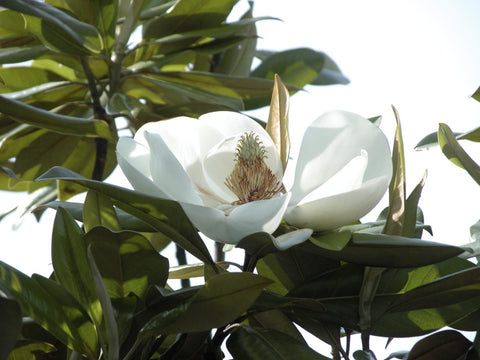 Evergreen Magnolia Tree: Complete Guide to Growing This Stunning Beauty
 Yellow Poplar Tree: The Ultimate Guide to Its Benefits, Care, and Stunning Beauty!
 Pencil Cedar Tree: The Ultimate Guide to Growing and Caring for This Unique Evergreen!


Comments
Leave a comment