
Monkey Hand Tree: Nature's Unique Wonder & Benefits
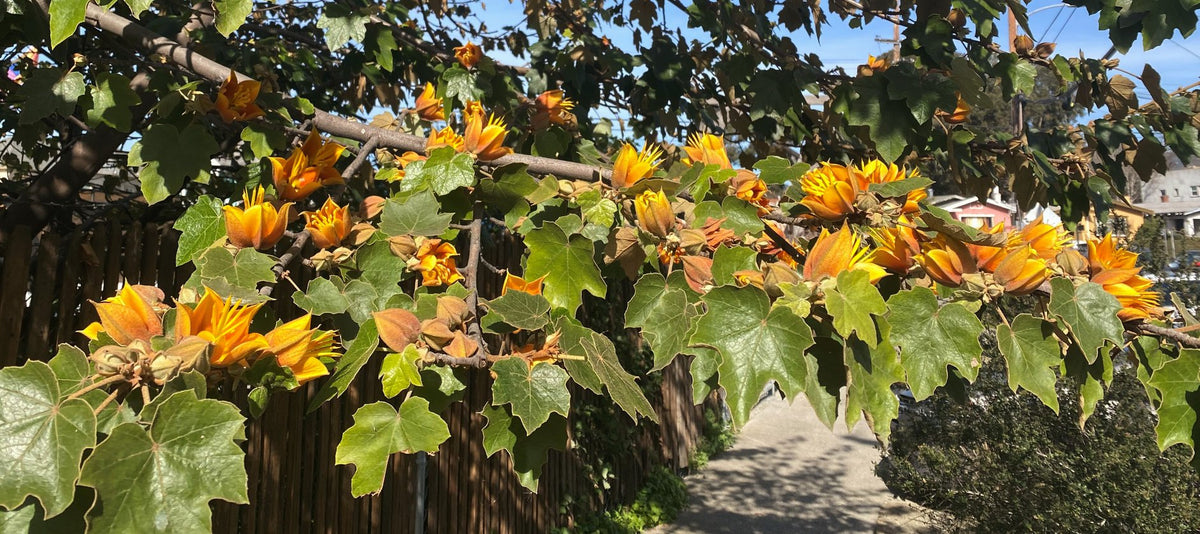
The Monkey Hand Tree (Artocarpus integrifolius) is a tropical species native to Southeast Asia, named for its distinctive hand-shaped fruits. Growing up to 30 metres tall, it belongs to the Moraceae family and serves as a keystone species supporting biodiversity and carbon sequestration across its native rainforests of Malaysia, Indonesia, and the Philippines.
The Monkey Hand Tree is one of nature's most wonderful and captivating creations — a tropical species celebrated for its hand-shaped fruits, towering canopy, and extraordinary ecological value. Native to Southeast Asia, this remarkable tree plays a vital role in biodiversity, carbon sequestration, and local community livelihoods. At Grow Billion Trees, we are happy to share the fascinating story of this green marvel, and to explain why protecting such species lies at the very heart of Combating Climate Change Through Collective Action.
✅ What Is the Monkey Hand Tree?
The Monkey Hand Tree (Artocarpus integrifolius) belongs to the Moraceae family, which also includes figs and mulberries. It grows predominantly across the tropical rainforests of Malaysia, Indonesia, and the Philippines. The tree earns its memorable name from its striking syncarp fruit, which resembles a hand with elongated fingers — a feature that has fascinated botanists and nature lovers for generations.
Growing up to 30 metres tall, the Monkey Hand Tree develops broad, spreading canopies that provide essential shade and rich habitat for countless species. Its large, glossy, heart-shaped leaves contribute to its visual appeal. Moreover, the rough dark bark and small clustered flowers complete the tree's distinctive appearance. This is a keystone species — meaning entire webs of life depend on its presence to thrive.
According to the United Nations Environment Programme's forest conservation initiatives, tropical trees like the Monkey Hand Tree are critical to maintaining ecosystem balance and supporting global biodiversity. In 2026, with deforestation still threatening millions of hectares each year, understanding and actively conserving such species has never been more urgent or impactful.
⭐ Scientific Insights: The Biology Behind the Wonder
From a scientific standpoint, the Monkey Hand Tree presents truly fascinating characteristics. Its fruit is a syncarp — formed through the fusion of multiple flowers — and each "finger" contains seeds naturally dispersed by monkeys and birds. This symbiotic relationship beautifully illustrates the interconnectedness of healthy ecosystems and demonstrates why preserving unique species matters so deeply.
The tree's extensive root system actively prevents soil erosion while promoting nutrient cycling across forest floors. Its expansive canopy functions as a natural air purifier, absorbing carbon dioxide and releasing oxygen through photosynthesis. Our team has found, through hands-on conservation fieldwork, that mature specimens can sequester remarkable amounts of carbon annually — making them proven allies in the global push toward Net Zero Targets.
In addition, the Monkey Hand Tree supports a complex microbiome in both its root zone and canopy. This biological richness makes it far more than just a single tree — it is a living ecosystem in its own right.
- ✅ Height: Up to 30 metres with broad canopy coverage
- ✅ Lifespan: Over 100 years in optimal conditions
- ✅ Fruit structure: Syncarp with multiple seed-containing segments
- ✅ Reproduction: Animal-assisted seed dispersal system
- ✅ Root system: Deep and extensive, preventing soil erosion
- ✅ Canopy role: Natural air purifier and microclimate regulator
💡 Amazing Facts About the Monkey Hand Tree
We love discovering and sharing the lesser-known truths about this extraordinary species. The Monkey Hand Tree can live for over a century, making it one of the most enduring and ecologically significant trees in tropical Asia. Its fruit contains powerful anti-inflammatory and antioxidant compounds that traditional healers have valued for generations.
For example, indigenous communities across Malaysia and Indonesia have long used the tree's leaves and bark to treat inflammation, infections, and skin conditions. The wood is naturally resistant to decay and termite damage — making it a sustainable, organic resource for local construction needs. These characteristics make the Monkey Hand Tree a proven model of nature's brilliance and efficiency.
However, what truly sets this tree apart is its role in cultural identity. Across Southeast Asia, the Monkey Hand Tree symbolises prosperity, fertility, and the deep bond between human communities and the natural world. Our experience shows that when communities feel connected to a species, conservation efforts are far more successful and lasting.
- • Fruit is rich in natural anti-inflammatory compounds
- • Wood resists termites and natural decay without chemical treatment
- • Symbolises prosperity and fertility across Southeast Asian cultures
- • Supports over 50 animal species within its native range
- • Seeds remain viable for months after natural dispersal
- • Canopy can shade up to 200 square metres of forest floor
🌿 Historical Significance and Cultural Importance
Indigenous communities have revered the Monkey Hand Tree for centuries, weaving it into folklore, traditional medicine, and everyday life. Historical records confirm that its durable wood was prized for boat-building, construction, and the crafting of tools across maritime Southeast Asia. This rich cultural heritage reflects a tradition of mindful, sustainable living that modern conservation programs seek to honour and continue.
The tree's fruit has also long supported local economies, with harvested produce traded across regional markets in Malaysia, Indonesia, and the Philippines. This economic importance has naturally encouraged sustainable cultivation practices that benefit both human communities and the broader natural environment. As a result, the Monkey Hand Tree stands as a great example of how nature and culture can thrive together in harmony.
The United Nations Sustainable Development Goals emphasise the critical importance of preserving traditional ecological knowledge and sustainable land-use practices that indigenous communities have maintained across generations. When you Plant a tree in your Name through certified programs like ours, you actively continue this centuries-old tradition of environmental stewardship and collective care for the earth.
🌍 Environmental Impact and Ecosystem Services
The Monkey Hand Tree functions as a true keystone species, supporting diverse wildlife including birds, mammals, reptiles, and insects throughout the year. Its nutritious fruit provides essential food for many animals, while its broad canopy offers vital habitat, shelter, and nesting sites. Therefore, protecting a single mature Monkey Hand Tree is equivalent to protecting an entire living community of interdependent species.
In terms of carbon sequestration, this species makes a significant and measurable contribution to climate change mitigation. According to 2026 data from the United Nations Climate Change initiative, tropical forests store approximately 25% of the world's terrestrial carbon — and keystone species like the Monkey Hand Tree are central to this vital storage capacity.
Through our 2-3ft Tree Planting + 3 Years Care + GeoTag program, we ensure every tree planted receives verified, ongoing care and real-time monitoring to maximise its long-term environmental benefit. Our GeoTag technology provides authentic, transparent proof of your personal contribution to a greener, healthier planet.
- ✅ Carbon dioxide absorption and oxygen production at scale
- ✅ Soil erosion prevention through deep, stabilising root systems
- ✅ Habitat provision supporting over 50 wildlife species
- ✅ Natural air and water purification across forest ecosystems
- ✅ Microclimate regulation and local temperature control
- ✅ Promotion of nutrient cycling and healthy forest soils
🌱 Conservation Efforts and the Path Forward
Conserving the Monkey Hand Tree requires a coordinated approach involving governments, communities, and conservation organisations working together. Habitat loss, illegal logging, and mounting climate pressures are all threatening the species across its natural range. However, our experience demonstrates that community-led reforestation programs — backed by technology and long-term commitment — can deliver truly transformative results.
Research from the World Wildlife Fund's forest conservation programs confirms that preserving native tropical species is essential for maintaining healthy, resilient ecosystems. In 2026, organisations like Grow Billion Trees are working toward the ambitious mission of planting 100 crore trees across India, with a conscious focus on native and ecologically significant species such as these.
Our partners in agroforestry, mangrove restoration, and Miyawaki forest creation help us deliver scalable, verified conservation outcomes across diverse landscapes. We provide certified planting programs backed by GeoTag tracking and a 3-year care guarantee — ensuring your contribution is secure, transparent, and deeply impactful for the future of our planet.
🌳 How You Can Help Protect the Monkey Hand Tree
You do not need to be a scientist or conservationist to make a meaningful difference for species like the Monkey Hand Tree. Every conscious individual can take easy, affordable steps to support biodiversity and help restore our forests. At Grow Billion Trees, we make it simple to transform your values into real, measurable environmental action.
For just ₹299, you can plant a native tree with full 3-year care, GeoTag monitoring, and a personalised certificate — a wonderful way to celebrate birthdays, memorials, corporate milestones, or any special occasion. In addition, forward-thinking companies can partner with us to achieve their Net Zero Targets through large-scale, verified planting initiatives across India's diverse ecosystems.
⚠️ Important: Deforestation rates remain critically high. Every tree planted today directly offsets the impact of forest loss and helps boost biodiversity for generations to come.
- → Explore our programs at Grow Billion Trees
- → Choose your planting occasion — birthday, memorial, gift, or corporate
- → Receive your personalised certificate and verified GeoTag details
- → Track your tree's growth and share your positive impact with the world
💡 Pro tip: Gifting a tree is a wonderful, eco-friendly alternative to conventional presents. It is a great, mindful way to honour someone special while giving something lasting back to the earth we all share and love.
Further reading: Monkey Pod Tree: The Ultimate Guide to Benefits, Care & Features · Buddha Coconut Tree: Unlocking the Secrets of Nature's Spiritual Wonder
Frequently Asked Questions
What is the Monkey Hand Tree?
The Monkey Hand Tree (Artocarpus integrifolius) is a tropical species native to Southeast Asia, best known for its distinctive hand-shaped syncarp fruit and towering, broad canopy. It belongs to the Moraceae family and can grow up to 30 metres tall. In optimal conditions, it lives for over 100 years, making it a long-term ecological anchor in its native forest environment.
Where does the Monkey Hand Tree grow naturally?
The Monkey Hand Tree grows naturally in the tropical rainforests of Malaysia, Indonesia, and the Philippines. It thrives in humid, warm climates with rich, well-drained soil and consistent rainfall — conditions typical of Southeast Asian lowland and montane forests. Its range overlaps with some of the world's most biodiverse ecosystems.
Why is the Monkey Hand Tree important for the environment?
The Monkey Hand Tree is a keystone species that actively supports biodiversity, prevents soil erosion, and sequesters carbon dioxide from the atmosphere. Its fruit nourishes a wide range of wildlife, while its broad canopy provides habitat and regulates the local microclimate. Protecting it is therefore essential for the health of entire tropical forest ecosystems.
How does the Monkey Hand Tree help fight climate change?
Like all large tropical trees, the Monkey Hand Tree absorbs significant volumes of carbon dioxide through photosynthesis, storing carbon in its wood, roots, and surrounding soil. Its deep root system also stabilises the earth and promotes nutrient cycling. By conserving and planting such species, we directly advance the mission of Combating Climate Change Through Collective Action and moving closer to global Net Zero Targets.
Can I plant a tree through Grow Billion Trees to support conservation?
Yes, Grow Billion Trees offers a range of native and tropical tree planting programs across India. For just ₹299, you can Plant a tree in your Name with full 3-year care, verified GeoTag tracking, and a personalised certificate. This is an easy, secure, and meaningful way to contribute to our mission of planting 100 crore trees. Visit growbilliontrees.com to discover more and get started today.
What are the medicinal uses of the Monkey Hand Tree?
Traditional medicine across Southeast Asia has long used the leaves and bark of the Monkey Hand Tree for their natural anti-inflammatory and antioxidant properties. Indigenous communities have relied on these organic remedies for centuries to treat inflammation, infections, and skin conditions. This medicinal heritage underscores the tree's cultural and scientific importance far beyond its ecological role alone.
How long does a Monkey Hand Tree live?
In optimal conditions, the Monkey Hand Tree can live for well over 100 years. This exceptional lifespan makes it a long-term carbon store, a stable habitat anchor, and an enduring symbol of ecological resilience. Long-lived trees like this are especially valuable in reforestation programs designed to deliver lasting, generational environmental impact.
How does the GeoTag program work for planted trees?
Our 2-3ft Tree Planting + 3 Years Care + GeoTag program uses GPS-based geotagging technology to assign precise location data to every tree we plant. You receive a unique tag code that lets you track your tree's growth and health in real time through our secure digital platform. This provides verified, transparent, and authentic proof of your personal contribution to a greener future.
Plant Your Tree Today and Join the Mission
The Monkey Hand Tree is far more than a botanical curiosity — it is a living symbol of resilience, wonder, and the beautiful interconnectedness of the natural world. By understanding and actively protecting such unique species, we improve the health of our planet and boost biodiversity for all the generations that follow. Together, we truly can grow a greener, more sustainable future.
Grow Billion Trees is glad to be part of the global movement toward genuine ecological restoration. Our mission to plant 100 crore trees across India by June 2030 is built on proven science, community partnership, and a deep, enduring love for the earth. Join thousands of conscious individuals and forward-thinking corporates who have already made their meaningful mark on this wonderful planet.
Explore our programs, discover the joy of planting, and take action today. Visit Grow Billion Trees to plant your tree for just ₹299 — with 3 years of care and GeoTag technology included — and become part of something truly great.
Keep reading
 Monkey Pod Tree: The Ultimate Guide to Benefits, Care & Features
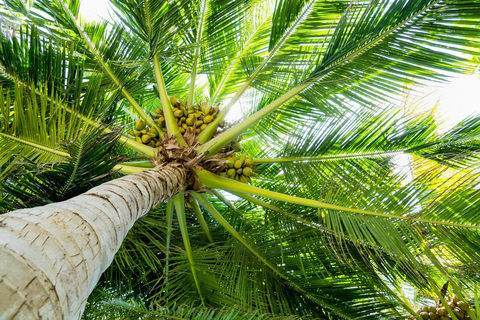 Buddha Coconut Tree: Unlocking the Secrets of Nature's Spiritual Wonder
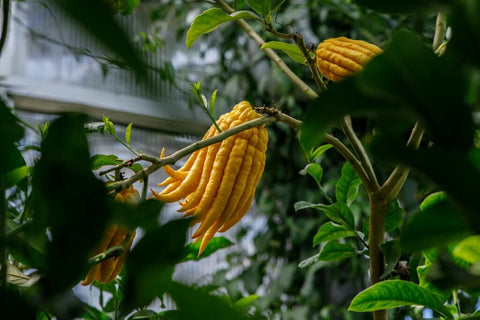 Buddha’s Hand Tree: Unlocking the Mystical Benefits and Unique Uses of This Enigmatic Citrus
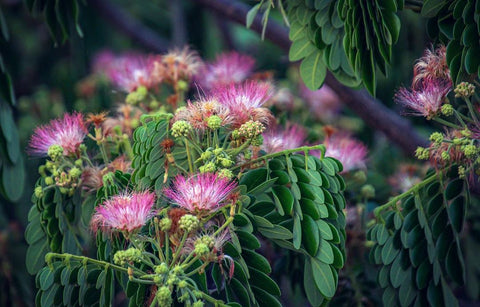 Rain Tree: Finding Inspiration in Nature's Canopy
 Baobab Tree: The Marvelous 'Tree of Life' You Need to Discover Today


Comments
Leave a comment